











The mention of sexual assault and racism in this article may be triggering to some readers. Please exercise personal care when reading.
As Americans, it’s important to remember whose land we inhabit. Indigenous communities have stewarded this soil for over 20,000 years, yet their sovereignty and rights have been stripped from them. Decolonizing through challenging ideas and power structures that negatively impact them is vital. There is a wealth of literature that touches on these topics. Here are four books that resist Native injustice.
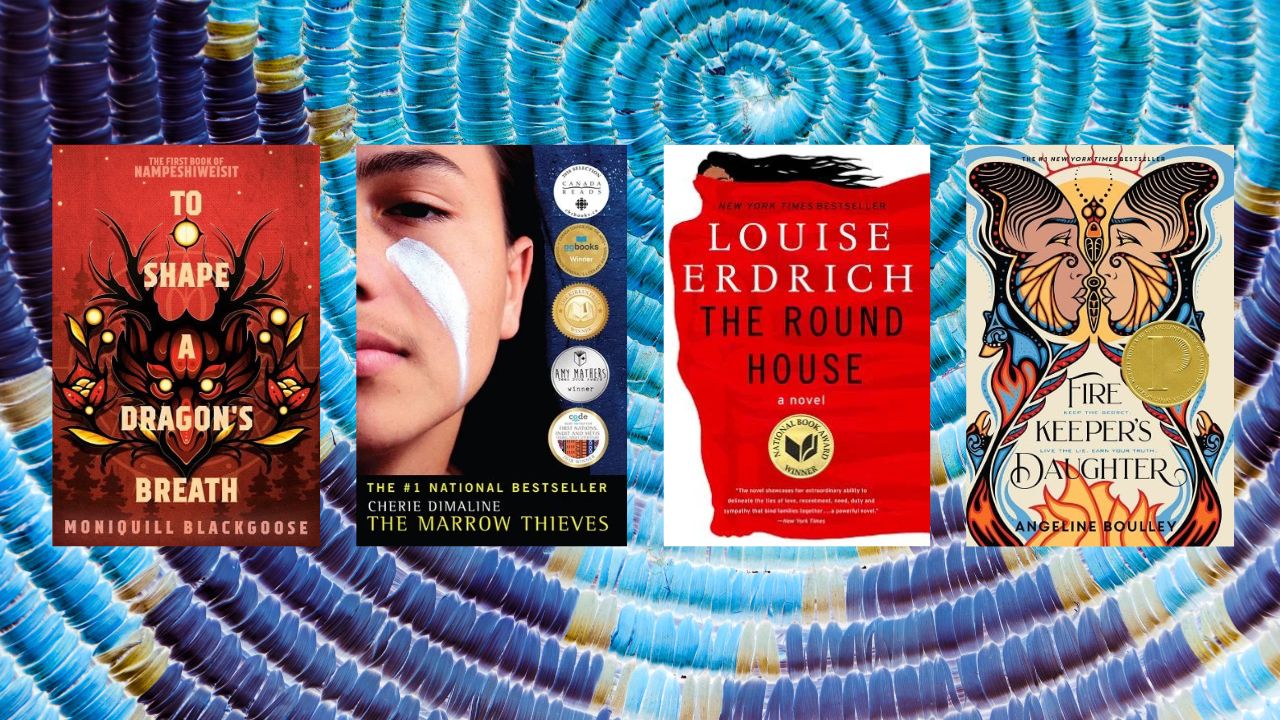
Firekeeper’s Daughter by Angeline Boulley
Firekeeper’s Daughter follows Daunis, an unenrolled Ojibwe member, who intimately knows the toll tragedy can take. After her best friend is murdered, she goes into a deep investigation of the drug problem rampaging through her community. Along the way, Daunis has a romantic interest who’s keeping secrets of his own.
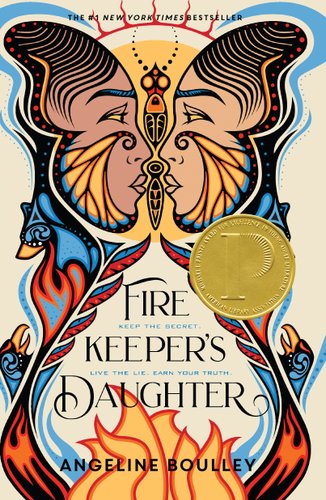
By taking on the generational trauma and drug abuse that’s wreaking havoc through her society, Daunis fights for the decolonial healing of her people. She also experiences sexual violence during the book, a fate that unfortunately is more likely for Native women. Ultimately, she goes to a ceremony for victims and dances, showing her power has not been taken away.
To Shape A Dragon’s Breath by Moniquill Blackgoose
To Shape A Dragon’s Breath envisions an alternate history where Vikings colonize America instead of the English. Anequs is an Indigenous teen who finds a dragon egg on her island, but raising dragons is an activity no longer reserved for Native people. However, she is allowed training at a distinguished dragon academy. As the only Native student there, Anequs receives unkind treatment but persists in learning how to shape a dragon’s breath.
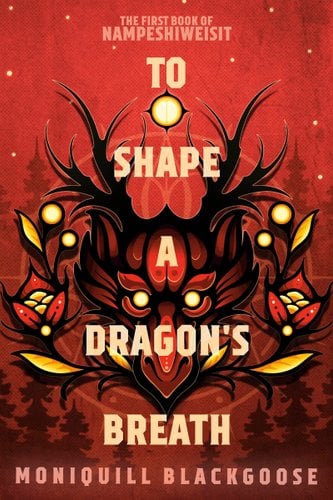
As a fantasy book, Anequs’s world isn’t real, but the themes are. Anequs deconstructs the idea that certain spaces are only acceptable for colonizers. She single-handedly changes the requirements for academy enrollment which could lead a path for other Indigenous students. She reclaims her power through knowledge and badass dragon riding.
The Round House by Louise Erdrich
Joe is a 13-year-old boy living on an Ojibwe reservation. One day, he hears of a horrible crime committed against his mother. While the police investigate the situation, Joe and his friends take it upon themselves to do some investigating too. He wants to get justice for his mother who withers away in the house after the act of violence.

This story highlights Indigenous rights, especially for Indigenous women. It reflects the corruptness of the justice system, like when white men are not persecuted for crimes against Native women. In the end, Joe has to employ the pre-colonial Wiindigoo justice to return peace to his community.
The Marrow Thieves by Cherie Dimaline
This novel is set in a dystopian world where a lack of dreams has driven people mad and the only cure is Native bone marrow. Frenchie, a young Metis boy, and a group of Indigenous refugees are on the run from “recruiters” who are hunting them. Residential schools were developed to extract the marrow, and this chosen family heads north for some hope of solace.
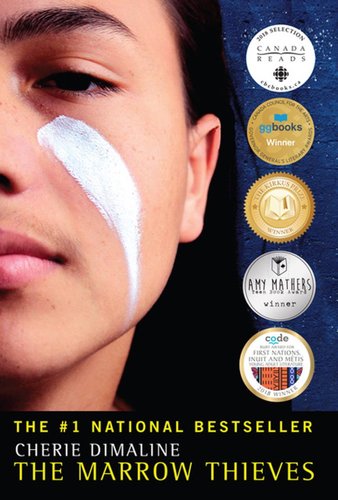
Residential schools are known for destroying Native culture, and thus oral storytelling is an active form of defiance that preserves it. The elder in The Marrow Thieves tells the origin story of the world as they know it. This celebrates tradition and truth. In addition, by searching for safety, the group resists the unjust stealing of body and spirit.
These stories are so essential because emphasizing Indigenous experiences helps readers either relate to or learn about Native culture.
Need more Native recommendations? Check out this article.
To shop any of these titles, go to bookshop.org.