











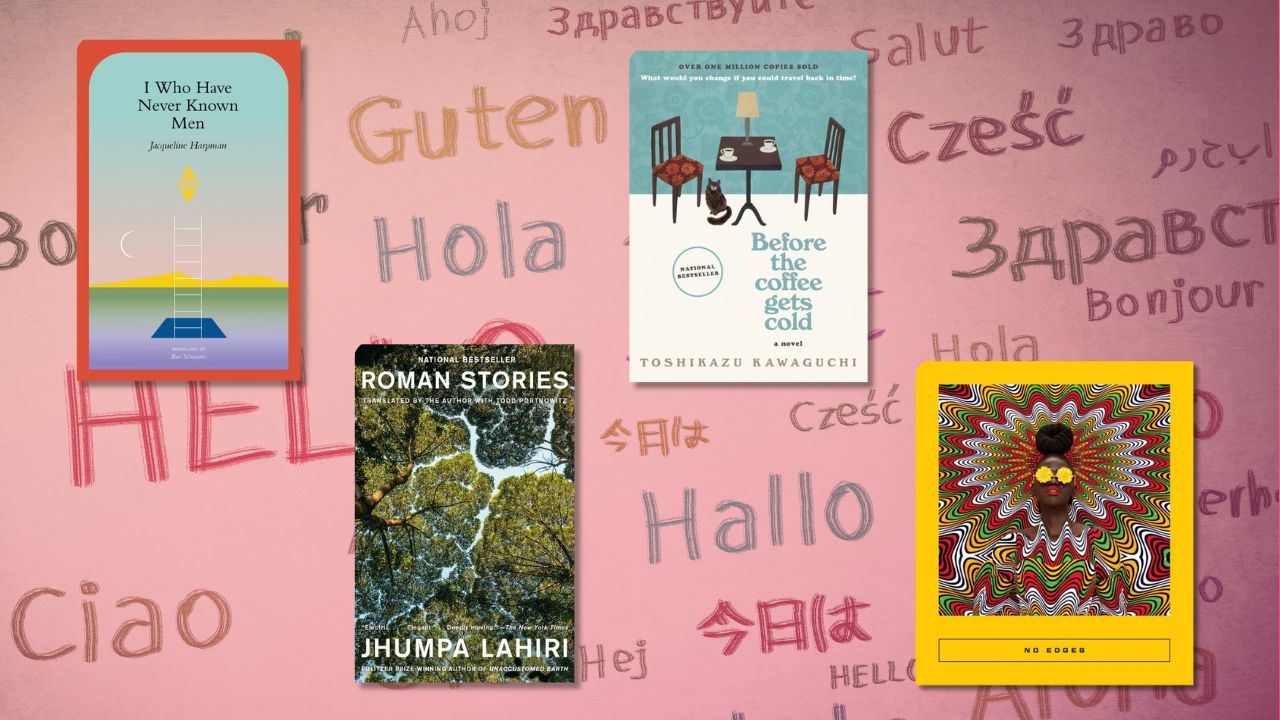
Books from other cultures and countries allow readers to appreciate humanity’s different experiences and cultural perspectives. The power of translation plays a key role in fostering a deeper understanding of global diversity. During April — National Celebrate Diversity Month — we honor the multitude of thoughts and ideas present in the global sphere. To commemorate this month, I invite you to expand your horizons and check out these international books translated into English.
Roman Stories by Jhumpa Lahiri
Jhumpa Lahiri is a British-American author who chooses to write in Italian — her non-native language — and later translate her works into English. In 2012, Lahiri moved to Rome, furthering her love for Italian culture.
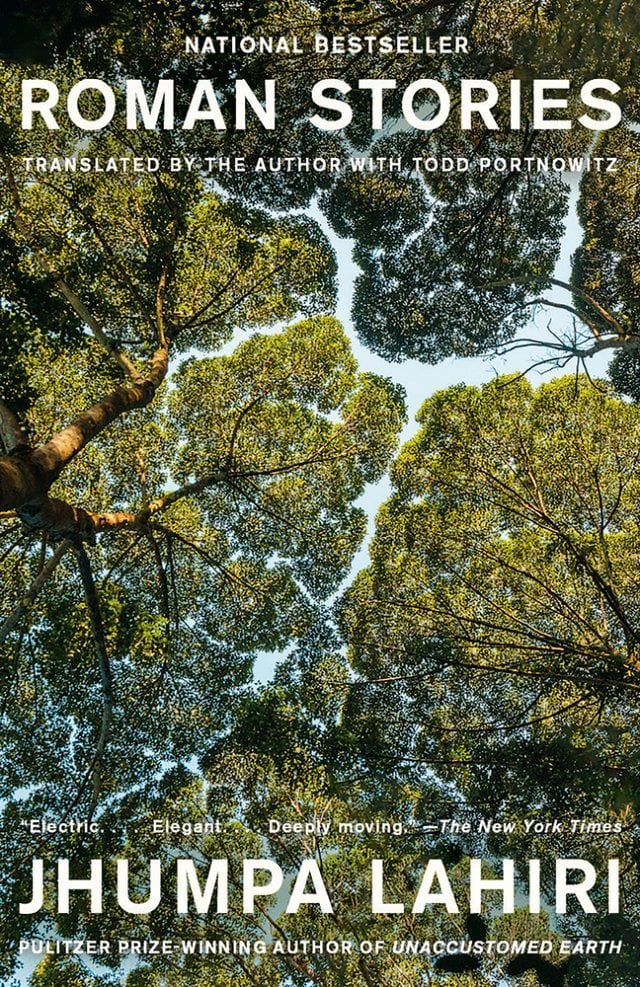
Roman Stories explores the city through nine compelling short stories. Characters come from a wide range of backgrounds; some are native Romans and wealthy expats, and others are refugees and immigrants. Instead of romanticizing or glorifying Rome, Lahiri presents a somewhat sobering view of the city. The narratives touch on many worldwide problems like the loss of identity, racial prejudice, and finding community. This collection shows an illuminating glimpse into Italy and the diverse experiences of its inhabitants.
No Edges: Swahili Stories by Lusajo Mwaikenda Israel, Euphrase Kezilahabi, Mwas Mahugu, et al.
No Edges: Swahili Stories is a collection of Swahili literature by eight East African authors. Swahili is one the most widely spoken languages in the world, with over 200 million speakers. This anthology is part of the Calico Series, which showcases outstanding works of translated literature and is published biannually by Two Lines Press from the Center for the Art of Translation. Each edition aims to showcase authors from around the world and make their writing accessible to English-speaking audiences.

The collection pushes the boundaries of how non-African audiences view and interact with African literature. The stories cover topics prevalent in African society, such as respecting elders, having children, and interacting with the supernatural. The stories and themes are incredibly original and include evocative visions of an Africanfuturist society.
Before the Coffee Gets Cold by Toshikazu Kawaguchi
This 2015 novel by Japanese author Toshikazu Kawaguchi tells of a café in Tokyo that allows its customers to travel back in time, as long as they return before their coffee gets cold. One visitor confronts an ex-lover, the second talks to her husband whose memory has deteriorated due to Alzheimer’s, the third sees her sister for the last time, and the fourth meets the daughter she never got a chance to know.

Before the Coffee Gets Cold relates to readers of all nationalities by asking: What would you do if you could travel to the past? Would you even go in the first place? The novel’s language is simple yet extremely moving and beautifully tragic. Through exploring the individual lives of each character and their feelings of loss, love, and regret, readers will leave this book with a new perspective on their own pasts.
I Who Have Never Known Men by Jaqueline Harpman
I Who Have Never Known Men was originally published in French in 1995 and was translated to English two years later. Set in a dystopian bunker on a planet that may or may not be Earth, the novel touches on a universally daunting question: “What is the meaning of life?” A young, unnamed narrator grows up in a bunker with 40 other women. As she grows older, she still possesses a childlike wonder for discovering the unknown and learning from the life experiences of others.
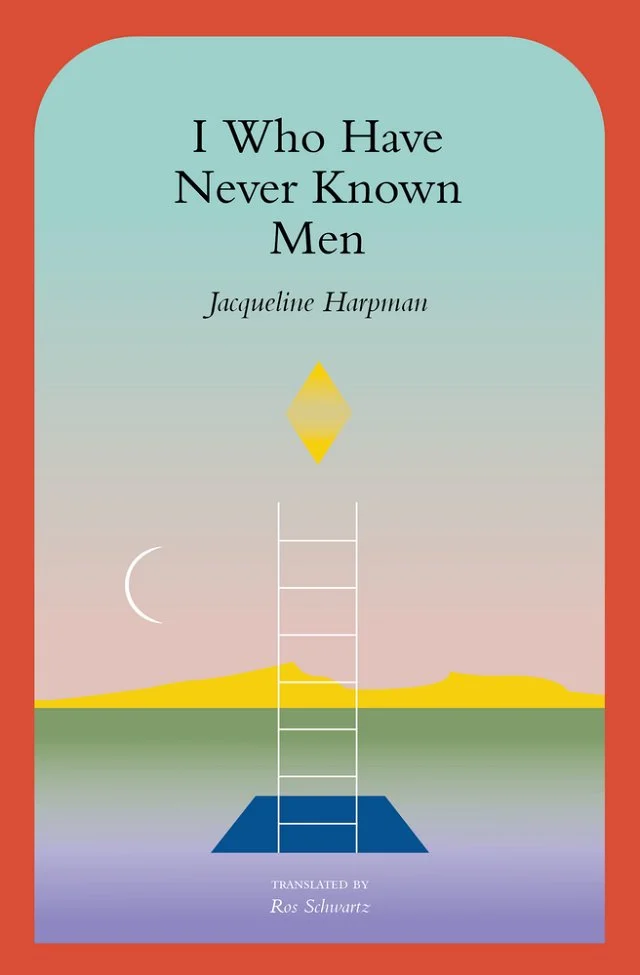
The unconventional and grotesque novel plunges readers directly into a bleak world devoid of reproduction — and, therefore, meaning. At the same time, the audience finds purpose in exploration, curiosity, and long-lasting hope. The course of the novel addresses who people are to their core, without the layer of what they have been conditioned to view as “human.” Harpman makes us rethink the innate values of all humans by stripping them of all societal barriers and exposing their rawest forms.
Tender is the Flesh by Agustina Bazterrica
Originally written in Spanish, Tender is the Flesh by Argentine author Agustina Bazterrica explores themes of dehumanization and cannibalism. Following a mysterious virus that has made animal meat poisonous, humans are seen as commodities for consumption. Marcos, the protagonist, works in a plant that deals in human meat. Throughout the book, he struggles with a moral dilemma concerning his role in this oppressive industry.
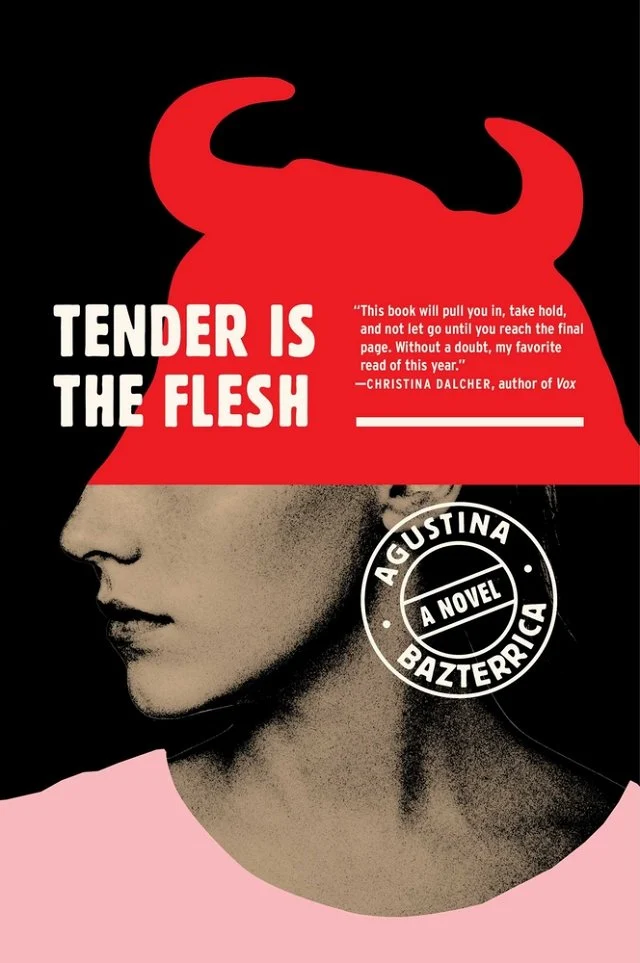
The novel’s portrayal of systemic cruelty, human rights, animal rights, and ethical qualms can broaden the worldviews of all. Ultimately, Bazterrica critiques the systems of capitalism and slavery that occur globally. While bleak, the tale is extremely thought-provoking and fosters the critical thinking vital to becoming an empathetic reader.
A Man Called Ove by Fredrik Backman
A Man Called Ove was originally written in Swedish by Fredrik Backman. The novel is heartwarming and emotionally complex, telling the story of Ove, a 59-year-old man grieving the loss of his wife. The grumpy and seemingly bitter man begins to open up to the idea of community and human connection when a young family moves in next door.
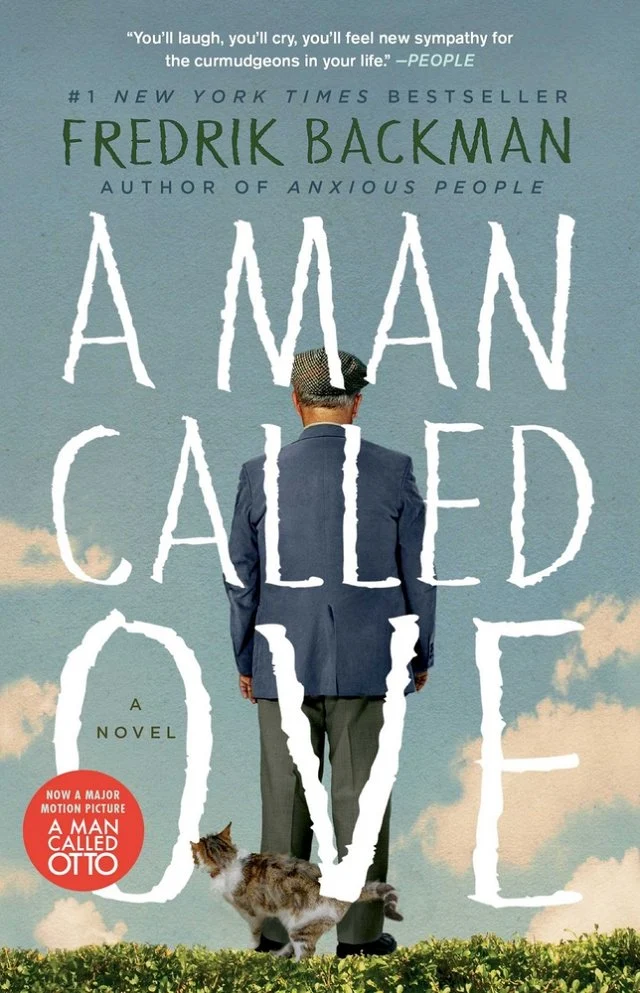
The Swedish setting reflects the cultural nuances, social norms, and values, such as individualism. Additionally, the novel contains an ironic and subtle humor that adds to its emotional charm. Universal themes of love, loss, and friendship tear at the hearts of readers and allow us to understand the common humanity that binds us together, even the distant.
Translated works transform and recreate original texts so that global stories can reach global audiences. These works open windows to different cultures while examining universal human experiences and reminding us of the power of human connection. During National Celebrate Diversity Month, consider engaging with voices from other cultural backgrounds to increase your empathy and understanding of voices different than yours.
Click here for another article on 7 other noteworthy translations.
Want more recommendations? Check out our Bookstr Team Recs Shelf on Bookshop.