

















College graduation is a significant milestone for many people. Outside of the official ceremony, student-led cultural and social organizations often host their own celebrations to honor their graduates. These events can be incredibly powerful for marginalized graduates who are often underrepresented and underacknowledged by academia at large. This week on Bookstr Trivia, we’re looking at the history of Lavender Graduation, a special graduation ceremony organized to commemorate graduating LGBTQ+ students.
Trigger warning: This article discusses homophobia and the Holocaust.
The Origins of Lavender Graduation
Lavender Graduation was created in 1995 by Dr. Ronni Sanlo, an LGBTQ+ historian and playwright. Barred from attending her own children’s graduations due to her sexual orientation, Sanlo organized the first Lavender Graduation at the University of Michigan. The tradition has since expanded to college campuses throughout the United States. As of 2023, over 200 colleges and universities have hosted an annual Lavender Graduation, as well as some high schools!
Despite increased acceptance, LGBTQ+ students in higher education still face disproportionate levels of harassment and mental health issues compared to their non-LGBTQ+ classmates. Many keep their orientation concealed from faculty, admin, and even their peers. Events such as Lavender Graduation provide an opportunity for community solidarity, allowing LGBTQ+ students a safe, supportive space to celebrate their accomplishments. Ceremonies may include speeches and awards presented to students who have demonstrated exemplary advocacy on behalf of the LGBTQ+ community.
Why Lavender?
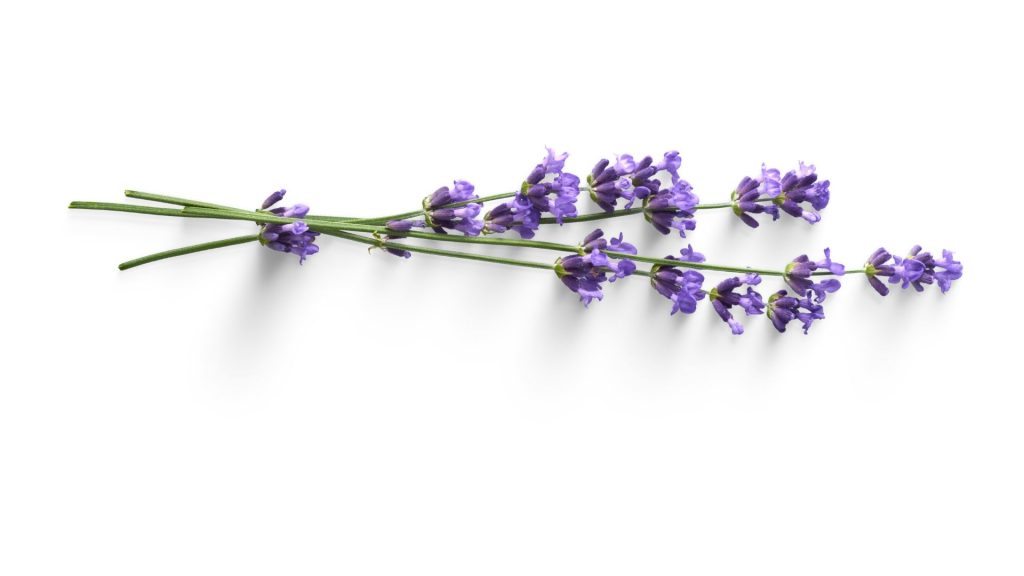
The color lavender holds particular significance to the LGBTQ+ community. Initially, the word was used as an insult toward gay men to mock their perceived lack of masculinity. This usage reportedly originates from a quote from Abraham Lincoln’s biographer, Carl Sandburg. Sandburg had described one of the president’s early male friendships as containing “a streak of lavender, and spots as soft as May violets.”
Lavender took on a further stigma when President Dwight D. Eisenhower signed Executive Order 10450 in 1953. The order forced thousands of government employees out of their jobs on the basis of their sexual orientation. These mass firings, which were the result of highly invasive investigations into employees’ personal lives, came to be known as the Lavender Scare.
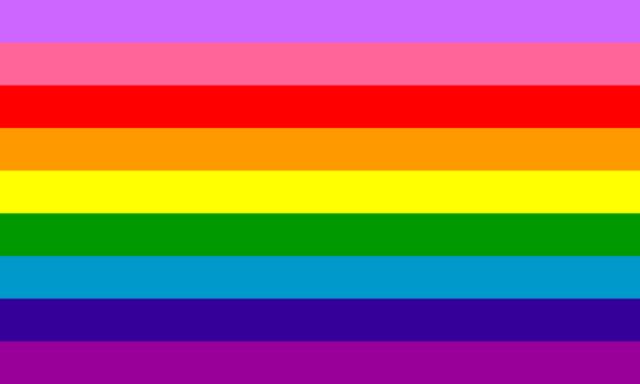
The LGBTQ+ community eventually reclaimed the color for themselves in 1969. In a “gay power” march held in New York a month after the Stonewall riots, organizers passed out lavender sashes and armbands for demonstrators to wear. Lavender remains a popular color in the community today. Artist Gilbert Baker updated his now-iconic Pride flag design in 2017 to include a lavender stripe, which he said would represent diversity.
For Sanlo, a Jewish lesbian, the color lavender also pays tribute to LGBTQ+ people imprisoned in Nazi concentration camps. Gay men were forced to wear pink triangles to identify themselves, while lesbians were forced to wear black triangles. Lavender combines these two colors, reinterpreting these symbols of oppression as a singular symbol of unity and pride. Students participating in Lavender Graduation often receive lavender or rainbow stoles, tassels, or cords.
How Can I Celebrate?
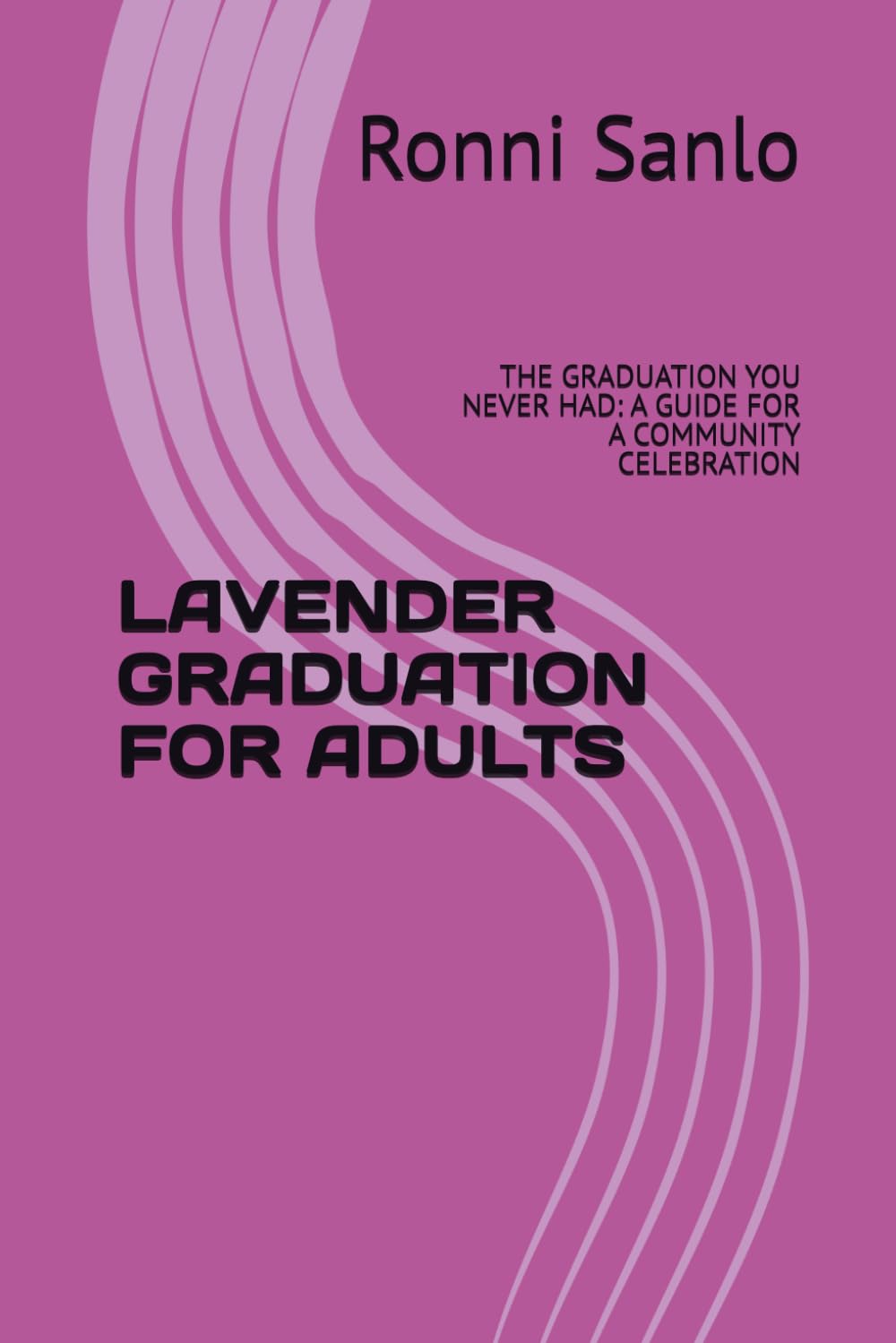
Many college campuses hold Lavender Graduation ceremonies, often facilitated by LGBTQ+ organizations. Participating institutions are listed on the Human Rights Campaign’s Lavender Graduation resource page. For students whose schools do not host a Lavender Graduation, Sanlo has written a guide to starting one. Her book offers a comprehensive history of Lavender Graduation as well as suggestions for organizing a Lavender Graduation for communities that do not currently participate.
For LGBTQ+ students, faculty, and all other participants, Lavender Graduation isn’t just a celebration. It’s an affirmation of belonging, a testament to a community’s resilience through individual trials and collective struggle. And of course, it’s an expression of pride — not only in the students’ achievements, but in their authentic selves.
Want more Bookstr Trivia? Click here to learn about the history of Drag Story Hour.
Browse more great Bookstr Trivia reads at our Bookshop.