


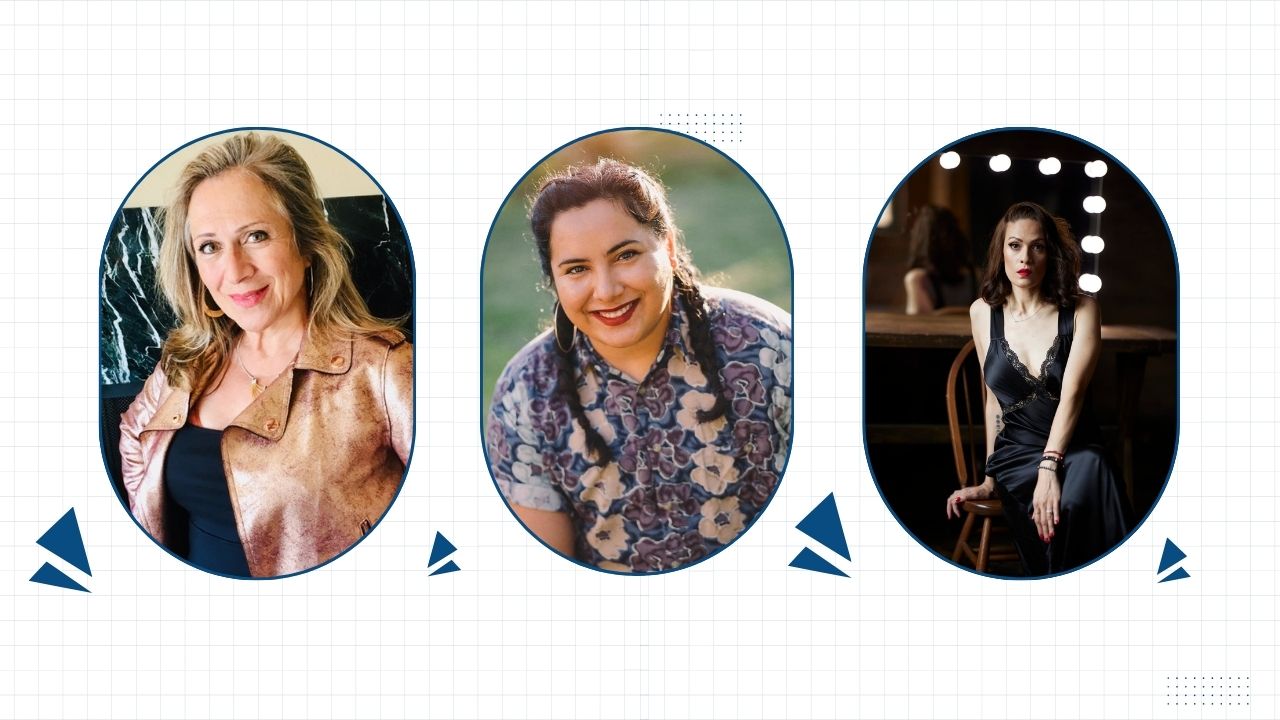
Culture has a huge influence on art. It influences our values and how we see the world. However, due to discrimination against minority groups, certain cultures are more represented than others. Whether that discrimination is faced through publishing or readership, the impact is the same. In an effort to bring marginalized authors to the forefront, we have three phenomenal authors of different Latinx backgrounds to learn about.
The Authors
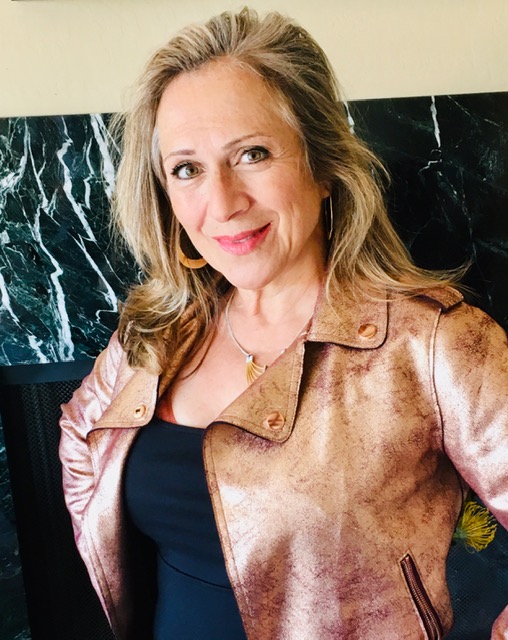
Cristina García
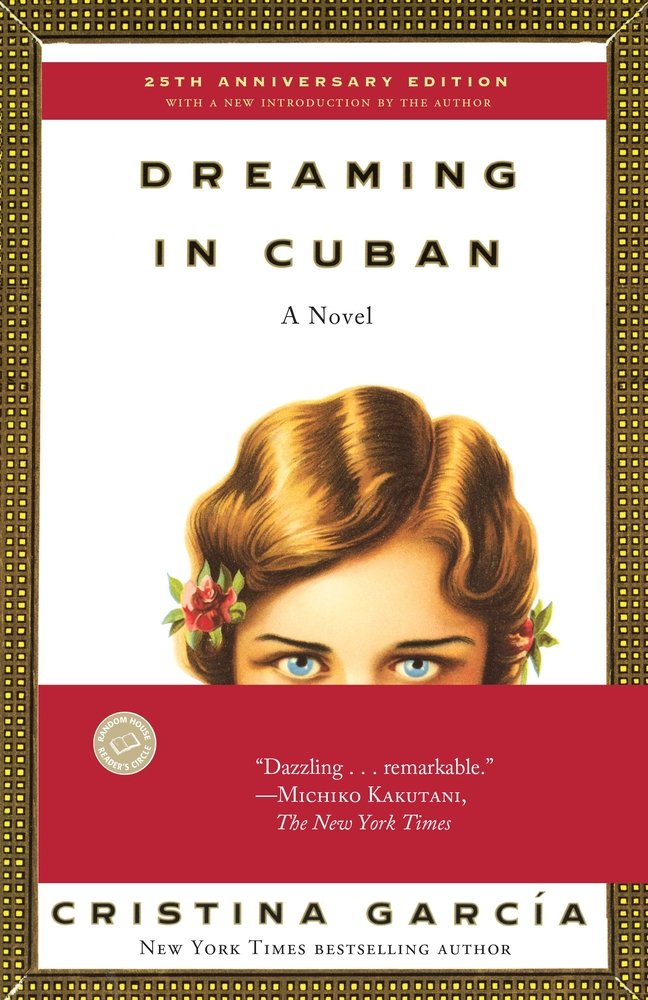
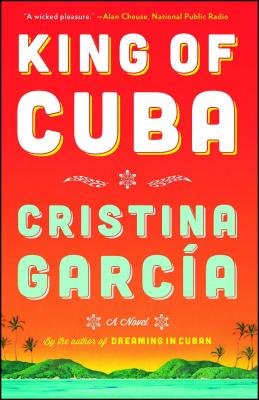
Cristina García is an award-winning author of eight novels, including Dreaming in Cuban, which was published in 1992. A visual artist and poet as well, Cristina García has also been published in two Lantinx anthologies. She also dabbles in playwriting at the Central Works Theater in Berkeley, California, and The GALA Theater in Washington, D.C.
Sonora Reyes
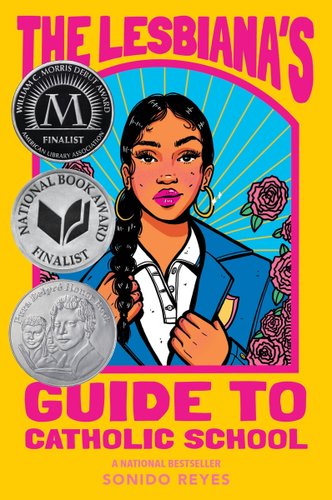
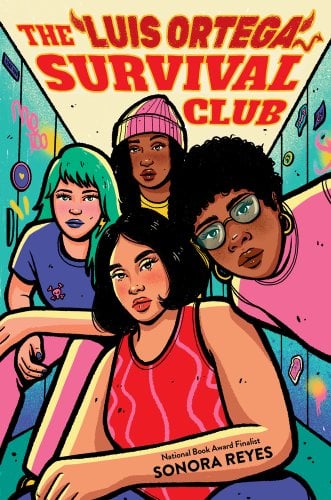
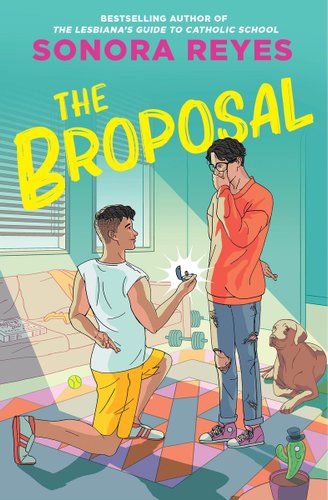
Sonora Reyes (they/them) was born and raised in Arizona and has written multiple books, including award-winner The Lesbiana’s Guide to Catholic School, published in 2022. They have also been published in two LGBTQIA+ Anthologies. When not working on writing, Reyes enjoys spending time with her baby niblings, and singing or dancing to Karaoke.

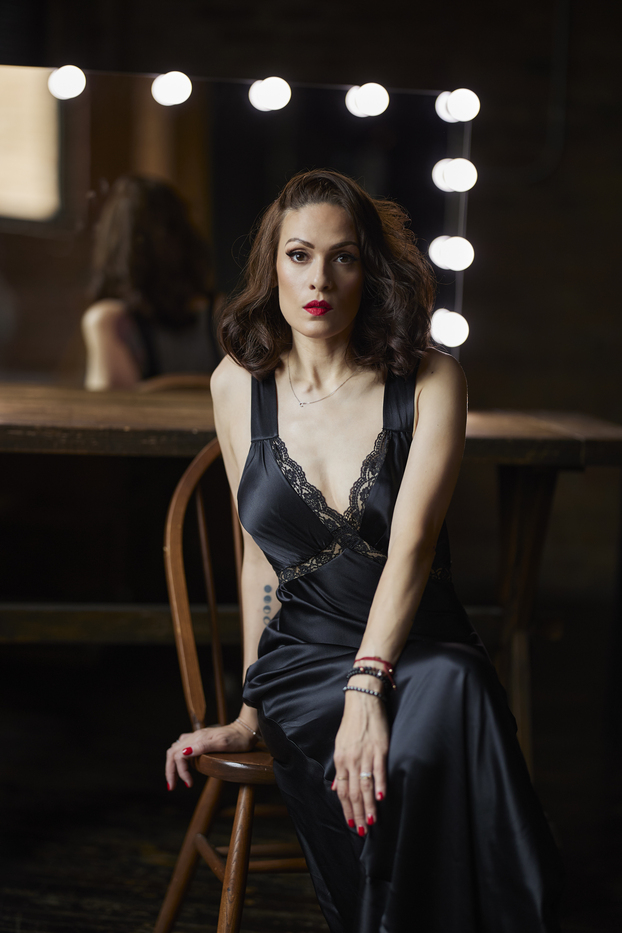
Cynthia Pelayo
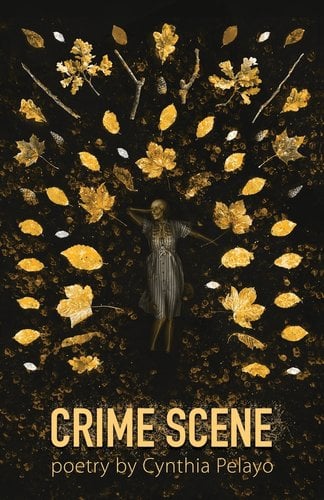
Cynthia Pelayo is a Bram Stoker Award-winning author who enjoys writing fairy tales that emphasize grief, mourning, and the cycle of violence. Her book Lotería was praised in Esquire, and she has received many accolades for her nine novels. Pelayo’s latest novel is an adaptation of Hans Christian Anderson’s The Little Mermaid, called The Forgotten Sisters.
The Questions
As a Latinx/Hispanic community member, have you encountered any literary barriers you’ve had to overcome? How have you navigated a publishing landscape that may not always reflect your experiences?
Cristina García: When I first came on the literary scene, the publishing landscape was vastly different from today. The prevailing idea then was that we were a marginalized community whose writers had limited audiences. The concept that our work could have vast appeal began to change in the late ’80s and ’90s with the works of Sandra Cisneros, Julia Alvarez, Denise Chávez, Oscar Hijuelos, and my own first novel, Dreaming In Cuban (1992). Of course, we’ve grown not only to enrich American literature but to help redefine what that literature is.
Sonora Reyes: There are so many obstacles when writing authentic stories about marginalized identities, both from the publishing side and even from readers. I was once rejected with The Lesbiana’s Guide to Catholic School because there was already another “queer Latinx book” coming out that year. It was not a lesbian book or a Mexican book, but it really opened my eyes about how much more “unique” our stories have to be to even get a foot in the door.
I know many other Latinx authors and marginalized authors in general feel a pressure to either water our stories down to make them more palatable or tune them up to make them educational to a white audience. The best way (for me) to navigate this kind of publishing culture is to tell the story I feel needs to be told and then do my best to educate my team if I receive pushback. I also have an incredible agent who will go to bat for me if it comes to that.
Cynthia Pelayo: Literary spaces are always going to have barriers to navigate and overcome, especially for those of us who are not familiar with these types of environments. That’s life, it’s full of adversity and what makes you is how you manage and overcome that obstacle. It’s been a challenge at times, but I’ve remained my authentic self and firm in terms of who I am and how I should be treated. I am here to be different and here to be incendiary.
If that means that I’ve burned a bridge, two, ten, then good. I’m always going to demand that people speak to me and work with me in a respectful manner. If they cannot do that because of whatever prejudice or bias they are trapped in, then I will recognize that’s not someone needed for my life path. The fire from that bridge just lit the way forward.
In what ways has your cultural heritage infused your storytelling? Is there a particular element of your background that ignites your creative spark?
Cristina García: I grew up under the continual shouting match—or abject silences—between families divided over the Cuban Revolution. My maternal grandmother, for example, was a staunch supporter of Fidel Castro, while her daughter (my mother) was her political opposite and opponent. It was difficult psycho-emotionally but extraordinarily rich terrain for fiction. In fact, my first couple of novels mine the nuances of those divides and the repercussions on the lives and relationships of family members who struggled to find reconciliation but ultimately gave up. Sound familiar?
Sonora Reyes: Whether it’s my cultural upbringing, my queerness, or my disability, I don’t know that there’s any aspect of my storytelling that isn’t influenced by my lived experience. That’s not to say all my characters are self-inserts or that it’s not a work of fiction, but the lens through which I see the world is completely infused with my upbringing and who I am as a person.
I love writing unapologetically Mexican stories, and I take inspiration from both my immediate family, my Catholic upbringing, stories from my ancestors. For me, there are also many cultural secrets and questions I’ve had throughout my life that have gone unanswered, where the truth died with the person holding onto it. I find catharsis in exploring those questions and creating my own story out of a family secret I will never know the truth behind.
Cynthia Pelayo: I’m Puerto Rican, and we grew up listening to a lot of music. My parents also told me a lot of ghost stories and folk tales. In college, I became exposed to the early works of the Puerto Rican poets from the Nuyorican Poets Café and that absolutely changed my life and my style of writing and poetry. My work needed to have a particular sound. It’s important that my writing sounds a certain way, and this varies from project to project.
So, there’s the aspect of musicality as well as my consideration of ‘Can this story be read aloud? Performed on a stage?’ I, of course, like my stories to feel quiet until they’re not, and maybe that’s partly from the drama and spectacle from overhearing my parents watch a lot of telenovelas. So there’s the oral history of the ghost story, the spoken word poetry, music, and more wrapped into my creative spark.
Many genres have Latinx-coded stereotypical tropes. Can you identify a common trope(s) within your genre and discuss how you’ve embraced or subverted it in your work?
Cristina García: Well, one common trope is the grandmother—the beloved abuela—who is the cultural, and often culinary, touchstone for the extended family. The one who keeps traditions alive, bridges generational gaps, and is often the portal for younger members of transplanted families to discover their roots. There’s absolutely nothing wrong with these wonderful abuelas, but my own grandmothers were far from this stereotype. In my eighth and latest novel, Vanishing Maps, a 90-year-old grandmother abandons Cuba to reunite—after 60-plus years—with a lost lover in Spain. And … it gets pretty sexy after that.

Sonora Reyes: I’ve been seeing the stereotype of the “sassy Latina” my whole life. Growing up, I tended to hold my tongue in front of certain peers to avoid being seen in that light. But the thing is, not being myself to avoid being a stereotype didn’t free me from racism or judgment. So when I wrote The Lesbiana’s Guide to Catholic School, I made it a point to let her attitude and voice shine through her narrative. Yamilet being “sassy” did not make her any less insecure or afraid, and it was really fun and cathartic for me to write a character with that kind of nuance without being afraid of it being seen as “too much.”
Cynthia Pelayo: I don’t feel comfortable talking about specific Latinx-coded stereotypes because the reality is, that type of work is still being created to this day and people are profiting off of it.
My goal as a writer and an artist, especially in recent years, has been to get away from problematic media portrayals of Latinx people—whether that means that I’m doing all that I can to not consume any of that type of media, that I refuse to recommend that type of media, and that I most certainly will never, ever create any type of media that plays into any of those stereotypes because they’re disgusting and harmful.
Whose literary voice has inspired you to share your own stories? Are there any Latinx authors who have paved the way for you?
Cristina García: Honestly, my biggest, most consistent inspirations over the years have been Anton Chekhov—the continuing humanity and empathy he imbues in every character and situation—and the great Spanish language poet Federico García Lorca, whose brilliance and lyricism never fail to take my breath away. That said, I have a thousand other favorites from all over the globe.
Sonora Reyes: Zoraida Córdova’s Labyrinth Lost convinced me that people do want stories like ours. I am still so grateful to have found that book when I did!
Cythnia Pelayo: Pedro Pietri, Federico Garcia Lorca, Jorge Luis Borges, Clarice Lispector.
Is there a particular individual, personal or professional, who has significantly influenced your journey? How have their experiences or perspectives shaped your own?
Cristina García: I can honestly say that the American writer Russell Banks was enormously inspirational to me—his tackling of subjects and places not necessarily his own but depicted with great insight and heart—gave me the courage to write fearlessly about whatever interested and obsessed me. But he also became a kind of literary godfather for me. Russell encouraged me like no one else ever has, and I feel his passing very deeply to this day.
Sonora Reyes: So many people have influenced my writing and my journey as an author over the years. My mom has always encouraged me, and a good friend and fellow author, Lee Call, always keeps me accountable. My late friend Ana Franco was the most incredible cheerleader.
Cynthia Pelayo: My husband.
If it wasn’t for him, I would not be here today. When you’re doing something that’s not very often done, people don’t understand it, and that creates friction, or strange competition, or discord, and because of that, my focus now is just on my immediate family and my writing. For example, one day I hope I can leave social media entirely.
I hope to build a strong enough literary presence that I can just focus on writing and my family and less to nothing on social media promotion because, honestly, I’m very mentally drained and disillusioned from it all. Many people contributed a lot of long-term and permanent hurt and harm for me on this journey, but the entire time, it was my husband pushing me to keep forward, to keep focused, and to keep writing.
Do any cultural beliefs or superstitions guide your writing process? Are there any rituals or practices that help you navigate the creative journey?
Cristina García: My one consistent ritual is reading poetry every single day that I am writing. Sometimes it’s only ten or fifteen minutes, other mornings it can last for several hours. But reading poetry from many different traditions and time periods helps me loosen up and gives me permission to write with grand uncertainty, daring, and unexpected juxtapositions. In short, poetry helps me write what I couldn’t have imagined without it. And, for the record, poets are my heroes.
Sonora Reyes: I don’t know that there are any cultural beliefs or superstitions that guide my process itself, but they definitely influence the stories I tell! So far the books I’ve published have been contemporary and haven’t delved too much into my personal superstitions or beliefs, but they are still influenced by my upbringing. I do plan to have books in the future that will dive further into things like Mexican superstitions and curanderísmo.
Cynthia Pelayo: That’s a part of my life I like to keep very private, but there are things that I publicly discuss, like my belief in positive psychology, manifestation, and focusing on the present. Our job in life is to feel good, to feel good about ourselves and we should prioritize that.
Has the Latinx/Hispanic community supported you in your endeavors? Can you name a time that your community uplifted you and helped you continue your work?
Cristina García: I’ve been fortunate to have been supported and uplifted by the greater Latinx community—from Miami to New York, Los Angeles to Chicago, San Francisco, Austin, and all places in between. Mil gracias a todos.
Sonora Reyes: This community has been so overwhelmingly supportive! Other Latinx authors and readers have been so vocal about their support and have been there every step of the way! I have gotten messages from readers who expressed how meaningful it is to be able to read stories like ours, and knowing my words make a difference truly keeps me going.
Cynthia Pelayo: The Chicago-area Puerto Rican community has been wonderfully warm and kind. I was born in Puerto Rico and raised in Chicago. We have a strong Puerto Rican community here. I’ve taken part in readings as well as workshops and discussions throughout the city. This is my home, and these are my people, and I’m grateful for their support.
Cristina García, Sonora Reyes, and Cynthia Pelayo are three amazing authors from different Latinx backgrounds. We hope that you, the reader, have gained insight into what Latinx and Hispanic authors face in the publishing industry, as well as how their culture influences their work. A huge thanks to our wonderful authors for participating in this interview.
Find Cristina García here.
Find Sonora Reyes here.
Find Cynthia Pelayo here.
Ready to check out more cultures? Read here.
To shop for these books and others, check out our bookshop.