



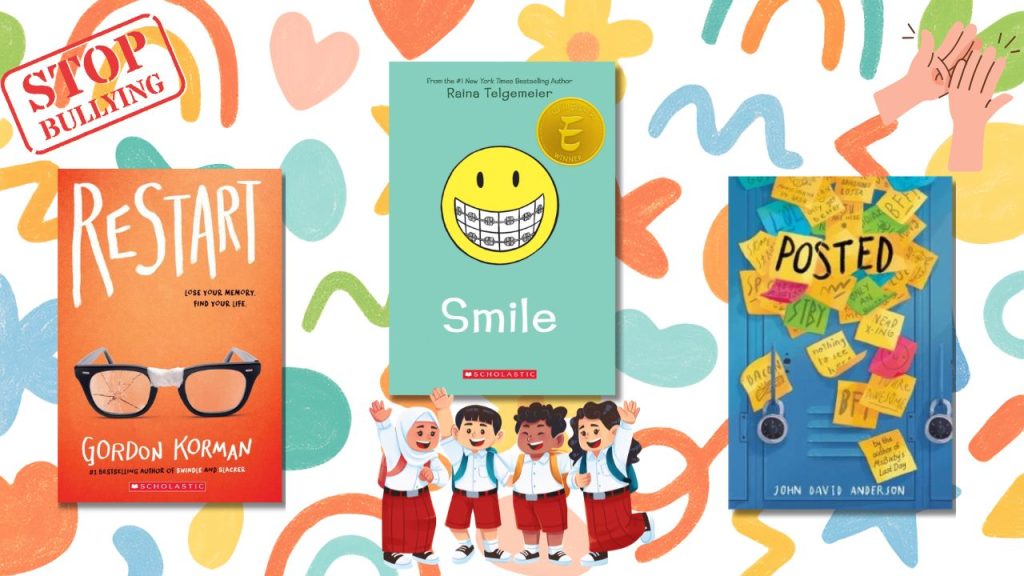
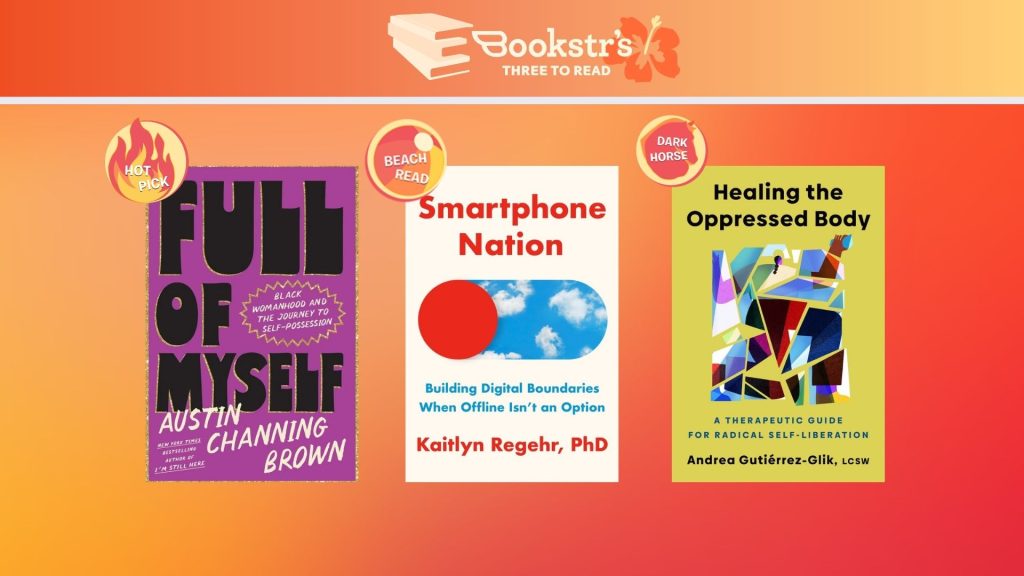

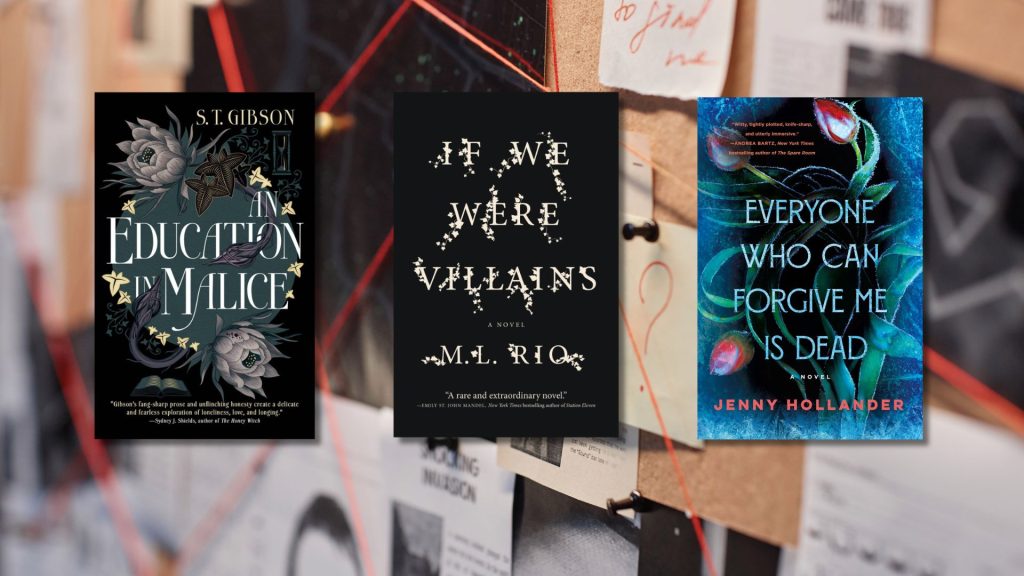
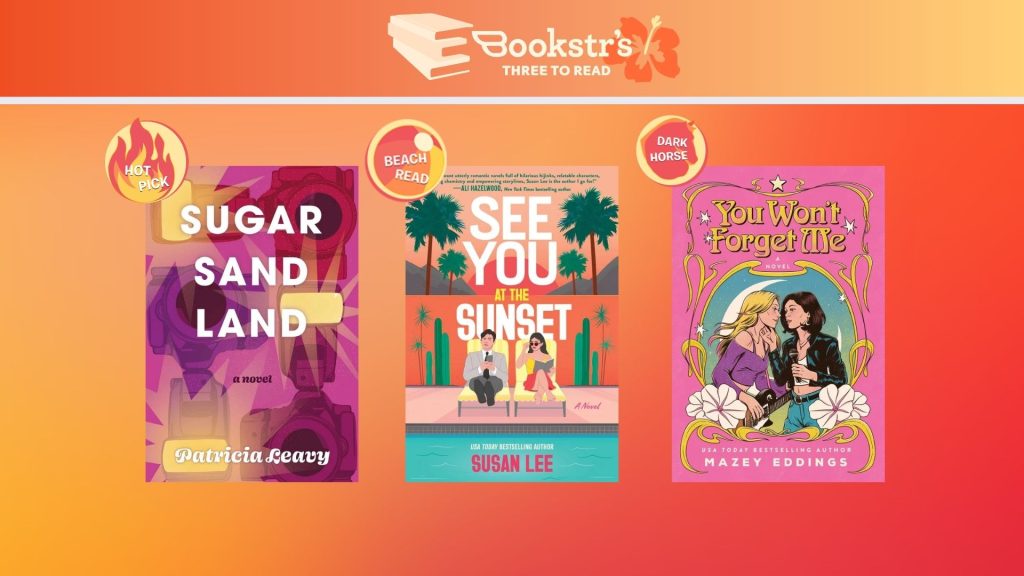


In a perfect world, every book required for every class would be interesting, engaging, and easy to read. Unfortunately, as we all know, school is rarely a perfect world. Between dense and stuffy textbooks, intolerably long essays, and other boring reading material, there is nothing that can kill a love for reading faster than an awful required reading text. While we can’t get you out of your reading assignments, we can give you some fun recommendations to pick up in your downtime. Without further ado, let me introduce to you Bookstr’s reading syllabus! No rhyme, no reason, just straight-up good book vibes. We all have our tastes and preferences, but maybe you’ll find something that sticks out to you.
Much Ado About Nothing by William Shakespeare
Shakespeare is part of every major curriculum, whether in middle school or in university. Sadly, way too often Shakespeare’s educational merit is reduced to his tragedies and histories. A Midsummer Night’s Dream is usually the only comedy to get recognition. By ignoring his prolific and enjoyable comedies, students aren’t getting a holistic view of Shakespeare’s iconic identity as the Bard. Just as I’ve coerced my friends into reading it (they’ve all given stellar reviews), I’d add Much Ado About Nothing to a class reading list.
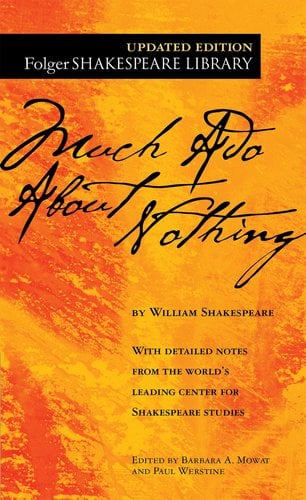
It has hilarious and witty banter between the two protagonists, Beatrice and Benedict. Beatrice is such a biting and independent female heroine that endears herself to a modern audience. The play also utilizes the switching between verse and prose that can raise discussion over the rhetorical meaning behind the two forms. Not only does the play have massive entertainment appeal, but it is steeped in Shakespeare’s literary genius.
– Emma Krul, Editorial
The Hunger Games by Suzanne Collins
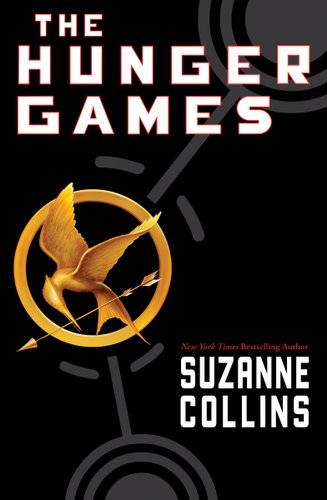
I read this book during my preteen years, and it’s a series that is still at the forefront of my mind even now. The YA dystopian series really struck the balance between creating a future society that was some parts fictional and fanciful but also at its core very believable. The sociopolitical themes discussed in the book are profound and very relevant in today’s society, especially in today’s political climate of capitalism, consumerism, etc. Also, Katniss is just a very strong and well-written character with lots of depth who’s journey I think is worth exploring in the classroom too.
– M.A. Kole, Editorial
From the Desk of Zoe Washington by Janae Marks
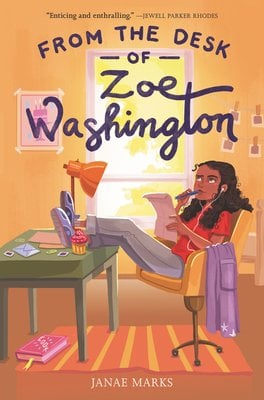
I read this book a few years ago, and I loved it. This book should be required reading because it highlights themes of racial injustice, the criminal justice system, friendship, and family. Zoe is a strong protagonist who knows what she wants and is determined to get it. She does her research on the criminal justice system and learns about the complexities of people. The book is not afraid to show the harsh realities of people who are convicted of crimes they did not commit. The characters are likable, complex, and relatable. This book is important for middle school students to read because of the themes and the relevance that it has on society today. There is also a sequel to this book, which I read, and it is just as good as the first book as it continues the story of Zoe and her determination to do the right thing.
– Molly Ireland, Outreach and Editorial
The Alchemist by Paulo Coelho
The Alchemist is a tale following Santiago, a shepherd from the Andalusia region of Spain, as he goes on a journey to fulfill his personal legend. He is encouraged through dreams, chance encounters, hardships, and what he calls “omens” to follow his heart towards his destiny. And this is not a predetermined destiny written in the sky that he is learning to follow, but a destiny of the heart. As he travels, he makes mistakes, meets wonderful people, is knocked down, and takes months to get himself back into a position where he can continue his journey and learns more about the world than he ever could have learned from just his sheep. Though he does miss them, the simplicity of his life, and wishes more than once that he could just go back to the way things used to be.
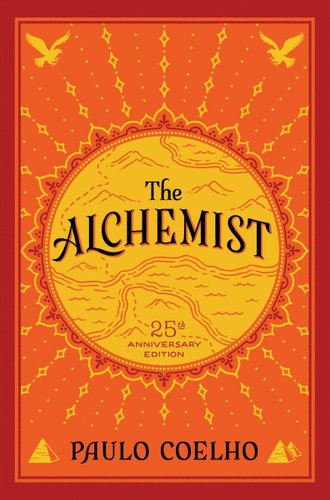
He ends the story as a vastly different person than he was when he began it, and the thematic ending encourages readers to keep an open mind as they navigate this crazy, unexpected life. Ultimately, Coelho urges readers to follow their hearts and to never stop listening to their desires and dreams, because those things are what we really want. But he warns that if you do stop for too long, it will break your heart into silence, and it becomes very hard to reawaken your connection with it. I feel this is a sentiment that everyone needs to absorb deeply if we are to find happiness and fulfillment in this life.
– Orianna McDavid, Editorial
Persepolis by Marjane Satrapi
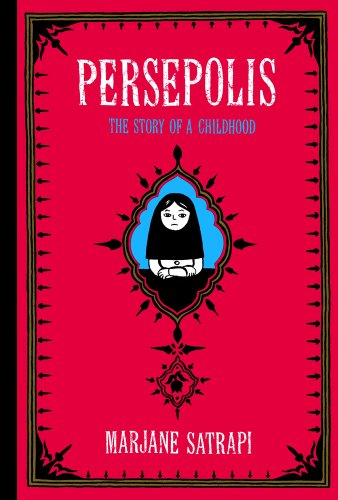
Before reading this graphic novel, I had very little knowledge about any world politics besides that of the United States. Through reading this autobiographical comic, I got to learn about the Islamic Revolution in Iran and the consequences of the United States’ involvement in other countries for oil money. The story follows a young Marji as she navigates the world in Tehran, Iran, as the government increasingly restricts the freedom of women.
– Danielle Klott, Video
Babel by R.F. Kuang

Babel is a tough read for several reasons but is also a necessary one. It’s set in an alternative version of history, where the British Empire uses magical silver to extend its empire. We follow Robin Swift, a Chinese boy who is taken in by a wealthy, white British man and is groomed to be a scholar at Oxford University’s Royal Institute of Translation, otherwise known as Babel. The book deals with several serious topics: colonization, racism, and sexism, just to name a few. But what makes this book required reading for me is the emphasis it puts on language, words, and translation as a tool of colonial power. Babel helps the British Empire colonize by wielding language and translations as a weapon that snuffs out the empire’s opposers. But, as those who read Babel will see, language can also be a powerful tool of colonial resistance.
– Abby Caswell, Editorial
What do you think of our picks? Is there a book you would make required reading? Let us know on Facebook, Instagram, or X!
Looking for more bookish opinions? Try this article!
Find these books and more recommendations from the Bookstr team on Bookstr’s Bookshop!