
















As the James Webb Space Telescope navigates our ever-expanding galaxy, it leaves us feeling humbled. During its expedition, a new moon was found orbiting Uranus. This intriguing find sparks curiosity as we explore past the furthest realms we once thought possible. Join us as we explore the discovery of this new moon and delve into thought-provoking space science books that will deepen our understanding of our place in this vast universe.
A team led by the Southwest Research Institute (SwRI) has detected a new moon orbiting Uranus. This discovery, awaiting peer review, expands the planet’s known satellite family from 28 to 29. Lead Scientist Maryame El Moutamid, based in Boulder, Colorado, says, “It’s a small moon but a significant discovery, which is something that NASA’s Voyager 2 spacecraft didn’t see during its flyby nearly 40 years ago,” when discussing the long-exposure images captured by the Near-Infrared Camera.
None of the other planets in our solar system has as many small inner moons as Uranus. When taken into consideration with its rings, Matthew Tiscareno of the SETI Institute in Mountain View, California, says it is “likely that even more complexity remains to be discovered.” The moon, provisionally named S/2025 U1, is estimated to be six miles in diameter. “It’s like you are staring into a headlamp and looking for a nearby gnat,” says Mark Showalter, also from the SETI Institute. In celebration of this celestial finding, readers can look to books written by astrophysicists, scientists, and professors across the world.
Pillars of Creation: How the James Webb Telescope Unlocked the Secrets of the Cosmos by Richard Panek
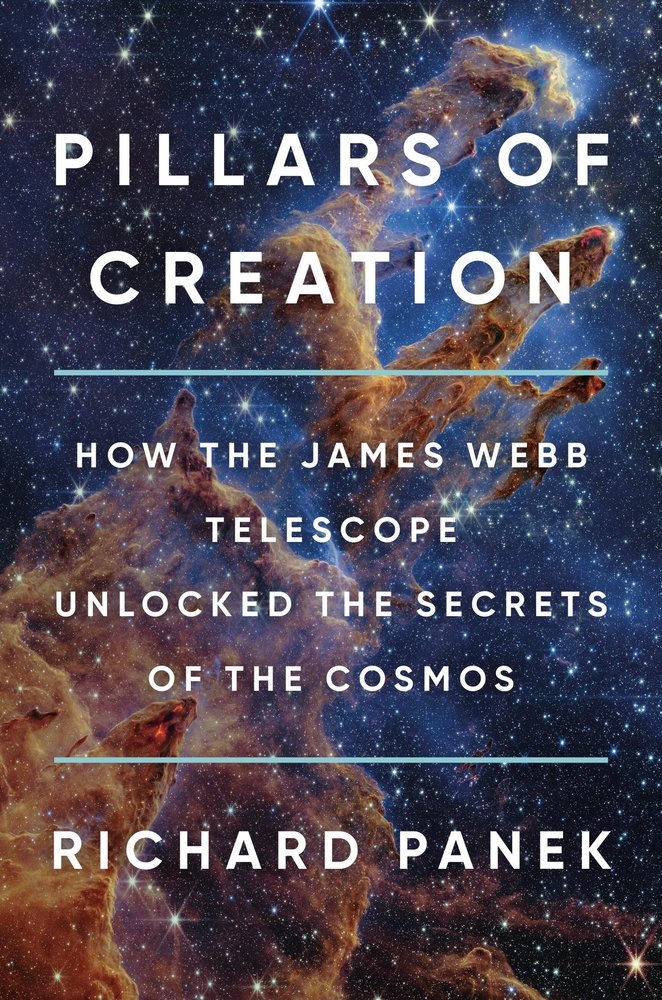
Panek’s eye-opening book takes readers through the creation of the James Webb telescope from conception to launch and beyond. Drawing on the dedication of scientists, engineers, and astronomers, readers gain insight into the construction of space telescopes. The book includes failures in budgeting and time constraints, as well as the enthusiasm for space exploration. Complete with 16 full-color photos, the book shows how and why the Webb telescope has captured the world’s attention. A great addition to your TBR as the Webb Telescope continues to explore deep space, Pillars of Creation doesn’t regurgitate old information in a new way, but tells a new story.
Our Moon: How Earth’s Celestial Companion Transformed the Planet, Guided Evolution, and Made Us Who We Are by Rebecca Boyle
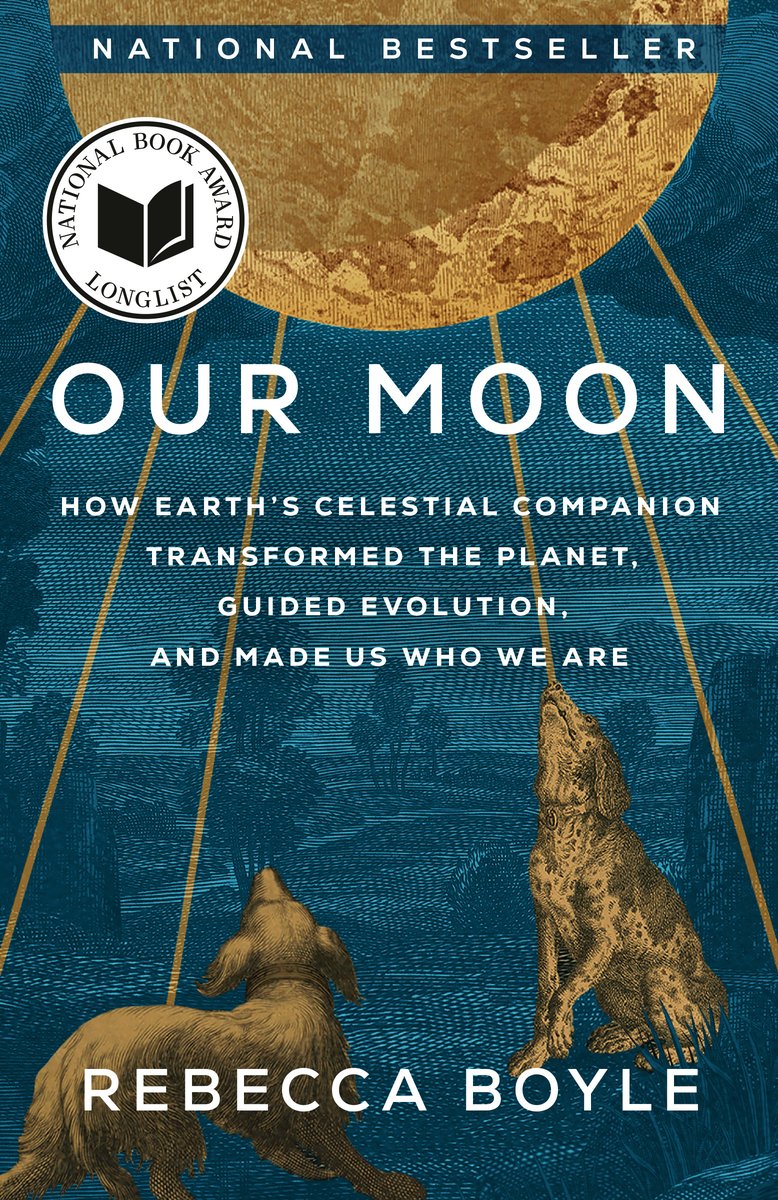
As new moons are discovered on other planets, we can examine the relationship between our own moon and us. Scientist Rebecca Boyle takes readers to the moon and back with this intimate look at the relationship between the two celestial bodies. The changing of the tide, reliable seasonal changes, and the original calendar our moon has had a greater impact on Earth than we think about in our daily lives. In a mixture of new information and old, readers can gain a comprehensive understanding of the history of our moon, the science that evolved alongside it, and how it has led to the space exploration we see today.
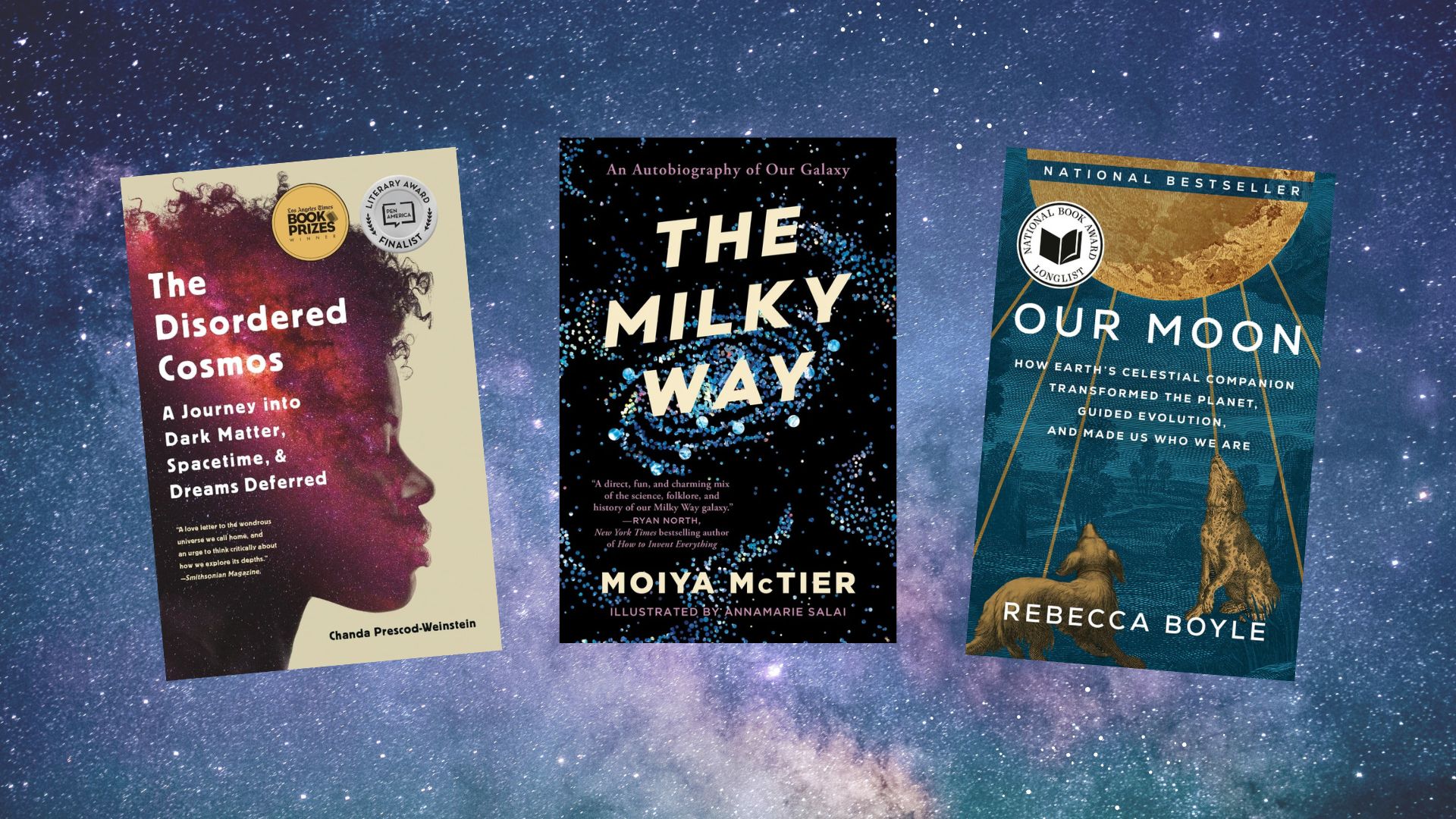
The Milky Way: An Autobiography of Our Galaxy by Moiya McTier
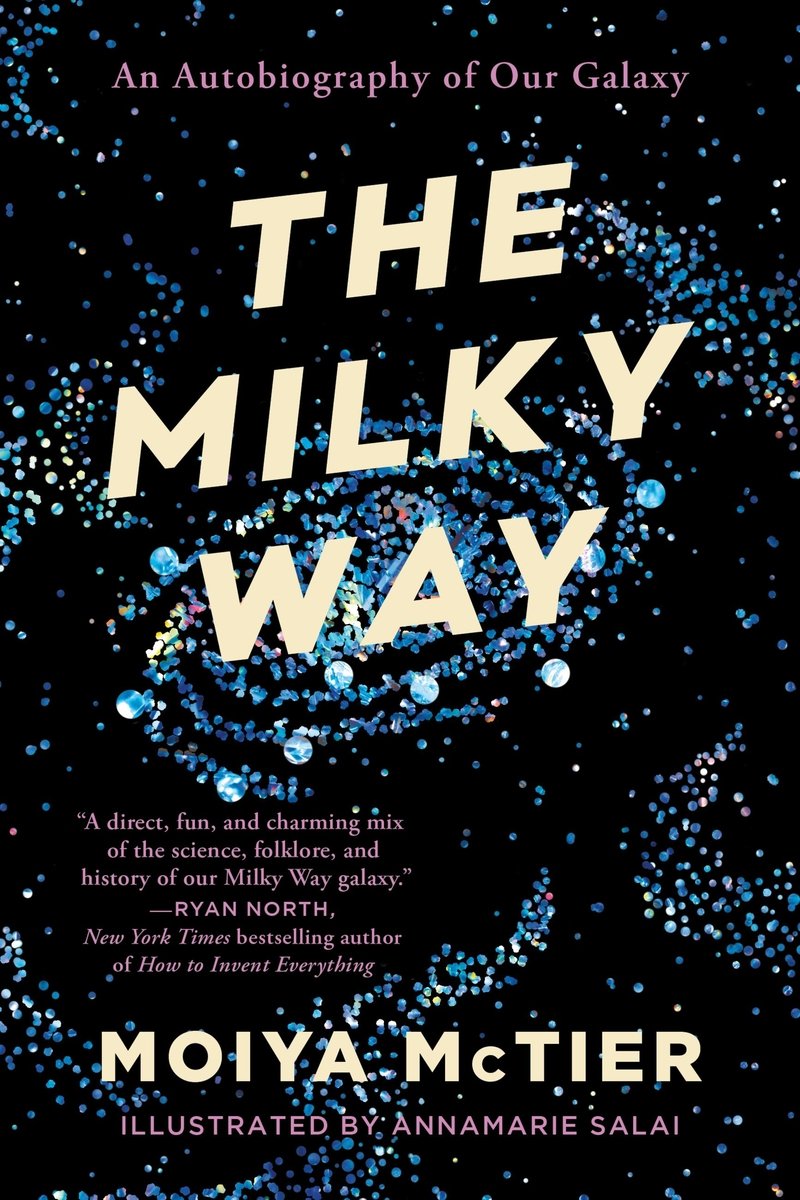
Moiya McTier, an astrophysicist and folklorist, anthropomorphizes the Milky Way, telling the story from the universe’s formation to the way scientists speculate it may end. The somewhat prickly narrator, The Milky Way, watches as humans on Earth give it a name and galactic archaeologists work to determine its true age (rude). As an experienced and long-lived galaxy, it finally thinks it’s time to tell its own story. A blend of science and folklore, readers will enjoy an overview of our galaxy in a fun and accessible way.
The Disordered Cosmos: A Journey into Dark Matter, Spacetime, and Dreams Deferred by Chanda Prescod-Weinstein
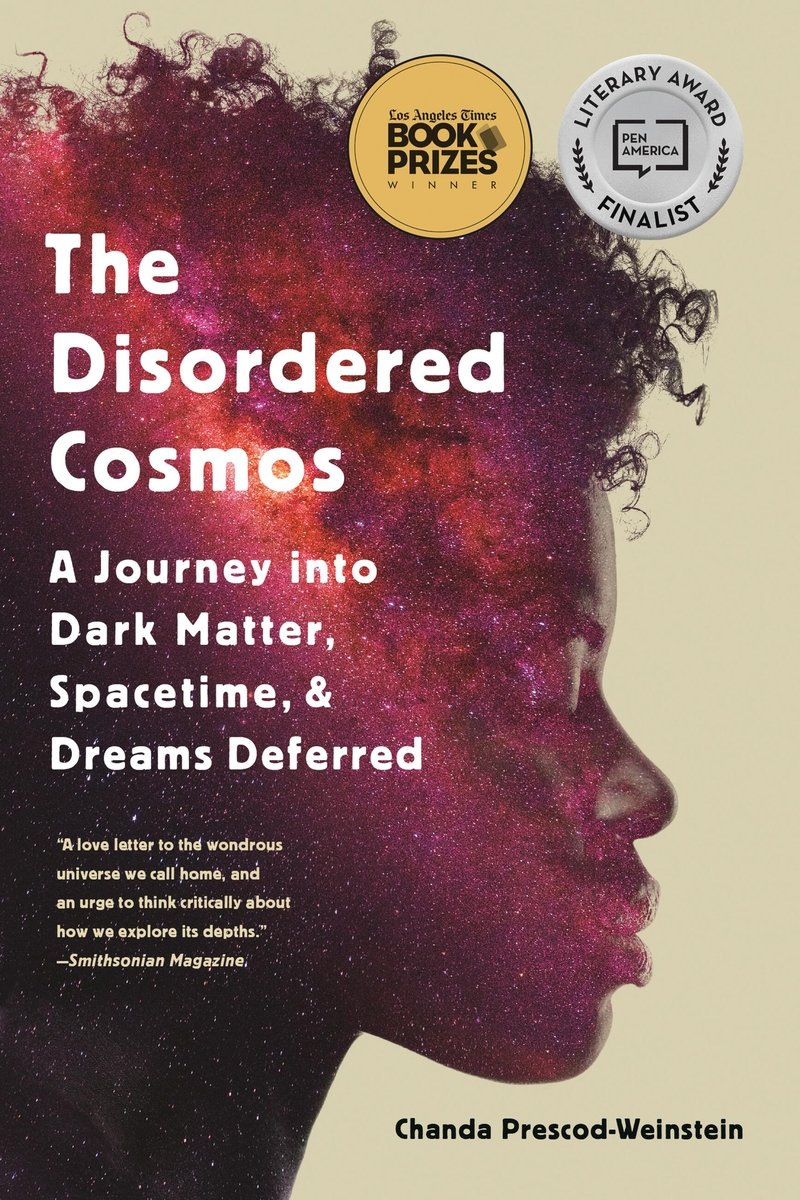
Theoretical physicist Chanda Prescod-Weinstein brings physics and society together in her thought-provoking book. Dr. Prescod-Weinstein shares a series of essays discussing her love of physics and what lies beyond it, from the physics of melanin in skin to the latest theories of dark matter. Beyond physics, Dr. Prescod-Weinstein draws connections from her intersectionality as a queer, Black, Jewish woman in the field, exploring how racism and sexism impact the sciences. Readers are urged to know and love the night sky, especially in a world where racism and misogyny run rampant.
Ripples on the Cosmic Ocean: An Environmental History of Our Place in the Solar System by Dagomar deGroot
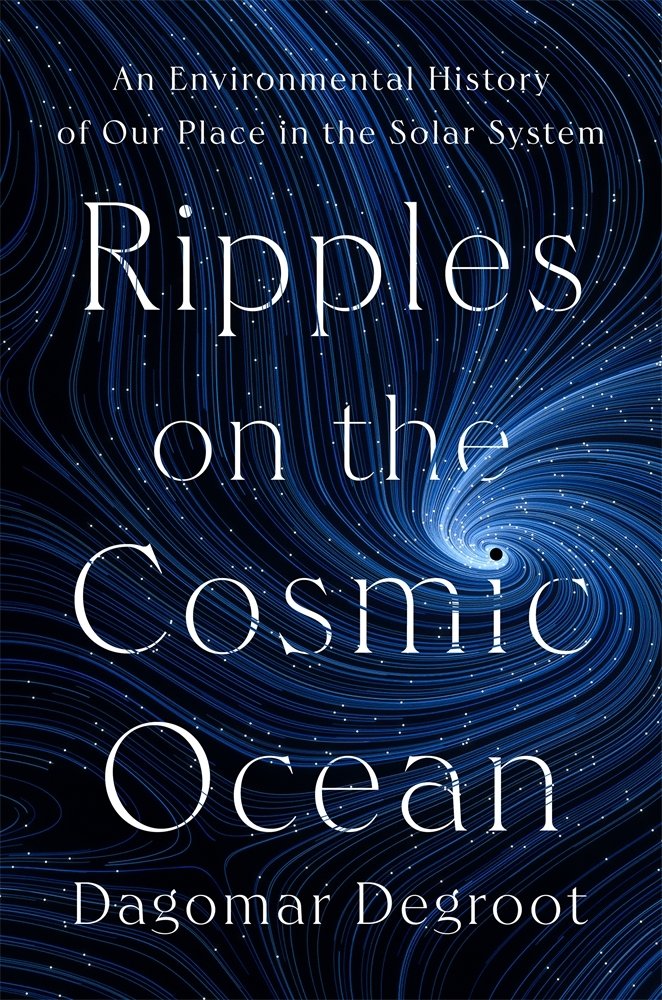
Secure your pre-order for deGroot’s second book, which examines how dynamic environments across the Solar System have profoundly influenced human history over the last five centuries. Space has much to offer humans, from inspiring new technology to influencing culture. deGroot discusses how Martian dust storms altered the trajectory of the Cold War, Jupiter’s impact from a comet led to a planetary defense strategy, and Venus’s volcanic eruptions sparked creative ideas for dealing with climate change on Earth. Combining science and history, deGroot knows how to entertain and educate.
If you’ve ever looked up at the night sky and pondered your place in the universe, you are not alone. Many seek to deepen their understanding of the fascinating universe in which we are a part. With this list, you are sure to find a book to expand your astrophysical knowledge. We’d love to hear which book you’re adding to your TBR list; tell us on social media!
Blast off with 11 Outstanding Space Books to Celebrate the First Moon Landing!
Find these books and more on our Non-Fiction Titles for the Enlightened Mind bookshelf on Bookshop.org.