


















Irish mythology and folklore are wide and varied in depicting magical beings. From banshees who are omens of death to leprechauns who mischievously leave little pots of gold where they go, Irish fairies could be anything. If you want to learn a few lesser-known stories, jump into these fairy legends!
The Fairy Doctress by Lady Wilde
Fairies can be anything, even doctors. In The Fairy Doctress by Lady Wilde, there is a renowned and powerful doctor. She could heal all diseases with her special herb medicine, as long as they were kept hidden and secret. Once, a man visits her after breaking his leg. He had fallen after angering fairies for trespassing on their dwelling, and they struck him. But, luckily for him, the fairy doctor was stronger than the fairies who wounded him.

She gave him a salve and potion to use for three days, and if he followed her instructions, he would be healed. The story follows the classic example of fairy doctors, typically women, who have been given power to practice in secret. They also all seem to know who and when their next patients will come, as they are always expecting them. As long as they follow their conditions, they can retain their power to continue healing.
Changeling Fairies
Oftentimes, Irish fairies are not kind beings. One such foe is a changeling. These fairies are put in place of a kidnapped human — who is often a fair-looking child. The changeling could be an old fairy, promised a good end to their life, or one sent to spy on humans, and their evil can be snuffed out in a variety of ways.
We daren’t go a-hunting
William Allingham, The Fairies
For fear of little men;
Wee folk, good folk,
Trooping all together;
Green jacket, red cap,
And white owl’s feather!
The Brewery of Eggshells by T. Crofton Croker
In this legend, a woman named Mrs. Sullivan finds her blue-eyed son shriveled and crying in his cradle. This was a tell-tale sign he was fairy-struck (the term for being a changeling). Mrs. Sullivan knew the necessary thing was to kill the fairy boy, but she couldn’t bring herself to do it.
Luckily, she meets a cunning woman who is well-versed in how to deal with fairies. The woman, named Ellen Leah, tells her that in order to get her son back, she needs to brew eggshells. Specifically, she needs to boil a large pot and take a dozen newly-laid eggs, discard the eggs, and only boil the shells. This will reveal the fairy, and then she can use a hot iron poker to finish off the being.
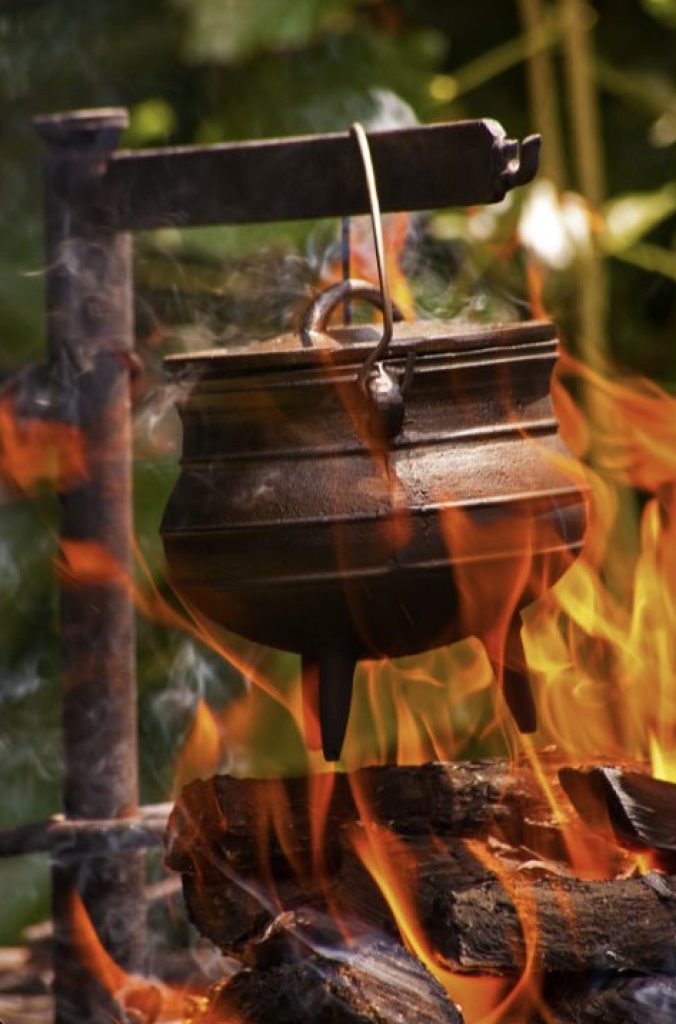
Mrs. Sullivan goes home to follow the instructions of Ellen Leah, and is almost certain now that her son is a changeling. When she begins boiling the eggshells, he asks her in an old man’s voice what she is doing. After constant pestering from him, she finally reveals that what she is brewing in the pot is eggshells. This is the pivotal moment where he reveals himself:
I’m fifteen hundred years in the world and never have I seen a brewery of eggshells before!
T. Crofton Croker Rolleston, The Brewery of Eggshells
Mrs. Sullivan then takes this opportunity to strike. She aims to throw the red-hot poker, but it flies out of her hand after she trips and falls. When she gets up, she discovers her real baby boy sleeping soundly in his cradle.
The Spell-Struck By T.W. Rolleston
Perhaps more in-line with the ethereal fairies we know and love, are the class of fairies dubbed the trooping fairies. These are the ones who dance and sing and party their way through the world. They have festivals, such as lighting bonfires on Midsummer’s Eve, and stealing pretty women to be their wives. One story of a trooping fairy comes from Thomas William Hazen Rolleston. The poem, The Spell-Struck, imagines a summertime being.

She spends her months dancing, feasting, and enjoying the vast amounts of fairy pleasures. However, summer does not last forever. The fairy finds herself walking alone, moving as if she were dancing, in the middle of autumn. She tries to remember the joy of the fairy music and food, but it brings her no comfort. Instead, she succumbs to the cold November air, and dies at the end of the poem.
But oh, to hear again
T.W. Rolleston, The Spell-Struck
The sound that held her breathless
Upon her moonlit path—
The golden fairy music
That filled the lonely rath!
It is a short piece but an incredibly famous poem from T.W. Rolleston that encapsulates the beautiful yet tragic nature of Irish folklore.
The Beauty of Mythology
Of course, there is an incredible amount of Irish folklore to read and enjoy. These legends and many more can be found in A Treasury of Irish Fairy and Folk Tales, but many are also accessible online! The beauty of mythology is that it exists everywhere. Whether you are looking for a quick tale, something cautionary, or simply beautiful, these legends are meant to be shared.
Looking to read some fairytales in more depth? Check out retold fairytales here!
Be sure to expand your list of mythical novels with these cultural myths and legends.
