
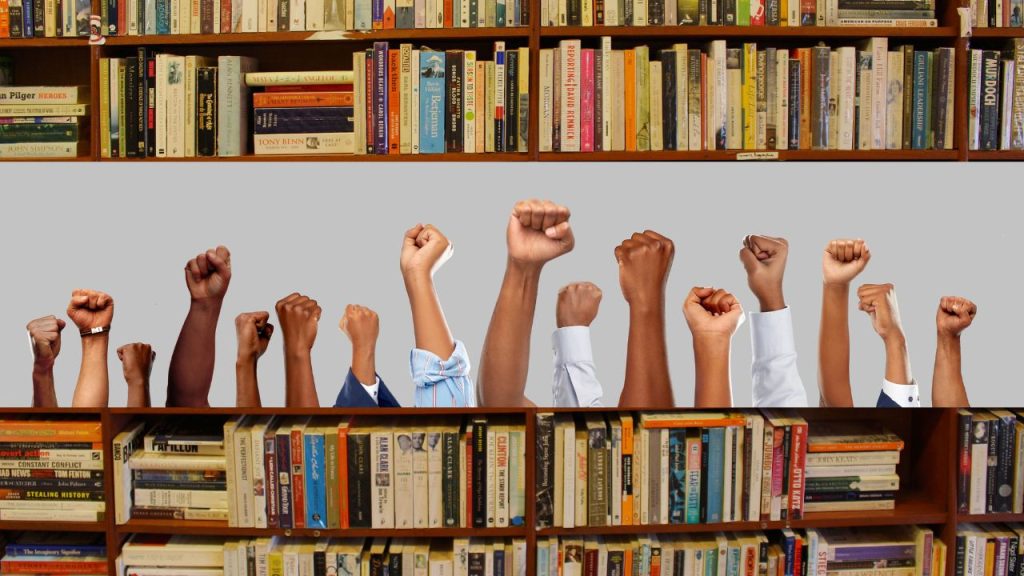


The power of dystopian fiction is that it creates worlds that closely mirror our own and speculates on where these worlds and systems may go wrong. Often, dystopian fiction highlights and, in some cases, even predicts how our own society could fail us, warning against the dangers of censorship and government control. It keeps us aware. Through dystopian worlds, we learn to think critically.
This is why these books are so incredibly important to maintaining a free-thinking society. So do your homework! Here we have ten absolute must-read books that deal with information censorship in dystopian worlds that seem to mirror our own closely.
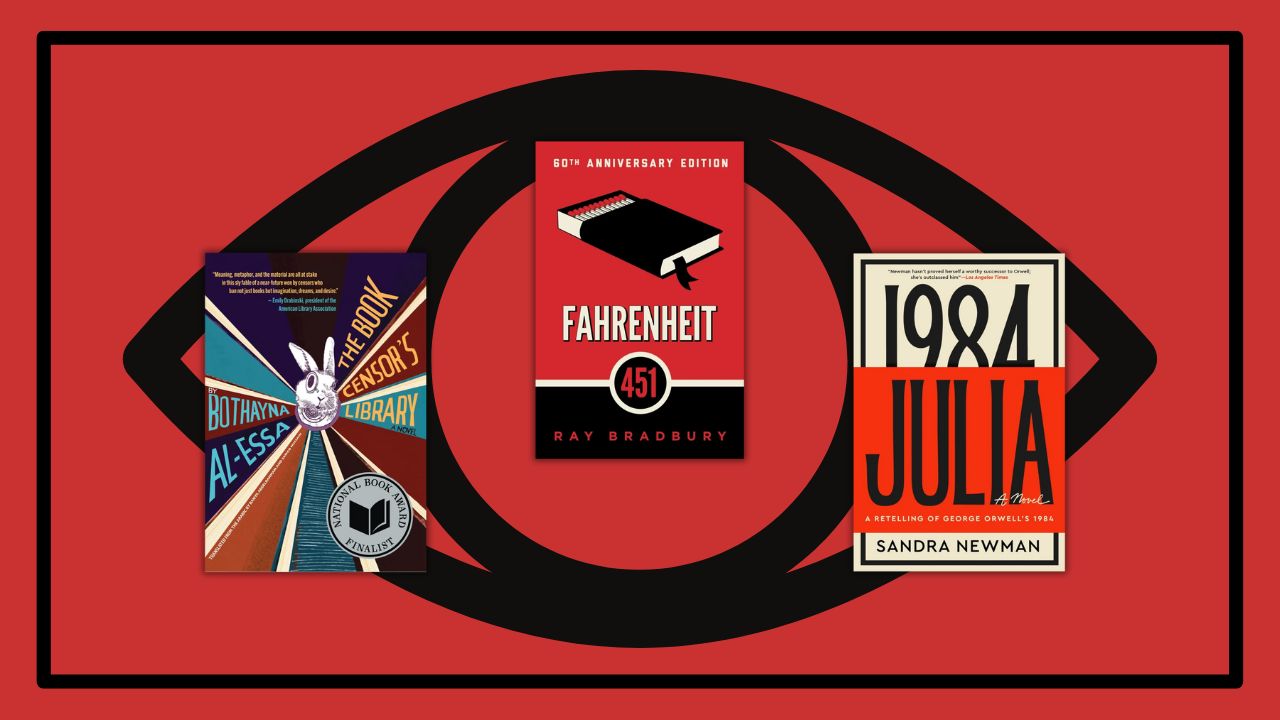
1984 by George Orwell
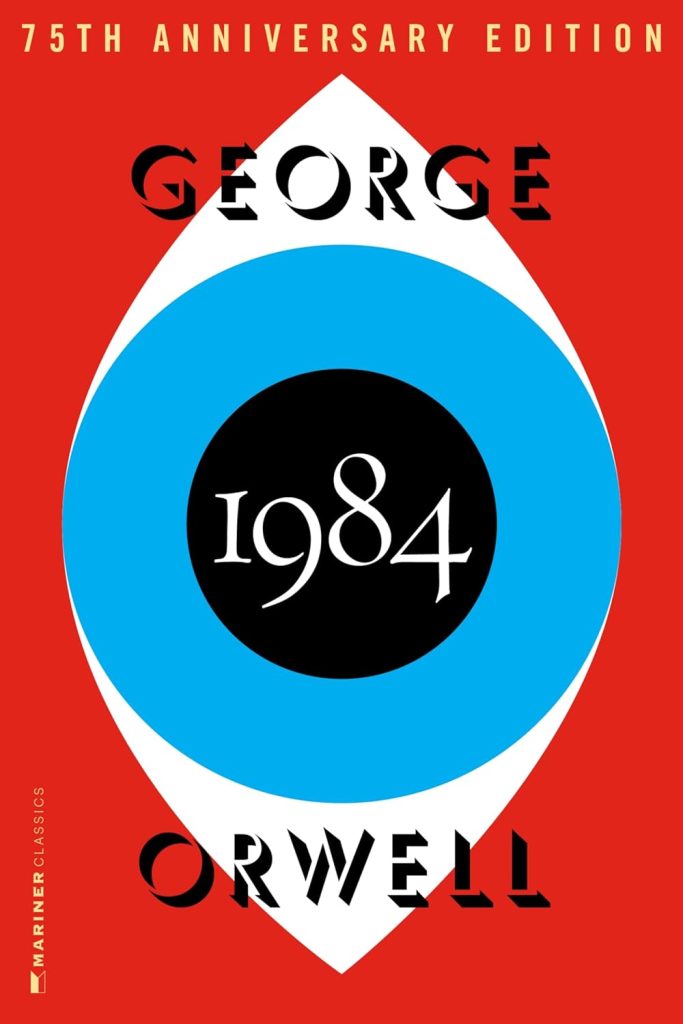
1984 is probably the first thing that most people think of when considering dystopian fiction that deals with censorship, and rightfully so. In 1984, George Orwell created a totalitarian government where censorship is the name of the game. Led by Big Brother, an all-seeing leader who is always watching, and controlled by the Thought Police who constantly monitor every thought and action of the citizens, the government has complete control over the information and thoughts of its citizens. The story follows a man, Winston Smith, as he begins to see life as it really is and goes against the tide, sneaking around, questioning things, and becoming desperate for any bit of privacy he can get.
Julia by Sandra Newman
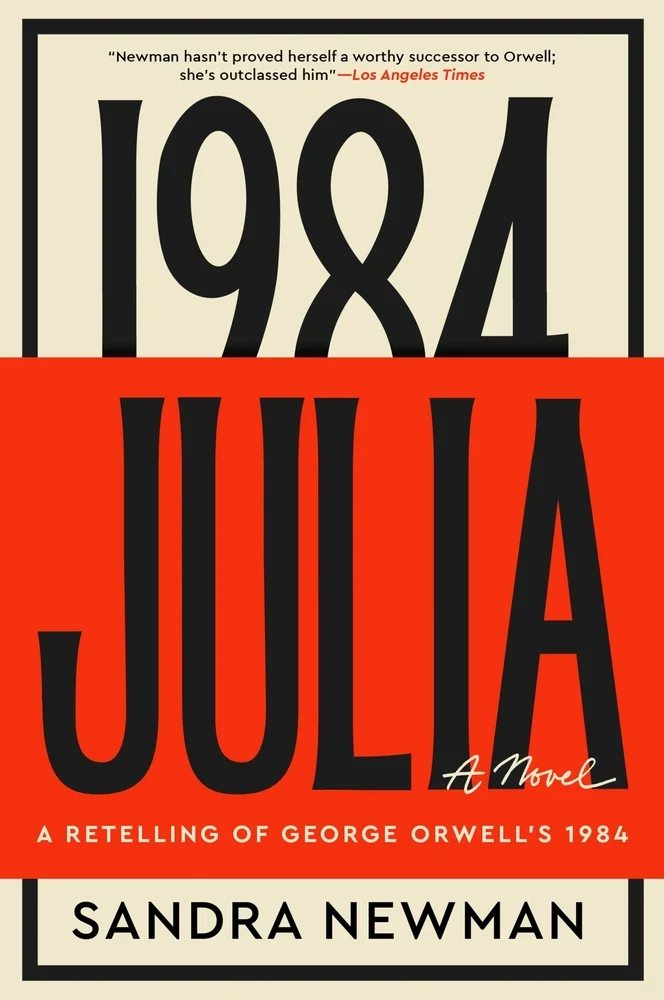
Sandra Newman brings a new take on this classic tale of censorship at a time when we have never needed it more. Julia is a feminist retelling of Orwell’s 1984, told from the perspective of Julia, Winston Smith’s lover. Julia’s story sheds light on some of the decisions made in 1984, while also showing both Julia and other characters in a new and unexpected way. It brings elements of the contemporary atmosphere into the world of 1984, making the story as relevant today as it was when it was first published. Remaking the story of 1984 for the new age.
Ella Minnow Pea by Mark Dunn
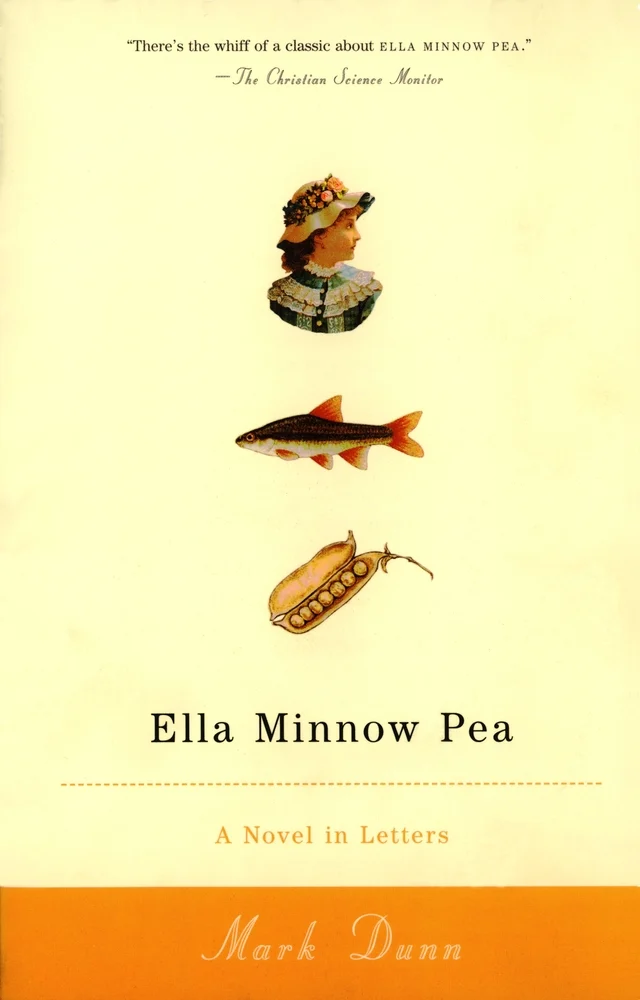
Ella Minnow Pea is an incredibly creative and thought-provoking take on information censorship, told in a literary fashion that utilizes censorship as a narrative device. Ella Minnow Pea is an epistolary novel featuring letters sent from a fictional island, Nollop, off the coast of South Carolina, where an entirely new civilization has been formed around the historical figure Nevin Nollop, who wrote a sentence including every letter in the alphabet. However, as the statue of Nevin Nollop’s honored sentence ages, select letters begin to fall off, creating an outcry as the totalitarian island Council bans the use of the fallen letters. It is an imaginative story that plays with phonetics and linguistics while making a statement on censorship and control.
The Giver by Lois Lowry
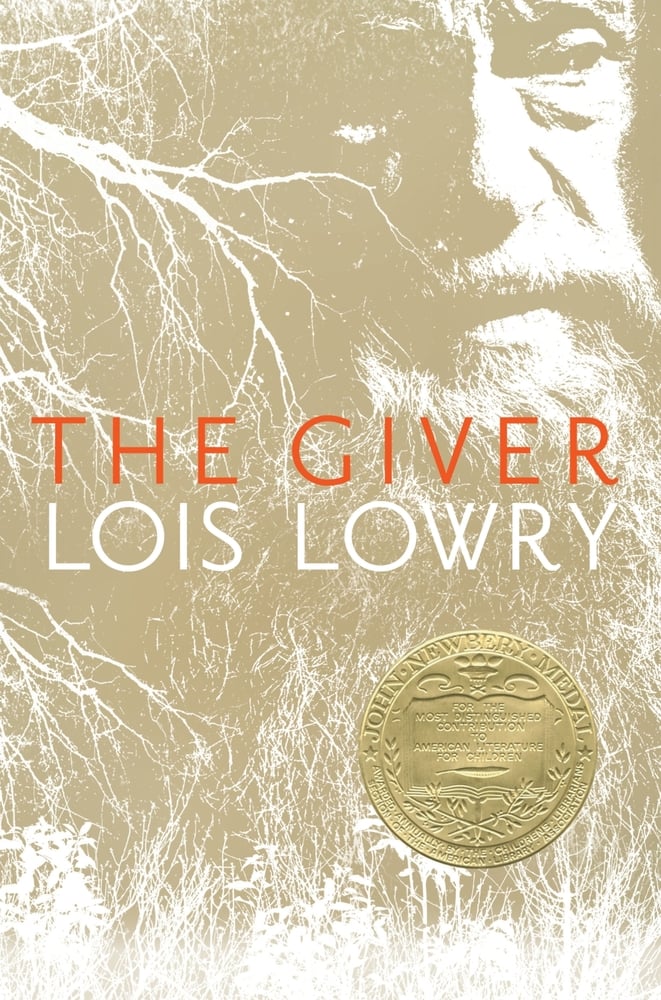
The Giver is a classic dystopian novel that creates a world in which everything is incredibly structured and controlled. The people go along easily, governed strictly, and everything is assigned, be it your family, partner, or life role. At the age of 12, Jonas receives his life assignment as the Receiver of Memory, an incredibly mysterious role, and suddenly, Jonas’ life becomes different from everyone else he knows. He alone becomes the recipient of a lost history of information, memories, and emotions, and he comes to realize the many secrets of this seemingly perfect community.
The Memory Police by Yoko Ogawa
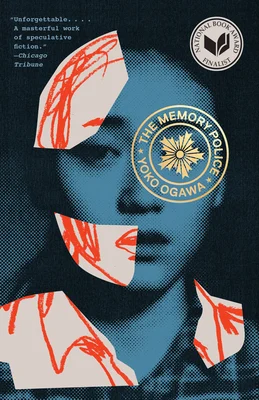
The Memory Police, by Japanese author Yoko Ogawa, explores government surveillance and censorship, and the importance of memory in who we are as a society. The Memory Police control everything; things, animals, even people get lost or go missing and are forgotten by everyone. The story follows a novelist who hopes to save her editor, who is in danger of being taken by the Memory Police. She hides her editor, and together they secretly work to preserve their memory so that it cannot be taken from them.
Fahrenheit 451 by Ray Bradbury
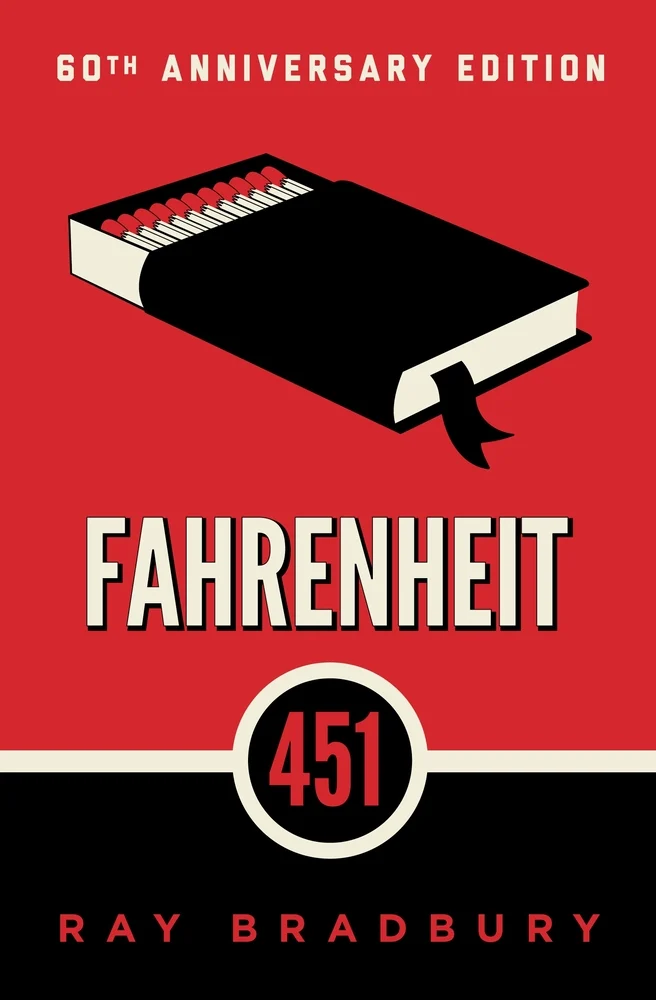
Fahrenheit 451 is another classic dystopian novel that has profoundly influenced the way we perceive censorship. It follows Guy Montag, a fireman tasked with ensuring the destruction of books and the places that house them. He is content with his life and his work until he meets his neighbor, Clarisse, who teaches him about the power of knowledge and ideas provided by books, and he begins to question what he has been taught entirely. This is an incredibly relevant story that teaches how much power reading and thinking for yourself truly can have.
The Book Censor’s Library by Bothayna Al-Essa
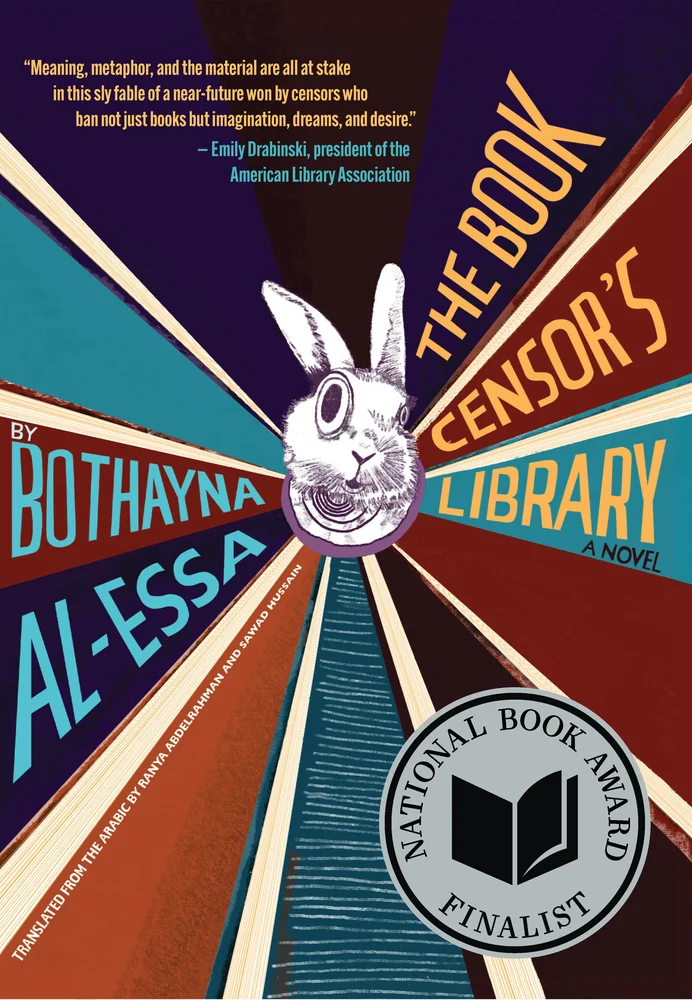
The Book Censor’s Library by Bothayna Al-Essa is a powerful satire that plays into the sensational, overpowering effect that good books can have on a person. It follows a man tasked with deciding which books are unfit to be published and must be banned. As he reads through the many novels, they begin to pile up in his home and begin to take over his mind. He descends into the world of these banned books and loses himself in the land of stories he aimed to erase.
The Hunger Games by Suzanne Collins
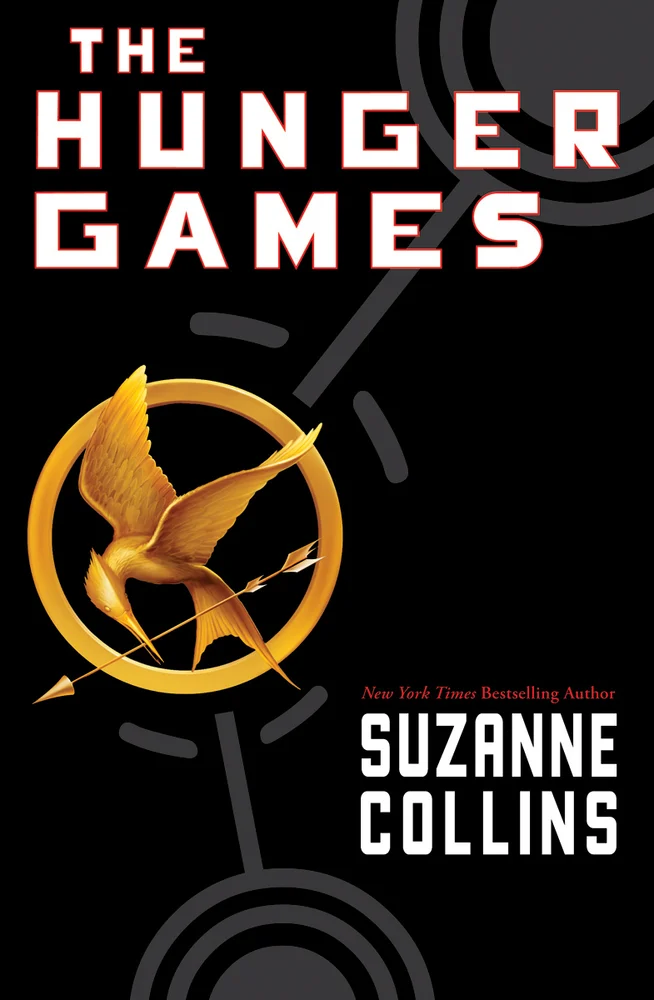
The Hunger Games is a dystopian classic of the 21st century. Suzanne Collins imagines a dystopian society with twelve districts controlled by the Capitol. The citizens are kept apart from one another, except for during the annual Hunger Games, when two children are chosen from each district to come together to fight to the death, where only one victor survives. Katniss Everdeen fights for her life as the District 12 female tribute, and fights against becoming a pawn in someone else’s game in this powerful story of censorship, propaganda, and control.
The Iron Heel by Jack London
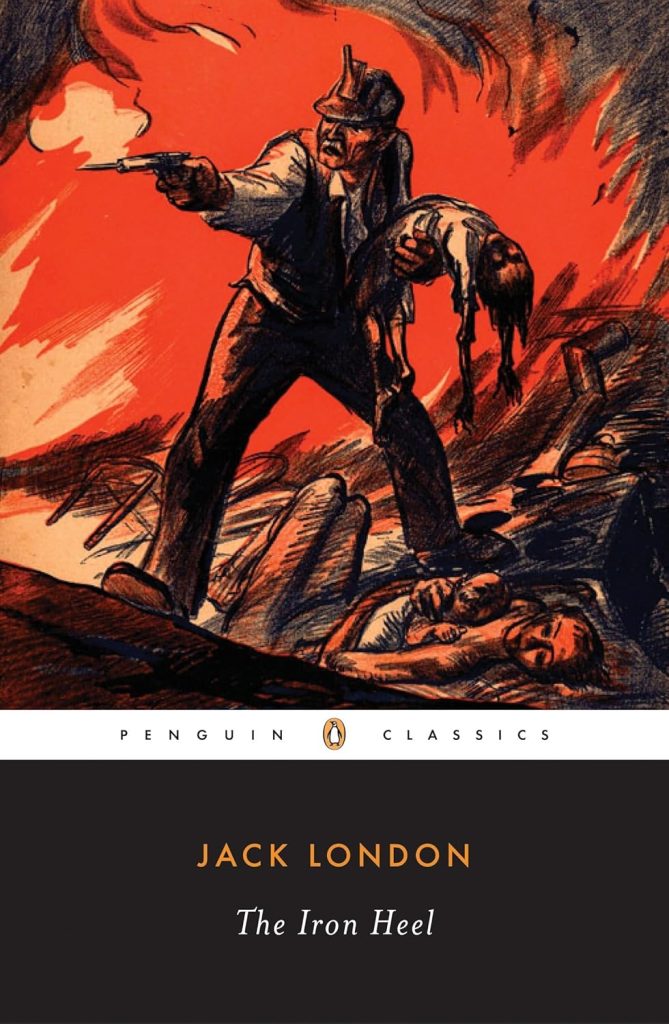
The Iron Heel by Jack London has been credited with inspiring Orwell to pen 1984. It deals with a futuristic United States that has been oligarchic, tyrannical, and overcome by capitalism. Jack London explores his socialist views in the fictional manuscript titled “Everhand Manuscript,” which, in this story, was written long ago and hidden from the public. The manuscript is found in this future dystopia and used to aid with the rise of socialism. This book delves into the politics that have always been at the center of many United States issues throughout history and appears just as relevant today as it was when it was written in 1908.
Ink and Bone by Rachel Caine
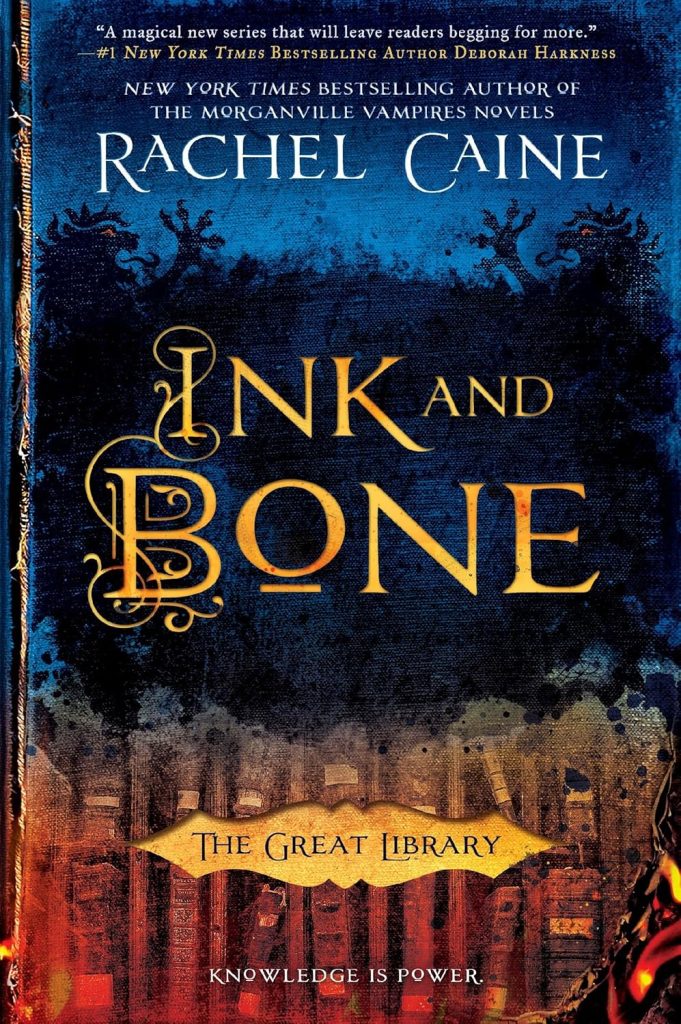
In Ink and Bone, Rachel Caine creates an interesting take on censorship and the power of knowledge. In a city governed by the Great Library, which contains all of the world’s knowledge, creating one source for people to instantly learn from, the personal ownership of books is forbidden. Jess Brightwell comes from a family that attains all of their knowledge through a secret stash of their own book, but now is training to be in the Library’s service. His loyalty is tested as he must decide if he agrees with the Great Library’s extreme stance that knowledge is more valuable than human life.
We hope these recommendations inspired you to read a classic dystopian you have heard of before and maybe even gave you a new one to add to your TBR. Reading banned books and working to understand the cultural context is vital work! We thank you for doing your part in maintaining our free-thinking society.
Want more banned book recommendations? Click here.
Find these books and more on our Banned Books bookshelf on Bookshop.org.