
















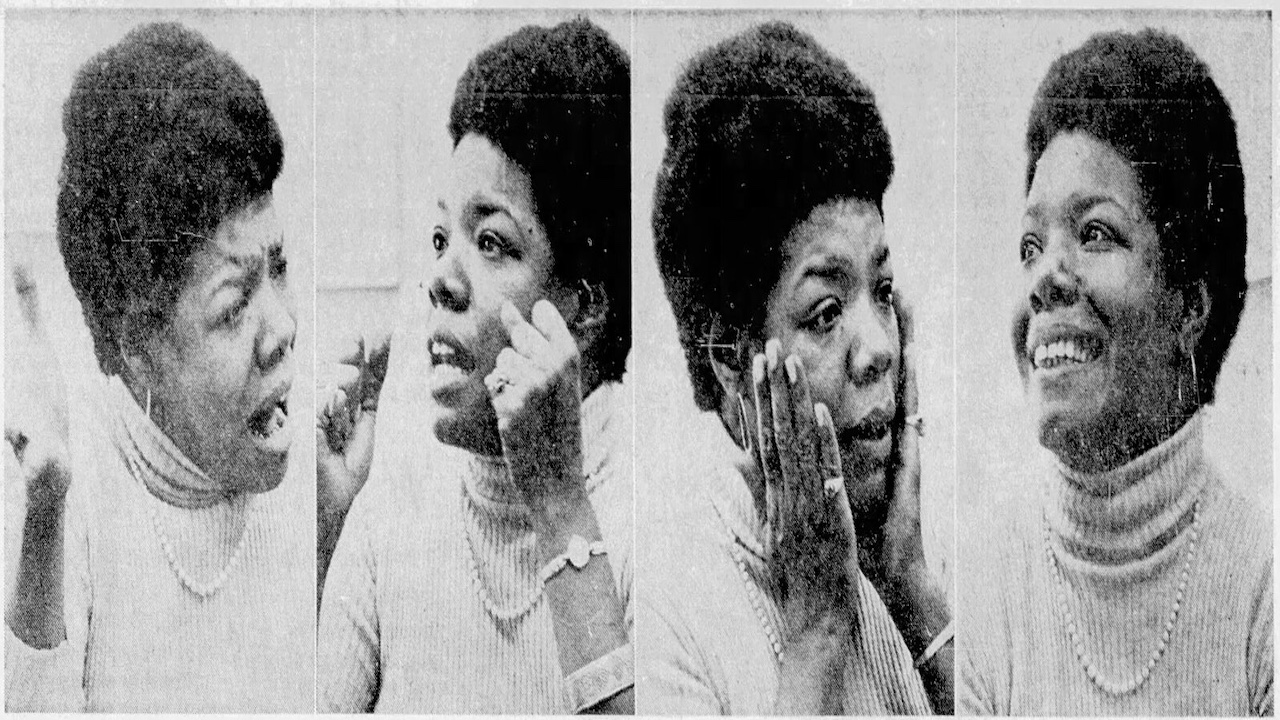
Maya Angelou’s poignant narratives and lyrical poetry resonate deeply, inviting readers to confront the harsh realities of inequality while simultaneously celebrating the strength of the human spirit. Her writings challenge societal norms and inspire social change, making her a pivotal figure in the Civil Rights Movement and a source of inspiration for contemporary writers and activists. As we explore the depth of her influence, it becomes clear that Angelou’s legacy continues to shape discussions around equality and justice, reminding us of the power of words to ignite change.
Trigger Warning: This article and the books within it discuss themes of racism. Please exercise personal care while reading.
I Know Why the Caged Bird Sings by Maya Angelou
I Know Why the Caged Bird Sings, published in 1969, is Maya Angelou’s groundbreaking autobiography that chronicles her early years. This work is significant not only for its candid portrayal of her experiences with racism, trauma, and identity, but also for its literary artistry. Through vivid storytelling and imagery, Angelou invites readers into her world, allowing them to witness the complexities of growing up as a Black girl in the segregated South.
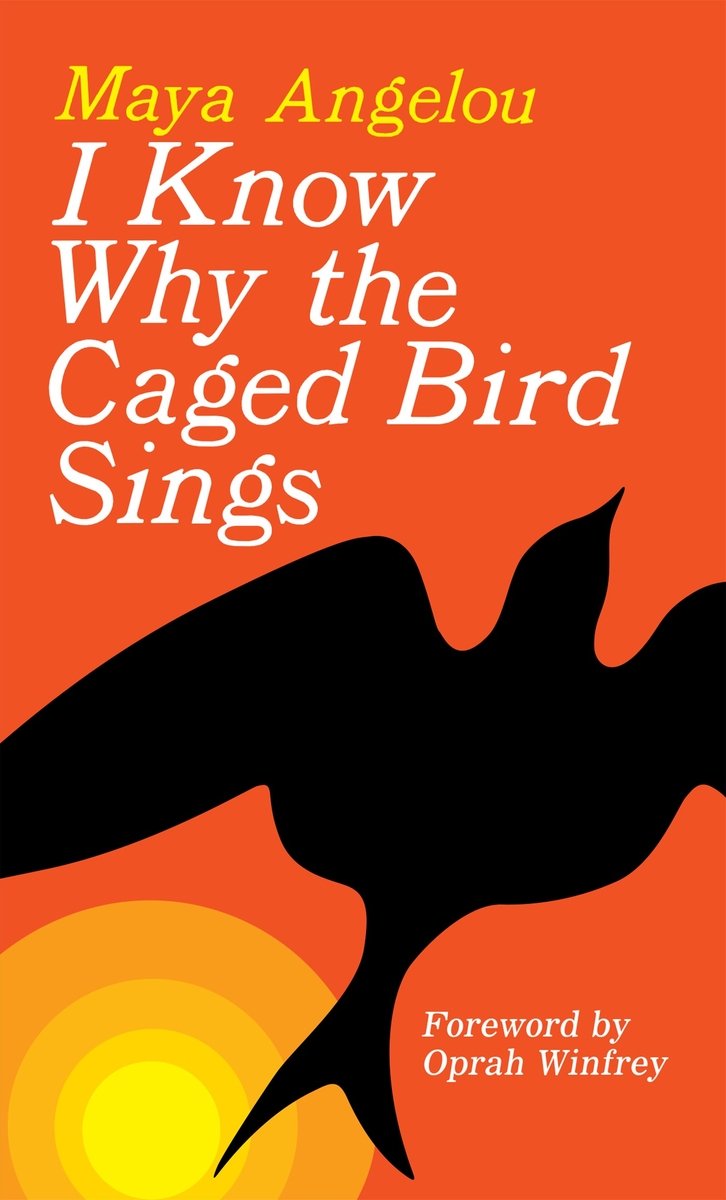
The book addresses themes of resilience and self-discovery, showcasing Angelou’s journey from a childhood of hardship to a young woman who finds her voice. One of the most powerful aspects of the narrative is Angelou’s exploration of the impact of racism on her identity. She illustrates how societal prejudice shapes her experiences and influences her understanding of herself and the world around her. The metaphor of the caged bird, which symbolizes the struggle for freedom and self-expression, resonates throughout, reflecting the broader struggles faced by marginalized communities.
I Know Why the Caged Bird Sings has had a profound impact on literature and society. It was one of the first autobiographies by a Black woman to reach a wide audience, breaking barriers and paving the way for future generations of writers. Angelou’s eloquence and honesty not only inspired readers but also sparked conversations about race, gender, and the importance of storytelling in understanding the human experience. The legacy of this work continues to influence contemporary literature, encouraging writers to embrace their own narratives and advocate for social change.
Maya Angelou’s Involvement in the Civil Rights Movement
Maya Angelou played a significant role in the Civil Rights Movement, aligning herself with key figures and organizations advocating for racial equality. After moving to California, she became involved with the Southern Christian Leadership Conference (SCLC), where she worked closely with Martin Luther King Jr. as the Northern Coordinator. Her dedication to the cause was evident as she organized fundraising events and mobilized support for Civil Rights initiatives.
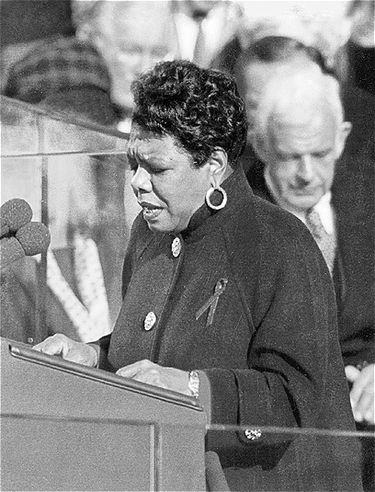
Angelou’s activism was deeply rooted in her belief in the power of words and art to inspire change. She used her voice not only in her writing but also through public speaking and performances to raise awareness about the injustices faced by African Americans.
In addition to her work with the SCLC, Angelou also collaborated with other Civil Rights leaders, including Malcolm X. Although her time with him was brief, their partnership highlighted her commitment to fighting for justice and equality. Through her activism, Angelou became a prominent figure in the movement, using her platform to advocate for the rights of marginalized communities and to inspire others to join the fight for social change.
How Her Activism Reflects in Her Writing
Angelou’s activism is deeply woven into her writing, reflecting her commitment to social justice and equality. Through her personal experiences, Angelou discusses the impact of systemic oppression and the struggle for freedom, using her life story as a powerful testament to the human spirit’s ability to overcome adversity.
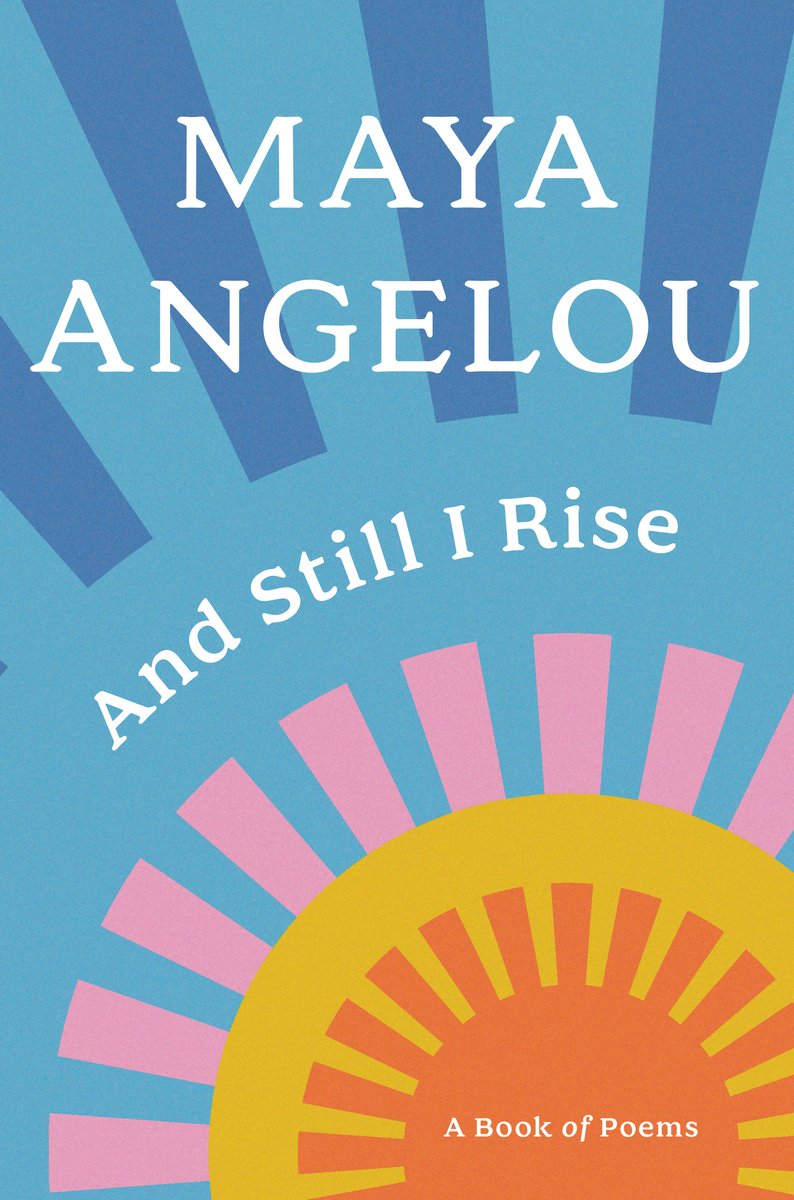
In poems like Still I Rise, Angelou celebrates strength, self-empowerment, and the beauty of Black womanhood. These works not only inspire individuals but also challenge societal norms and expectations, promoting a message of pride and defiance against discrimination.
Angelou’s essays and public speeches often address social issues, advocating for civil rights and equality. She emphasizes the importance of storytelling as a means of resistance and healing, encouraging others to share their narratives. Through her body of work, Angelou’s activism is a driving force, motivating readers to reflect on their roles in the fight for justice and to embrace their own voices in the process.
Influence on Contemporary Writers and Poets
Maya Angelou’s influence on contemporary writers and poets is profound and far-reaching. Her ability to blend personal narrative with broader social themes has inspired countless authors to explore their own identities and experiences in their work. Writers today often cite her as a pivotal figure who opened doors for more diverse voices in literature, encouraging them to tackle issues of race, gender, and social justice.
Angelou’s poetic style, characterized by its lyrical quality and emotional depth, has also left a lasting mark on modern poetry. Her works serve as a model for how personal experiences can resonate universally, motivating new generations of poets to find their own unique voices.

Her emphasis on the importance of storytelling and the healing power of words continues to inspire writers to engage with their communities and advocate for change. Her legacy empowers contemporary authors to not only write for themselves but also for those who may not have a platform, forming a sense of solidarity and activism within the literary world.
Maya Angelou’s Continued Significance
Angelou’s poetry and prose serve as a source of empowerment, inspiring individuals to embrace their identities and advocate for their rights. Her famous lines, filled with strength and defiance, encourage marginalized voices to rise up and share their stories. She transformed her pain into art, showing others that their experiences matter and deserve to be heard.
Maya Angelou’s legacy as a champion for the marginalized continues to resonate today. Her work reminds us of the importance of representation in literature and the power of words to effect change. As contemporary writers and activists carry forward her message, Angelou’s influence remains a guiding light for those seeking justice and equality.
Check out some of Maya Angelou’s most memorable quotes here.
Discover more Black voices in literature by visiting our Diversity bookshelf on Bookshop.org.