








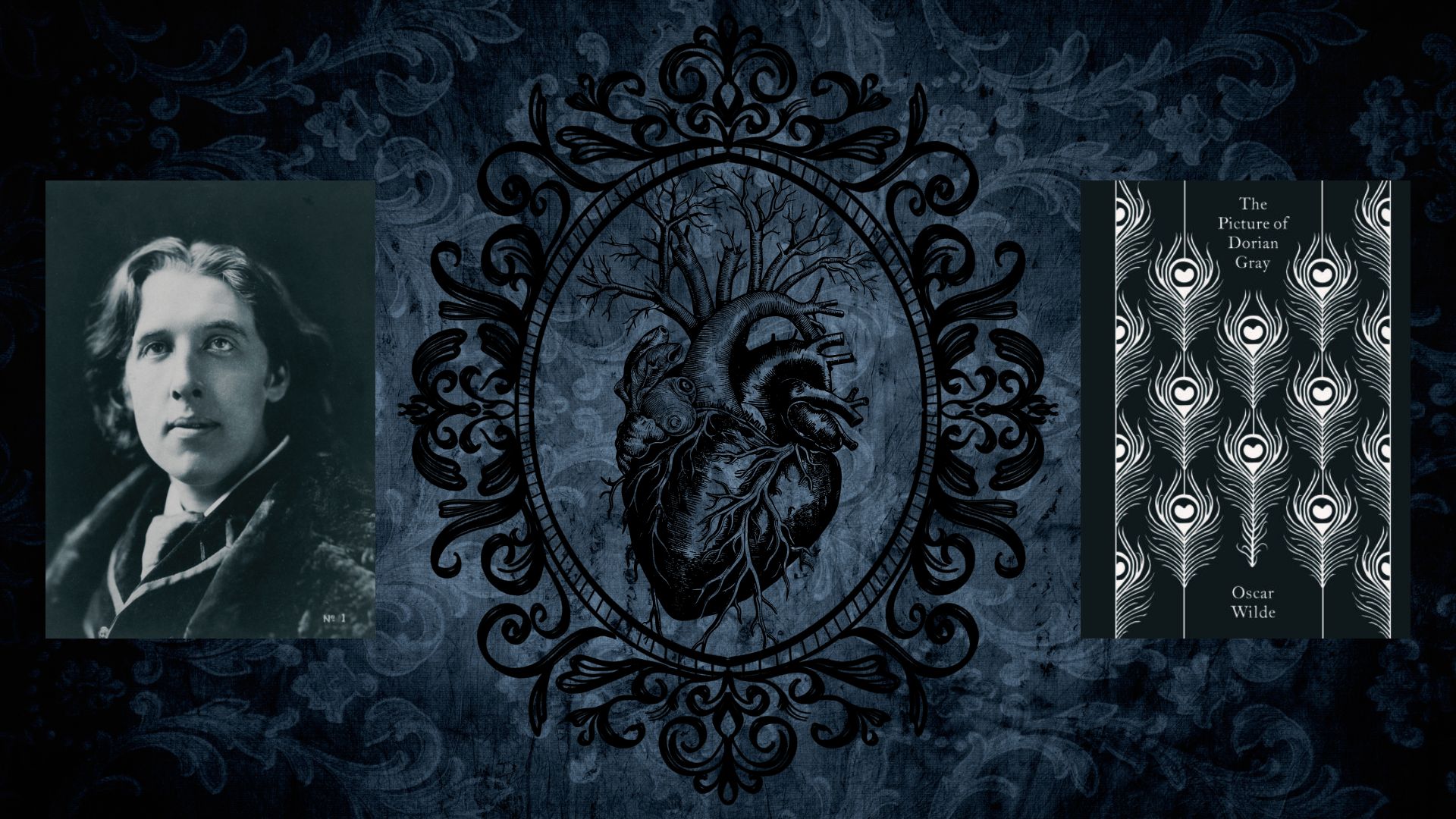
Oscar Wilde was an Irish poet, author, and playwright who is now remembered as one of the most popular and prolific writers from the late 19th century. One of his most famous works is The Picture of Dorian Gray, a quintessentially Victorian Gothic novel that has left an enduring legacy on the literary world. This July 20th marks 135 years since the novel’s initial publication, and what better way to celebrate than with some contemporary retellings, rewrites, and reimaginings!
The Picture of Dorian Gray by Oscar Wilde
The original text tells the story of the aristocratic Dorian Gray, a young, wealthy man who is vainly obsessed with his appearance. Dorian is the adored muse of a prestigious painter named Basil Hallward, who, in the opening chapters of the book, paints a bewitching portrait of Dorian. Upon seeing the finished painting, Dorian wishes that his beautiful portrait would age and deteriorate instead of him, so that he himself was able to stay youthful and attractive forever.
This leads Dorian on a journey of intense moral corruption and decline, being subjected to the bad influence of his hedonistic friend, Lord Henry Wotton, who continually encourages Dorian’s prioritisation of pleasure and vice. The way that Dorian succumbs to self-indulgence and narcissism is reflected in his portrait self — a self that grows horribly aged and monstrous from sinning, whilst Dorian remains perpetually flawless and young. The portrait works as a physical manifestation for Dorian’s internal decay, and it is this that has undoubtedly contributed to the novel’s lasting reputation and fame.

The Picture of Dorian Gray additionally holds a significant, and much-loved, place in LGBTQ+ history and is commonly read as part of the queer literary canon. Often interpreted as a cautionary tale about the consequences of same-sex attraction in a heteronormative world, the book highlights the dangers of revealing one’s authentic identity to others. The novel therefore heavily focalises themes of homoeroticism, societal norms and pressures, as well as broader issues of masculinity too.
The novels compiled here use this important history to bring Dorian (back) to life for modern audiences, and achieve this feat amazingly.
Dorian by Will Self
Dorian by Will Self is a self-proclaimed ‘shameless imitation’ of Oscar Wilde’s original text and reimagines Dorian Gray amongst the bustling milieu of London’s art scene during the 1980s. An era infamously proliferated by drugs, sex, and flagrant decadence, the ‘golden age’ of homosexual liberation (preceding the AIDS epidemic) functions as the backdrop to Dorian’s hedonistic binge of modern-day debauchery.

Here, Andy-Warhol-acolyte Baz Hallward and drug-addicted Henry Wooten stand in for their namesakes of earlier times, whilst the golden Adonis — the once untainted Dorian Gray — remains, at heart, the same. As his friends succumb to venereal disease and physical deterioration from their host of immoral escapades, they begin to wonder how Dorian is able to remain so vibrantly alive and unsullied. This is an absolute must-read for anyone who enjoyed the original novel, and for those who subsequently long to rejoin Oscar Wilde’s infamous cast of characters in a new and profoundly original way.
The Wilde Passions of Dorian Gray by Mitzi Szereto
Heavily inspired by the original author, The Wilde Passions of Dorian Gray by Mitzi Szereto picks up directly from where Oscar Wilde left off — sending readers on a journey with the infamous Faustian man of eternal youth as his hedonistic adventures continue across the globe. Beginning in the bordellos of Jazz-age Paris, moving through the opium dens of Marrakesh, and traversing across the alluring anonymity of South America, Szereto’s Dorian is an endless pursuer of carnal sensation, thrill, and desire.
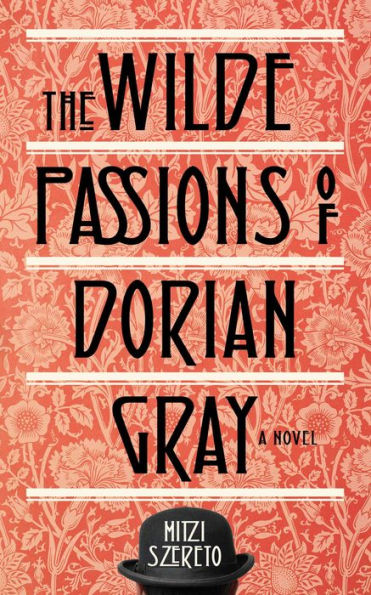
As his lusts and passions become increasingly extreme, further devastation and death are left in Dorian’s wake — leading him to try to journey back to his earlier humanity. In the process, he inadvertently rescues and falls in love with a young woman. But will she be the cause of his final downfall, or of his much-awaited redemption?
Doreen by Ilana Manaster
In this scandalous retelling, Ilana Manaster merges Oscar Wilde with the age of social media and introduces us to Doreen Gray: a frizzy-haired, socially awkward, acne-ridden girl on her first day at the elite Chandler Academy. There, Doreen meets Photoshop wiz Biz Gibbons-Brown — roommate of the most popular girl in the school, Heidi Whelan — who works her editing magic to create a gorgeous new profile picture for Doreen to use. Initially disapproving of her digital makeover, Doreen goes to bed only to wake up the next morning to discover that she has magically transformed into the girl from the picture.
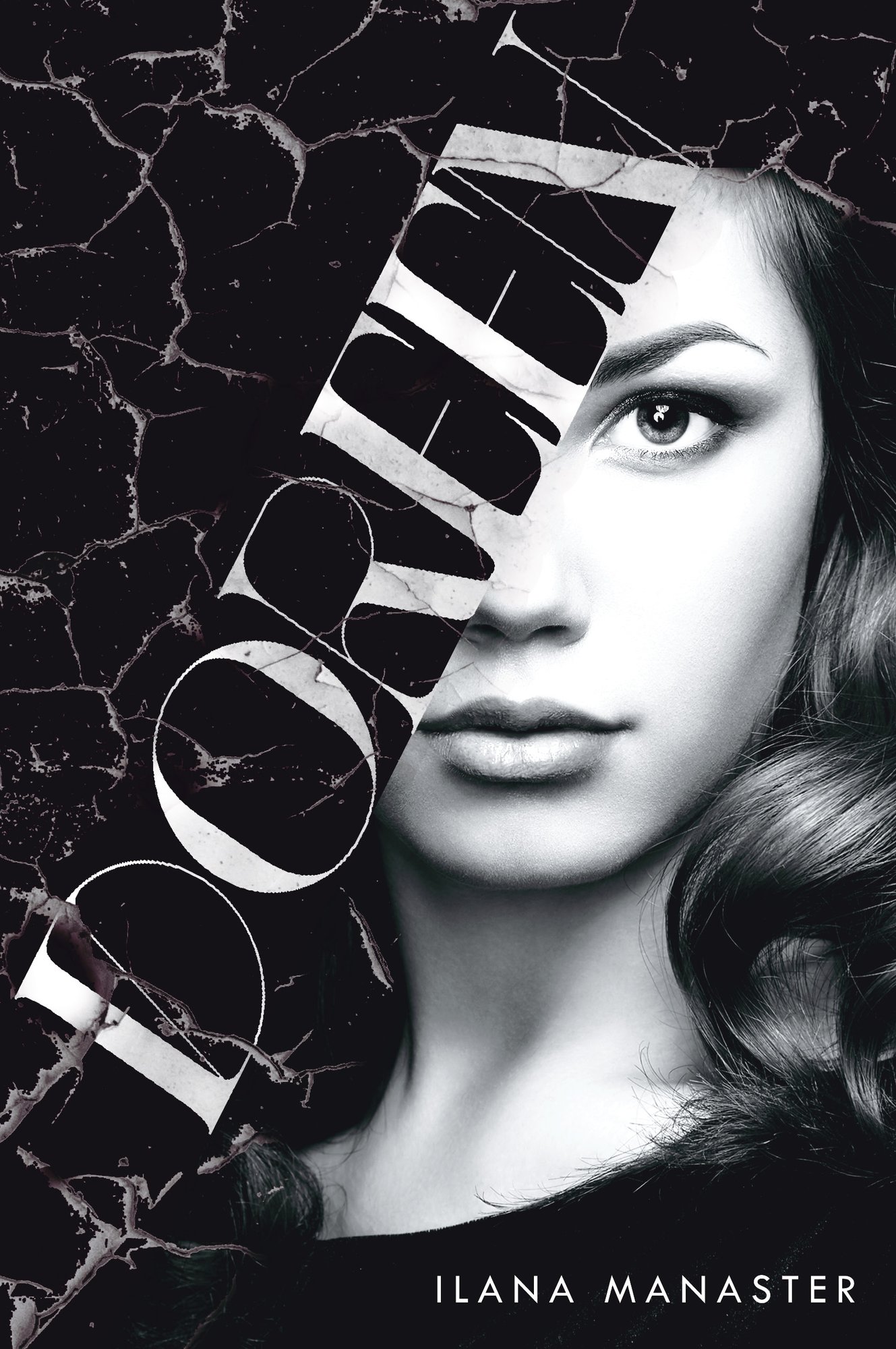
Her surprise at this miracle is quickly exchanged with vanity for her new look, and she soon grows accustomed to the better treatment she is given by others — not to mention the newfound power she is able to wield over them. Only Biz and the picture know the truth, and Doreen vows to do anything she can to protect the secret. If you’re looking for a sharp, witty retelling of Oscar Wilde, where aristocratic men of 19th-century London become three girls of 21st-century New England, this is definitely the book for you.
The Strange and Deadly Portraits of Bryony Gray by E. Latimer
E. Latimer’s The Strange and Deadly Portraits of Bryony Gray is a ‘Tim-Burton-esque’ retelling of The Picture of Dorian Gray, accessible for middle grade readers and beyond. The story follows Bryony, a peculiar young girl who lives locked up in the attic of her uncle’s house, where she is maniacally forced to paint portraits for his super-rich clients. Bryony becomes famous in the art world, especially once people begin to notice that all of her subjects seem to mysteriously disappear.

When one of her paintings comes to life, escapes the canvas, and goes on a violent rampage through London, Bryony begins to look to her family history for answers. There, she discovers some unpleasant and scandalous secrets that her uncle has been hiding. It appears that Bryony has unleashed the dreaded Gray family curse, inherited from her missing father, and she must do all she can to stop its lethal spread before it’s too late. With the help of her odd but beautiful neighbour, Bryony must evade bloodthirsty paintings, enraged mobs, and her wicked uncle if she wants to get out alive. This is the perfect addition for your TBR if you’re looking for a retelling that is fast paced and frightfully engaging.
She’s Too Pretty to Burn by Wendy Heard
Greatly inspired by The Picture of Dorian Gray, She’s Too Pretty to Burn by Wendy Heard is a seductive psychological thriller that explores the transformative power of love, danger, and art. The book centres a charismatic, though tiresomely uninspired, San Diego photographer named Veronica and her chaotic performance artist friend, Nico. Together they embark on a mutual obsession with the lonely, enigmatic Mick: the perfect photo subject, and the girl of Veronica’s wildest dreams.

An electric romance ensues, but no one could have anticipated the deadly adventure that would also unfold as a result. A fire, two murders, three drownings, and a town suddenly filled with suspects and stalkers all culminate in a vicious summer that seemingly no one will come out of alive. This is a modern reimagining that will leave readers with bated breath, desperate to turn the page to find out what happens next.
Every Exquisite Thing by Laura Steven
Every Exquisite Thing is a YA feminist thriller-horror-romance retelling of The Picture of Dorian Gray from Laura Steven, TikTok sensation and best-selling author of The Society for Soulless Girls. Penny Paxton is the daughter of an iconic supermodel mother with masses of adoring fans all over the world. Longing to follow in her mother’s famous stilettoed footsteps, Penny joins the Elite Drama School, where she is given an irrefusable opportunity: to have her portrait painted by a mysterious artist who claims that they can grant immortal beauty to all his subjects.

Feeling that this is a sure-route to stardom and success, Penny joyfully agrees to sit for a painting. But when her friend is found murdered, Penny realises that she has just made a life-threatening mistake — someone is using her portraits to murder people! As more and more students begin to take the artists’ offer, Penny knows that time is against her. This is a brutal retelling that searingly explores themes of identity, beauty, and the cost of perfection.
All of the modern-day retellings featured here speak volumes of the enduring and eternal timelessness of Oscar Wilde’s The Picture of Dorian Gray. The newly contemporary settings being utilised by the fantastic writers featured here offer us a chance to explore this literary classic anew and work to provide us with unique and playful perspectives into how we read and understand the original novel.
The brilliance of Dorian Gray’s legacy is truly irrefutable, so much so that, having contemplated the creativity his character continues to inspire, it seems he unwittingly did achieve immortality after all.
Want to find out more? Read our article: Why The Picture of Dorian Gray by Oscar Wilde Remains A Classic.
Head over to our Bookshop for more classic literature recommendations.