










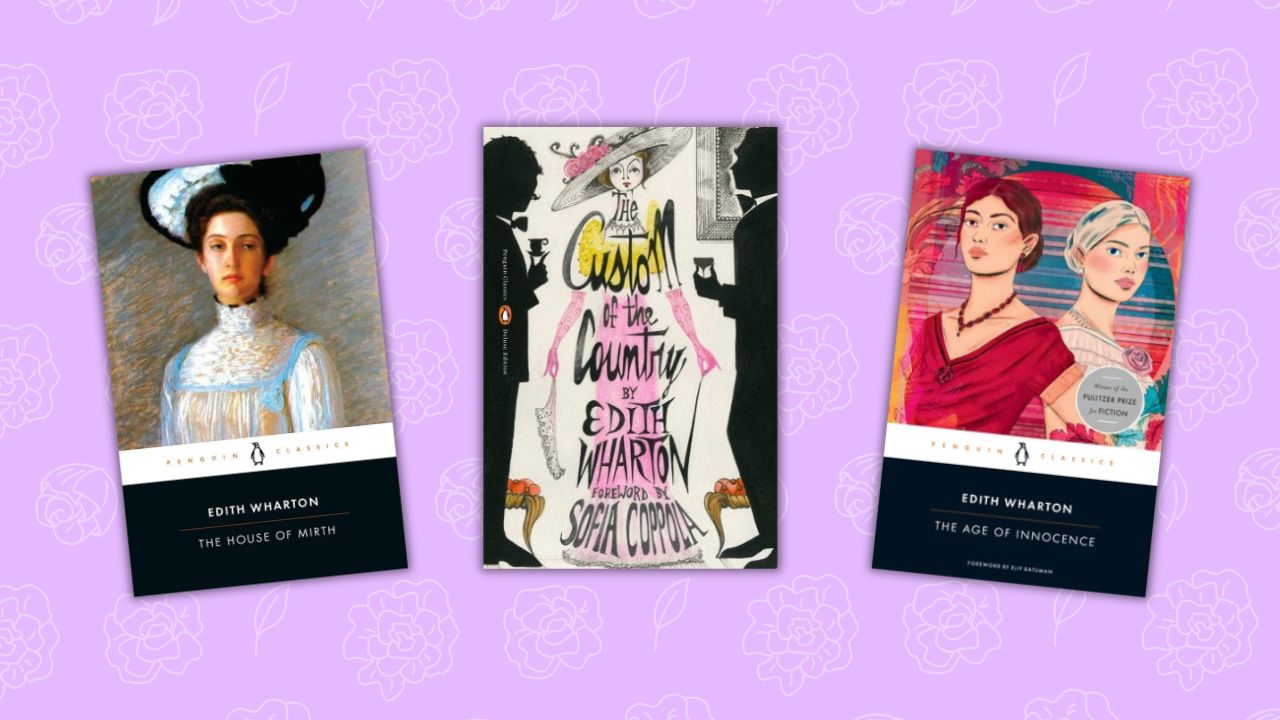
Edith Wharton was a masterful chronicler of upper-class society in the late 19th and early 20th centuries. She explored the intricacies of marriage, love, and sacrifice with an unflinching gaze. Her novels and stories often reveal the tensions between individual desires and societal expectations, exposing the compromises and costs that come with navigating these themes. We delve into how Wharton’s works illuminate the complex interplay of these forces, making her one of literature’s most incisive commentators on the human condition.
Marriage as a Social Contract
For Wharton, marriage often appears less as a romantic union and more as a social contract governed by duty, appearances, and financial considerations. This perspective is vividly illustrated in The Age of Innocence, where Newland Archer’s engagement to May Welland represents not only a personal decision but a binding agreement with his social world. May embodies societal expectations, offering Newland security and status but stifling his passion for Ellen Olenska, a woman who defies convention.
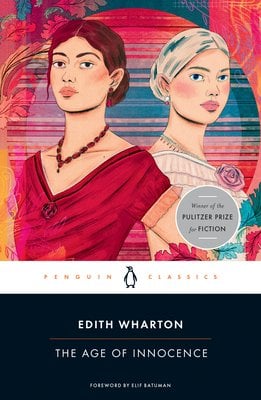
Through Newland’s internal conflict, Wharton exposes how marriage can function as a tool for maintaining societal norms. The cost of this arrangement is often the suppression of true emotional fulfillment. Wharton’s characters wrestle with whether to accept these limitations or to seek freedom at great personal cost.
Passion Versus Obligation
Love in Wharton’s universe is frequently a disruptive force, challenging established norms and forcing characters to confront uncomfortable truths about themselves and their worlds. In The House of Mirth, Lily Bart yearns for genuine affection but is acutely aware of the financial security she must secure through marriage, but her inability to reconcile her emotional needs with societal expectations leads to her tragic downfall.

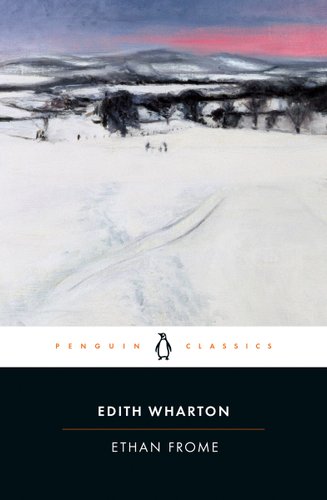
Wharton’s exploration of love often contrasts passion with obligation. In Ethan Frome, for example, Ethan’s love for Mattie Silver represents a brief glimpse of joy and possibility in an otherwise bleak existence. However, his marriage to Zeena, marked by duty and resentment, ultimately traps him in despair. Here, Wharton portrays love not as a triumphant force but as a fleeting, often unattainable ideal.
Personal Desires Versus Societal Demands
Sacrifice is a recurring theme in Wharton’s work, as her characters are frequently compelled to choose between personal happiness and societal expectations. Ellen Olenska in The Age of Innocence serves as a poignant example. Despite her love for Newland, she ultimately sacrifices her own desires to preserve his social standing and family life. Her decision underscores the limited agency available to women in Wharton’s world and the harsh penalties for defying convention.
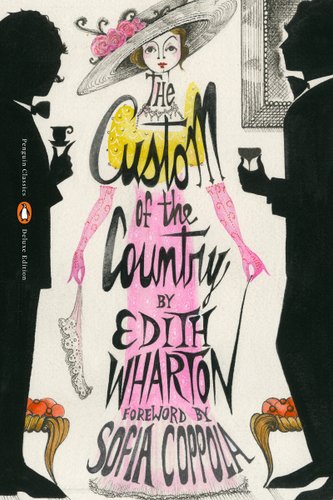
In The Custom of the Country, Undine Spragg’s relentless ambition to climb the social ladder reveals a different kind of sacrifice. While Undine is willing to abandon relationships and moral integrity for status and wealth, her choices leave her unfulfilled, suggesting that sacrifices made for superficial gains are ultimately hollow.
Wharton’s Enduring Relevance
Wharton’s incisive examinations of marriage, love, and sacrifice remain profoundly relevant today. Her works challenge readers to consider how societal norms shape personal relationships and the costs of adhering to or rebelling against these norms. By portraying her characters with empathy and nuance, Wharton invites us to reflect on our own struggles with conformity, ambition, and emotional fulfillment.
Whether through the tragic demise of Lily Bart, the resigned passion of Ethan Frome, or the poignant sacrifice of Ellen Olenska, Wharton’s stories illuminate the universal tensions between desire and duty, love and sacrifice. Her keen observations and timeless themes ensure that her work continues to resonate with modern readers, offering a mirror to our own complex lives.
If you’re intrigued by Wharton’s legacy, don’t miss our article on fun and surprising facts about her life!
For more timeless classics and contemporary works, explore the Literature & Fiction section on Bookshop!