









Being a sixth-grader is hard enough, but if you had to navigate sixth grade while also having the ability to talk to ghosts — or rather, that no matter where you are or what you’re doing, those ghosts talk to you? As Anna — the main character of Marcella Pixley’s new middle grade novel Neshama — finds out, the voices of the dead can bring both comfort and chaos, and navigating their wishes while prioritizing one’s own can be a tricky prospect. We had the chance to sit down with Marcella to talk about ghostly presences, generational trauma, and the value of tackling big issues with young readers.
About Marcella Pixley
Marcella Pixley is the award-winning author of five acclaimed novels for young people: Freak, Without Tess, Ready to Fall, and most recently, Trowbridge Road, which was long-listed for the National Book Award in 2020. Trowbridge Road was a Junior Library Guild Selection as well as being a finalist in the Massachusetts Book Award and the Golden Dome Award. It was named a best book of 2020 by Shelf Awareness, Reading Group Choices, and Mighty Girls. Neshama, Marcella’s first novel in verse, was published by Candlewick Press on May 13th, 2025, and was recently named a Junior Library Guild Selection for 2025.
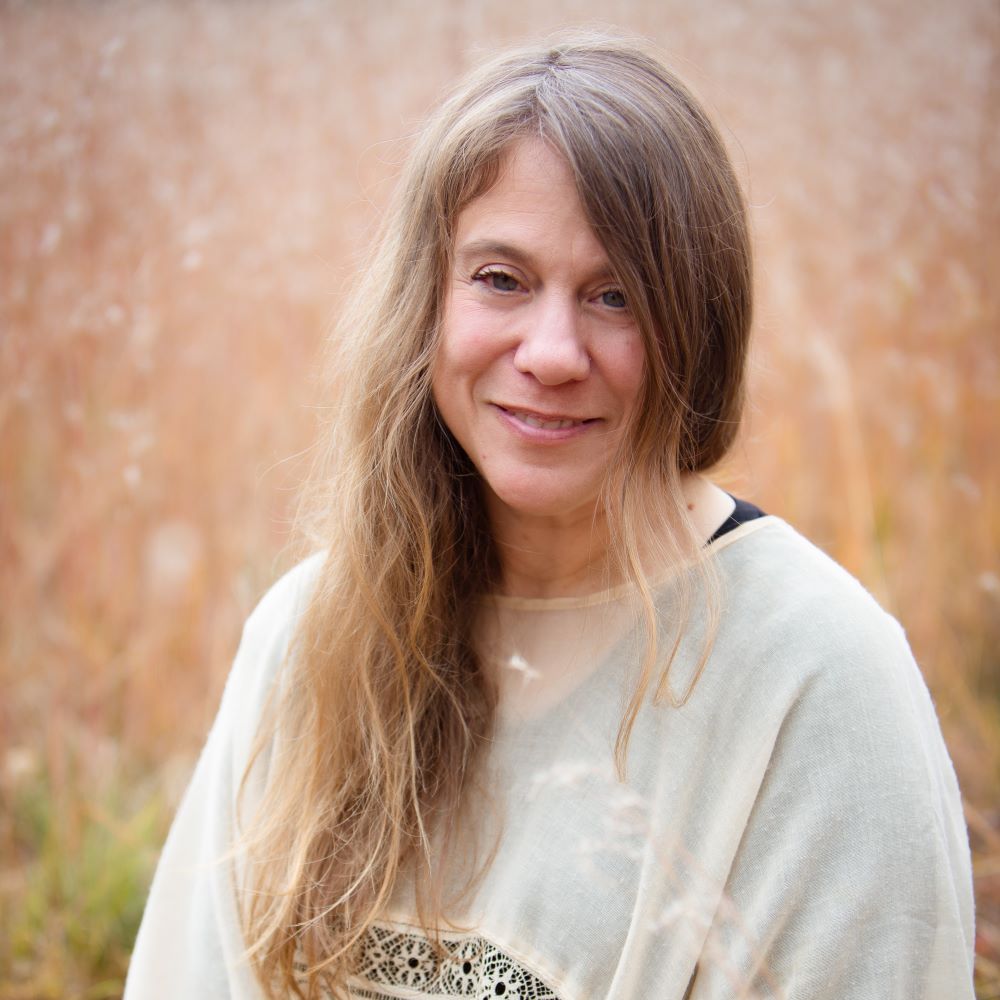
Thank you so much for taking the time to speak with us, Marcella. Let’s get started.
Can you introduce our readers to Anna and what kind of pressures — natural and supernatural — she is dealing with at the start of Neshama?
For most of us, the boundary between life and death is clear. Once people pass away, they leave our world, and the people who love them are left with memories of their spirit. But for Anna, there is no boundary. Ever since she was an infant, she has had the power to see and hear the visions and voices of her ancestors just as clearly as though they were living, breathing people. Everyone in her family explains this strange behavior as part of Anna’s vivid imagination. After all, Anna is a poet, and everyone knows that poets often think in ways that other people don’t.
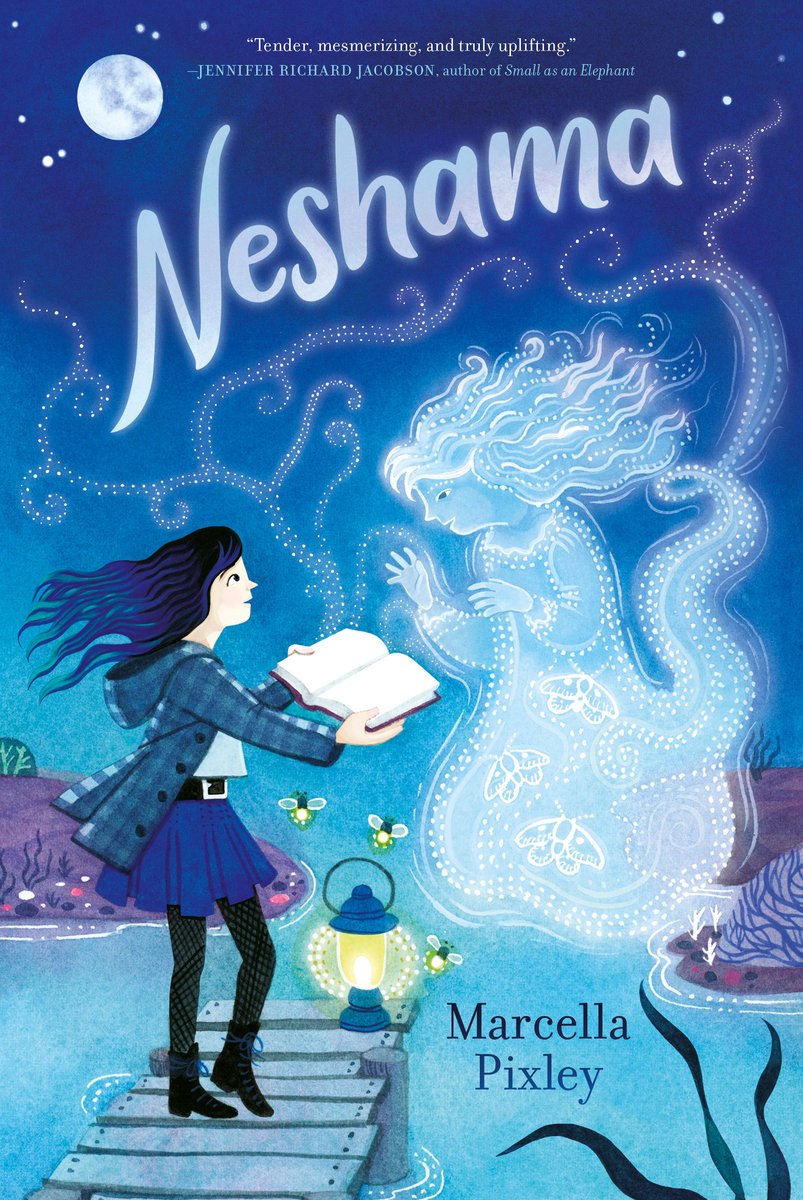
When Anna enters sixth grade, her ghostly predilections become more noticeable. Exclusion and social pressures drive her to spend more time interacting with ghosts in plain sight of her classmates, which only exacerbates the problem. Kids begin to keep their distance, and Anna’s parents and teachers pressure her to behave more like her more typical classmates. Anna’s father doesn’t even try to mask his disgust when he catches her dancing with ghosts. The only person who seems to treasure Anna’s differences is her beloved Bubbe Esther, who has always said that Anna has a Shayna Neshama, a beautiful soul.
What inspired you to tell the stories of Anna, Bubbe Esther, and Ruthie the ghost in verse?
I have always felt connected to the stories of my ancestors. My grandfather immigrated to Brooklyn from a tiny shtetle in Poland called Divin. He always told me stories about what it was like before he came to America. We used to sit on the couch and look through an old photograph album filled with pictures of people who had passed away long before I was born. I always felt that they were stepping forward somehow, emerging from the curtain.
When I began writing the very first drafts of Neshama, I imagined that my ancestors and I were able to communicate by writing poems to each other. I pretended that they could tell me what they missed most about being alive. The first poems were more like lyric postcards between the dead and the living. Anna, Ruthie, and Bubbe Esther all emerged from this ghostly writing experiment.
One major theme of Neshama is generational trauma, and another is the observance and practice of Judaism. What drew you to exploring these themes, both separately and how they can intersect with one another?
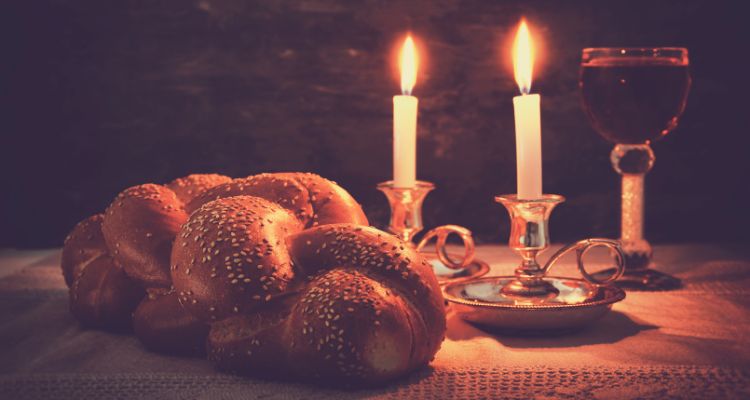
One of the great joys in my life is the observance of Shabbat. I love the feeling of sitting around the glow of the candles with my family, singing ancient songs that connect us with the generations that came before. One of the main conflicts in Neshama comes from the fact that Anna’s family has suppressed their Jewish identity. An unspoken act of antisemitism committed decades earlier has driven Anna’s bubbe into isolation and turned her father away from the faith that was so important to him as a child.
Anna hungers to learn more about Judaism, but every time she mentions it, her father grows silent. Each member of Anna’s family, in one way or another, is still reeling from the aftermath of this unspoken tragedy. Anna will discover what is true for all of us. We cannot heal from the past until we are brave enough to express all the different parts of who we are.
Many of your books incorporate elements of death and grief, topics that are often seen as too “heavy” for middle grade readers. Why do you think that it is important for kids to have access to these kinds of stories?
Many of my books explore the way families deal with hard topics, including death and grief, but they do so in ways that are loving and hopeful. Without Tess, Ready to Fall, Trowbridge Road, and Neshama all help us to see that even when our lives are most difficult, there can still be beauty, connection, sweetness, and healing.

Young readers who are dealing with grief often do not have the words to express the depth of their complicated feelings. They need mirrors where topics like grief are handled lovingly and where characters find ways to find joy and beauty even when their worlds turn upside down. While I always tackle hard topics in my stories, none of my novels are about darkness and despair. They are about bravery and love and healing. They give young readers permission to grieve while assuring them that their communities and families love them and that they are not alone.
On your website, you mention that you love speaking to groups of students and young readers. Why do you find these interactions particularly rewarding?
One of my favorite parts of being an author is having the chance to talk about writing with groups of students. I love being able to share the inspiration behind my stories and hear from readers about their own lives. Besides being an author, I am also a veteran eighth-grade Language Arts teacher, so I have had many years of experience facilitating conversations and creating safe spaces for students.
During my author visits and writing workshops, we create a trusting community where we can tell important stories that feel meaningful. In telling our stories, we give our community the chance to affirm and recognize us. I also love how when students share their stories, I have the chance to tell them that the world needs to hear their voices and that what they have to say is brave and important.
One of our favorite questions for authors who write for children is about the books that inspired them when they were young readers. What is a book or series from your youth that sticks with you to this day?
I was a super fan of the Dark is Rising series by Susan Cooper. These books were about an eleven-year-old boy named Will Stanton, who discovers that he belongs to a race of immortals living on earth who have magical powers and who travel through time to fight against evil. The book is set in England and Wales, and it incorporates elements of Arthurian legends and old English mythology.
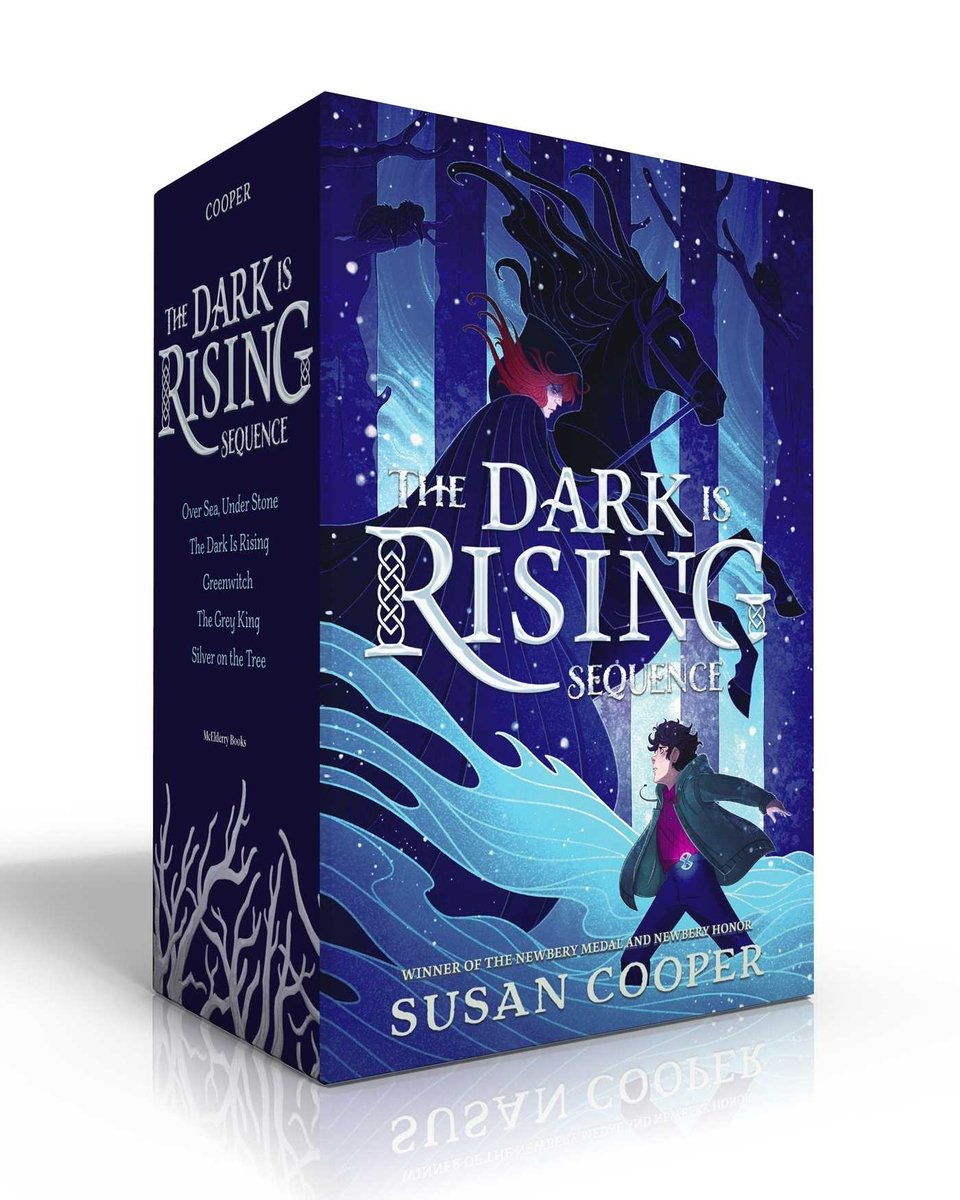
I read every book in this series many times every year and have committed parts of each book to memory. I loved the series so much that I spent my junior year at Vassar College living in Aberystwyth, one of the small Welsh towns that was mentioned in one of my favorite books. Susan Cooper had a wonderful way of describing landscapes so they felt moody and magical, so wandering around in the green hills felt like a kind of homecoming for me.
Lastly, in honor of Neshama, if you had the power to speak to the dead, who would you most like to have a conversation with?
How can I choose? There are too many dear ones whom I would love to talk to once again. I think I would begin with my grandpa, Sidney. I would ask him to tell me the story of his childhood in Divin again so I could hear his dear, honey-slippered voice telling me about the little shtetle, and his beloved red cow, and the games he played on the boat bound for America. I have an old photograph of my grandfather’s family on the wall in my writing room, and I often thank them in the mornings, just in case they can still hear me. So far, they have never answered back — but one time, a broken, antique clock that hadn’t worked for decades began ticking loudly all on its own.
A big thank you to Marcella for taking the time to share her work and thoughts with us! Be sure to find her online at MarcellaPixley.com and follow her on Instagram, Facebook, Twitter/X, and Bluesky. And, of course, don’t forget to add Neshama to your family’s reading list!
To check out more of our exclusive talks with authors, check out our entire One-on-One Interview series!
To see all of our recommendations for mini-bookworms, check out our Bookshop bookshelf.