


















Remember the days when finding your next great read was simple? All we had to do was stroll through the bookshelves of our local library or bookstore, pick out a book with an intriguing title or an eye-catching cover, flip it over, maybe read a few sentences of the back synopsis, and that was it. Now, from social media to websites, there are recommendations all over the internet claiming to have the newest and best books, not to mention recommendations from friends and family members.
It’s all a little overwhelming, especially when your TBR pile is looming ominously in the corner of your room. We get it. That’s why we’ve turned to the techniques of the experts. We’re here to help you use the curation and recommendation tools of librarians in order to narrow down your search for your next favorite book.
The Secret World of Reader’s Advisory
Libraries are literally built on systems to help readers find their next book. If you’re looking to learn how to find your next great read, you may want to look a little more into how librarians are always able to point you in the right direction. The term librarians use for this is Reader’s Advisory. It refers to the services that libraries provide to help connect readers with their perfect read.

Every library has its own ways of fulfilling this service, whether it be a website or a curated list of books based on age or reading level. Librarians are taught how to best categorize, organize, and curate recommendations for patrons of their library, but really, it’s not as complex as it seems.
Books That Will Help You Choose Your Next Book
Every librarian knows there is a book for everything. There are even books to help you choose your next book. In fact, your favorite librarian has most likely read one of these books that digs a little deeper into the process of Reader’s Advisory. Check out these books if you too want to become a pro at Reader’s Advisory too.
Readers’ Advisory in the Public Library by Joyce G. Saricks
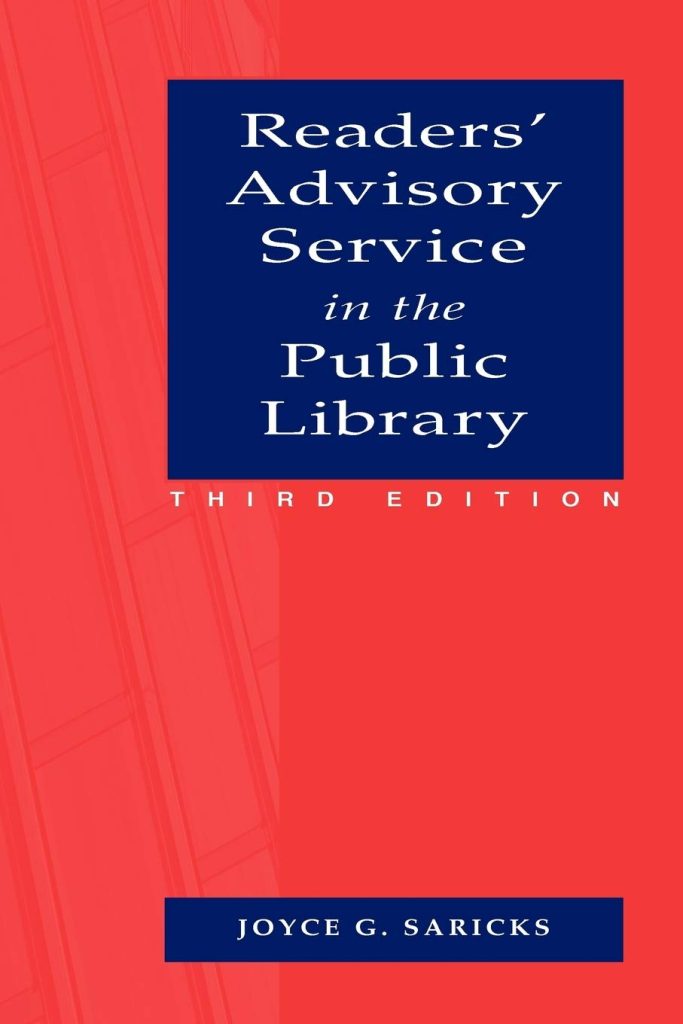
Readers’ Advisory in the Public Library by Joyce G. Saricks has become a tried-and-true tool for librarians, offering a step-by-step how-to guide on how to gather the most information from a reader seeking recommendations. The book also provides various strategies and methods used to help make confident recommendations for adult readers across all genres.
Foundations of Library and Information Science by Richard E. Rubin and Rachel G. Rubin
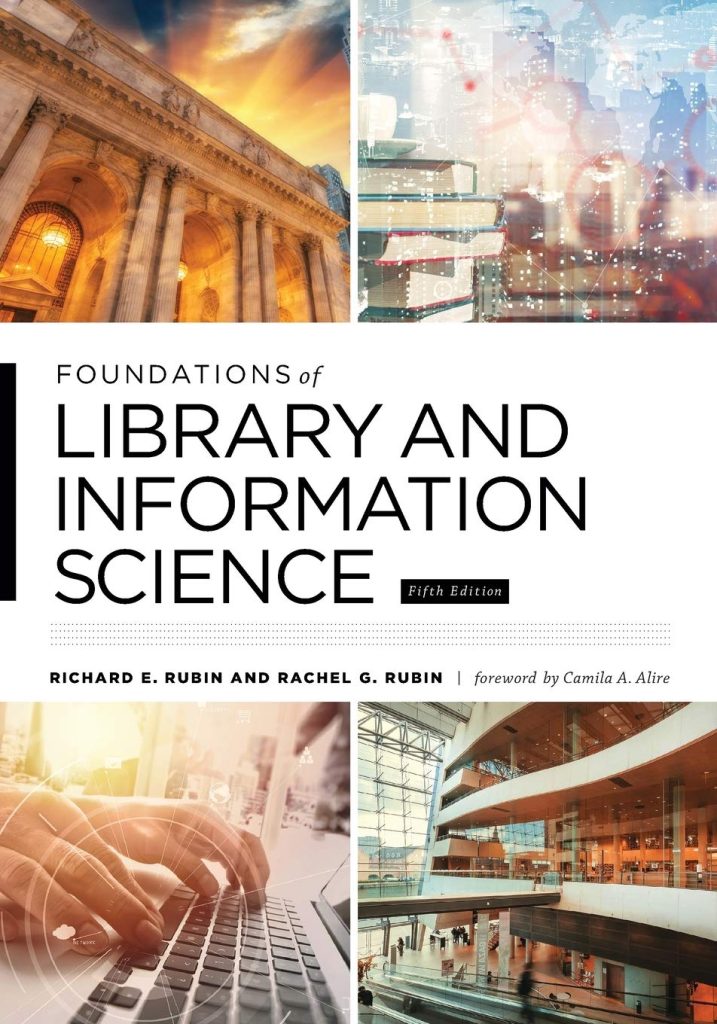
Foundations of Library and Information Science by Richard E. Rubin and Rachel G. Rubin provides an introduction to a wide variety of topics that can help librarians provide the best services possible. This book has a special focus on how to help marginalized communities use library services. Including library resources, a guide on how ethics play a role in a library, and more, this book helps any reader become an expert on everything a library stands for and has to offer.
Genreflecting by Diana Tixier Herald and Samuel Stavole-Carter
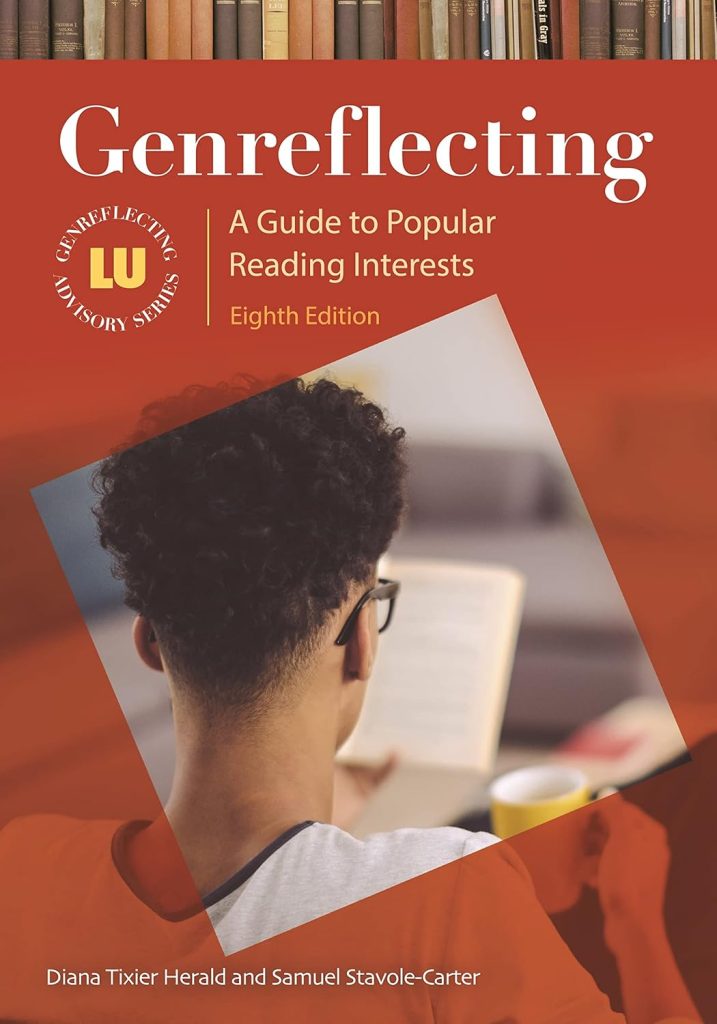
Genreflecting by Diana Tixier Herald and Samuel Stavole-Carter takes an in-depth look at how genre is a vital part of the Reader’s Advisory process. Herald and Stavole-Carter discuss how genre is one of the most telling measures in finding books that a reader will like, and how diving into subgenres and the nuances of genre fiction can help librarians understand what it is that a reader may like about a specific book or genre, and how they can find a similar book that this reader will love.
If you’re interested in diving even deeper into the techniques of Reader’s Advisory, all kinds of genre-specific books can also be found. Some Reader’s Advisory books focus specifically on finding recommendations in genres like romance or science fiction. There is always something new to learn about the genre you love.
Essential Tools To Become a Pro
One of the top tools that makes librarians a great source for book recommendations is fairly easy to replicate on your own. They are simply well-connected in the book community. Many librarians are not just avid readers but also avid followers of publishing companies and book promotion websites (such as Bookstr!), which are constantly churning out information on what’s new or big in the reading world.
Goodreads is a must for librarians looking to find new recommendations. Goodreads and related apps are built to be similar to libraries’ Reader’s Advisory systems. They do the work for you by recommending books in comparable genres or books that other readers with matching tastes have enjoyed. Goodreads has an algorithm for recommending books with nearly two decades of data behind it.

Again, every librarian has their own recommendations. Some keep it as simple as studying the return shelf at their library, others swear by library programs like NoveList, while others just read as much as possible to become a pro at finding great books. But, it’s not all just based on librarian preferences and opinions; even librarians tend to look at the numbers when choosing what to read.
The Key to Curation
Libraries often use the help of SaaS companies such as Overdrive, 3M Cloud Library, and BiblioBoard. These programs manage the distribution of digital products and track the data on what is being borrowed and where, which is a major way that librarians are able to predict up-and-coming books. Digital distributions of ebooks and audiobooks make it easy for librarians to track what is popular in real time. Libraries use collection specialists to help them determine what digital products are popular and how many copies to have for the convenience of their patrons.

In other words, there is actually math involved in knowing what books are best. They use the numbers to know exactly what readers are reading and are able to use this data in their recommendations. The numbers don’t lie, and librarians are the experts for a reason.
How You Can Unlock the Secret
The first thing you can do on your mission to find your next great read is to ask yourself what you like, and more importantly, what you don’t like in a book. This is sure to help steer you towards what will be a great read for you, not just what the Bestseller lists or your favorite BookToker says is best. Use the books you define as your favorite as a map to find future reads that you will love.

As with most things, the key to finding your next great read is paying attention not only to what other people love, but also to what you love. Slowing down and really analyzing what it is about your favorite book that you loved will help you find books like it with similar qualities. Using librarians’ tools like Goodreads and publisher or website recommendations will only really help if you know yourself.
If you’ve tried all of these things and you still find yourself in a slump, still searching for that book that finally scratches an impossible itch for you, remember that libraries have a team of experts behind their curation and recommendation systems. Not only that, but they are always excited to help!
Ask Your Librarian!

It’s really the human touch that brings these curation lists to life. Librarians spend their days working with the books that their communities have chosen to read. They have the data at their disposal, but they also get to know the people in their local libraries and notice the books that frequent patrons borrow. If you use your local library enough, your librarians may even know your taste in books better than you do.
When in doubt, ask your librarian to help you find your next great read. They’ve already done all the hard work for you, and they are always equipped with the best up-and-coming recommendations, personal favorites, and little-known throwbacks that you never even knew you needed.
Want to hear more right from our favorite library workers? Click here.
Check out Bookstr’s curated recommendations on our Bookstr Book Club – Curated Reads from the Bookstr Team bookshelf on Bookshop.org.
