










Women have traditionally been left out of the video game world, both as designers and gamers. For years, female video game characters were relegated to love interests and damsels in distress, always playing second fiddle to the MMCs. Which begs the question — who was the first FMC in a video game? Read on to learn more about the intriguing evolution of female video game characters.
Unnamed Character from Score (1977)
The first step toward creating a main female character was providing players with the option to select their avatar’s gender. The 1977 arcade game Score did just that. Created by the video game company Exidy, Score was a traditional arcade setup where the player’s sprite would collect hearts and attempt to score dates with other sprites on the board. Due to its romantic storyline, the creators chose to install a switch between the joysticks that allowed players to toggle from one gender to another. In other words, the female sprites would chase after potential boyfriends while the male sprites would seek girlfriends.
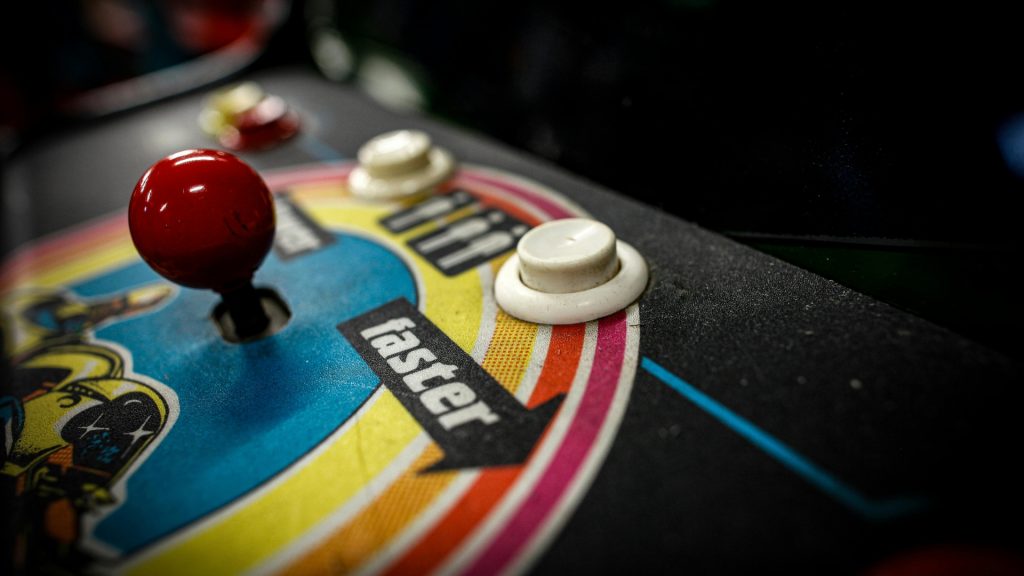
Unfortunately, the game is considered lost media. While there are still a few machines in existence and we know the premise of the game, there are no screenshots or footage of gameplay in existence. We may never know what this first female video game character looked like, but she has an important place in gaming history. For now, we can still enjoy the cover art created for the game’s release.
Unnamed Character from Lady Bug (1981)
Four years later, Universal Entertainment released Lady Bug, the first video game to feature an FMC. Similar to the Pac-Man series, this arcade game featured a maze-like structure. The ladybug icon must navigate the maze to collect every flower while also avoiding the enemy insects. What made this game different from its predecessors was the control it placed into the gamer’s hands. Players could alter the maze’s direction as they passed through it, giving them more room for strategy.

There is nothing especially feminine about this game’s sprite — it looks like any ladybug. The only explicit indication that the avatar is female is the flyer art that was created for the game.
Ms. Pac-Man from Ms. Pac-Man (1982)
Ms. Pac-Man is often misattributed to being the first video game FMC. While this is untrue, its place in gaming history is still very interesting. This game was created by Midway Games Inc. in response to the incline of women and girls in arcades. The game features Pac-Man’s girlfriend Ms. Pac-Man as the avatar. While it follows the same premise as the original Pac-Man game, this entry in the series also gives players small cut scenes between rounds that expand upon the Pac-Man lore.
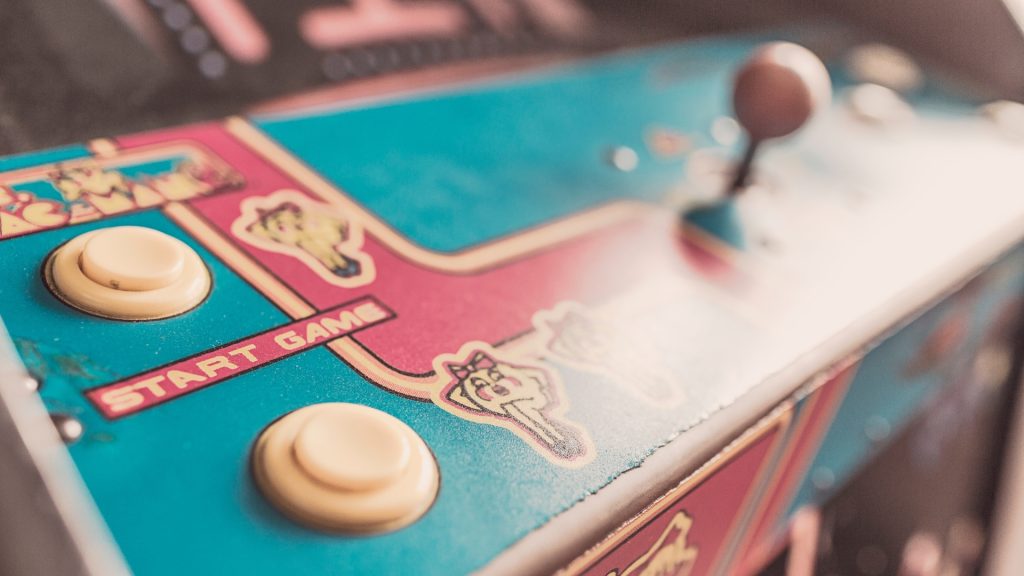
Though Ms. Pac-Man’s look is not terribly original — all the designers did was add a bow and makeup — her invention is one of the first times the video game industry sought to create a game specifically for a female audience.
Toby “Kissy” Masuyo from Baraduke (1985)
Our review of arcade games ends with Baraduke. This 1985 shooter game created by Namco follows a yellow-clad space fighter battling underground alien invaders. Though the character’s screen name was Kissy, players were left to speculate about their gender for the duration of the game. Upon completion, Kissy removed her helmet, and her female identity was finally revealed.
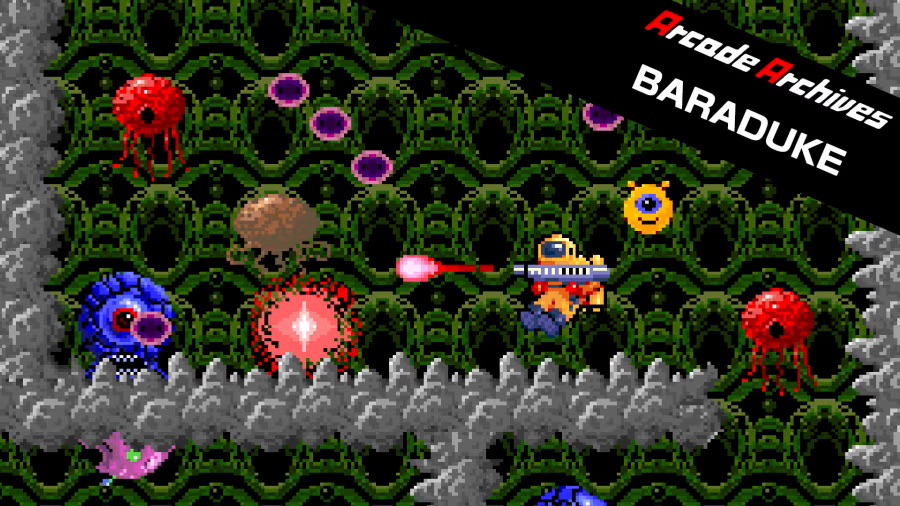
Kissy has also appeared in the Mr. Driller games under the name Tobi/Toby Masuyo. The most recent iteration is Mr. DRILLER DrillLand.
Samus Aran from Metroid (1986)
Move over arcades — at-home video game systems are on the rise! In 1986, the infamous Nintendo company created Metroid. This shooter game follows a yellow-clad space fighter battling underground alien invaders. Wait a second — didn’t we already cover this?
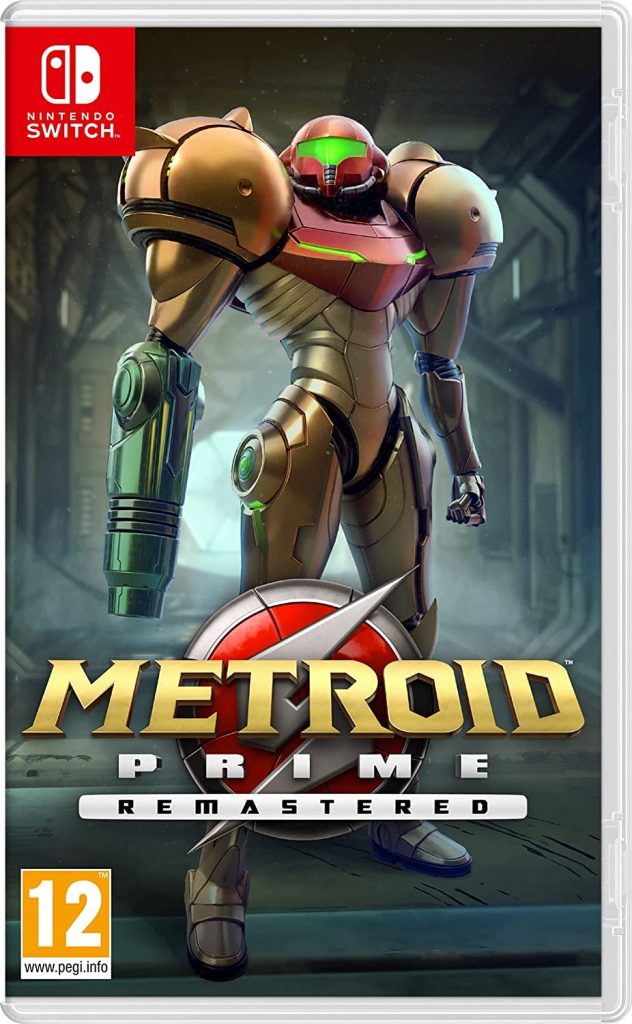
Metroid’s premise is eerily similar to Baraduke, but the two differ in gameplay mechanics. Metroid is a sidescroller, and the weapons that the FMC Samus Aran wields can also open doors. This allows players to explore more of the platform map. One more similarity Metroid shares with Baraduke is its twist gender reveal ending. Metroid was so dedicated to their secrecy, that they even went so far as to describe the character as a male cyborg in the original manual. But if players completed the game in under five hours, she removed her helmet. Under three hours, she removed her suit to reveal a skin-tight leotard. And for those expert gamers who completed the game in under one hour, she stripped down to her underwear. (We don’t know where this falls on your personal yikes scale, but…it’s certainly up there.)
Samus Aran has gone through many design iterations since this initial sexist display. Luckily, she’s no longer expected to strip to her underwear at the end of every game. The Metroid series is still alive and well. Keep an eye out for the upcoming Metroid Prime 4: Beyond.
Lara Croft from Tomb Raider (1996)
No FMC evolution list would be complete without the trailblazing Lara Croft. Introduced in Core Design Limited’s 1996 game Tomb Raider, this is the first FMC with a full, dedicated backstory. Lara Croft is an archaeologist searching through ancient ruins across the world in search of treasure. The game mechanics were influential for the time. Players had more dextrous control over the MC than ever before, allowing them to climb, crawl, and swim their way through the expansive game map.
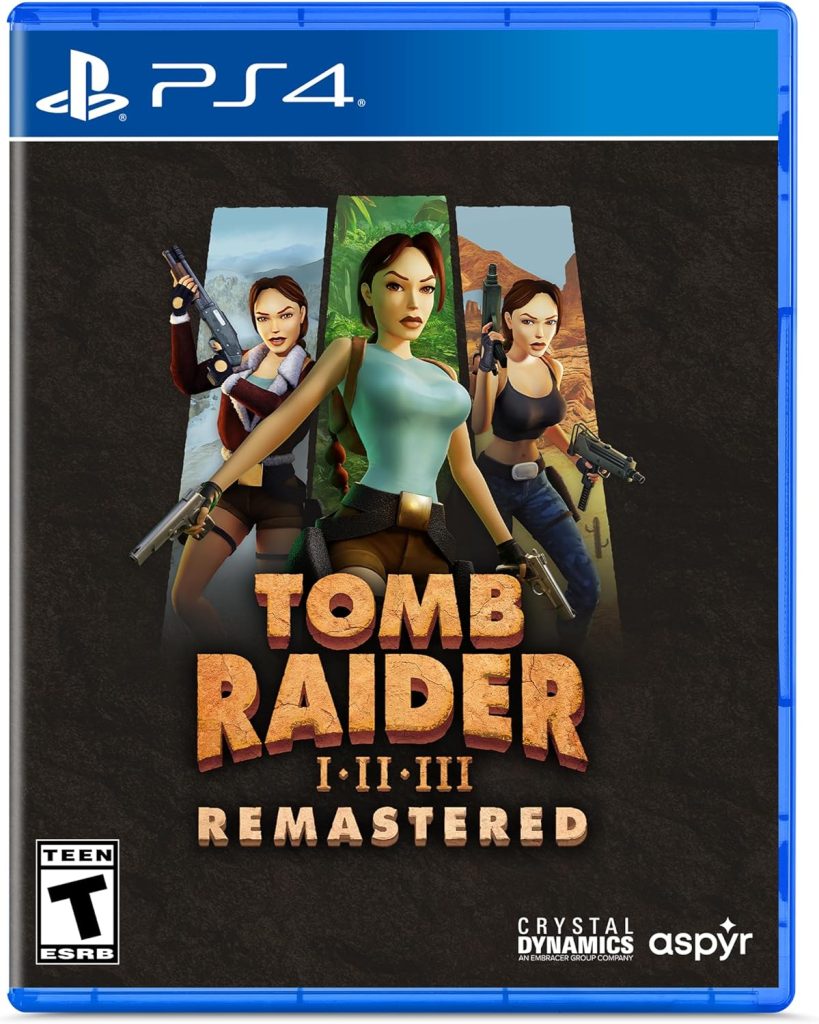
Just like with Metroid, Lara Croft’s initial character design was met with sexist backlash. Let’s just say her proportions were…interesting…to say the least. Since then, designers have relaxed on her appearance, so the emphasis is more on her strength rather than her clothing. The Tomb Raider franchise has been adapted to film three times and has multiple video game sequels. Developers have even begun remastering the original games. The most recent release is Tomb Raider IV-VI Remastered.
Maxine “Max” Caulfield from Life Is Strange (2015)
Now that we’ve canvassed the initial history of video game FMCs, it’s time to look at a few notable FMCs from the last ten years. Our first selection is Don’t Nod Entertainment’s Life is Strange. This RPG adventure game follows Max Caulfield, a photography student in Arcadia Bay, Oregon, who discovers she has a talent for turning back time and altering reality. Mysteries abound, and players must learn to use Max’s powers wisely because any choice could permanently alter the course of the story.
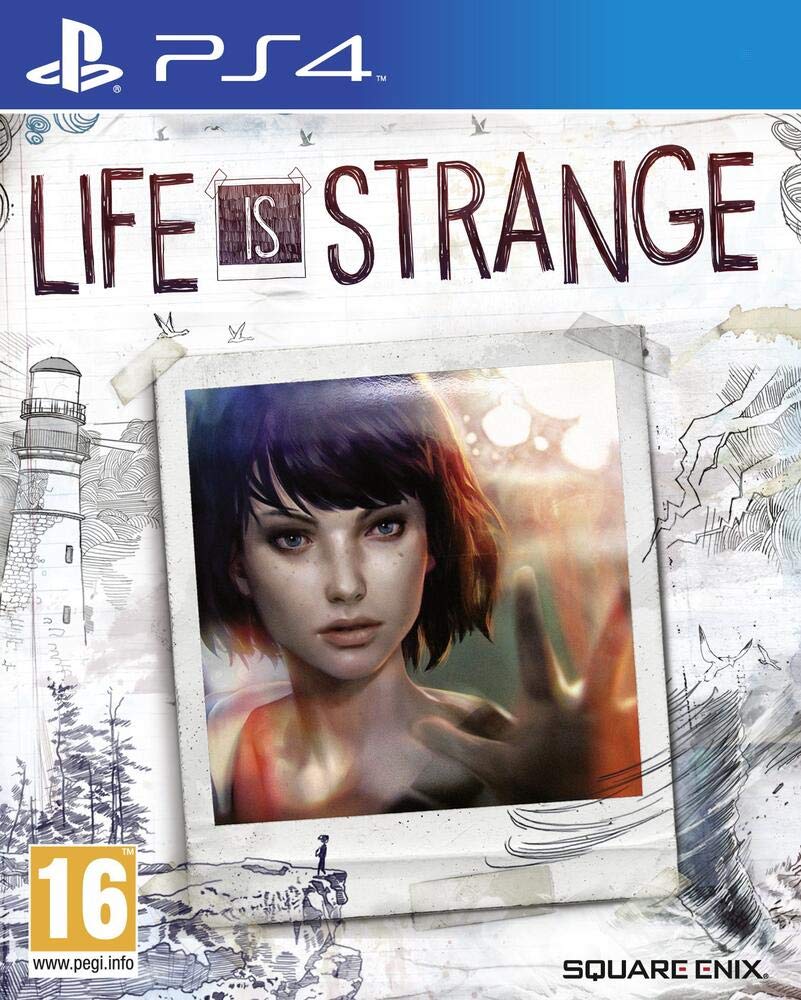
As opposed to the vast landscape of gritty, masculine MCs, Max is soft-spoken and introspective. Her personality type helps create a more intimate gaming experience. Aside from being a notable FMC, Max is also a queer video game icon, thanks to her bisexual identity. The Life is Strange video game series features mostly FMCs at the helm. Explore another chapter in Max’s life with the most recent game, Life is Strange: Double Exposure.
Alex from Oxenfree (2016)
Developed by Night School Studio, Oxenfree is a supernatural video game that follows Alex and her friends when they accidentally open a ghost gate on a spooky island. Similar to Life is Strange, the player’s choices affect the story as they play. As Alex, you must choose who to trust while you work to resolve your error and solve the mysteries around you.
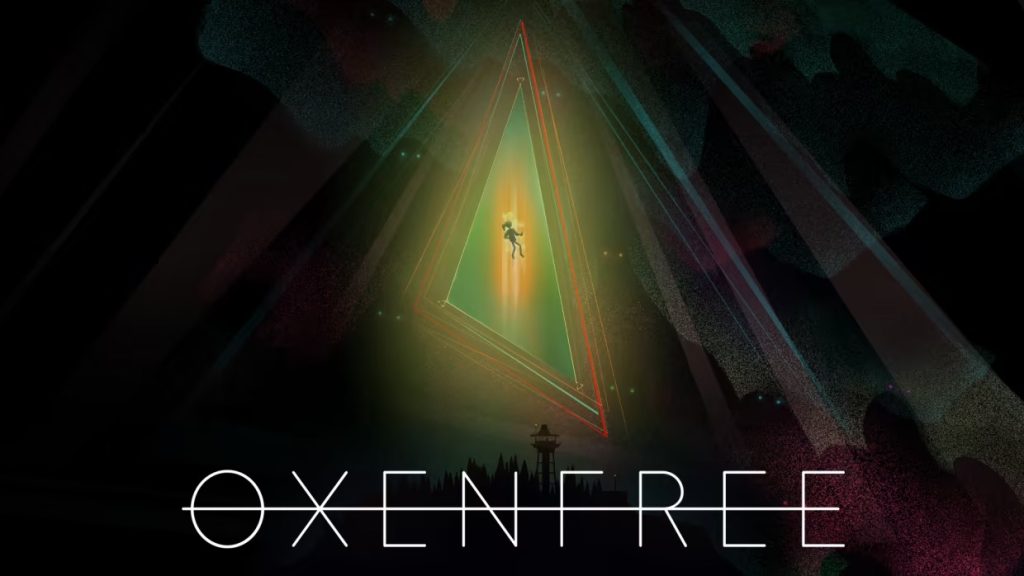
Though Alex is initially presented as a rebellious and sarcastic teen, it’s up to the player to fully mold her personality throughout gameplay. With a surprisingly tender backstory, Alex is one FMC that shouldn’t be slept on. Check out the sequel Oxenfree II: Lost Signals to meet Riley, another intriguing FMC.
Amicia de Rune from A Plague Tale: Innocence (2019)
Taking place in 1300s France, A Plague Tale: Innocence is the story of Amicia de Rune, a young woman on the run from the Inquisition with her younger brother, Hugo. In a world emaciated by a deadly disease, Amicia and Hugo must team up with other orphans to fight back and avoid infected rats.
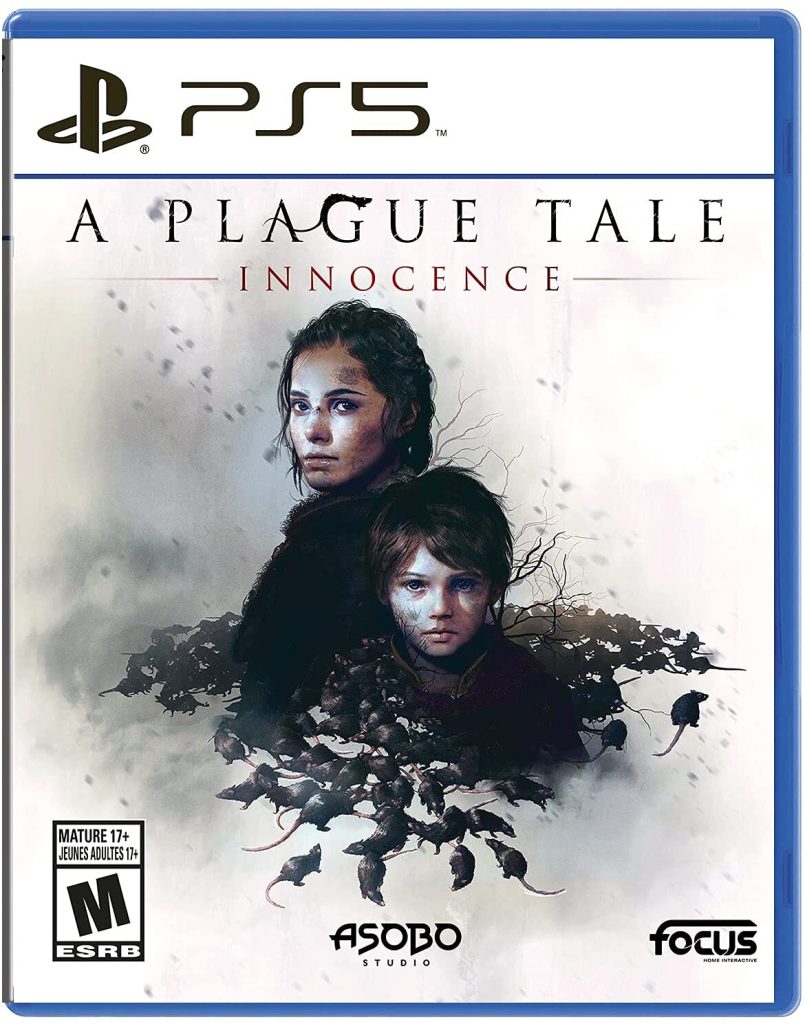
Amicia’s dark and nuanced story is surprisingly relatable to a world that has recently faced a chaotic global pandemic. Her fearless approach to life is inspiring to players. Continue her story of survival in the sequel, A Plague Tale: Requiem.
Stella from Spiritfarer (2020)
Momentarily breaking away from the RPG world brings us to the sandbox game Spiritfarer. Stella takes over for her mentor, the Ancient Greek figure Charon, as ferrymaster to the dead. Players tend to the guests on their ship by farming, cooking, and expanding quarters as needed. Stella eventually learns more about the backstory of each of the spirits in her care. The more she passes through death’s door, the more she is given glimpses of the story that eludes her the most: her own.
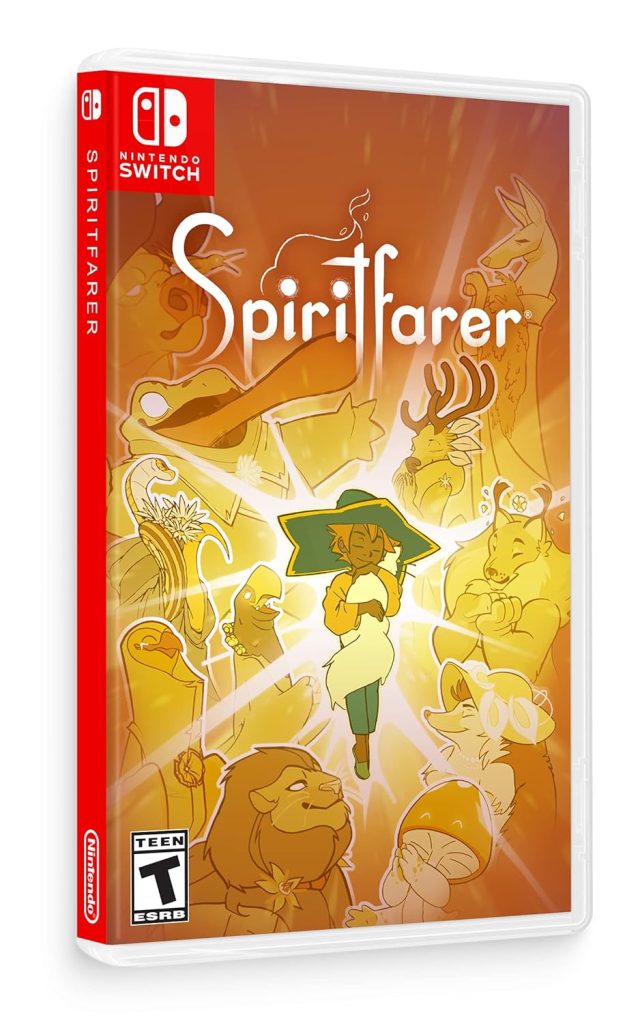
This tender indie game is a beautiful exploration of death and the bittersweetness that comes with saying goodbye. To explore more games developed by Thunder Lotus Games, click here.
Kena from Kena: Bridge of Spirits (2021)
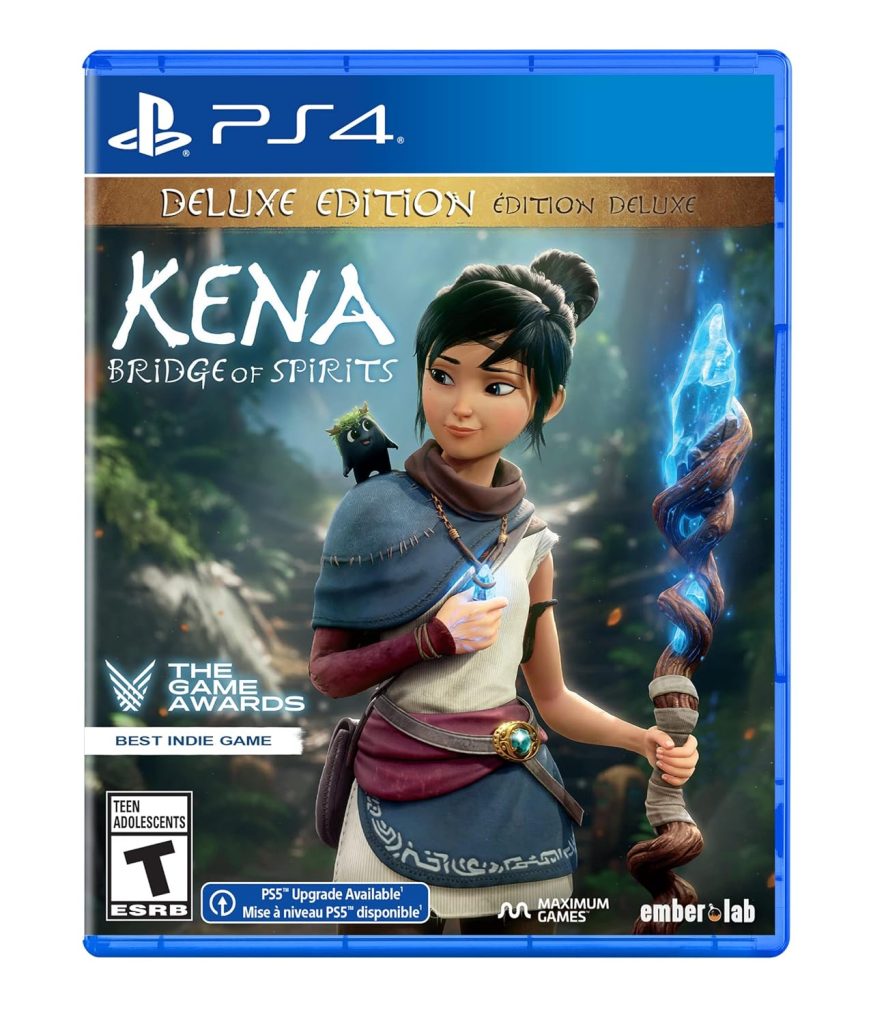
Our last entry is Ember Lab’s inaugural game Kena: Bridge of Spirits. This action-packed adventure follows Kena, a spirit guide exploring a deserted mountain village. Gamers must free and collect spirits called Rot to help Kena in her journey to lift the forest’s curse. With breathtaking animation and exciting combat, Kena: Bridge of Spirits has us excited to see what else Ember Lab has in store for the future.
From their sexist beginnings to their story-driven present, video game FMCs have a long and engaging history. Do you have a favorite FMC that we didn’t mention? Be sure to tell us about it on Instagram!
To learn more about popular video game characters, click here.
Visit our Comics, Manga, and Graphic Novels bookshelf on Bookshop.org to dive into other visually captivating stories.