

















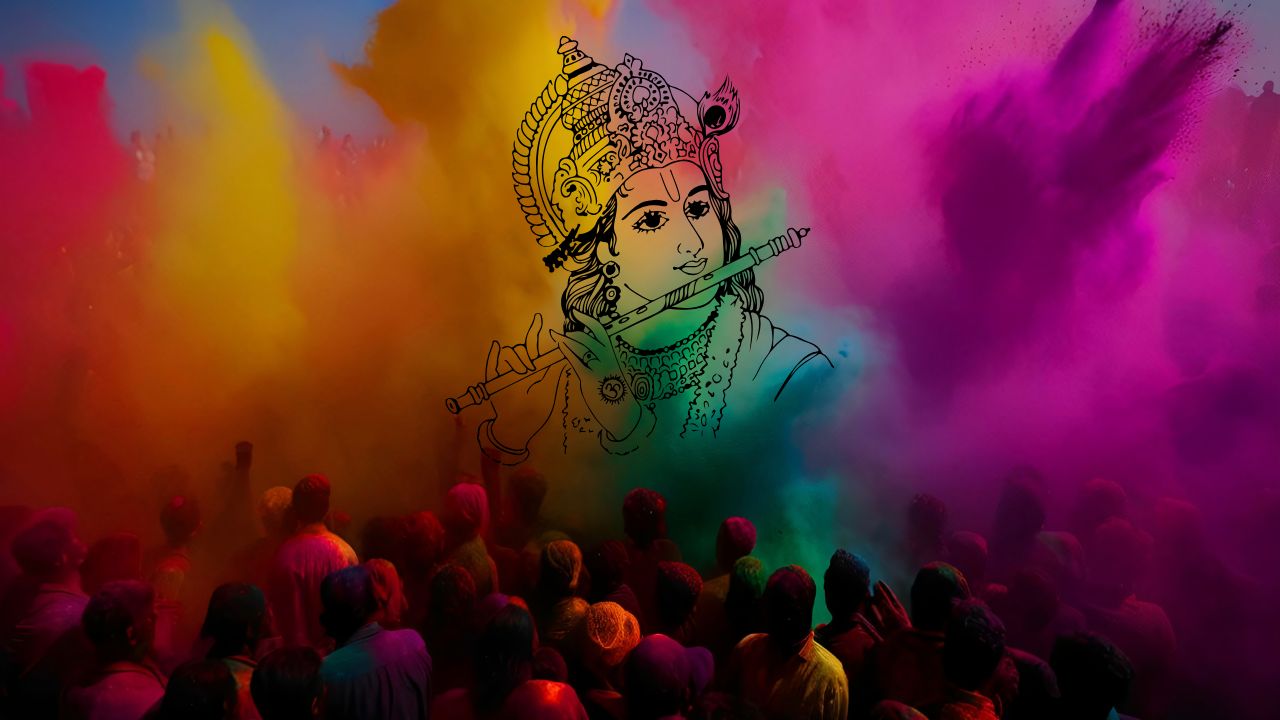
Spring is right around the corner and it is time for multiple festivals to welcome the end of winter. In a Catholic context, practitioners celebrate with Fat Tuesday, or Mardi Gras, where one is allowed to indulge and party before entering Lent, a period where one abstains from impurities. Over in Europe, the comparison of the transition between winter and spring is celebrated through Walpurgis Night, or Valborg — where a bonfire is lit to chase away the evil spirits left over from winter.
For Hinduism, the comparable holiday is the Holi Festival. In this Bookstr article, we will learn a bit more about the details of the Holi Festival and suggest a few books that can offer a basic understanding of the background of the celebration and the religion.

What is the Holi Festival?
As already mentioned, the Holi Festival is a celebration of the beginning of spring and the end of winter — as we chase away the impurities left over from the colder day. The events take place over two days, during a time called Purnima which takes place during a full moon. The first day features a bonfire, while the second day is the famous color-throwing party. Washing away the dyed powder after the party is considered a cleansing ritual in preparation for the spring. While the festival holds roots in Hinduism, an important theme of the event is inclusive and all are welcome to participate — no matter what beliefs or customs one possesses.

Interested in learning more about the basic foundations of Hinduism? The following four books provide an effective introduction to the ideas of Hinduism.
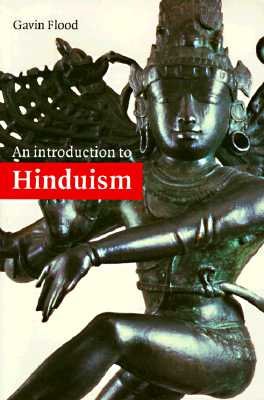
An Introduction to Hinduism by Gavin D. Flood
From the prestigious publisher Cambridge University Press, this informative book explores the themes and history of Hinduism. Dr. Flood provides an inside look into the transformation of the religion of the eras and how its ideas fit in the modern world today. The idea of how the religion is a national symbol of India is also explored.
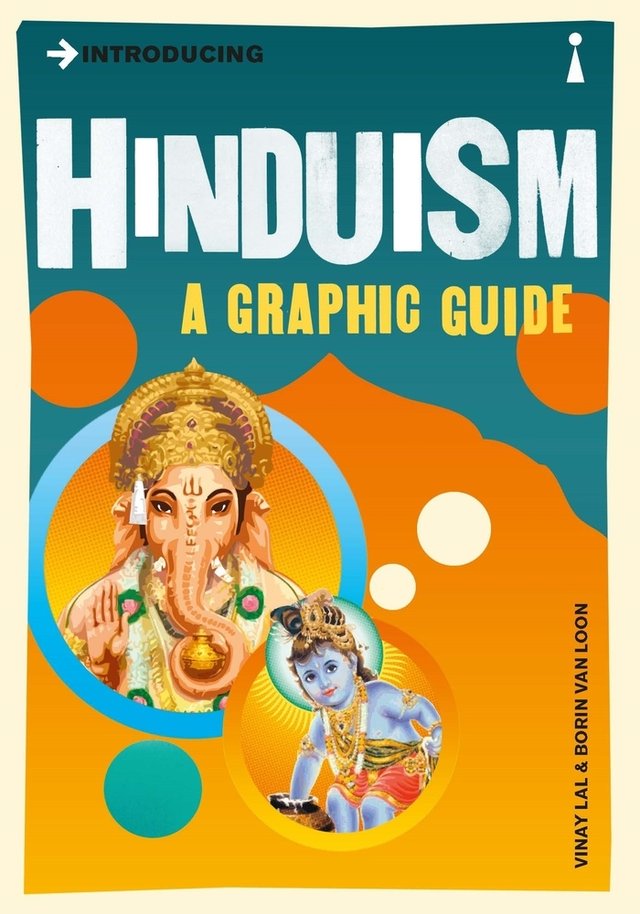
Introducing Hinduism by Borin Van Loon and Vinay Lal
The Introducing Graphic Guides Series explores several different topics in a more visual method. This book’s colorful illustrations offer a fun way of learning more about Hinduism. While offering some basic information on such topics as the different gods and goddesses and views on everyday life, the edition also explores a slew of interesting questions such as the importance of cows in Hindu culture and why many practitioners are vegetarians.
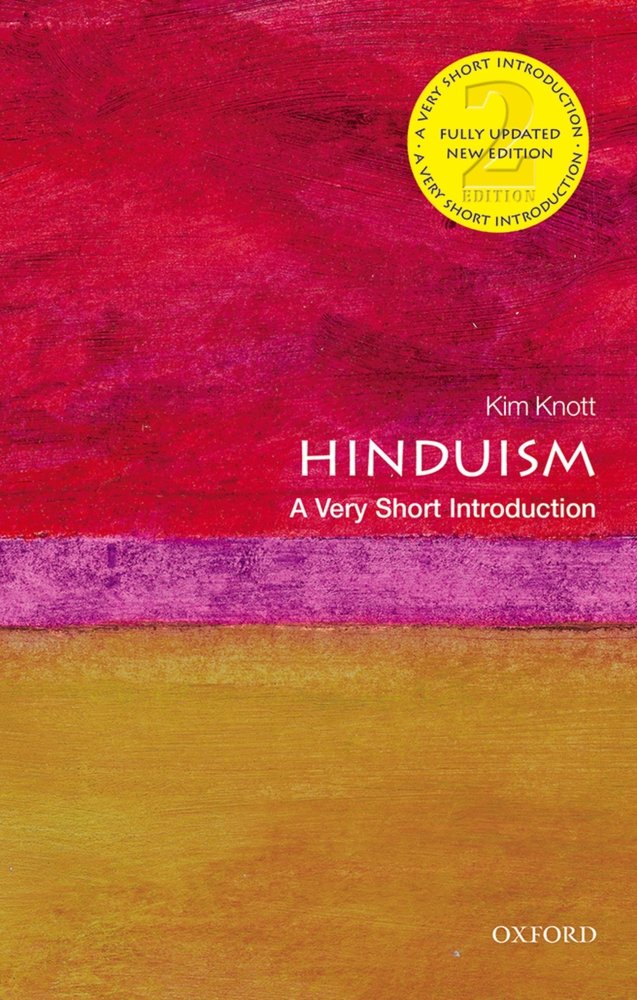
Hinduism: A Very Short Introduction by Kim Knott
From another enlightening series analyzing different subjects, the Very Short Introduction also examines Hinduism. One interesting feature of this book is the investigation of how the religion has been affected by colonialism. Knott also reviews the roles of women in the practice.
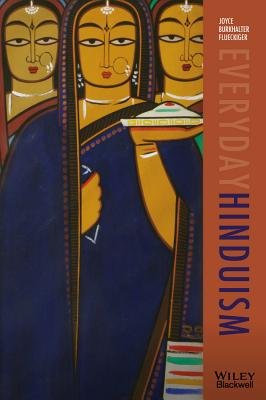
Everyday Hinduism by Joyce Burkhalter Flueckiger
This introductory textbook also offers a wealth of basic information about Hinduism. However, the information is based on the author’s fieldwork. The author researched important Hindu hubs, such as Chhattisgarh, Hyderabad, and Tirupati — but she also visited Hindu communities in Atlanta to consider the cultural diaspora within the population.
It is always interesting to learn about a new cultural tradition. From experience, we can confirm that the Holi festival is a fun and interesting event that we encourage you to take part in.
To discover books related to another Hindu festival, read our article: Must-Read Diwali Books That Really Spotlight Hindu Culture and Traditions.
For even more book recommendations, dive into our bookshelf: Did You Know? Bookstr Trivia for Your Curious Bookish Mind.
