

















The National Park Service is a well-loved institution for many across the United States. I’ve been to many of them myself, filling out my National Park Passport as I make my way through them. With the recent Executive Order instructing the NPS to modify park signage to convey a more “beautiful” image of our great nation, Americans everywhere are concerned that this is more than just a matter of nationalism. Read along to find what this means for our National Parks and what we can do about fighting back against the whitewashing of our history.
The Executive Order
On March 27th, the current administration signed another batch of Executive Orders. Part one of Executive Order 14253, “Restoring Truth and Sanity to American History,” begins by bringing up that “Americans have witnessed a concerted and widespread effort to rewrite our Nation’s history.” This rhetoric continues as the Executive Order claims this effort “deepens societal divides and fosters a sense of national shame.” After the dragging of the previous administration’s race relations, the Executive Order turns our attention to the Smithsonian American Art Museum and the National Museum of African American History and Culture. In both examples, exhibits are brought to the forefront as pillars of the “corrosive ideology” that this Order plans to eradicate.
“It is the policy of my Administration to restore Federal sites dedicated to history, including parks and museums, to solemn and uplifting public monuments that remind Americans of our extraordinary heritage, consistent progress toward becoming a more perfect Union, and unmatched record of advancing liberty, prosperity, and human flourishing. Museums in our Nation’s capital should be places where individuals go to learn — not to be subjected to ideological indoctrination or divisive narratives that distort our shared history.”
— EO 14253, Section 1, Purpose and Policy
In section two of the Executive Order, “Saving Our Smithsonian,” a plan is outlined for Senior Associate Staff Secretary, Lindsey Halligan, to work with the Smithsonian Board of Regents to “remove improper ideology” and “recommend […] any additional actions necessary.” The Director of the Office of Management and Budget is simultaneously ordered to work with Congress to ensure future appropriations to the Smithsonian to prohibit expenditure on exhibits or programs that “degrade American values and divide Americans based on race.” Also, for the American Women’s History Museum to “celebrate the achievements of women and do not recognize men as women in any respect.”
Part three, “Restoring Truth in American History,” instructs the Secretary of the Interior to improve the infrastructure of Independence National Historical Park in honor of the 250th anniversary of the signing of the Declaration of Independence.
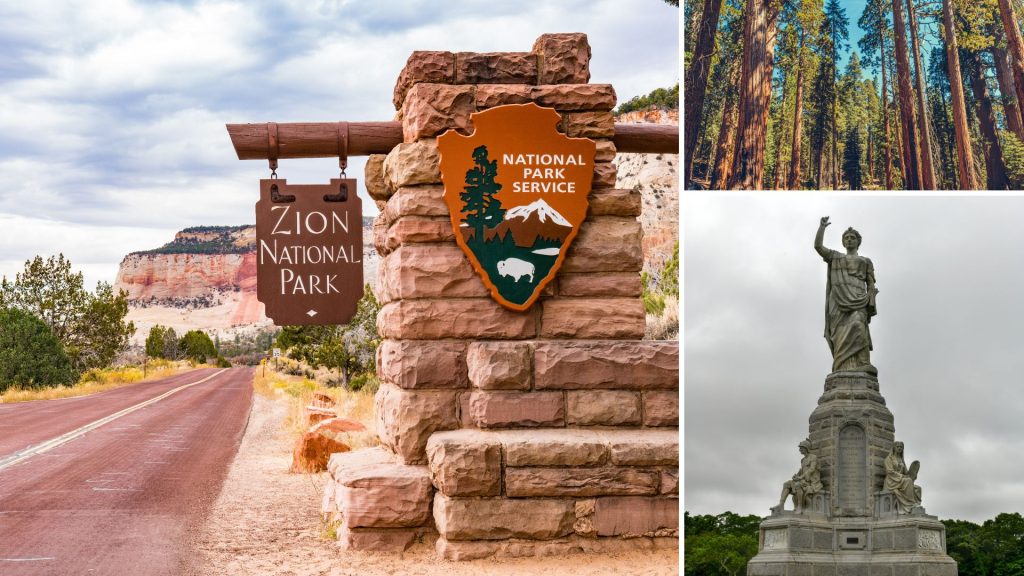
Section four, “Restoring Truth in American History,” addresses the major change that impacts the National Park Service. The Secretary of the Interior is ordered to determine if any of the public monuments or similar were removed “to perpetuate a false reconstruction of American history.” If any memorials are found, action must be taken to reinstate the monuments. Lastly, action must also be taken to ensure all public statues, markers, or similar do not contain “descriptions, depictions, or other content that inappropriately disparage Americans past or living.”
The Secretarial Order and Its Implementation
May 20th, a Secretarial Order from the Secretary of the Interior, Doug Burgum, circulated amongst the land management Bureaus directing the heads to comply with the Executive Order. Rehashing the background of the Executive Order, Doug Burgum calls for the restoration of Federal sites dedicated to history to be reminders of our “extraordinary heritage, consistent progress toward becoming a more perfect Union.” He then outlines much of what was in the Executive Order, drawing attention to the National Park Service, alongside other Departmental Bureaus and offices, including the U.S. Fish and Wildlife Service, the Bureau of Land Management, the Bureau of Indian Affairs, and the Bureau of Reclamation. He states that these areas with national historic landmarks, national scenic and historic trails, and national monuments must comply with the Executive Order’s mandate to “reflect American history and not partisan ideology.”
He goes on to say that public participation is encouraged, ordering signage to be posted “in as many locations within each property as necessary.” The Secretarial Order continues, saying “each such sign shall include a QR code […] allowing the user to provide a written entry,” that shall be actively monitored. Doug concludes the memo by saying the Secretarial Order is “intended to improve the internal management of the Department and to ensure implementation of EO 14253.”
The preservation of this irreplaceable heritage is in the public interest so that its vital legacy of cultural, educational, aesthetic, inspirational, economic, and energy benefits will be maintained and enriched for future generations of Americans.
The leaked memo from Acting Director Jessica Bowron outlines the plan to review changed or removed public monuments, memorials, statues, markers, or similar properties within 30 days of the Secretarial Order. Within 60 days, each department must then provide a report to the relevant Assistant Secretary that identifies any properties that were altered or removed, describing the nature of the removal, providing reasons for the alteration, and if the change was made to “perpetuate a false reconstruction of American history.” At the 90-day mark, each land management Bureau will then conduct a review of the properties to ascertain whether they align with the views of the current administration. By 120 days after the Secretarial Order, anything found to be inconsistent with Executive Order 14253 will be removed.
Implications for National Parks and Public Response
The implications of both orders affect, at minimum, 430 national park sites with more than 26,000 structures that are dedicated to our nation’s history and culture. The National Parks Conservation Association (NPCA) Senior Director of Cultural Resources spoke up on the Executive Order, saying, “For more than a century, National Park Service staff have worked tirelessly to provide park visitors with a truthful accounting of the people and places at the center of that history. That truthful and factual accounting of history should not change, regardless of which political party is in power.”
NPCA President and CEO Theresa Pierno released a statement in response, “Should Rangers at Harriet Tubman Underground Railroad National Monument avoid speaking negatively about slavery? Should Rangers at Manzanar National Historic Site avoid talking about the imprisonment of Japanese Americans during World War II? This new order sets a dangerous precedent of prioritizing nostalgia over truth at our parks.”
The National Park Service is mandated by law to conserve the scenery and the natural and historic objects and the wild life therein and to provide for the enjoyment of the same in such manner and by such means as will leave them unimpaired for the enjoyment of future generations.
Economic and Social Impact
With an already gutted budget, the protection, maintenance, and operation of our national parks are in jeopardy. The number of federal employees working for the NPS has decreased by more than 5,000 people since 2010. At the same time, visitor spending has increased from $14.7 billion to $26.4 billion as of the latest National Park Service Visitor Spending Effects report.
This spending increases local economic activity through more than just vacationers reserving lodging or buying souvenirs. It puts the money into the hands of locals who can further fuel the economy. The economic output can be tracked through these reports, showing that 40% was directly related to visitor spending, while 60% can be attributed to secondary effects.

A book for National Park enthusiasts, Valuing U.S. National Parks and Programs: America’s Best Investment, highlights some of the current and future threats to the parks as of 2019. With the rising fire dangers brought on by climate change, budgetary constraints are already a concern, and the current budget cuts exacerbate this issue. It may not be a pretty book filled with pictures of our national monuments, but it is essential. The book identifies the sources of their total economic value, including spending by visitors in parks, carbon sequestration, education and human capital, and the value of the National Park Service’s cooperative programming.
Historical Context and Progress
With part of their already reduced budget now being mandated for spending on QR codes and other resources, it isn’t hard to envision a world where employees are stretched thin and being criticized for acknowledging the wrongdoings of history. Racial exclusion at National Parks was rampant in the early 20th Century, and it is only in recent years that progress has been made toward addressing this.
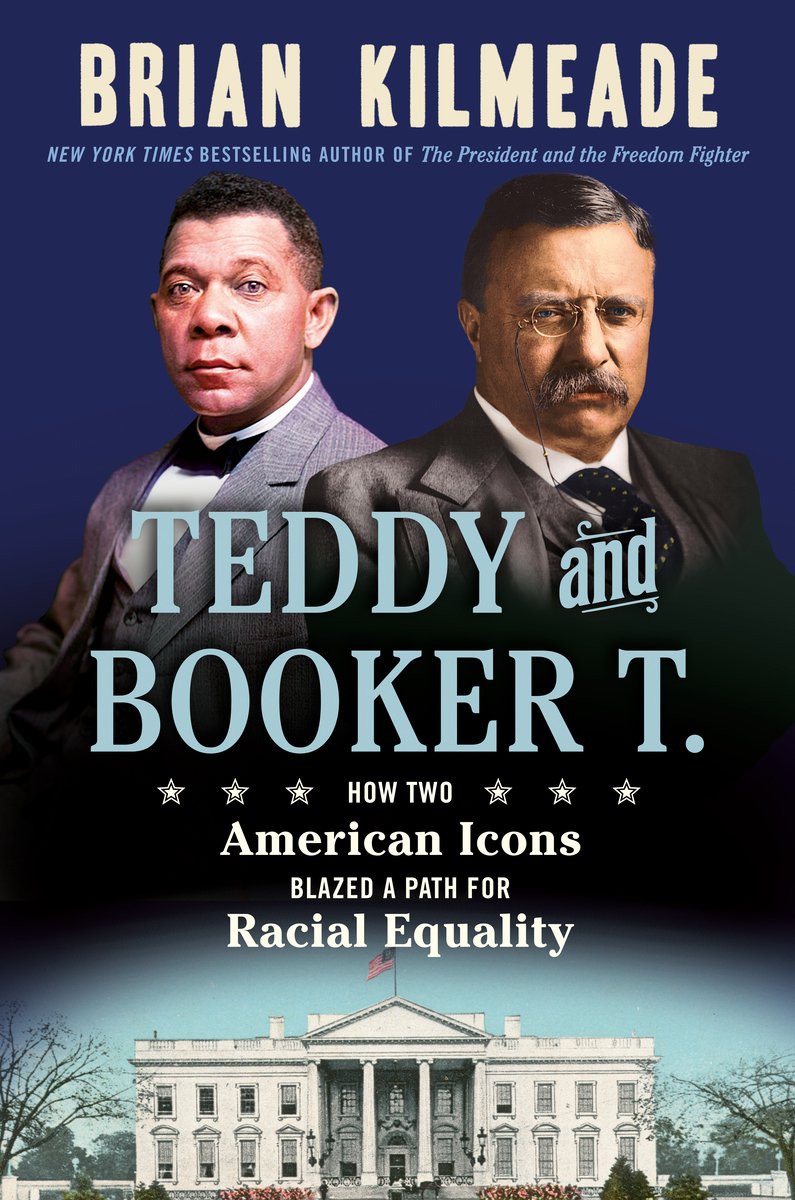
Teddy and Booker T.: How Two American Icons Blazed A Path For Racial Equality by Brian Kilmeade recounts the impacts that the two influential leaders had on each other and our society. In 1901, President Theodore Roosevelt invited Booker T. Washington to dine with him at the White House, long before his brother, Franklin Roosevelt, established his own “Black Cabinet” in the 1930s. It is during this time that the United States addressed its racial prejudice for the first time and began to make amends.
The Rollout of QR Codes and Public Reporting
As the deadline for the QR codes approaches, we are already seeing signs in the parks. The signs offer the QR code and a website to visit if someone would like to report “any areas that need repair, services that need improvement, or any signs or other information that are negative about either past or living Americans that fail to emphasize the beauty, grandeur, and abundance of landscapes and other natural features.” Most National Park Service landing pages on their website also have a TouchPoints web application asking, “Was this page helpful?”
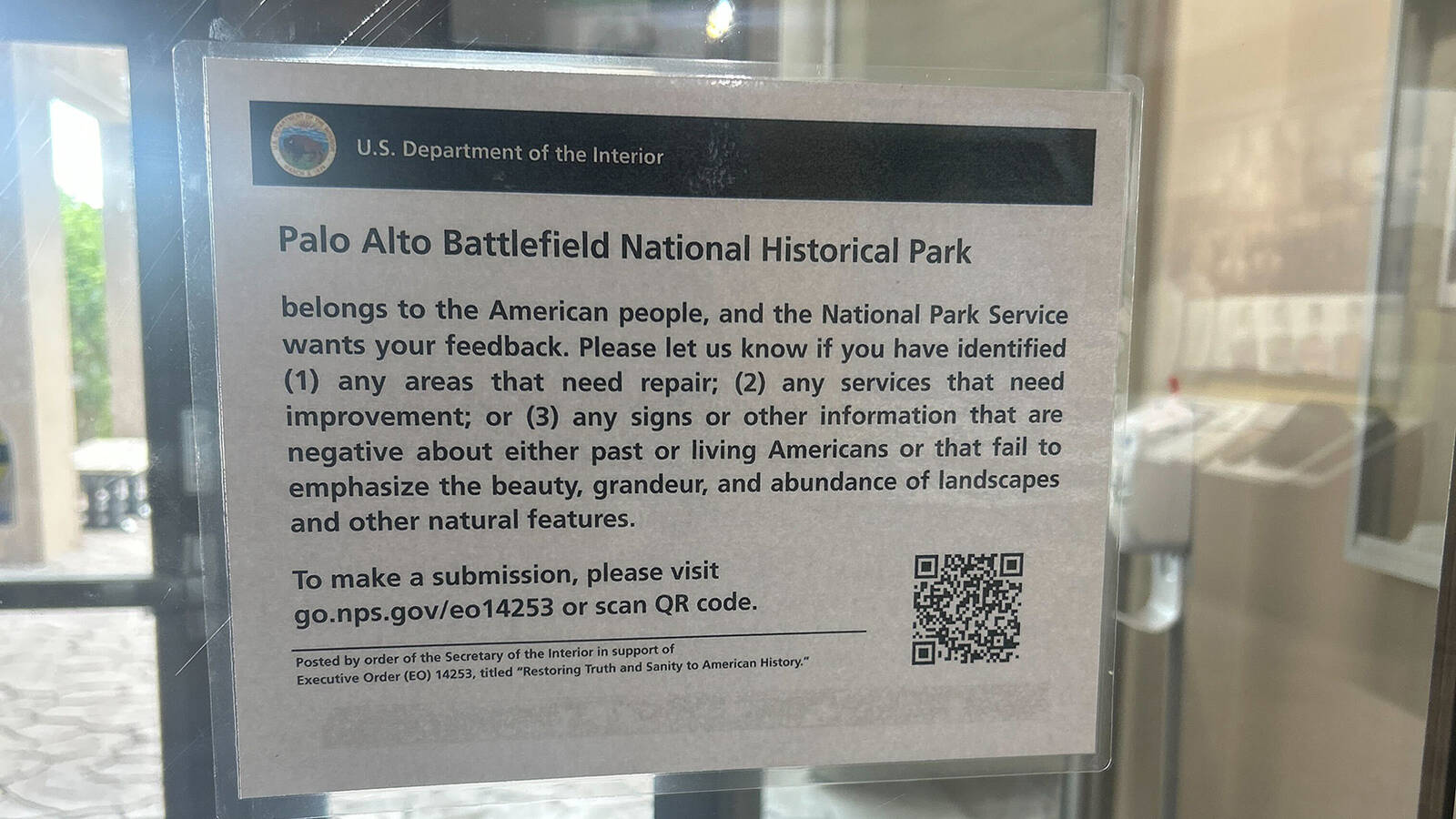
As we see these signs appear in historical places, such as Civil War monuments, discussing the colonization of our past, we will likely see an uprising of angry people. These people are among those who believe our children shouldn’t be learning about the most insidious parts of our history. It is in recent history that protests led to the dismantling of Confederate statues.
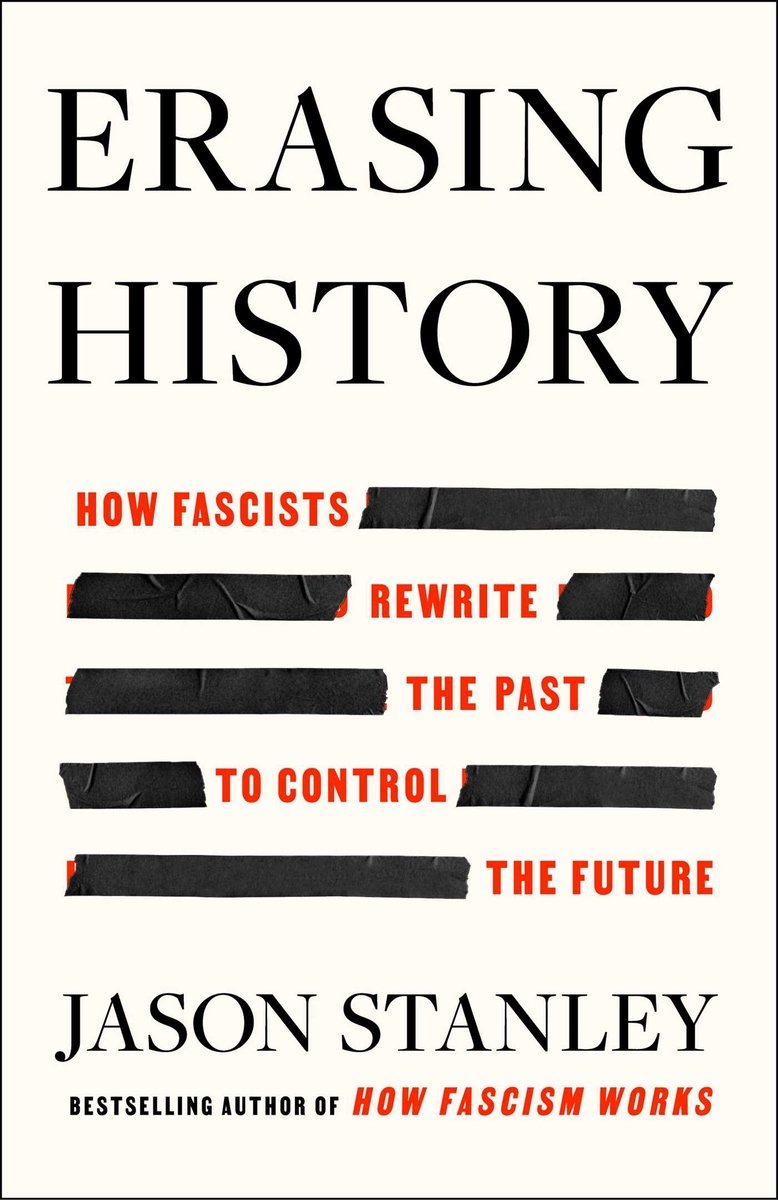
The current administration’s efforts to rewrite history can undo a century of progress if we sit back and watch. Exposing the true danger of these attacks, Erasing History by Jason Stanley identifies key tactics and those who fund the erasure. The historical examples of attacks on education and the indoctrination of an alternate narrative were both illuminating and validating at the same time. It details how fascism can take hold with racism, hatred, and bigotry while maintaining an easily digestible format.
The book also instills a fighting spirit in its readers, showing that all is not lost. Stanley’s insistence that critical thinking and a shared understanding of history and culture are archenemies to the way fascist governments operate and control people. When we keep reading, share our love for history, books, and culture, our very existence clashes with the ideals of the current administration.
Get involved at the National Park Service by partnering with employees around the nation, whether it’s teaching, learning, or volunteering your time, services, or supplies. As always, it’s imperative that we urge our congress members to reject efforts to erase or rewrite history. Send them a message to let them know that we, as Americans, won’t stand for historical erasure. Rewriting history should not be taken lightly, and definitely shouldn’t be done via QR Code.
Take these 9 Sure-Fire Sizzling Romances for Log Cabin Lovers on your next trip to your nearest National Park!
Check out our Stimulating Novels That Challenge the Status Quo Bookshelf on Bookshop.org.