










This week on Bookstr’s Around the World series, we’re taking a trip to the breathtaking mountainous and desert region of Iran! For years, literature from Iranian authors has been touching readers’ hearts and influencing their minds. Read on for some amazing recommendations, from 10th-century poetry to contemporary comic books.
Sadegh Hedayat
Sadegh Hedayat was a writer of many forms, producing short stories, novels, plays, satires, pieces of literary criticism, and more. He was also a major translator of Persian works, credited with bringing Persian literature into the global mainstream. He was born in 1903 in Tehran to an aristocratic family. He was immensely educated, with Hedayat studying dentistry and engineering before shifting his focus to literature. In addition to being educated in Tehran, he also studied in France. There, he came into contact with many Western writers like Kafka and Chekov, who greatly influenced his work.
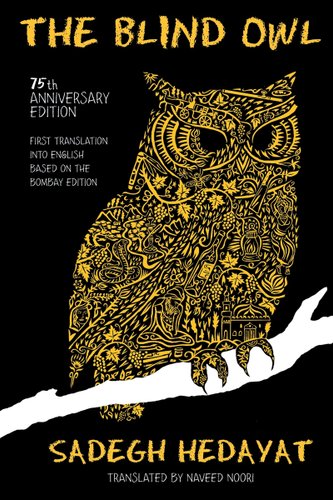
He was one the first Iranian writers to embrace the literary tradition of modernism in his popular work The Blind Owl. This unusual and groundbreaking novel follows an unnamed pen case painter, who, after being sent into a depression, begins to talk to an owl-shaped shadow on a wall. Despite his Western influences, he maintained a strong affinity towards Iranian folklore and was responsible for spreading its popularity among the young generation of Iranians.
Ferdowsi
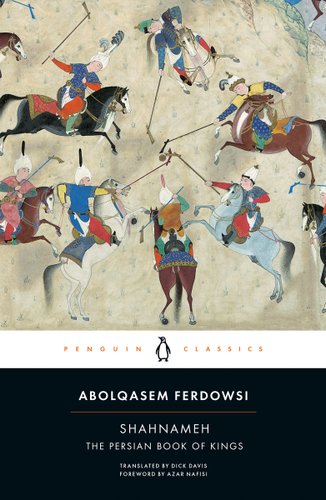
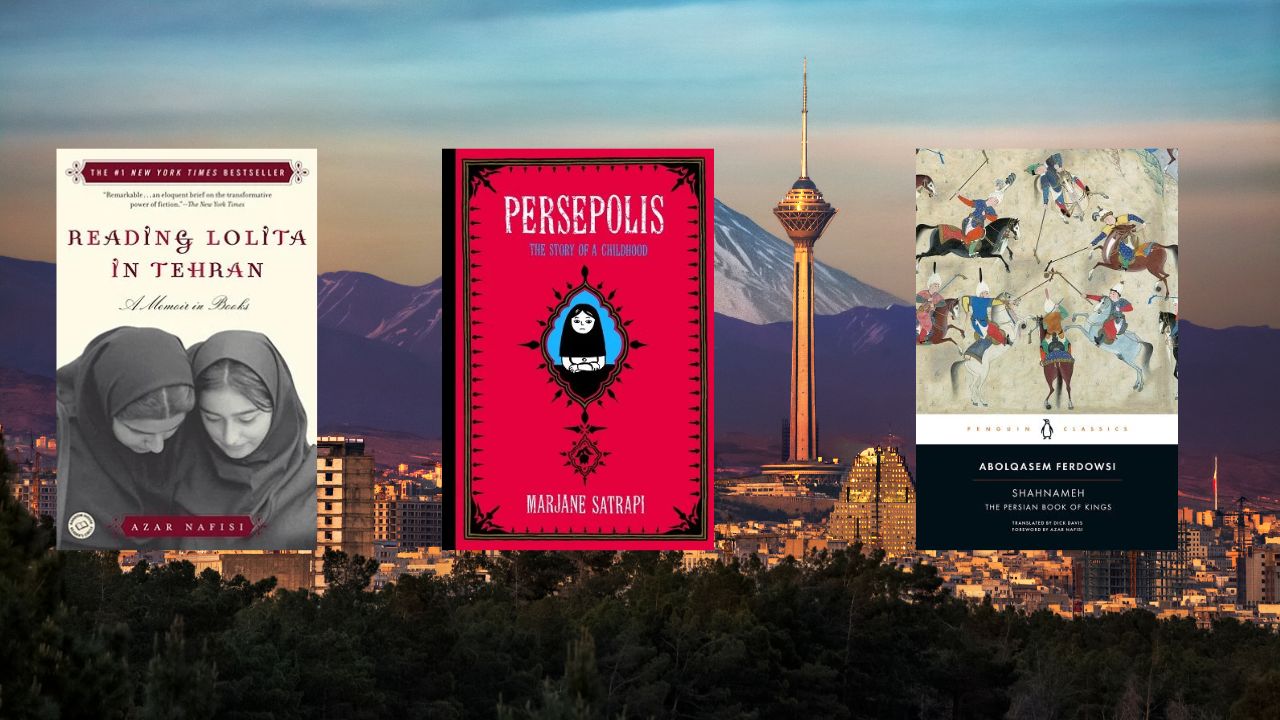
Ferdowsi is an early poet born in 935 AD. He is best known for completing the longest epic poem written by a single author – the Shahnameh. The poem was written as an elegy after the death of his son and has become known as Iran’s national epic. The work became the foundation of the Persian literary tradition, influencing many authors to come. Similar to Hadayat, Ferdowsi was born into a class of aristocrats. His prominent background introduced him to a wealthy sultan who served as his patron. Very little else is known about the life of this early poet, but his words live on!
Marjane Satrapi
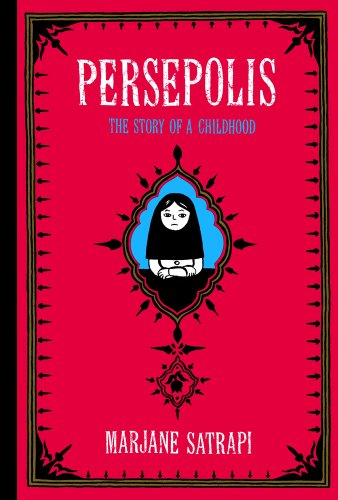
Even if you’re new to Iranian literature, chances are you’ve heard of the comic book Persepolis by Marjane Satrapi. Despite efforts to ban the text, it is studied globally in many classrooms. The two-part series is an autobiographical account of Satrapi’s time living during the Islamic Revolution in Iran. It was even adapted into an Oscar-nominated animated film. Satrapi isn’t a stranger to activism, having been born into a progressive family who resisted both the monarchist regime of the Shah and that of Islamic Fundamentalists. Satrapi herself would challenge modesty codes and media bans. As the situation back home became more dangerous, her parents sent her to live abroad in Vienna, where she attended a French school. Satrapi says that her mission in her writing is to humanize Iranians.
Her newest work was motivated by the rise in protests after the tragic death of Masha Amini, who died in police custody after being arrested for improperly wearing a hijab. Borrowing from the slogan of the feminist movement that subsequently rose, it is called Woman, Life, Freedom. The text is a collaborative work by many artists, writers, and activists. Through her work, Satrapi continues to highlight the crucial relationship between literature and activism.
Simin Daneshvar
Simin Daneshvar, born in 1921, is famous for being the first woman to publish a work in her own name. She reached this monumental first when, at the age of 27, she published a collection of short stories. The daughter of a doctor and headteacher, Daneshvar’s parents ensured she was highly educated. She first became a published author when an article she wrote in 8th grade was run in a local newspaper.
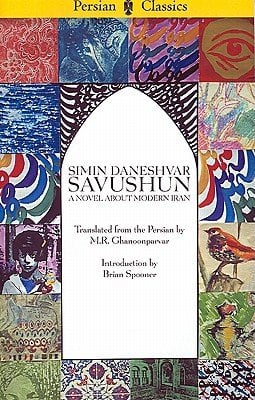
Her most famous text, Savushun, describes what life was like in occupational Iran at the hands of the Allied forces during WWII. Readers experience this time of famine and political tension through the perspective of ordinary Iranians. It predominantly follows Zari, the wife of an activist. Throughout the novel, Zari struggles with her desires for tradition, progress, and identity. The text is heralded for its realism and is a pillar of the modern Iranian novel.
Hafez
Jumping back to the past, Hafez is an Iranian poet most known for his ghazals – Arab-originating odes that deal specifically with romance and spirituality. Ghazals are composed of anywhere between six to 15 couplets that are all about a common symbol rather than a developing sequential idea.
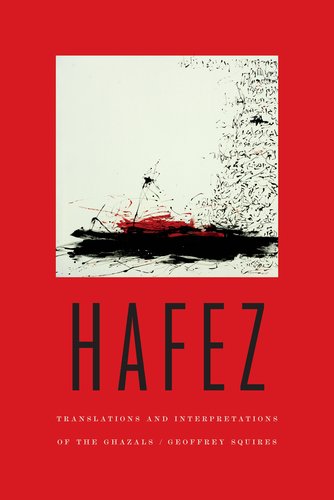
While not much is known about Hafez’s life, scholars do know he worked as a baker and a copyist before becoming the court poet at Abu Ishak. He was an extremely religious man, having studied and then taught theology. Legend even exists saying that he had memorized the entire Qur’an after hearing his father recite it once. His work endures today as the basis for many Iranian proverbs.
Azar Nafisi
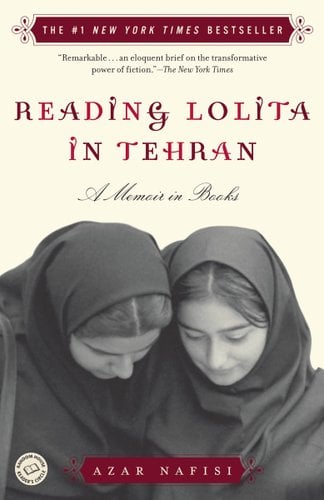
Azar Nafisi is the author of the critically acclaimed memoir Reading Lolita in Tehran. It’s an account of Nafisi’s time as a teacher during the Islamic Revolution in Iran. In an act of academic protest, Nafisi would gather a group of female students to secretly study banned works such as those by Austen, James, Fitzgerald, and, of course, Nabokov. Called a “memoir of books,” the work explores the connections between these literary texts and the daily lives and struggles of the students who studied them.
From spiritual poetry to comic books, Iranian literature has continued to evolve and modernize. One common strain is the message of resistance, freedom, and the importance that stories play in activism. These powerful commentaries have reached far and wide and continue to influence readers and authors alike.
To continue with Bookstr’s Around the World Series, click here!
For some recommendations from the Bookstr Team, click here!