











The beloved Heartstopper series authentically depicts LGBTQ+ youth in a relatable environment, helping teens everywhere feel recognized and affirmed. Since it was first published in 2019, this young adult graphic novel series has sold millions of print copies, had nationwide book tours, and three seasons of a Netflix TV series. The plot follows Nick Nelson, Charlie Spring, and their friends navigating young love, friendships, mental health struggles, and growing up. Heartstopper does not fail to inspire young people everywhere to be whoever they want to be and find happiness within themselves and from their peers.
Trigger Warning: The mention of eating disorders, obsessive-compulsive disorder, and anxiety may be triggering for some readers. Please exercise personal care when reading.
Gay and Lesbian Representation
The series portrays the bittersweet journey of self-discovery, the pressure of coming out, and dating for gay and lesbian characters. Readers follow Nick and Charlie’s relationship as it blossoms from a school crush to a committed romance. Nick, a popular jock, initially believes he is straight until he becomes friends with Charlie and begins to question his sexuality. As he starts dating Charlie, Nick comes out as bisexual.
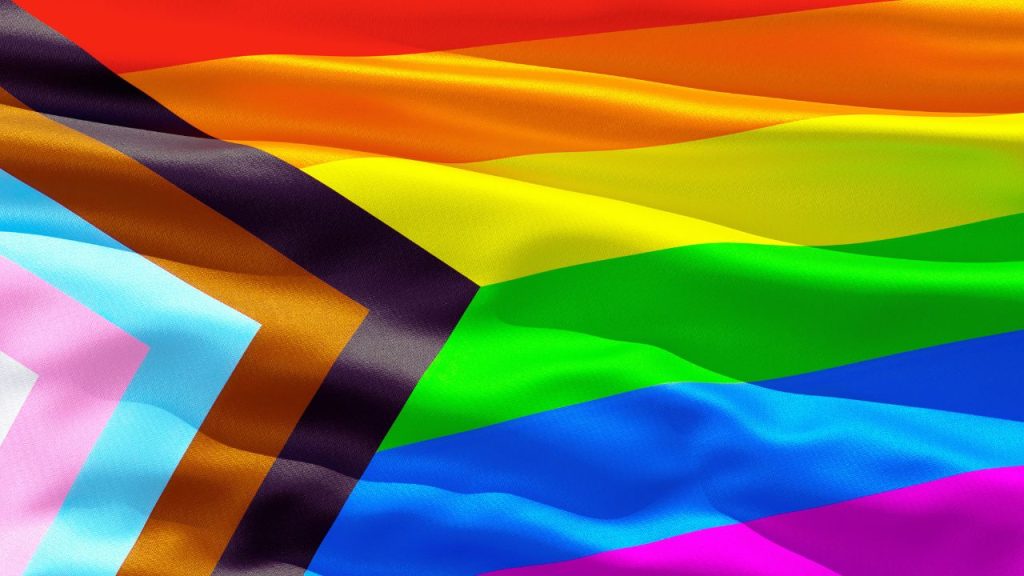
Additionally, their friends Tara and Darcy are a lesbian couple who also navigate the complexities of queerness. Both couples demonstrate how coming out can be difficult, especially to close family members and classmates, and how fears surrounding that vulnerability can affect the dynamics of relationships. These stories can help LGBTQ+ teens navigate their own stories and make them feel less alone.
Transgender Representation
Nick and Charlie’s friend Elle is a transwoman of color, speaking to the importance of transgender representation in young adult media. Elle does not define herself solely by her trans identity—it is just one part of who she is, on top of her love for her friends, her boyfriend, and her art. Her trans story is normalized, rather than seen as a narrative of negativity and stigma. Elle’s friends accept her and make it clear that she can be comfortable around them. Instead of focusing on the dark parts of gender dysphoria and transitioning, Heartstopper provides validation and hope for many transgender teens.

In season three of the Netflix adaptation, Darcy is portrayed as nonbinary and uses they/them pronouns. This much-needed visibility exhibits that gender can be fluid and transcend traditional boundaries of male and female. Tara continues to support and love Darcy as they embrace this identity. For teens who are also questioning their gender, Darcy’s presence empowers them to accept their true selves unapologetically.
Mental Health
The series does not stray from addressing many serious issues facing the mental health of teens. For example, Charlie suffers from an eating disorder and obsessive-compulsive disorder. The control of his eating behaviors gradually intensifies, becoming a way for Charlie to cope with stress and trauma from bullying. Nick shows how one should support and help their spouse with empathy, open-mindedness, and patience. The series also shows Nick’s perspective of confusion and sadness as he grapples with watching his boyfriend struggle.

At the same time, Nick struggles with anxiety and panic attacks. He cares deeply for Charlie and is hesitant to open up to him about his own vulnerabilities. This mental health presentation teaches teens that they do not have to struggle alone—it is okay to lean on their loved ones for support.
Heartstopper’s refreshing and positive portrayal of LGBTQ+ and mental health experiences provides many teens with invaluable reflections on their own identities. The series champions self-discovery, acceptance, and the importance of support systems for all young people. Not only does the series entertain, but it also creates a world where everyone, no matter their sexual orientation, gender identity, or mental health struggles, can feel seen and understood.
To feel safe at all times is a basic human right; let’s work to make this world physically and mentally safe for everyone.
If you or someone you know is battling with mental health-related distress, we urge you to be kind and hold space for them, and contact the 988 Suicide and Crisis Lifeline (confidential, free, available 24/7/365):
→ Call or text 988
→ Chat at 988lifeline.org
→ Connect with a trained crisis counselor
European RNCE +44 (0)141 331 4180 or www.rcne.com/
List of Hotlines in 46 Countries: https://wave-network.org/list-of-helplines-in-46-countries/
Read more about representation in children’s books here.
Click here to purchase Heartstopper #1.