






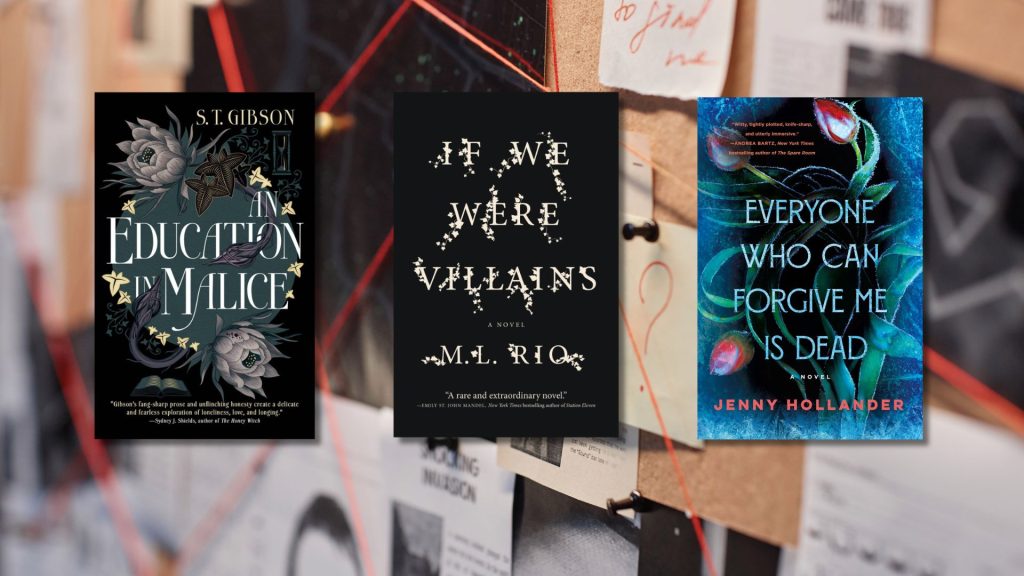


Morally gray basically means doing neither good nor evil actions. A morally gray character follows their own ambitions rather than worrying about the greater good or evil. They’re ambiguous, and their motivations are often complex and hard to understand. But they can teach us a lot, both about ourselves and about life, including love and redemption. Read on to learn more.
Everyone Deserves Love
Plenty of readers adore morally gray characters for their own reasons, and so often, these characters are loved by others in the story. They’re probably not loved by everyone, but they still have friends and family, and maybe a partner, too. They aren’t perfectly good people, but that doesn’t mean that they don’t deserve love and to be loved. Just like us, we aren’t perfect, and we don’t always make the “right” or perfect choices, but that doesn’t mean we are terrible people undeserving of love.

Look at all the morally gray characters who got a happy ending with a partner: Rhysand from A Court of Thorns and Roses, Silhara of Neith from Master of Crows, Aaron Warner from Shatter Me, etc. Sure, they all did some pretty messed up things, but it didn’t stop them from settling down with someone and being happy and from being surrounded by friends and other family. It shows that we don’t need to be perfect to love or be loved; we just have to treat our loved ones well and not be a completely awful person.
Our Decisions Don’t Define Us
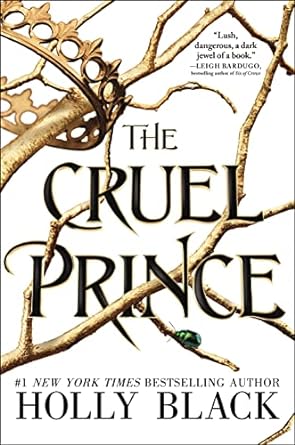
One of the biggest reasons a character is labeled as morally gray is because they will protect their loved ones at all costs. Whether that means fighting, killing, or doing literally anything else to protect them, it doesn’t matter. For instance, Jude Duarte from The Cruel Prince will do anything to protect her family. She protected her sister Taryn from getting bullied, she betrayed Cardan to protect Oak, and so much more. She was willing to kill, be cruel, and do whatever she had to if it meant the ones she loved could be safe. We can’t say that Jude is a “good” person, but I don’t think that her choices necessarily make her a “bad” one either.
Most people try to be good but sometimes make decisions that may not be considered as such. Self-defense, for example, is somewhat morally gray. It’s legal, but it’s not exactly considered “good” either. At times, we all must make choices that aren’t clear cut or maybe what we want, and we can feel a sense of guilt or frustration or that we’re “bad.” But making these sorts of decisions doesn’t define us; we don’t label these characters for making one questionable decision, so we shouldn’t do it to ourselves.
What Redemption Means
Redemption, in this context, is someone changing for the better or someone atoning for past sins. There are a lot of examples of this in fiction: there’s Zuko from Avatar: The Last Airbender, Ebenezer Scrooge from A Christmas Carol, Anakin Skywalker/Darth Vader from Star Wars, and so many more. These are people who have committed bad deeds but, in the end, came around to the good side. Their sins are not erased, but they wanted to be better people and help others.
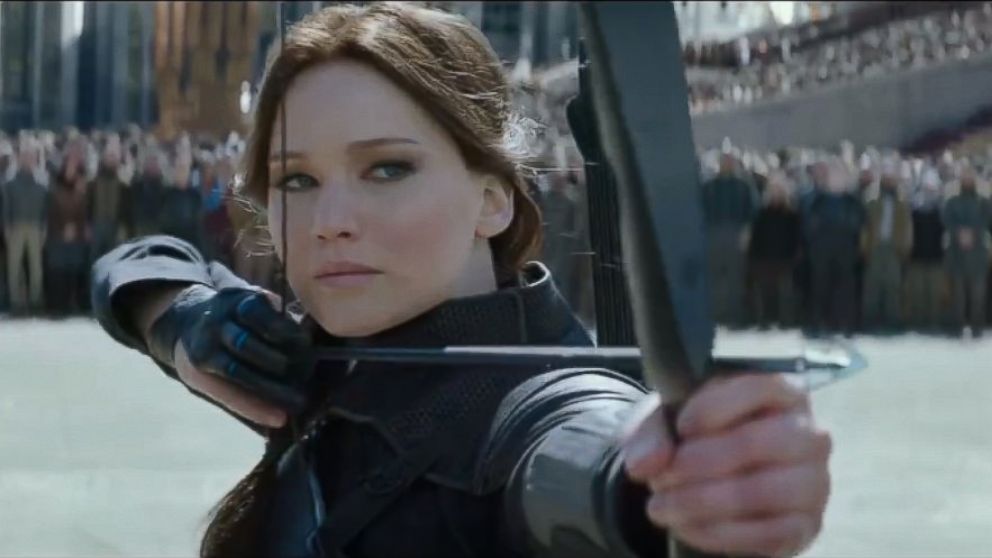
It’s more complicated with morally gray characters since their actions are more in the middle of “good” and “bad” rather than one or the other. For example, Katniss from The Hunger Games killed Coin instead of Snow, the one who was responsible for so much of the pain, loss, and unbearable agony that millions in the series had gone through. Some would say she messed up and that she was a “bad” person. But Coin would have been just as horrible, if not worse, so by killing her, Katniss saved the future of Panem. One might argue that her sin and the good she brought about cancel each other out.
What, in this case, would redemption look like? Does she need to be redeemed? If we, in real life, make a decision that seems bad but has a good outcome, do we need to redeem ourselves or make up for it? (This, of course, depends on what the decision is; I’m not advocating for or encouraging anyone to commit crimes.) I think it’s really up to the individual and those who were affected by their decision, if applicable, to determine this. There’s no one determination of what redemption should be because it’s such a murky area.
While we may not make all the same choices the characters make or even agree with them, there’s so much to learn from them.
Click here for an article on morally gray characters Bookstr loves.
Speaking of morally gray, check out our Dark Romance shelf on Bookstr’s Bookshop page.