






For many of us, our love of reading started in the library. I still remember the names of my first librarians: Vaughn and Rosine. They helped nurture my love for books and reading and were always armed with recommendations to keep me busy. All summer, I would drag my red wagon to the library in full Matilda Wormwood fashion. I loaded my wagon to the brim and returned every few days ready for another heap of books.
But what do you do if you don’t live close to a library or can’t afford the fees associated with one? Luckily, Little Free Library exists to help combat this challenge. Read on to learn more about the Little Free Library program and the growing importance of access to literature.
It’s a mailbox! It’s a birdhouse! No — it’s a Little Library!
If your town is anything like mine, you may have noticed more and more of these DIY libraries popping up like dandelions. Many of them have a similar structure: a slanted roof with a small door and a Little Free Library placard on the front. The design is reminiscent of a birdhouse, a community mailbox, or even one of Lucy Van Pelt’s iconic nickel psychiatry stands. Who is this mysterious company, anyway?
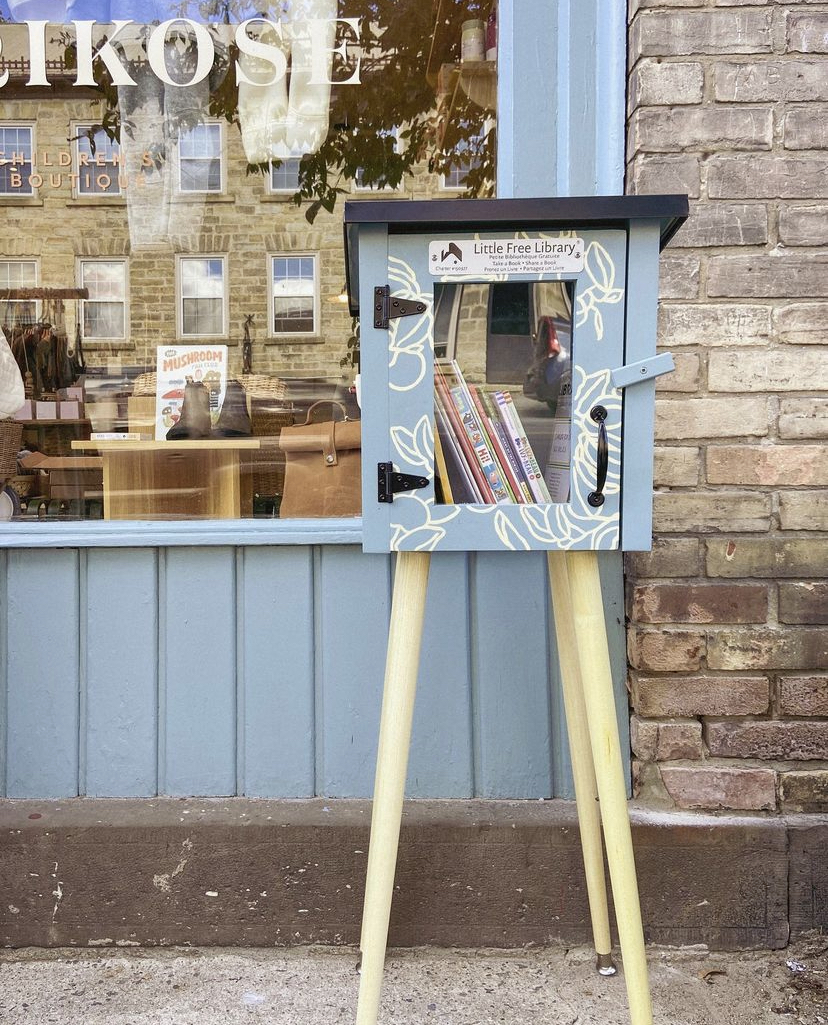
Founded in 2009, Little Free Library is a non-profit organization dedicated to expanding book access and fostering community. Their free book exchanges have skyrocketed in popularity and prevalence. As of 2022, there are over 150,000 Little Libraries located across the globe. This growth speaks to a worldwide desire for reading and knowledge.
Aren’t all libraries free?
Yes and no. True to their name, public libraries are open to all who walk through their doors. But if you want to check out any materials, a library card is a necessity. While library cards are free to residents of the district the library services, anyone living outside those bounds is required to pay a fee to acquire a card. This is where things get sticky. Depending on the location, non-resident cards can cost anywhere from $30 to over $100. And from the looks of it, those prices are going up every year.

A 2023 survey by the Library Journal found that between 2021 and 2022, 80% of libraries reported increases in their annual budgets. Because libraries largely rely on public funding, they are forced to compete with the online world and the eBook craze. One way they do so is by raising fees on things like digital media and non-resident cards. Not every city has its own designated library, and small and underfunded communities often have limited selections. (As a small-town resident, I can attest that my local library has a fairly minimal collection.) This leads to many readers seeking out alternatives.
Proof of residence is essential for obtaining a library card, whether or not the card is free or paid. This places unhoused individuals at a disadvantage. They may be able to enter public libraries, but they’re barred from taking books with them.
A World Where Reading Is Accessible to All
Little Free Libraries are the perfect solution to these barricades. With an unlimited number of possible locations, they can exist in any place with room for a post and a box. They even launched the Indigenous Library Program to bring book exchanges to Native American and First Nation communities. By nature, Little Libraries don’t require proof of residence or a library card of any kind. They are accessible by anyone, anywhere, at any time!
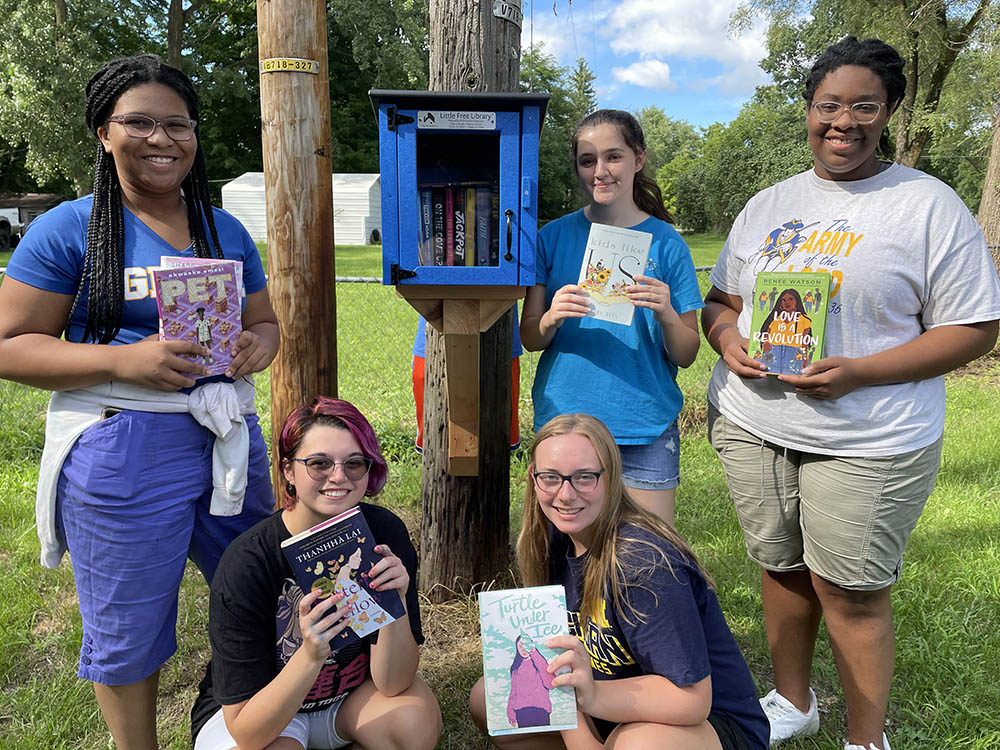
It’s important to remember the exchange part of the book exchange process. No library can function without a steady stream of books flowing in. Anytime you use a Little Library, you should remember to return at least as many books as you initially borrowed. The next time you have a box of books ready for donation, consider stopping by your local Little Libraries to help them stay stocked for the next reader!
It is more important than ever before to maintain literacy. Thanks to Little Free Library, easy access to books is always increasing. Be sure to check out their interactive map online or on the mobile app to find a Little Library near you!
Learn more about Little Free Library’s quest for accessible reading here.
Visit our Bookstr Recommendations bookshelf on Bookshop.org to help tide you over until your next trip to the library.