









Trigger Warning: The mention of sexual assault, pedophilia, incest, violence, and other potentially distressing/disturbing content may be triggering for some readers. Please exercise personal care when reading.
In almost all of Cormac McCarthy’s novels, you are guaranteed to find out the following: men kill. Men die. Men drink. Men ride horses. Men can be evil. Men can be good. Men persevere. Men go through utter and complete Hell.
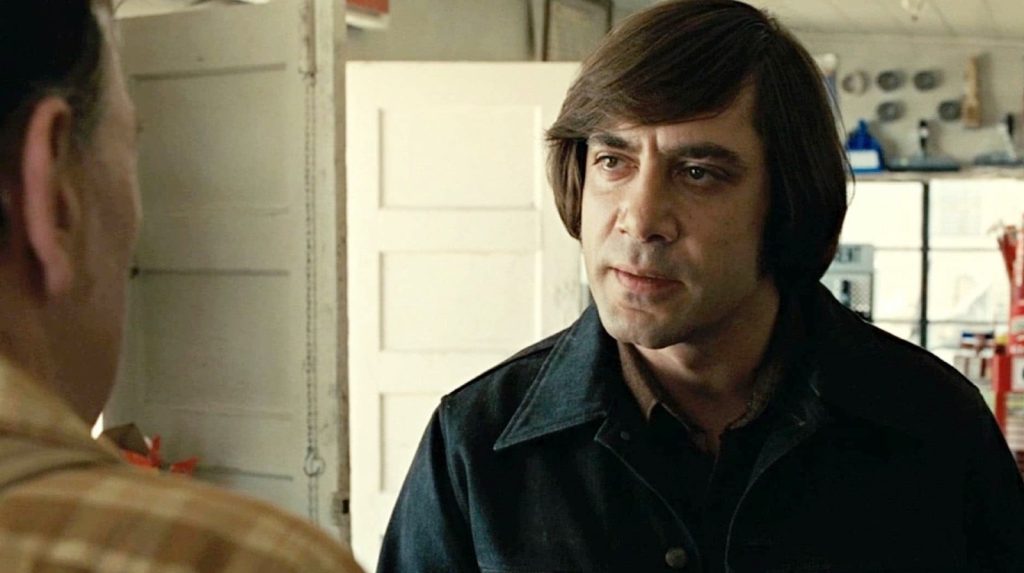
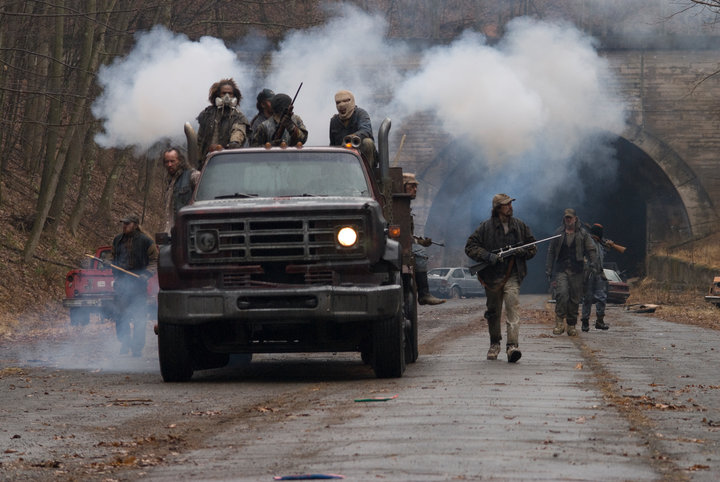
McCarthy’s men often trek through the background of a barbaric or apocalyptic American frontier. And whether being hunted or being the hunter, they answer the writer’s thematic question of whether violence and corruption are written laws in the human condition, questioning if mankind has any control over their destiny in the face of raw brutality. In Blood Meridian, a young runaway joins the journey of a gang that scalps American Indians. In Child of God, a violent man in Appalachia becomes a necrophilic serial killer. In The Road, a man and his young son navigate a post-apocalyptic landscape, steering away from cannibals that roam around what’s left of the world.
Undeniably, McCarthy writes about Hell on Earth, about a man’s fight in losing, gaining, and sacrificing his humanity. But where are the women? After all, don’t women share a world with the men in these novels? If the novelist is renowned for his exploration of the human condition, why is there a lack of female depth when detailing mortality and morality? And if McCarthy did write a woman, what is her place in McCarthy’s Hell? His second published novel, Outer Dark, which is set for a film adaptation featuring Lily-Rose Depp and Jacob Elordi, is the answer.
Women vs. McCarthy
In a 2007 interview with Oprah Winfrey while promoting his book The Road, Cormac McCarthy revealed that he doesn’t pretend to understand women. Despite his signature “never had, never will” attitude, in the context McCarthy was, of course, addressing the lack of female characters included in his work, given the fact that his books feature more wild horses, steel guns, and teenage runaways circling near the Mexico border than the opposite sex having a decent chunk of independent thought or main character engagement.
McCarthy gave Oprah a simple “Women are tough” argument, but with his being married and divorced three times (with a controversial love affair with his muse, who at the time of their meeting was a 16-year-old girl), no one questioned McCarthy’s ignorance or insensitivity to the female gender. After all, his work is largely embraced by a male crowd, and when Oprah even called him a “man’s man” writer, he had no rebuttal.
To McCarthy, women are mysterious and unknowable. Yet time and time again in his novels, he uses women — and the brutal violence inflicted on them — as a means to deepen the Hellscape he constructs for the sake of the plot.
In Blood Meridian, groups of unnamed women appear in the background of the protagonist’s journey, defined solely by the rape and pedophilia committed against them by men who do have names, stories, and lines of dialogue. In Child of God, the women Lester Ballard kills are also mostly nameless victims; only their exposed bodies and punctured flesh are described, intensifying the novel’s already disturbing tone and discarding any potential to unravel the female perspective of the human condition.
McCarthy’s men are allowed to feel disgust, fear, and hopelessness in the face of cruelty, while his women exist only to trigger these emotions, reduced to corpses and victims, scattered across paragraphs like props. Women serve as contrasts, as decorative symbols of the nightmares McCarthy’s men endure on their journeys of finding solace. They bleed so his men (and readers) can feel something, and exist to be ruined instead of remembered.
The Outer Dark Outlier
But how the hell was Outer Dark so different? And how did McCarthy get it right in his second book? The novel was published in 1968, following his debut, The Orchard Keeper, which already displayed the McCarthy we’re familiar with — outlaws, war, and murder in a landlocked Southern state. And yes: men.
But in Outer Dark, something shifts. The plot starts classically McCarthyian, gritty and cataclysmic: brother and sister, Culla and Rinthy Holme, live in an isolated shack deep in the woods of Appalachia. Rinthy bears her brother’s child, whom Culla leaves in the woods to die, lying to his sister that it passed from natural causes. But Rinthy doesn’t believe Culla’s lie, and she ventures alone on a separate journey to find her son while her brother takes his.
For the first and one of the only times in a McCarthy book, a woman’s pain is not used to decorate Hell, but she is permitted to experience it and explore the limitations of humanity for herself. Traditionally, McCarthy genders the human condition as a male expedition, where pain and violence become masculine and silence and erasure are feminine.
Yet Outer Dark functions as a split screen between male and female McCarthyian journeys, each navigating martyrdom, redemption, and extreme suffering. Rinthy has a name, a goal, and a burden she carries — one that drives her to confront questions McCarthy typically reserves for his male characters: Are men good or evil? Is love a burden or the only thing worth living for? And how much agency does she truly have over her fate?
Outer Dark is not just another gritty McCarthy novel; it’s evidence that a woman was able to walk the same scorched earth as his haunted men, carrying questions she’s never before been allowed to ask. As Outer Dark’s film adaptation is in development and set to begin filming in 2026, with Oscar-winning Son of Saul filmmaker Laszlo Nemes directing, McCarthy fans have plenty of time to ask themselves an important question of their own: Where the Hell were all the women all along?
For more Cormac McCarthy content, click here.
Want to read more books about womanhood and the human condition? Check out our list on Bookshop.