









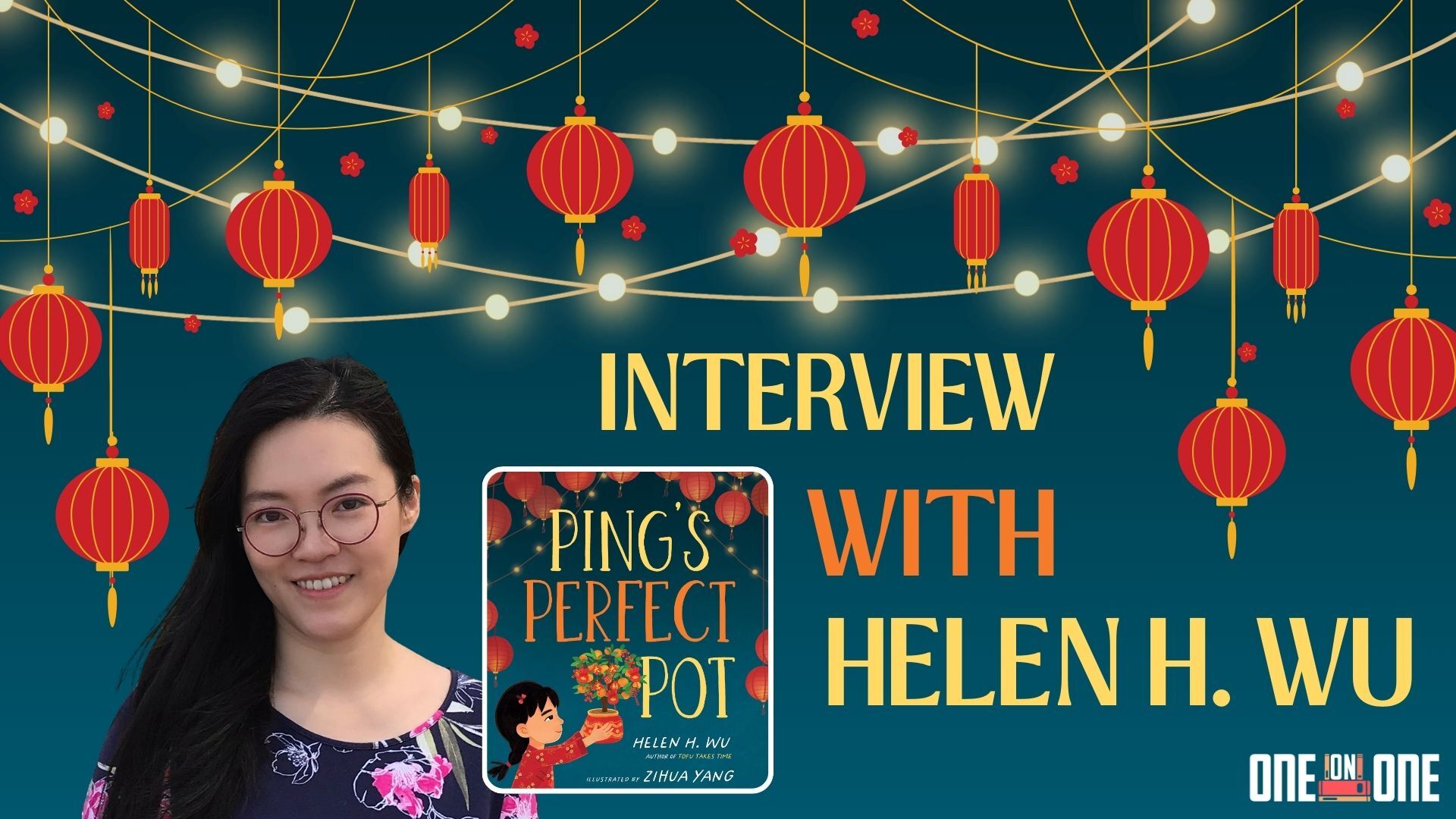
Lunar New Year is celebrated on January 29th this year, an event observed by many countries and cultures across Asia as well as by AAPI people throughout the world. For those who celebrate the Spring Festival and the Chinese Zodiac, we will be entering the Year of the Snake, making it a time for determination, self-reflection, and transformation. In Helen H. Wu’s new book Ping’s Perfect Pot, the main character learns something about all three of these things. We had a chance to sit down with Helen to discuss Ping’s Perfect Pot, as well as Lunar New Year and her advice for aspiring authors.
About Helen H. Wu
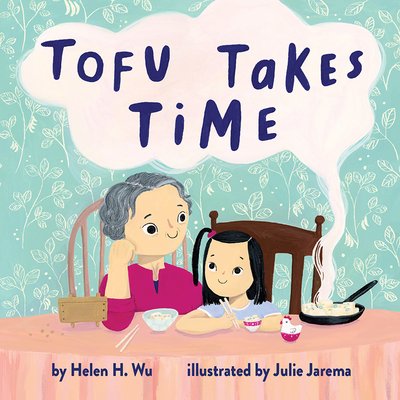
Helen H. Wu is a children’s book author, illustrator, translator, and publisher. She is the award-winning author of Tofu Takes Time, illustrated by Julie Jarema; Long Goes to Dragon School, illustrated by Mae Besom; and Ping’s Perfect Pot, illustrated by Zihua Zhang. Helen is also the author-illustrator of Capybara Zen and Everyday Happy and the founder of CapyFun, a brand featuring books, toys, and fashion inspired by a capybara-themed zen lifestyle. Fascinated by the differences and similarities between cultures, Helen loves sharing stories that empower children to understand the world and our connections. Born and raised in Hefei, China, she moved to the U.S. in her 20s and now resides in sunny Southern California with her family and two kids.
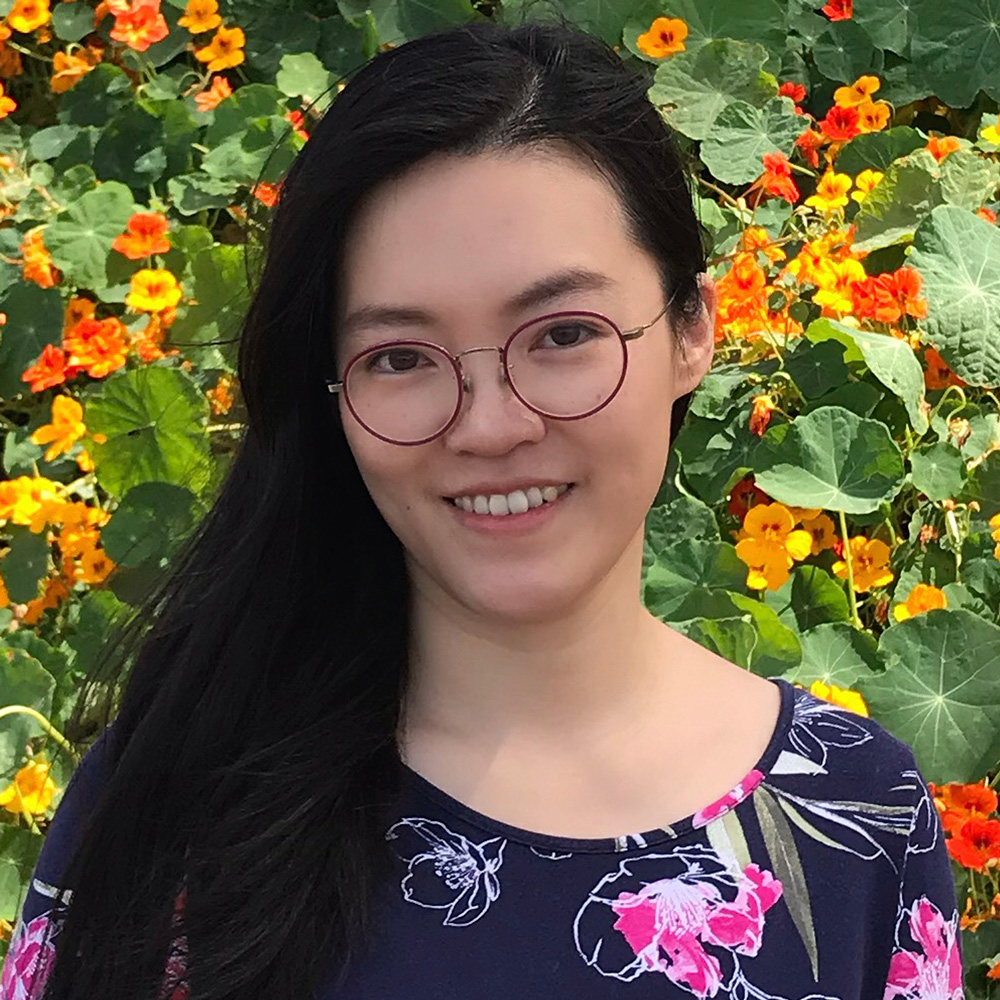
Thank you for talking with us today, Helen! Let’s dive in.
Can you introduce us to Ping? Why is she on a quest to find the perfect plant pot?
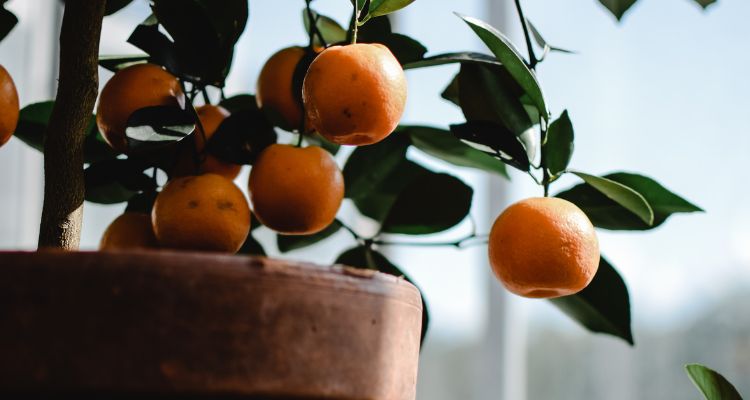
Ping is a curious and determined young girl who loves celebrating Lunar New Year with her family. She has a creative spirit and a big heart, always eager to contribute to the festivities in meaningful ways. When Ping and her Grandpa bring home a tangerine tree — a symbol of prosperity and good luck for the Lunar New Year — she wants to make it truly special by creating the perfect pot for it.
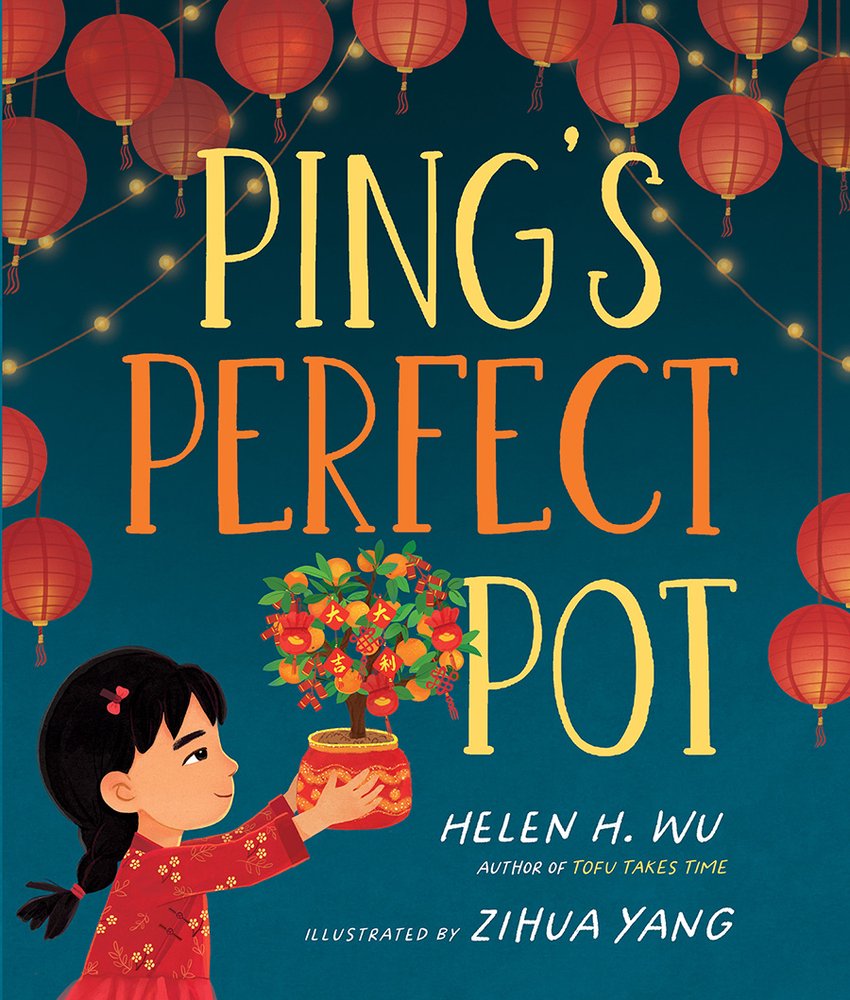
Ping’s quest for the perfect pot stems from her desire to honor the importance of the Lunar New Year and her belief that every detail counts in setting the tone for a joyful and auspicious celebration. Through her journey, Ping not only learns about crafting but also discovers the value of perseverance, creativity, and embracing imperfections. Her story is a celebration of both tradition and the beauty of learning and growing through challenges.
How does Ping’s journey tie into the themes of Lunar New Year?
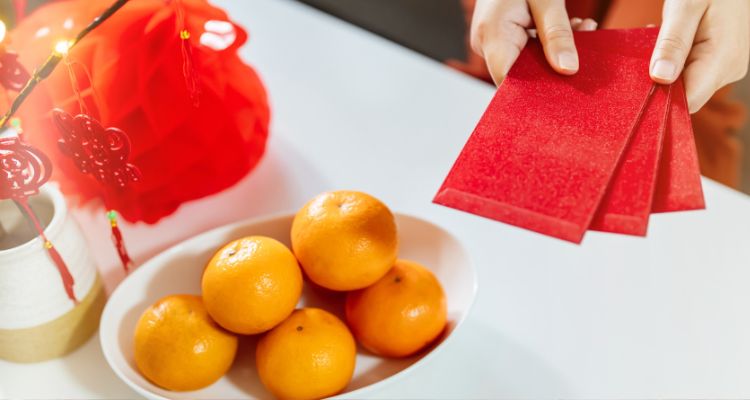
Ping’s journey ties beautifully into the themes of Lunar New Year, like fresh starts, renewal, and the importance of family. Just as the New Year is a time to sweep out the old and welcome new possibilities, Ping’s repeated attempts to create the perfect pot mirror the idea of embracing growth and second chances. The tangerine tree she’s working on symbolizes good luck and prosperity, connecting her efforts to the festive traditions of the season.
Through it all, her Grandpa’s guidance and encouragement reflect the central role of family in the Lunar New Year, where coming together, sharing wisdom, and creating meaningful moments are what truly make the celebration special. Ping’s journey reminds us that it’s not about perfection but about the love, care, and joy we bring to the things we do and the people we share them with.
What lesson do you most want young readers to take away from Ping’s Perfect Pot?
The biggest lesson I hope young readers take away from Ping’s Perfect Pot is that mistakes and setbacks are a natural part of learning and growing. Ping’s story shows that when something feels hard or doesn’t work out right away, it’s okay to take a breath, try again, and embrace the process. I want kids to see that the effort and love they put into something are just as important as the end result, and sometimes, the imperfections make what we create even more special. It’s a story about perseverance, creativity, and celebrating the journey, not just the destination.
In the book, you include some information for your readers on Lunar New Year traditions. Can people celebrate the Lunar New Year regardless of their backgrounds?
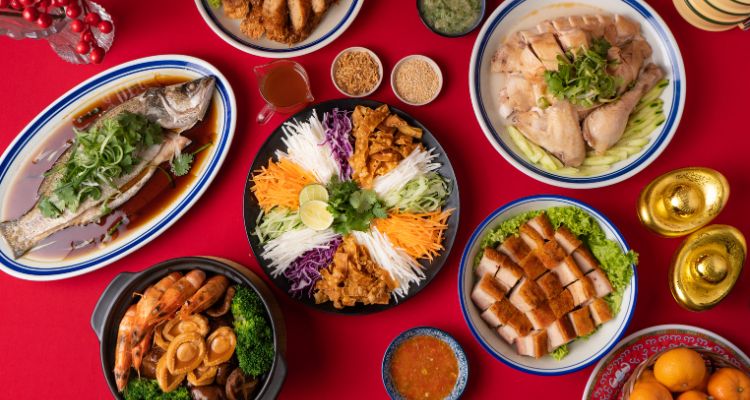
Absolutely! Lunar New Year is a celebration of joy, renewal, and togetherness, and its themes are universal. While the traditions have deep roots in Asian cultures, anyone can join in by embracing the spirit of the holiday — spending time with loved ones, enjoying good food, and reflecting on new beginnings. Simple gestures, like cleaning your space for a fresh start, decorating with bright colors, or even sharing a symbolic dish, can be meaningful ways to participate. It’s a beautiful opportunity to learn about and honor another culture while finding connections to your own values and traditions. Lunar New Year is about spreading happiness and hope, which everyone can celebrate!
This is the first time you’ve worked with illustrator Zihua Yang. Describe your collaborative process: how did the two of you weave together the art and story?
Working with Zihua Yang and the Beaming Books team was such an exciting and rewarding experience! The process began with the amazing editors at Beaming Books, Elizabeth Schleisman and Naomi Krueger, who helped shape the text until it was just right. Once the story was ready, Zihua collaborated with Elizabeth and the design team to bring the illustrations to life and create a beautiful layout. Elizabeth kept me in the loop by sharing Zihua’s incredible artwork, and I was thrilled to provide feedback and a few notes along the way. Seeing how Zihua captured the heart and energy of the story was truly magical. The entire team was a dream to work with, and it was a joy to see words and art come together so seamlessly to tell Ping’s story. I couldn’t be happier with how it all turned out!
You often like to use onomatopoeia in your books. What are your favorite onomatopoeic words?
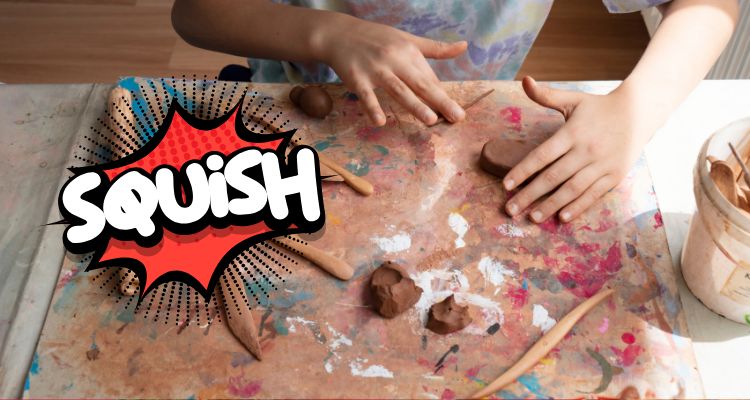
I love using onomatopoeia because it adds so much energy and fun to a story — it brings the scenes to life in such a playful way! Some of my favorites are “SQUISH, SQUELCH, SMOOSH” because they’re so satisfying to say and perfectly capture the tactile feel of working with clay as Ping does in the story. I also love “DAB DAB, TINK TINK, CRINKLE CRINKLE,” which feels bouncy and rhythmic, matching the movement of winding yarn. Onomatopoeic words make the story interactive and engaging for young readers, inviting them to join in and feel like they’re right there in the action. It’s always exciting to see how sounds can transform a moment on the page!
What advice would you have for aspiring picture book authors, especially in the AAPI community?
For aspiring picture book authors, especially in the AAPI community, my biggest advice is to embrace your unique voice and the stories that are deeply meaningful to you. Our cultures and experiences are rich with traditions, values, and perspectives that deserve to be shared with the world. Don’t be afraid to let your heritage shine in your storytelling — it’s what makes your work special and authentic. At the same time, read as many picture books as you can to understand how words and illustrations work together to create magic.
Keep writing, rewriting, and finding joy in the process. Connect with other authors and illustrators, especially within the AAPI community, because building relationships and supporting each other is invaluable. Finally, remember that your voice matters. Representation is powerful, and by sharing your stories, you’re helping to create a more diverse, inclusive world for the next generation of readers. So dream big, keep going, and let your creativity and heritage inspire you!
Finally, in honor of Ping’s Perfect Pot, what kind of plant pot would you be, and what plant would you hold?
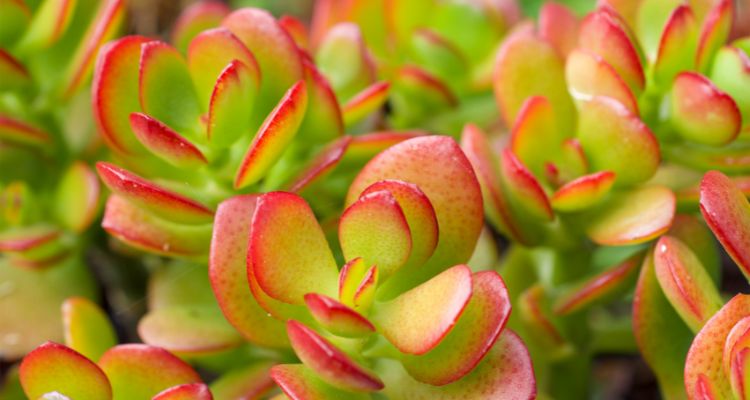
My Chinese name is Huiting Wu, 吴卉婷, and the character “Hui” (卉) means grass and plants in Chinese, which feels so fitting for this question! If I were a pot, I’d be a clay or porcelain pot with hand-carved floral patterns, elegant yet uniquely mine. Inside, I’d hold a vibrant jade plant, which symbolizes prosperity and harmony. Jade plants are resilient, low-maintenance, and full of life, much like the energy I try to bring to my stories. Plus, they’re said to bring good fortune, making them the perfect match for a pot inspired by Lunar New Year traditions and my name!
An enormous thank you to Helen for sharing her work and her time with us! We hope that she and you have a wonderful Lunar New Year. Be sure to find her online at helenhwu.com and follow her work on Instagram, Facebook, TikTok, Pinterest, Twitter/X, or YouTube. And, of course, don’t forget to add Ping’s Perfect Pot to your family’s reading list.
To see more of our favorite picture books, check out our article on the Best Picture Books of 2024.
To see all of our recommendations for mini bookworms, check out our bookshelf on Bookshop.