

















As we grow, we must often reconcile our understanding of the small world we experience in childhood with the larger world that we come to know as adolescents and adults. In your H.M. Bouwman’s latest middle grade novel, Scattergood, protagonist Peggy is undergoing this complicated awakening in 1941, an age long before the internet and cell phones, yet no less affected by global and cultural tensions. We had the chance to sit down with H.M. to talk about connections between the past and present, how grief can connect us, and the importance of discussing heavy topics with young readers.
About H.M. Bouwman
H.M. Bouwman is the author of middle-grade novels for kids, including the fantasy novels A Crack in the Sea, A Tear in the Ocean, and Gossamer Summer, the Owen and Eleanor chapter book series, and the historical novel Scattergood. Her books have been finalists for state awards, the “Best of” Kirkus list, a finalist for the Cybils, a Junior Library Guild Gold Standard selection, a Kid’s Indie Next Pick, a finalist for the Midwest Booksellers Choice Awards, and a VOYA top shelf selection. Bouwman is a college professor with a PhD in colonial and early American literature; she teaches literature and creative writing at the University of St. Thomas in Minnesota. In her free time, she’s raised two quirky kids and has practiced a traditional Korean martial art for over 25 years.
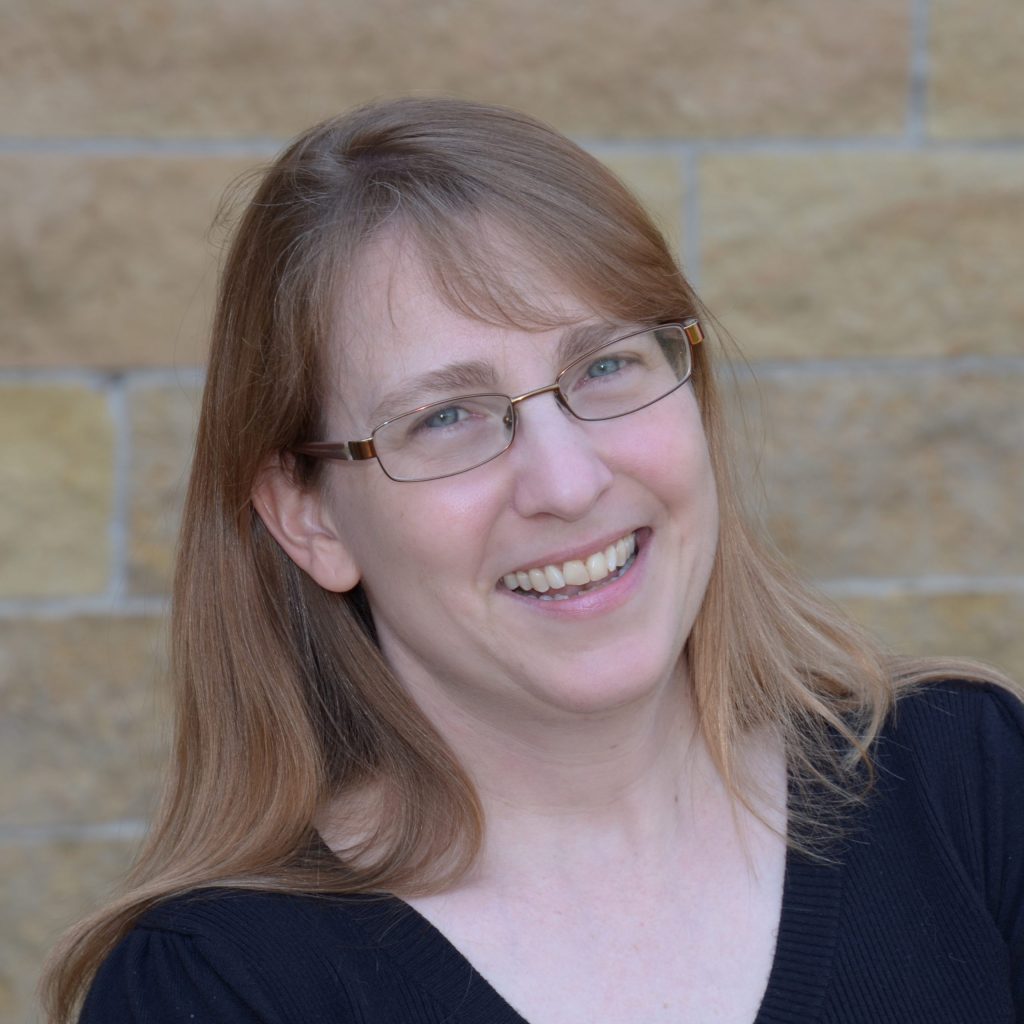
Thank you so much for taking the time to speak with us, H.M.! Let’s get started.
Can you please introduce our readers to Peggy and what is going on in her life at the start of Scattergood?
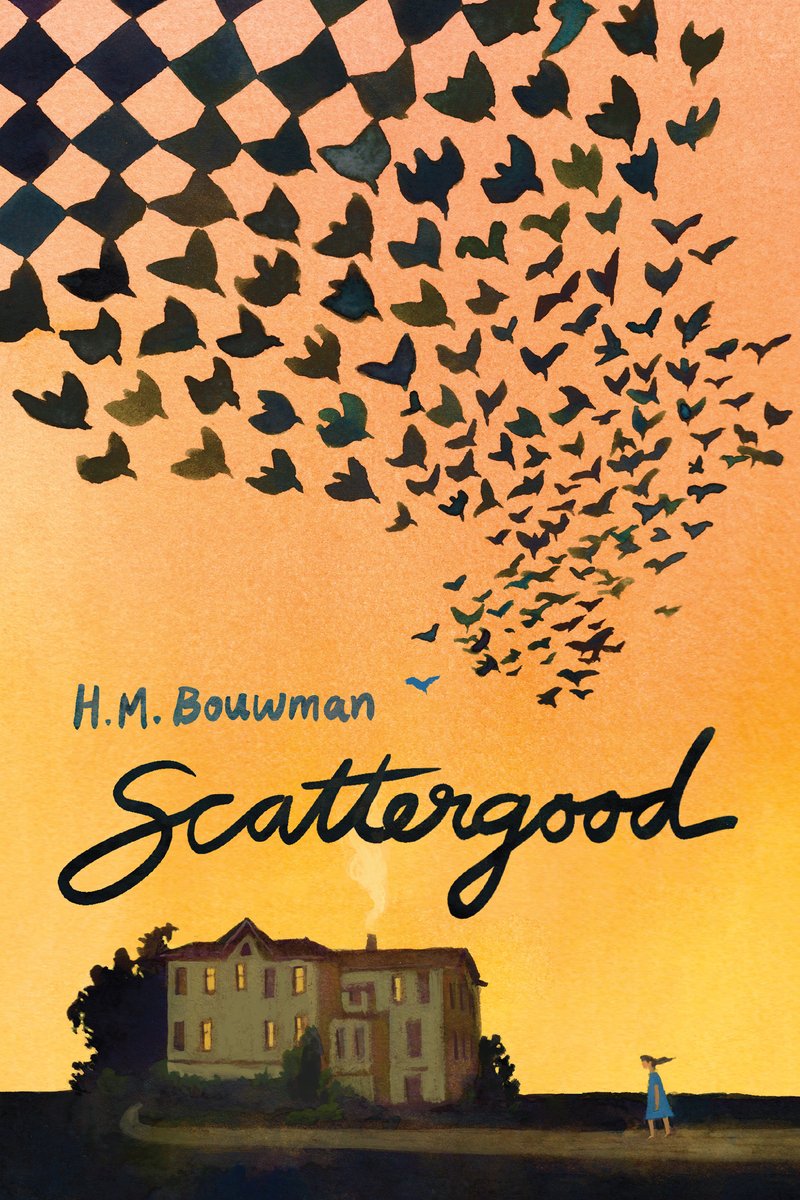
Twelve-going-on-thirteen-year-old Peggy, who lives on a farm outside of West Branch, Iowa, in 1941, feels like her life isn’t going great: she doesn’t fit in at school, her parents aren’t getting along, people don’t understand her literal and mathematically inclined mind, and life just isn’t exciting. Then she finds out that her best friend and closest neighbor, her cousin Delia, has leukemia, and she is determined to fix it, to find a cure. Meanwhile, she meets Jewish war refugees who live at the nearby Scattergood hostel while they acclimate to life in America, and she becomes friends with one of the older guests living there — a man whose life is not at all fixable, as his entire family is missing. The book at heart is about how we face grief and loss, and how we offer each other comfort and love.
Through Peggy’s interactions with other characters, readers are given a look at the experience of European-Jewish refugees who fled Nazi Germany. Why do you think the story of these refugees is a particularly timely one right now?
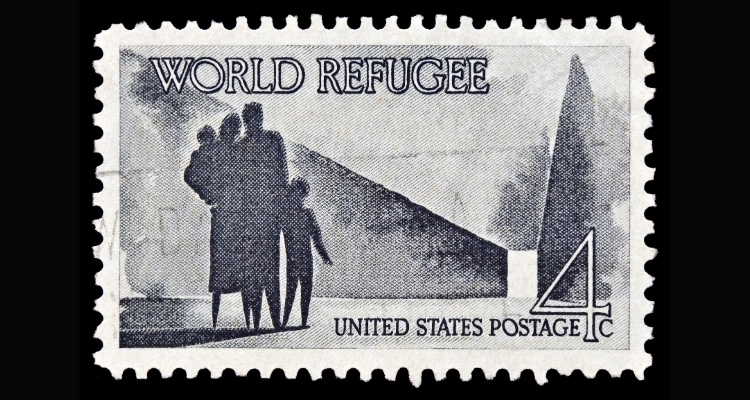
We are right now grappling with how to interact with people who are fleeing terrible situations in their home countries, and we are not, as a country, reacting with love and open arms. We can look for stories of regular people acting in good and loving ways, and we might consider using those examples as models for how we, too, might live.
One of the major themes of Scattergood is grief and loss and how it can affect the way we think, act, and connect to — or disconnect from — others. Why do you think young readers are drawn to stories like yours, which approach grief with such honesty?

In my experience, many kids have suffered enormous loss — of family members, of beloved pets, of their own health or a loved one’s health, of economic stability, of a feeling of safety at home or at school or in the world more generally. They need to read about how to survive that loss. And if a kid is lucky enough to never have suffered loss, they have friends and acquaintances who have. Kids in general want to empathize with others, and this is an honorable and good impulse, and they want to be seen and understood when they themselves are suffering.
Ultimately, the message of Peggy’s story seems to be that while the world is an uncontrollable and often disheartening place, we must try our best to put good into it. Why do you think that this is an important takeaway for readers of all ages?
I’m uncomfortable with the word “message” for a novel — it seems to imply that there’s a thesis, and novels just don’t work that way. A story radiates out in so many directions! But I get your point: to “put good in the world,” as you say, is certainly something that Peggy learns: part of what she can do in response to her own grief is to help other people survive theirs, and to give them comfort. We all have moments — maybe more than just moments — when we feel that the world is completely broken and we can’t do anything to fix it; and these are the moments when we need to know that even so, we can love each other.
All of your middle grade novels prior to this one have had strong fantasy elements; what was different about writing a historical novel based in reality?
Scattergood was the second novel I drafted, so when I first drafted it, it didn’t feel like a huge departure. I was still exploring what kind of writer I wanted to be. But it didn’t sell until so much later! And by that point, I was a “fantasy and historical fantasy” author. I feel less like I’m doing something new and more like I’m going back to an earlier choice and making good on it.
And I think the link between the fantasy writing and the historical is not only that history appears in many of my fantasy books, but also that most of my novels are (in part) exploring what it means to tell a story. I love the idea of stories as themselves having some magical qualities, which is also true in Scattergood, I think. There are some story retellings in this novel that shake up the world of the person to whom they’re told, and there are others that offer real peace to their hearer. (I’m trying to talk here without spoilers; sorry to be vague.)
One of our favorite questions to ask children’s authors is about the books they enjoyed when they were young readers themselves. Are there any books or series you read as a child that still hold a space in your heart?
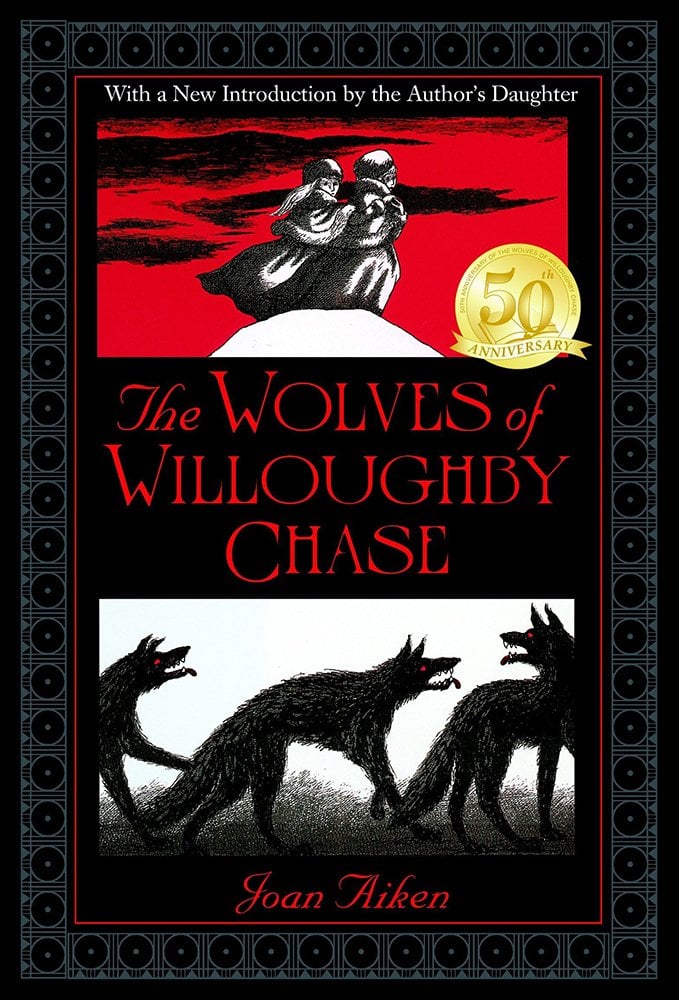
Yes, so many! But I’m just going to mention one of my all-time favorites: Joan Aiken’s The Wolves of Willoughby Chase and all its sequels. That book taught me what an oubliette was (and that big words belong in kids’ books!), and it taught me so much about how adventure stories could work. And it was alternate history! I didn’t even realize how alternate it was as a kid — not until some of the later books, which get more and more outlandish in their historical references. I loved and still love the playfulness and messiness of Aiken.
Lastly, in honor of Scattergood, what is one way you try to put good out into the world that you would recommend to others?
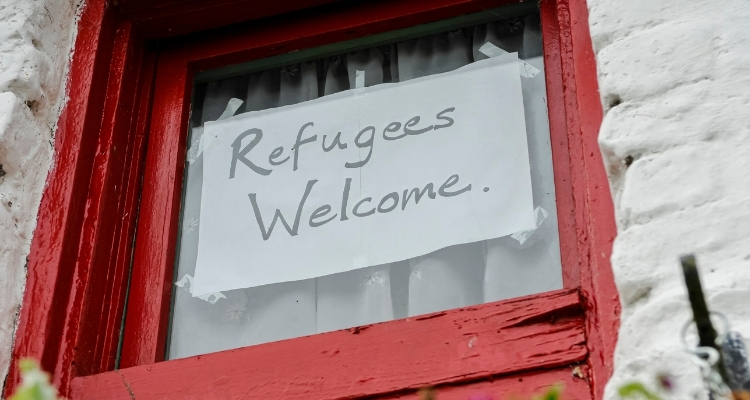
Listen with your whole heart to the stories that refugees and immigrants and asylum seekers tell, believe their stories, and try to see the world through their eyes.
A big thank you to H.M. for taking the time to share her work and thoughts with us! Be sure to find her online at HMBouwman.com and follow her on Bluesky. And, of course, don’t forget to add Scattergood to your family’s reading list!
To check out more of our exclusive talks with authors, check out our entire One-on-One Interview series!
To see all of our recommendations for mini-bookworms, check out our Bookshop bookshelf.
