
















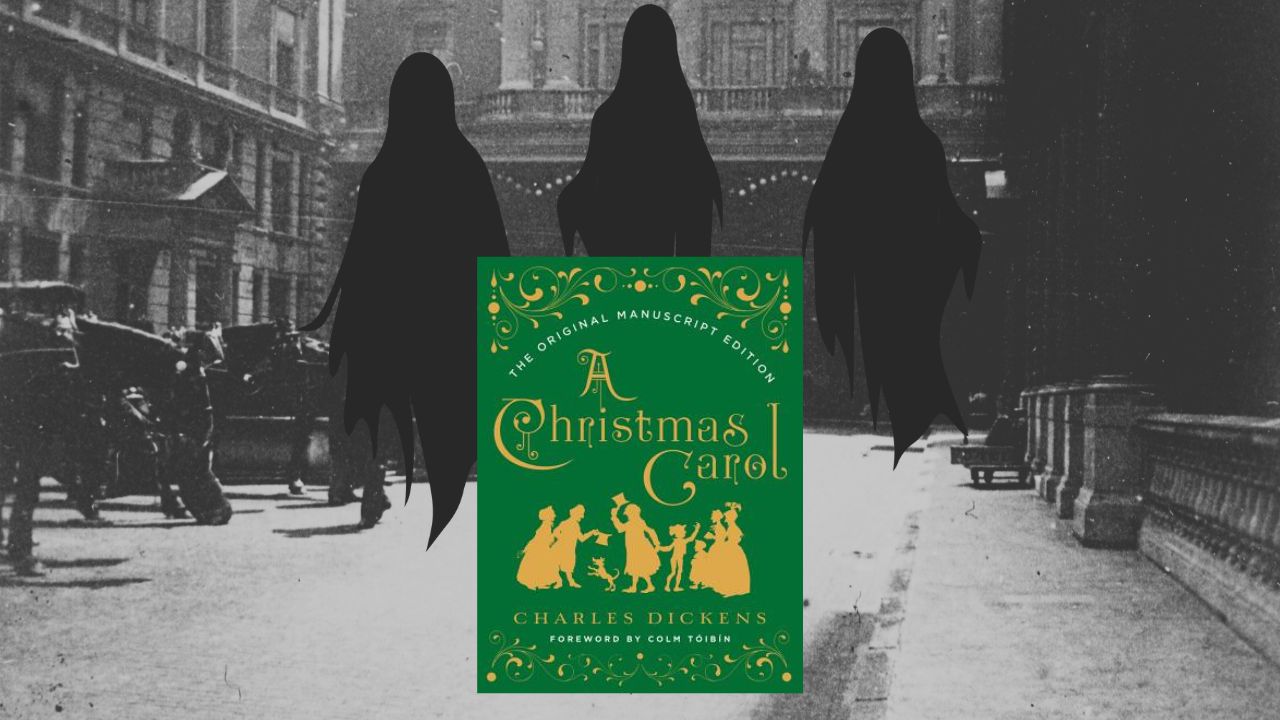
Christmastime brings seasonal stories that stay in our lives for only a month. Stories that we don’t mind watching or reading on repeat for thirty-one days capture the essence of everything Christmastime. A Christmas Carol is one of the most prolific tales that returns to us every December. With over 50 adaptations and over 20 editions of the written version, the story captures audiences time and time again. There’s an incredible reason why — the tale promises a ray of hope outside of our wrongdoings as the spirits of Christmas plaster childhood and adult memories alike on screen.
History of A Christmas Carol
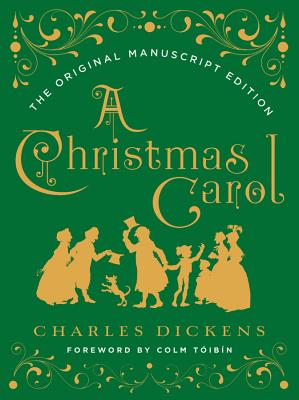
A Christmas Carol was originally written in 1843 by Charles Dickens. Coming off the failure of his latest novel The Life and Adventures of Martin Chuzzlewit, Dickens was pressured by his publishers to create a successful story. Thought to have been influenced by his interest in social justice, Dickens crafted A Christmas Carol in only six weeks. Due to his failed novel, Dickens was forced to pay for printing himself — this meant designing the entire book himself as well. Only being able to afford 6,000 copies, Dickens released the book on December 19, 1843. His efforts paid off as by Christmas Eve, not even ten days later, every copy of the book was sold out.
Grief in A Christmas Carol
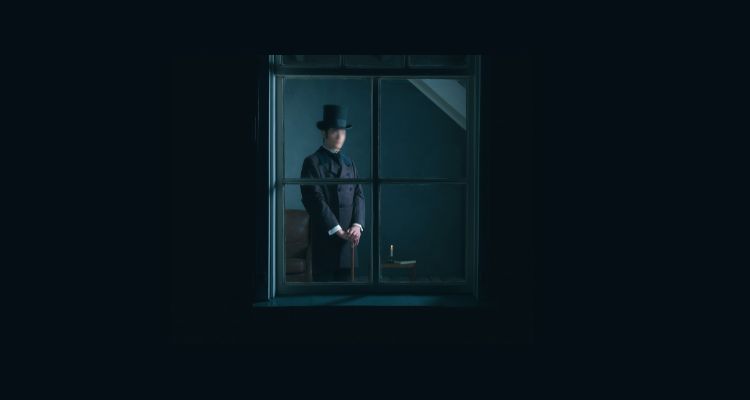
Grief lingers throughout the tale of A Christmas Carol. Grief absorbs the characters. It completely alters the chemistry in their brain and this is a reality for those who experience harsh grief in real life. Grief clings to bones and leaves people wrung out — drained versions of themselves.
The hardest moment of grief is when Scrooge is brought into the future by the Ghost of Christmas Yet to Come. In the poorest part of town, Scrooge is shown the Cratchit family in an upcoming Christmas without the youngest of their children, Tiny Tim. Passed due to the ailment he’s had all his life, the young child leaves his family — especially his father — grief-stricken.
In the moment the audience sees Bob returning home during the vision of the future, he is undeniably different. His person is empty of all joy he once returned home with. His family notices this, and worse yet, he recognizes their acknowledgment. To revert to his previous self, Bob puts on an effect of joy before abandoning the act. Grief clings too heavily to him, understandably so, and changes the man he is.
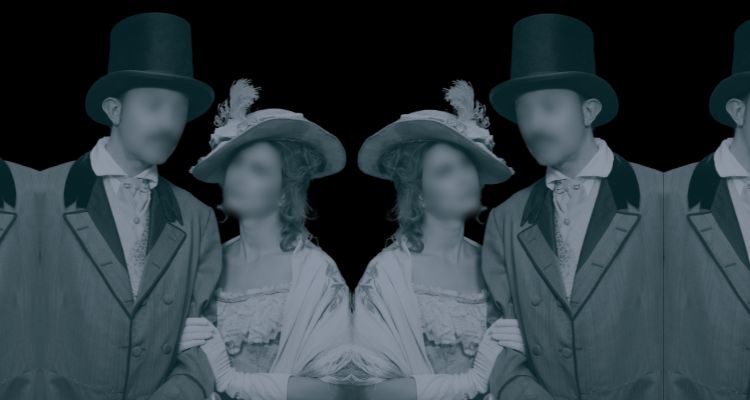
Though the grief of Scrooge is largely dismissed because of the cruelty that entangles his person after experiencing such pain, the reality is that Scrooge has become who he is because of grief. Audiences see a hope of change, long before his outright demand for it when he is faced with his death, when Scrooge first experiences the spirits.
Jacob Marley beholds himself to his mentee and in the moment of his long speech on the pains he has experienced and the pain that is yet to come for Scrooge, Ebenezer pleads with Marley. He asks Marley to “speak comfort” to him. In this way, Scrooge asks for change in the treatment of his person. The previous approach to himself by Bob, Fred, and his community, Scrooge seemingly brushes off without care and almost with pride. Upon being face to face with one of his friends, a source of his grief, Scrooge peels back this bitterness for a moment to request relief.
After his first meeting, Scrooge is brought into the past by the Ghost of Christmas Past. He is shown the ways he used to be — cheerful, soft, romantic. At each moment he is reminded about the grief he faced. Upon seeing his childhood life, the spirit tells of his sister’s passing. Then again, upon seeing his ex-fiance, he is reminded of their separation. Grief follows Scrooge through the story, and the further in his life he goes — closer and closer to the present day — the audience, as well as Scrooge, become ever aware of the way that grief has chiseled away the person he used to be.
Change in A Christmas Carol
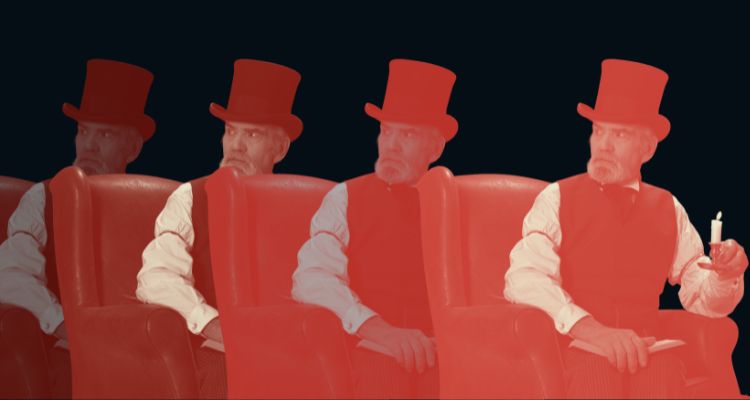
Scrooge is made to look at this change face-to-face. It hurts him. He is reintroduced to the man and boy he was, the complete opposite of the old man he’s become. In these moments, with the Ghost of Christmas Past, Scrooge smiles and even giggles — a hard truth for audiences to understand after seeing his treatment of his employees and the reactions of his community to his presence. Nevertheless, Scrooge calls out to his young companions, and he rejoices upon seeing Old Fezziwig’s.
It’s not until he is met with one of the stark moments that made him change — when Belle leaves him — that he is presented with that grief again. Bitterness settles in him once more. He puts out the Ghost of Christmas Past in a fury.
The reality of change is difficult to face, especially if it is a change in oneself. Especially, when that change has been for the worst. In response to confrontation on one’s let downs or failures, one can react in defense — harsh, bitter, tooth-and-nail defense. This is the route of Ebenezer Scrooge. He finds safety in his vileness the same way he finds security in the dark. Though put face-to-face with his younger joyous self, and knowing that change has happened, he is so sure that lightning only strikes once. That change will not visit him again and his vileness is far too cruel to be repented.

And audiences are there with him. When Scrooge pounces on the Ghost of Christmas Past, there is no shock or surprise that he would respond in such a way.
The Hope
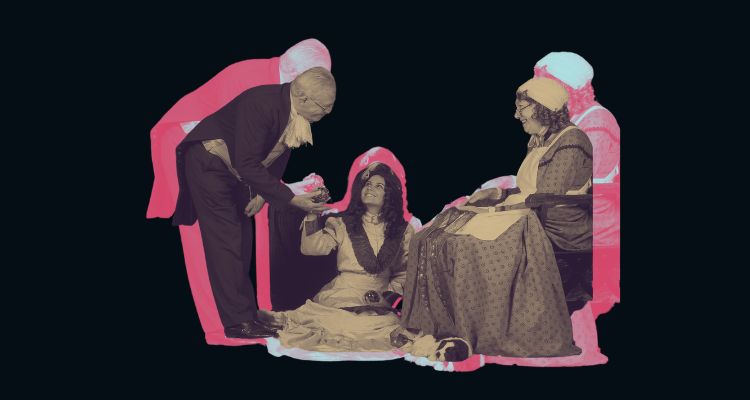
A Christmas Carol dynamically poses these two elements side by side, grief and change, like the two children within the Ghost of Christmas Present’s coat. Dickens expertly establishes these two constants of human nature as outlets for humanity and community.
He brings these two elements as opposition, offering the characters of Scrooge and Bob Cratchit as examples of how these two factors can alter an individual. He surrounds these characters with individuals ready to catch them upon their fall, willing and able to support these men during their truly deep grief. Fred tirelessly returns to his uncle’s workplace to offer him a warm house and a full plate for Christmas. Though he knows his uncle will deny him, Fred continuously greets him with open arms. Bob is surrounded by his children and his wife at this familial time of grieving. In this way, Dickens establishes the first call to hope in his story. Change and grief are a universal effect brought on by morality.
The story offers hope in its characters, change is ever present, and grief strikes, but it shall not consume. The 100+ old tale still brings tears to eyes and joy to hearts when audiences are reminded that it is never too late to change. No matter the wickedness, no matter the cruelty or harsh words, there is hope. Hope for forgiveness, for penance, for betterment.
For Bookstr’s favorite holiday recs, read the article 10 Christmas Books To Feel the Joys of the Holiday This Summer.
Looking for more ghoulish and ghastly haunts? Read a book from Bookstr’s Spine-chilling Horror Novels Not For The Faint of Heart collection.