




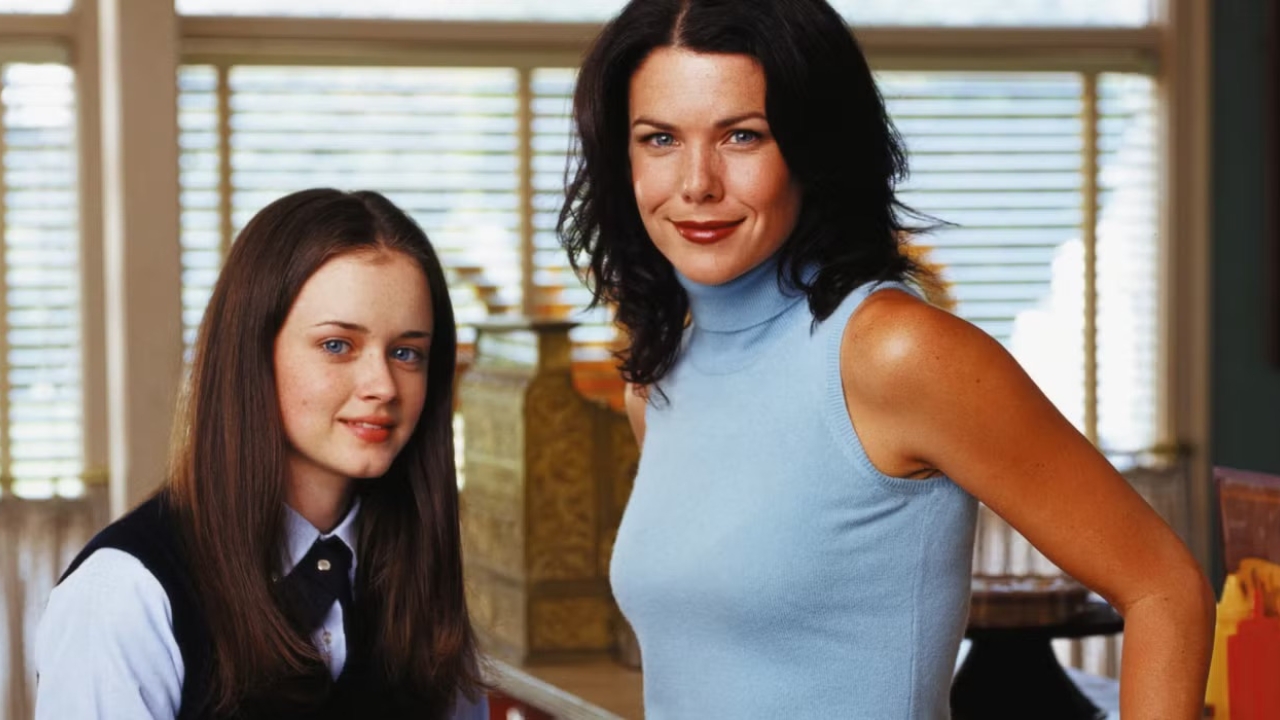
The 25th anniversary of Gilmore Girls has made one thing clear: this show has become an institution. Ever since it premiered in 2000, Gilmore Girls has gained a cult following of devoted fans, due to the rich writing and characterization from creator Amy Sherman-Palladino, as well as the captivating performances of its cast. Despite the show’s smart story structure and mature themes, Gilmore Girls has received mocking criticism throughout its lifetime, with people calling it a “teen drama” and “chick show.” While misogynistic reads of television marketed towards women are nothing new, the vitriol that Gilmore Girls has faced seems especially unwarranted. What garnered this hatred, and how has its new life on DVD and streaming services helped it to claw its way back into the cultural spotlight?
The Origins of Stars Hollow
Amy Sherman-Palladino was destined for a career in show business. With a dancer for a mother and a stand-up comic for a father, Sherman-Palladino was surrounded by the entertainment industry from her birth. Though she initially started out as a dancer, Sherman-Palladino eventually found her calling in writing. Her career began writing for the sitcom Roseanne, but she soon tired of the hackneyed conventions of this boxed-in format. When presented with the opportunity to pitch a show for an “hour-long comedy,” she jumped at the chance.
Interestingly, Gilmore Girls almost never came to fruition. In her pitch meetings, Amy Sherman-Palladino initially presented a completely different series that was met with disinterest by executives. When asked if she had any alternates, Sherman-Palladino quickly offered, “Just this one with a mother-daughter where they’re more like friends than mother-daughter.” The WB (which would eventually rebrand as The CW) bought the pitch, and suddenly, Amy Sherman-Palladino was tasked with creating an entire show from a single sentence.
How a Distinctive Writing Style Shaped a Series
Gilmore Girls is known for its witty banter and loaded pop culture references. While that sort of style is not entirely original (think Chandler Bing’s humor and references in Friends, as well as the writing in other cult phenomenon Psych), Amy Sherman-Palladino’s particular panache is something all her own. With references to television, movies, theatre, books, and more that range from broadly popular to incredibly niche, Sherman-Palladino’s scripts were met with their fair share of skeptics. Early into the show’s production, she recalls the resistance she faced from network executives, who used to call and complain that the confusing references would alienate audiences. Amy Sherman-Palladino dug in her heels, and the fans proved to be on her side, with countless articles and blogs then and now detailing every carefully selected reference.
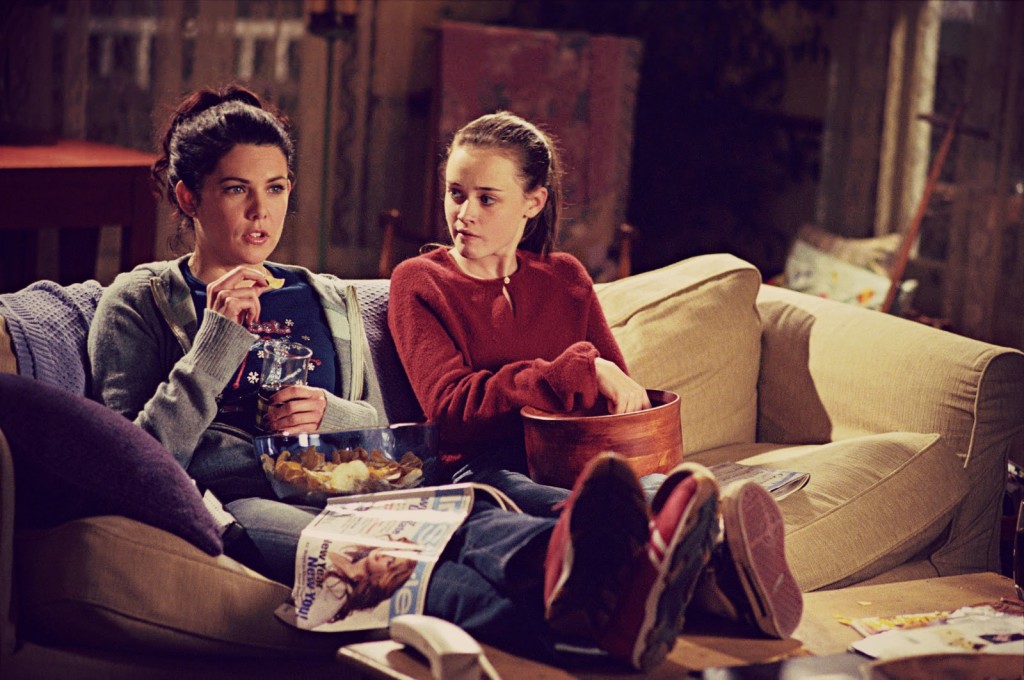
Aside from the reference-heavy dialogue, Amy Sherman-Palladino’s writing is most famous for its rhythm. The “fast-talking” style of the characters is due to the length of the scripts, which were nearly double that of a show with a similar running time. Traditionally, one page of dialogue is roughly equivalent to one minute of screen time, meaning that a 45-minute show like Gilmore Girls would usually have a script page count of 35-50. However, all of Sherman-Palladino’s shows average out to about 80 pages per script. This particular aspect of the show has faced some criticism, but Sherman-Palladino defends the choice as an attempt to mimic the speed of real-life speaking, as well as to capture the quicker pace of a stage production. And, admittedly, the show’s scenes often do take on a theatrical air.
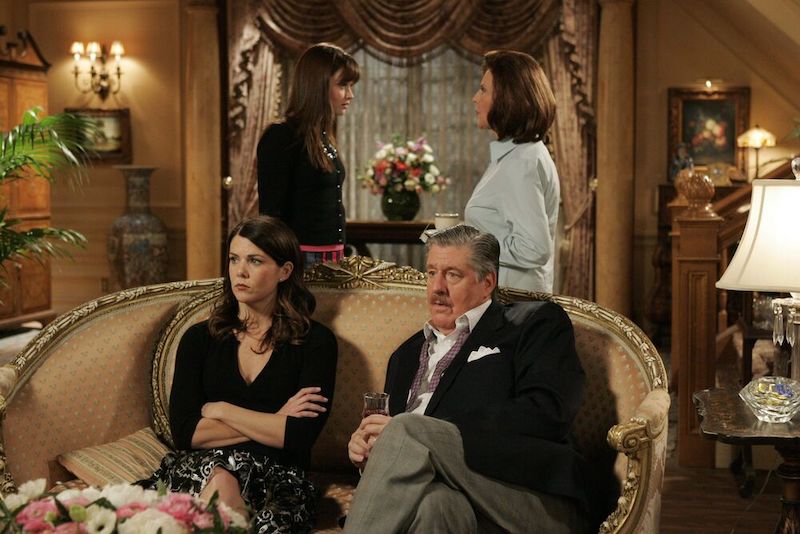
The late Edward Herrmann, who played Richard Gilmore (Lorelai’s father and Rory’s grandfather) on the show, was an accomplished stage and screen actor at the time that Gilmore Girls was presented to him. Herrmann had previously resisted breaking into television, but he said that when he read the pilot script, he found the material irresistible, calling it “the best thing that I’ve read in many years.” The nuances and humor present in Richard’s character, Herrmann said, were something he was not accustomed to seeing in upper-crust types. His performance was incredibly grounded and elevated the dramatic elements of the show, especially when paired with his on-screen wife, played by Kelly Bishop, another established stage actor.
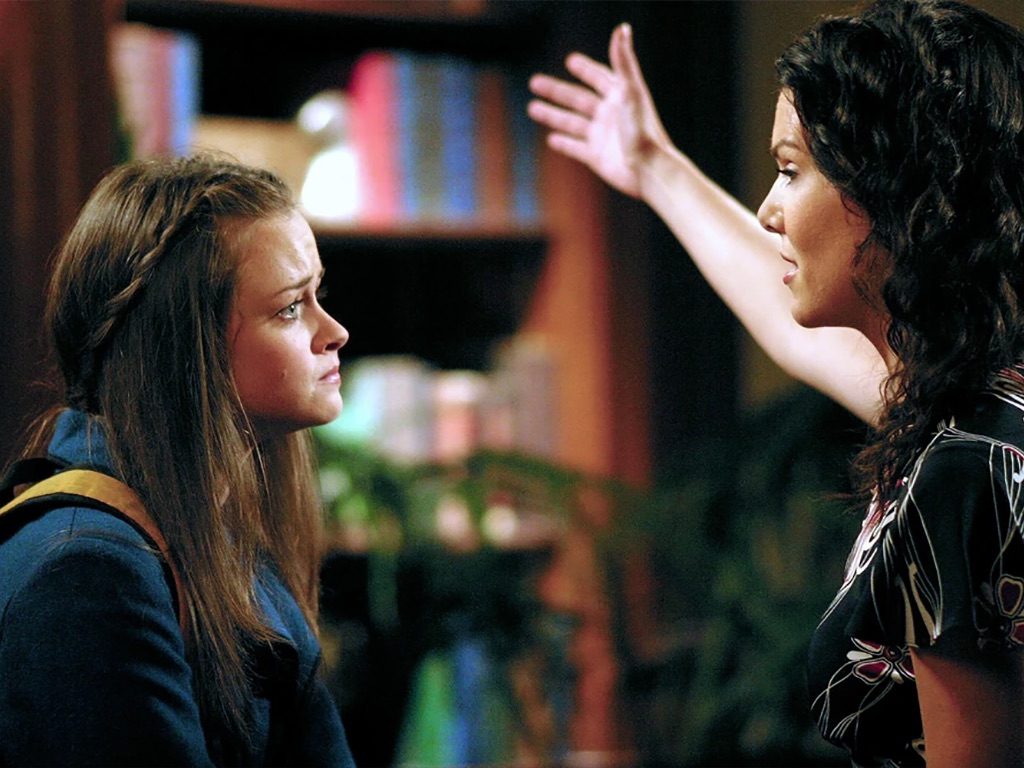
Despite the show’s writing at times achieving prestige TV levels of sophistication, Gilmore Girls was notably absent from award shows. It only ever received one Emmy nomination/win for special effects makeup in a season four episode. However, the show’s writing was still critically acclaimed, so much so that a popular rumor at the time actually accused Amy Sherman-Palladino of being a pseudonym for Aaron Sorkin, creator of The West Wing. (Because there’s no way a woman could write smart dialogue. Misogyny, anyone?) The answer as to why Gilmore Girls was denied the recognition it deserved may be due to the reputation of the network it happened to air on.
Why the “Teen Drama” moniker?
Amy Sherman-Palladino would be the first person to admit that Gilmore Girls did not exactly fit The CW’s mold. This network is mostly known for teen soap operas (think One Tree Hill and Gossip Girl) and supernatural genre programming (think The Vampire Diaries and Smallville). While all of its top shows have dedicated fan bases, its reputation among critics is less than stellar, and unfortunately, preconceived notions about a network’s character can determine whether a potential viewer will take a chance on a show.
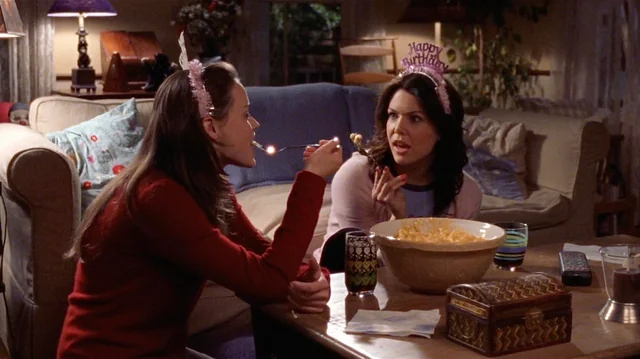
The CW likely bought Gilmore Girls due to the family drama promised in its pitch, as well as the woman-centered storyline that would likely appeal to the feminine audience base of their other programming. However, Amy Sherman-Palladino’s writing choices quickly proved to be at odds with what the network was accustomed to, and they initially pushed back against it. Sherman-Palladino recalls receiving such notes as “Why doesn’t Rory have sex?” and “Why doesn’t Lorelai act like more of a traditional mom?” To which Sherman-Palladino quipped, “Because that’s not what the show is.” Aptly put.
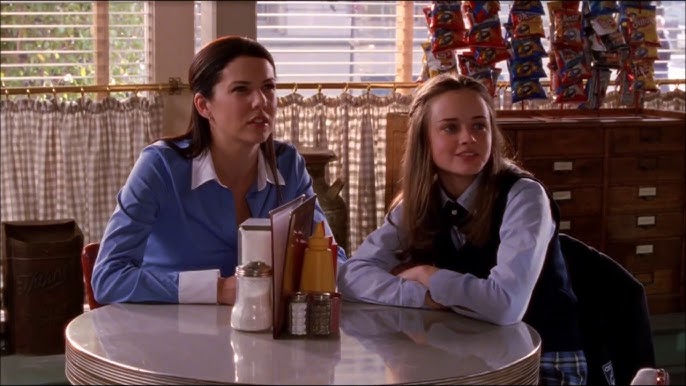
Due to The CW’s uncertainty over Gilmore Girls’ place in their lineup, the show was first assigned to a time slot that competed with television juggernaut Friends. While Amy Sherman-Palladino initially feared that this slot would kill her show before it could find its footing, she later said its placement turned out to be a blessing in disguise. Since Gilmore Girls was not being marketed in the same way as The CW’s other content, it was free to create its own niche and build an audience that may not have found it otherwise.
The Explosive Legacy of Gilmore Girls
After the show concluded in 2007, Gilmore Girls found a new audience through DVDs and eventually streaming services. Once the show became available on Netflix in 2014, it sparked a cultural craze, with multiple podcasts dissecting the show emerging. This renewed thirst for the antics of the Stars Hollow crowd directly contributed to Netflix releasing a limited revival series in 2016, Gilmore Girls: A Year in the Life. Nearly ten years after the show’s conclusion, the revival follows one life-changing year, with Rory now the age that Lorelai was in the original show’s first season.
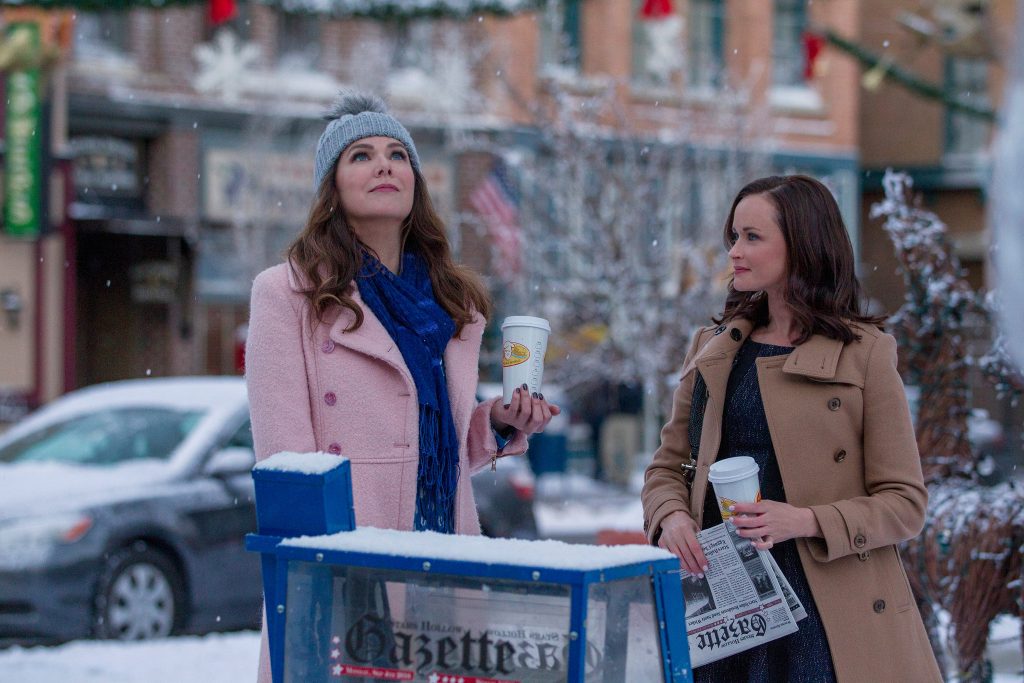
The revival series was the first time that Amy Sherman-Palladino had worked beyond the confines of network television. The increased budget and freedom from censorship restrictions of basic cable gave Sherman-Palladino the ability to present a film-quality production where her characters were finally able to swear and speak with edgier dialogue. (The more mature writing comes to light in an especially hilarious and notable scene where the show’s matriarch, Emily Gilmore, goes on a long rant that includes liberal use of the word bullsh*t.) Gilmore Girls: A Year in the Life garnered nearly 6 million views on its premiere, making it an instant success and pushing Amy Sherman-Palladino back into the spotlight.
The Future for Amy Sherman-Palladino
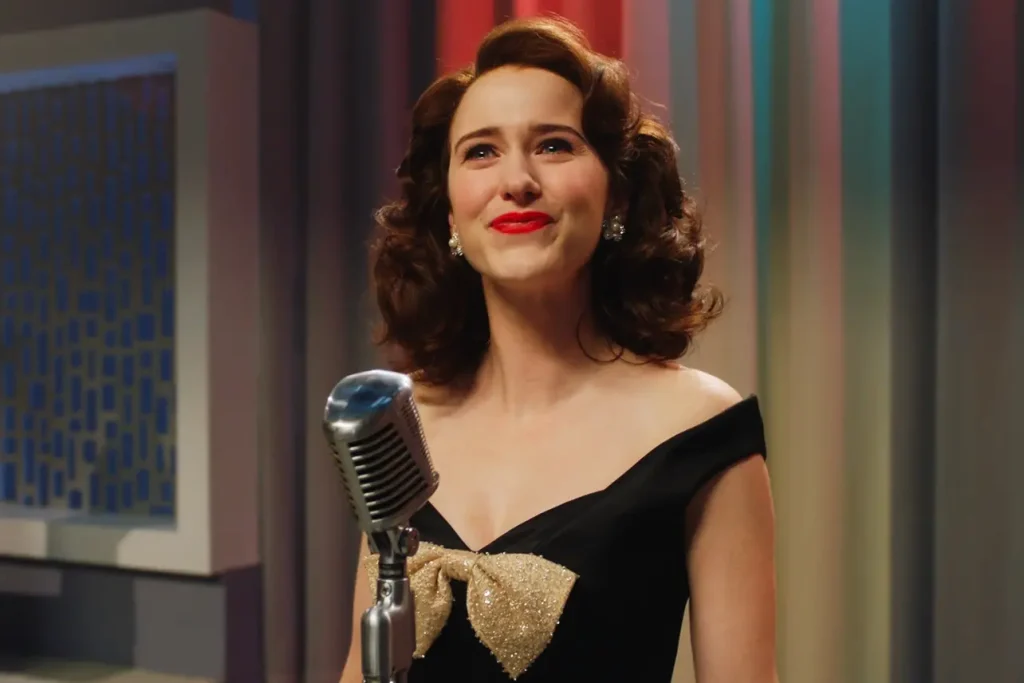
Following the smash hit of A Year in the Life, Amy Sherman-Palladino hopped over to Prime Video and created The Marvelous Mrs. Maisel, which premiered in 2017. This show follows the journey of 1950s Jewish-housewife-turned-comic Midge Maisel and drew significant inspiration from the stories Sherman-Palladino used to hear about her father’s stand-up career. The Marvelous Mrs. Maisel was a critical darling, earning 80 Emmy nominations and 22 wins over its five-season run, as well as multiple Golden Globes. Finally, Amy Sherman-Palladino was receiving the accolades she always deserved.
In 2025, Amy Sherman-Palladino and Daniel Palladino, her husband and longtime writing partner, created Étoile, a show about two ballet companies in New York and Paris that decide to swap their top talent in a bid to attract new attention to their performances. Despite Prime Video initially ordering two seasons, Étoile was cancelled less than two months after its premiere, owing to low viewership numbers. This was a blow to Sherman-Palladino, who has long failed to create a successful dance show, with her other attempt, 2012’s Bunheads, also being cancelled after its first season. At the time of this article, Amy Sherman-Palladino has not yet announced another television project, though she continues to go on record that she will “never say never” to another Gilmore Girls revival.
Suggested Reading
As we wait for Amy Sherman-Palladino to resurface from her slump and bring us another brilliant series, why not dive into some books that encapsulate the ins and outs of Gilmore Girls? Whipsmart and humorous writer Dorothy Parker was an inspiration for Sherman-Palladino, so much so that she even named her production company after her. Aside from reading the type of writing that influenced the show, two of the series’ stars have also written tell-all memoirs that share behind-the-scenes stories of life on set.
The Portable Dorothy Parker by Dorothy Parker
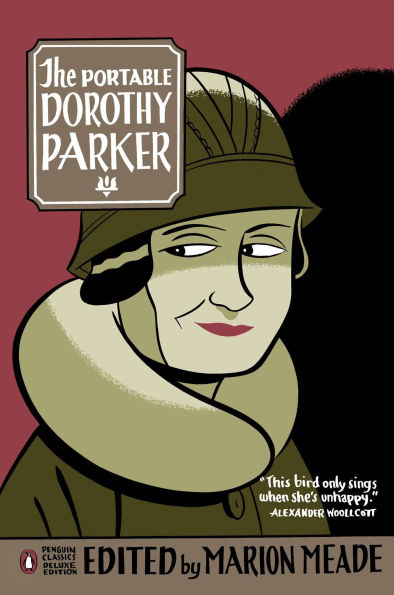
Dorothy Parker was an accomplished literary critic and writer, known for her biting wit and poignant social commentary. The Portable Dorothy Parker is a compendium of some of her sharpest works, including poetry, short stories, essays, and journalistic pieces. Her humorous stories are blended together with her tense political writing, and the inclusion of an interview she did, as well as a collection of letters sent to her family, helps to craft a holistic portrait of Parker’s life’s work.
Talking as Fast as I Can: From Gilmore Girls to Gilmore Girls (and Everything in Between) by Lauren Graham
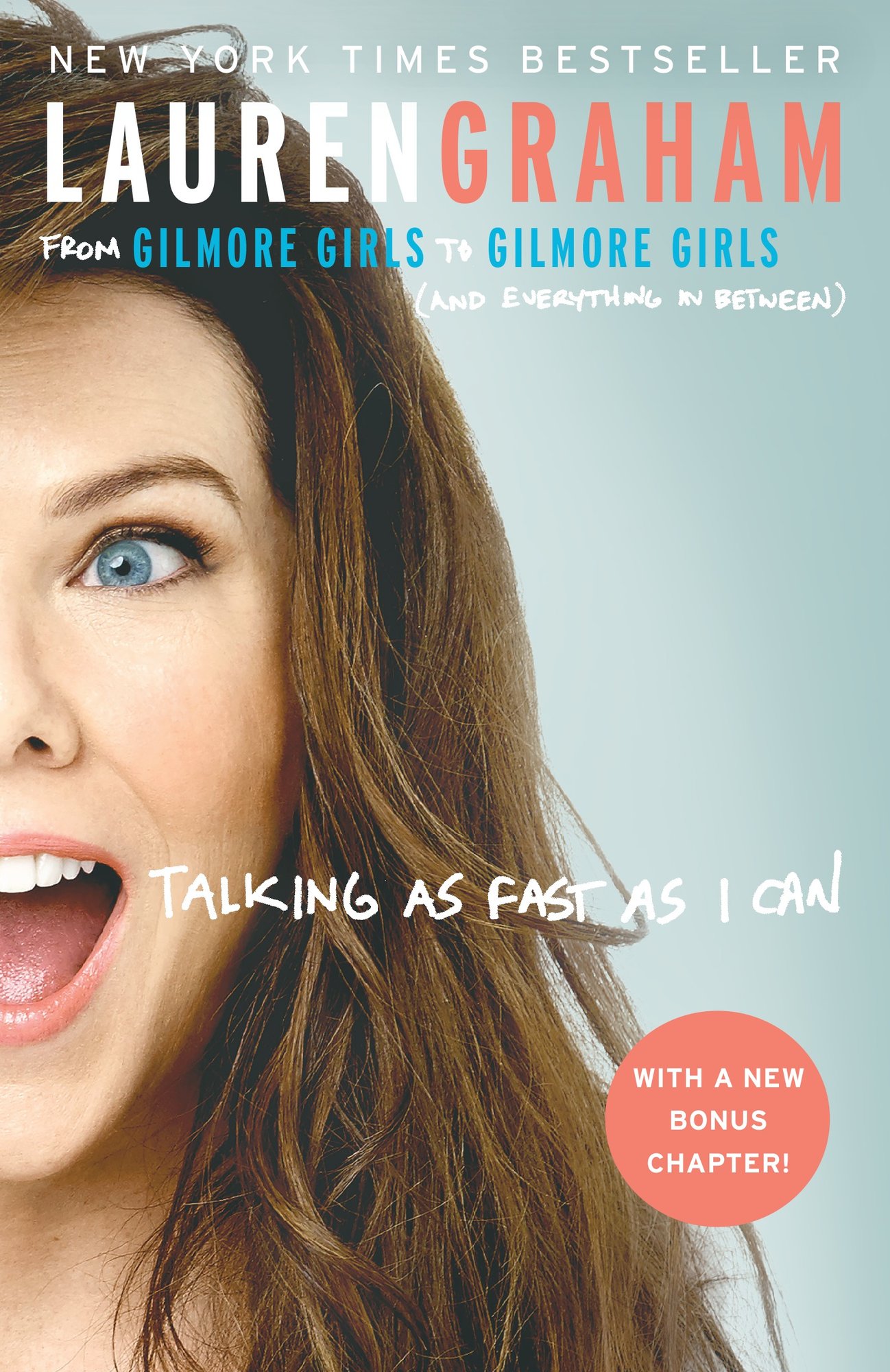
In her hilarious memoir, actress Lauren Graham traces her career from the high school stage to Gilmore Girls to Parenthood, and all the film roles peppered in between. Through a collection of conversational essays, Graham addresses the dreaded “Have you made it?” question and tackles a Gilmore Girls rewatch for the first time. Talking as Fast as I Can was released shortly after the revival premiered on Netflix, and includes her on-set diary and background images taken during the production. In revisiting the breakout role of her career, Graham is able to contextualize her acting journey in a way she never imagined possible.
The Third Gilmore Girl by Kelly Bishop
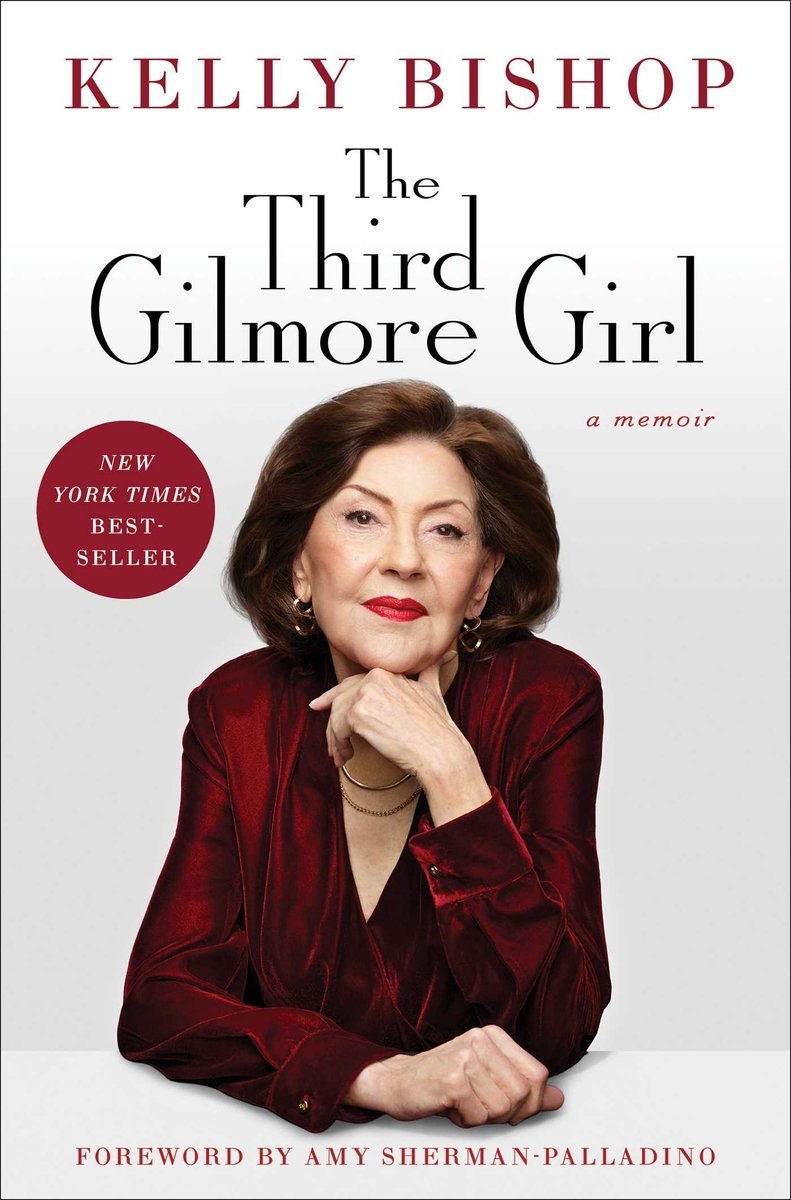
Kelly Bishop’s career as a dancer and actor was shaped by multiple iconic roles. From her Tony-winning performance in the original cast of A Chorus Line to her turn as Baby’s mom in Dirty Dancing to her defining role as Emily Gilmore, Bishop’s legacy is truly spectacular. In her memoir, The Third Gilmore Girl, Bishop shares her life story, including the numerous lessons she learned along the way. Her dynamic experiences invite us into the intimate story of the woman behind these classic characters.
Gilmore Girls is a show that will not be forgotten. Amy Sherman-Palladino’s intelligent writing and the award-worthy performances of its cast elevate this show far beyond the mocking derision of its detractors. Thankfully, its place in the streaming scape and its successful revival have accumulated a stronger, more impressive fan base than ever before. If Gilmore Girls had originally been picked up by a more prestigious network, would its history have looked more like that of her other celebrated series, The Marvelous Mrs. Maisel? We will never know, but if nothing else, this story has taught us not to judge a series solely based on the reputation of its network.
Click here for a list of book recs inspired by the Gilmore Girls characters.
Browse more titles on our Recommendations list on Bookshop.