


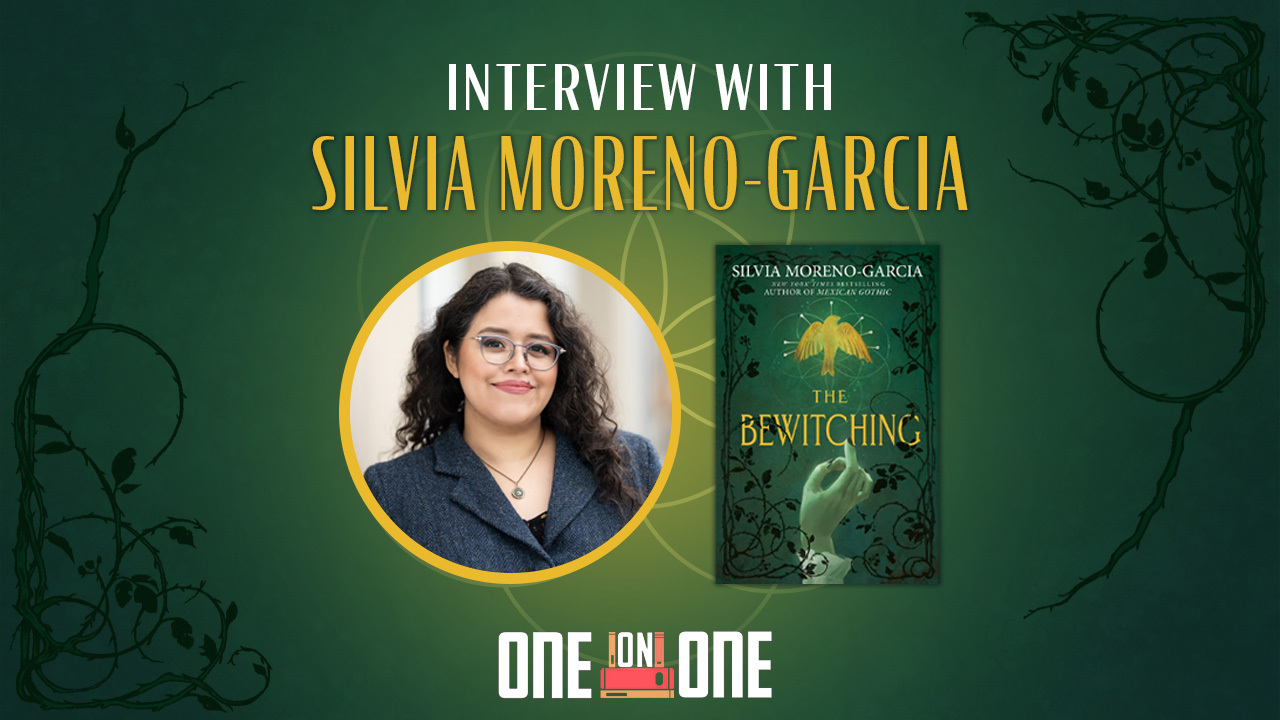
Silvia Moreno-Garcia is redefining horror and fantasy with stories steeped in folklore, feminism, and fear. Her work blends haunting atmospheres with powerful women navigating strange, often terrifying worlds. With a deep love for noir, history, and the uncanny, Silvia creates layered narratives that linger long after the last page. In this exclusive interview, she opens up about her inspirations, writing process, and the real-life folklore behind her latest novel. Step into the eerie brilliance of Silvia Moreno-Garcia’s universe — where every story casts a spell.
About Silvia Moreno-Garcia
Silvia Moreno-Garcia is the author of the novels Velvet Was the Night, Mexican Gothic, Gods of Jade and Shadow, and a bunch of other books. She has also edited several anthologies, including the World Fantasy Award–winning She Walks in Shadows (a.k.a. Cthulhu’s Daughters). She has been nominated for the Locus Award for her work as an editor and has won the British Fantasy Award and the Locus Award for her work as a novelist.
You can follow her on her socials: Instagram, Facebook, and X.
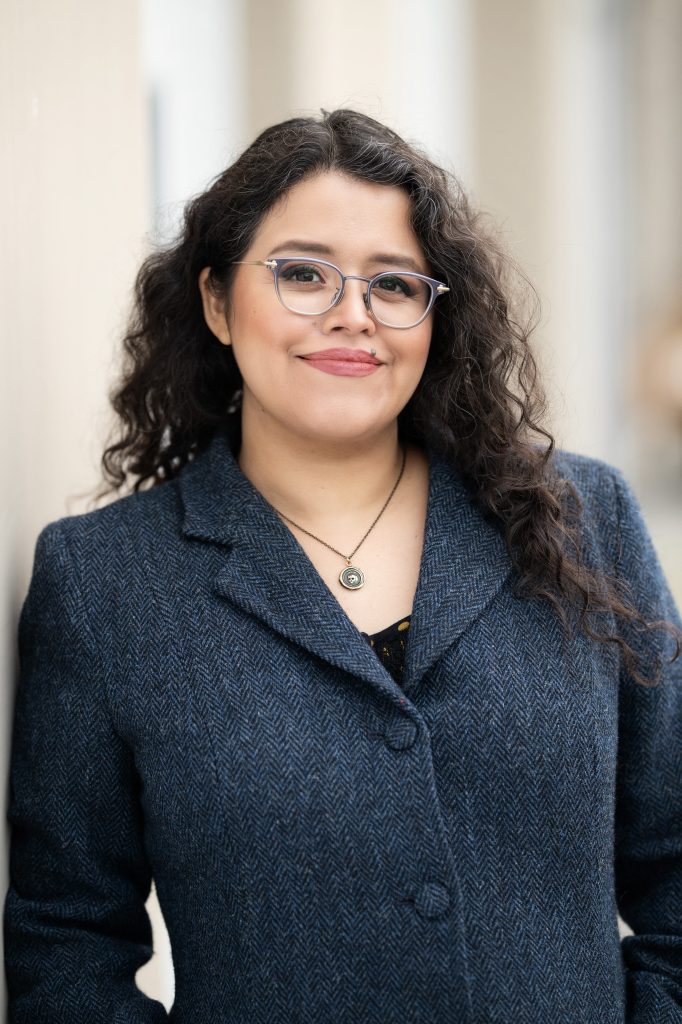
Thank you for your time, Silvia. Let’s get started!
Can you give new and returning readers a short summary of your upcoming release, The Bewitching?
The Bewitching follows three women in three different time periods — Mexico 1908, Massachusetts 1908 and 1998 — as they come in touch with dangerous witches.
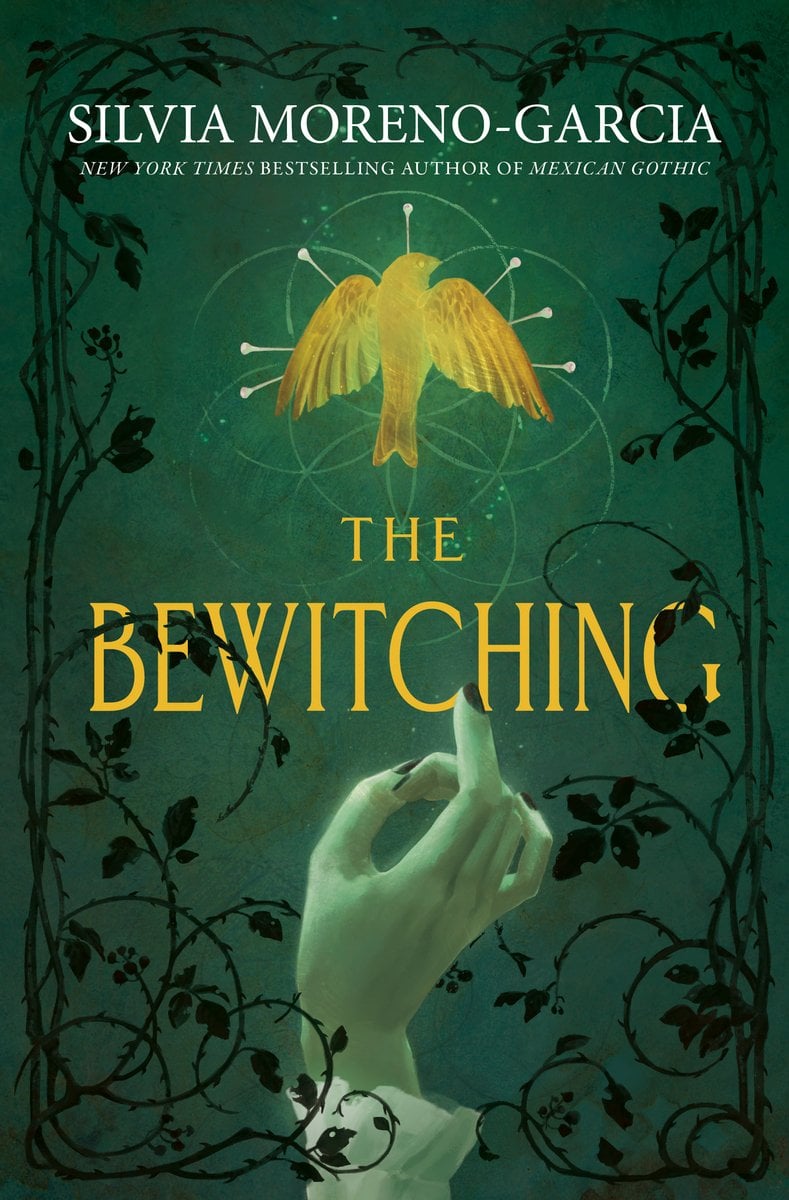
The Bewitching unfolds across three different time periods: 1908 Mexico, 1934 Massachusetts, and 1998 Massachusetts. What inspired you to intertwine these eras?
Old Mexican folklore about witchcraft is very different from the popular version of witches we see in books and on TV. Nowadays, witches are often treated as superheroes with their powers being desirable; they can even be benign and harmless — think everything from the old TV show Bewitched to the musical Wicked. Witches in traditional Mexican folklore are fearsome creatures that are responsible for deaths and sickness. Unlike modern pop culture, older American folklore and European folklore share some similarities with these witches. The parallelisms and the stark differences in the folklore of New England and Mexico made for an interesting tapestry.
What was your process to craft female characters facing supernatural forces across time and location?
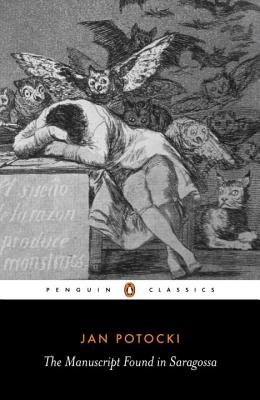
I admire narratives that are frame-tale stories, with one story stacked neatly in the next. One of the most memorable ones I’ve read is The Manuscript Found in Saragossa. The labyrinthian, at times surreal quality of the novel is not something I’ve ever imitated, but the idea of stories that function as matryoshka dolls, containing further stories, has piqued my interest. In The Bewitching, the shifts between 1908, 1934, and 1998 provide not only temporal shifts but character shifts, allowing stories and people to be “unnested” and to reflect each other. Therefore, Minerva in 1998 researches the life and works of Beatrice in 1934, while also reflecting on the life of her great-grandmother Alba in 1908, as Alba and Beatrice contrast with each other and with Minerva.
Horror as a genre often relies on control, fear, and the unknown. Do you think women approach these elements differently as writers or readers, and does this impact their storytelling?
I do not like to think in strictly gender deterministic ways because it can produce dissonant effects, for example, some people may believe women can’t tell certain stories (action or even horror) or can only tell particular stories (romance or YA). However, men and women have different experiences as they navigate the world. Margaret Atwood said men are afraid women will laugh at them. Women are afraid men will kill them. Different societal expectations will generate different anxieties. A woman in a deserted parking lot might think about holding her keys as a weapon; a man might not consider this idea. This obviously bleeds into what we write about and how we do it.
We also have associations of certain horror elements with women. For example, Gothic fiction is often linked with women because it tends to take place in creepy houses, which bring to mind family and the domestic sphere, elements associated with the feminine.
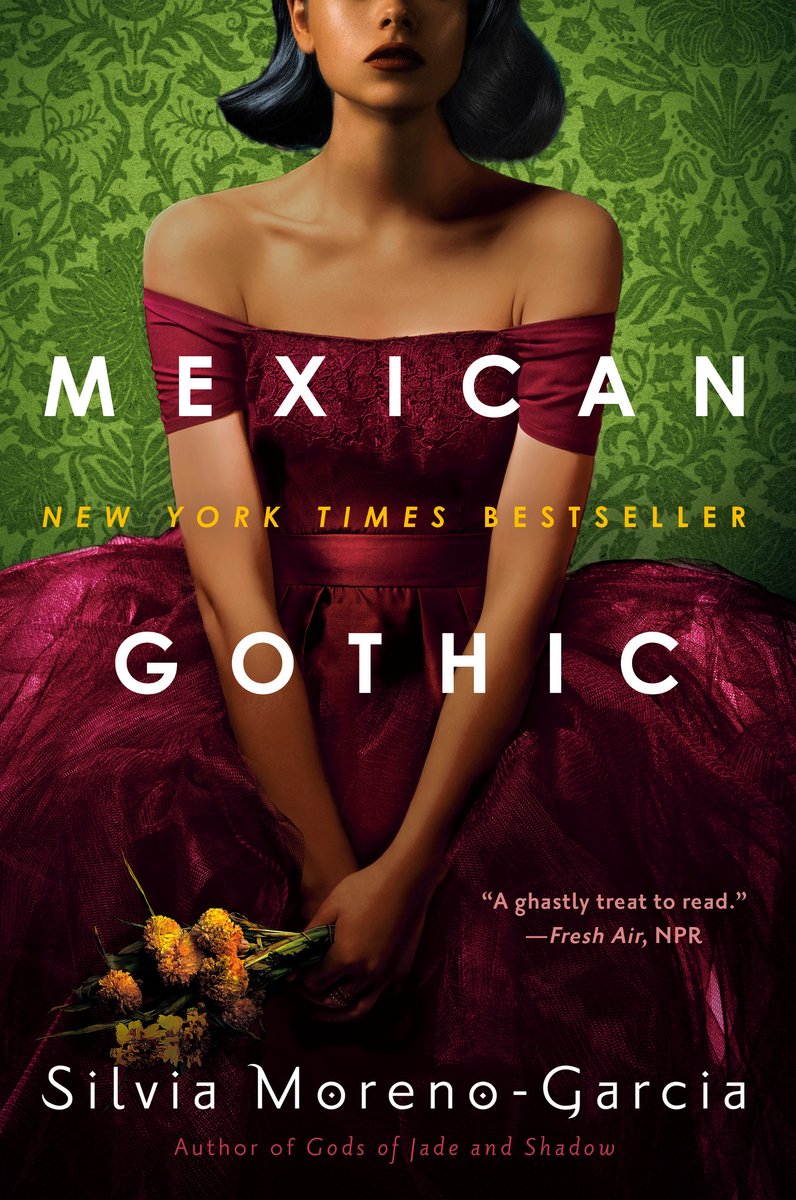
Reflecting on your previous works like Mexican Gothic, how do you feel your writing has evolved leading up to The Bewitching, and what new challenges or discoveries did this novel present?
As much as I would like to, I can’t provide a clear evolutionary pathway. There are many ideas that interest me. Some have interested me since I was a child, and others are more recent obsessions. They all simmer together and create a whole at some point. Any discovery is within the text and not something that I can verbally articulate or separate from the work in an easy way.
What current cultural tensions do you think make for the most compelling horror today?
Anything can be compelling. I have noticed a rise in body horror and pregnancy themes in cinema, and a difference in the way these topics are handled. For example, I re-read Rosemary’s Baby recently, and it has a completely different feeling than something like Immaculate. The Substance is remarkably different from The Wasp Woman, although both concern women who have been pushed out of their professional workspace because they are considered too old and turn to dubious science to alleviate their concerns. These tensions are not exactly new. Our parents were worried about bodily autonomy, pregnancy and family, and aging. But the lenses with which we look at themes are constantly shifting.
Do you find it more effective to ground horror in reality or to explore it through fantasy?
Very seldom do I write books that are completely divorced from reality. Mexican Gothic took inspiration from a real British mining town in central Mexico called Real del Monte; The Bewitching was inspired by folklore and stories from my childhood. I believe a grain of truth is the best way to build my stories.
As someone who writes phenomenal horror and fantasy novels, we’re curious about who you love to read. Do you have any current or all-time favorite reads you’d like to share with us?
I actually read a lot of books that are not horror or fantasy. I’m a big fan of noirs, and a big reader of historical books. Two of my favorite writers are Joyce Carol Oates and Valerie Martin. I like picking up a lot of things in translation. I recently read the first English language translation of Gabriela Rábago Palafox’s The Voice of Blood, which is an eclectic collection by a Mexican writer who straddled categories, riffing on surreal or weird fiction at times. I like a lot of old books. Henry James’ Washington Square, Edith Wharton’s The House of Mirth, and Federico Gamboa’s Santa.
To close out, what advice would you give to women writing horror or speculative fiction?
There’s very little advice I can give except to read widely.
Thank you for your time, Silvia Moreno-Garcia, and for sharing your creative world with us. Be sure to grab The Bewitching today!
Want to check out Kaylei Smith’s gothic romance novel? Check out this article.
Be sure to browse our Spine-chilling Horror Novels Not for the Faint of Heart bookshelf on Bookshop.org for more horror recommendations!