












TRIGGER WARNING: This article discusses experiences of DOMESTIC VIOLENCE and ATTEMPTED HOMICIDE, which may be triggering for some readers. Please exercise personal care when reading.
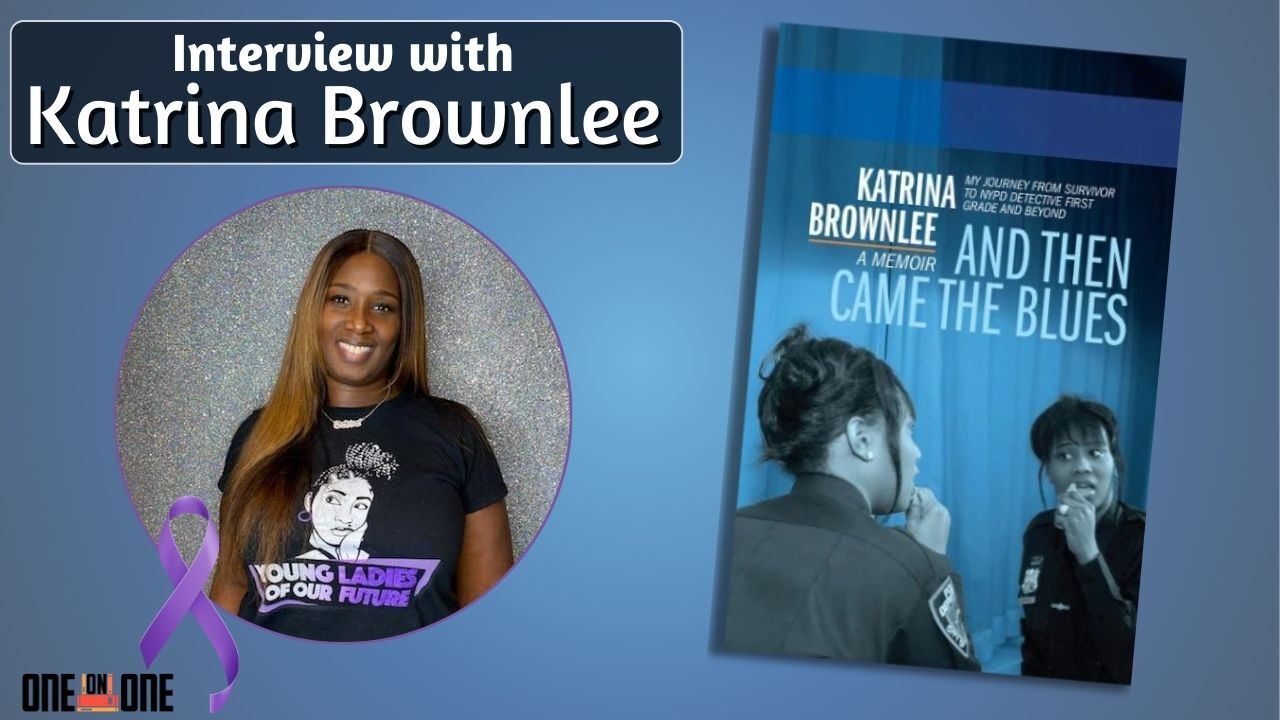
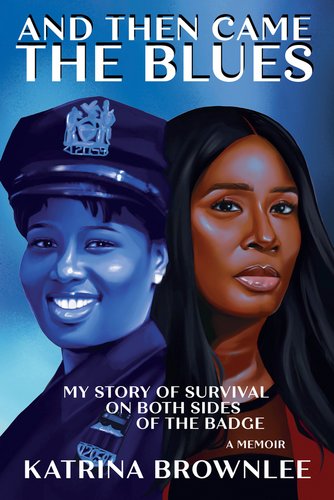
Katrina Brownlee’s life took a harrowing turn when she became the victim of a brutal domestic violence attack. Shot and left for dead, she defied all odds, not only to survive but to thrive. In her upcoming memoir, And Then Came the Blues, Brownlee shares her inspiring story of resilience, hope, and forgiveness.
Through her candid narrative, Brownlee delves into the depths of despair and the heights of triumph. She discusses the impact of domestic violence on her life and career and how she overcame adversity to become a beacon of hope for survivors.
Katrina Brownlee: Survivor, Writer, Police Officer, and Activist
Katrina Brownlee, a retired NYPD police officer, is a sought-after speaker regarding her triumph over domestic violence; she also regularly teaches seminars to law enforcement officers on managing domestic violence incidents. Her story has been profiled on CBS’s 48 Hours and in the New York Times. Brownlee has received many accolades for her mentorship work as the founder of Young Ladies of Our Future, a nonprofit organization serving at-risk young women.
The organization’s mission is to heal the wounds of interpersonal violence, build self-esteem, and promote health and wellness so young women can achieve their goals and live successful lives. Brownlee also established Can’t Be Silenced, an organization working on solutions to the urgent domestic violence crisis. She is also the founder of the Katrina Cooke Brownlee charity and the author of a forthcoming memoir entitled And Then Came the Blues, Releasing August 5, 2025.
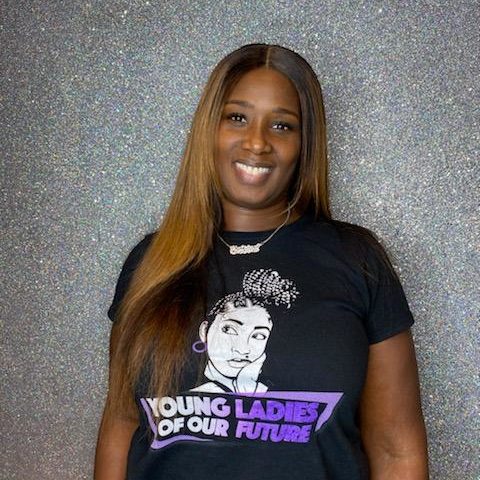
She grew up in Bed-Stuy, Brooklyn. She became a mother at the early age of fourteen, and when she was twenty-two years old, she was shot ten times in a violent domestic dispute that left her paralyzed. After several surgeries and relearning to walk, Katrina worked hard to overcome the obstacles of her troubled past. She attended the College of New Rochelle and, upon completion, joined the New York City Police Department (NYPD), starting as a traffic agent and diligently working her way up the ranks to the highest rank in the NYPD, Detective First Grade.
Throughout her career, she worked undercover and became an investigator, worked in the Department of Community Affairs, and garnered the opportunity to work security detail for Mayor Bill de Blasio. During this time, she received a 5.0 evaluation, the highest that a police officer can achieve in the NYPD. Brownlee has been honored with many other accolades for her outstanding performance and accomplishments.
Thank you, Katrina, for taking the time to sit with us and discuss this most sensitive of topics. Let’s get started.
What compelled you to share your personal journey in your upcoming memoir, And Then Came the Blues? What do you hope readers will gain from your experiences?
After being in a domestic violence relationship with my ex-fiancé for several years and ultimately being shot [10 times], I was told by my physician at the time that I would never walk or talk again. I became severely depressed and lost all hope; I also had no support. I am the hope for the hopeless. I never want anyone to experience the pain I endured, so if I can save one person or save many by sharing my story, I believe a lot of lives will be saved and changed for the good.
My hope is that readers will gain resilience, self-love, motivation, faith, the meaning of what domestic violence really looks like in real-time, and most of all, the power of forgiveness.
How did your encounters with domestic abuse shape your perspective on life? What motivated you to pursue a career in law enforcement with the goal of making a positive impact?
It allowed me to see things with a clear lens. I now understand what and why I was in a domestic violence relationship. I also was able to exercise my hidden strength, take my power back, and become everything I said I could become.
I would call for help, and when the police arrived, they would not assist me because my abuser was law enforcement. I wanted to help people like myself, and I wanted to be a positive example of what good policing is.
Given your experience, how do you perceive the justice system’s effectiveness in addressing cases of assault? Has your experience influenced your perspective on the judicial process?
I have a little more faith in the justice system than I had during the time I was shot. My dream and hope is that I will someday have great faith in the justice system. My experience has allowed me to see things on both sides and given me the knowledge on how to handle domestic violence or any kind of violence. Education on domestic violence or any kind of violence should be taught in all justice systems.
Do you believe that domestic violence is a prevalent concern within law enforcement communities? Are there specific factors within the profession that might contribute to such behavior?
I Believe it is. Domestic violence is a silent global epidemic, and it is not in just certain communities. It affects all communities the world over. How do I know? Because people from several different countries have reached out to me, either [by] telling me their personal stories or telling me about someone they know is experiencing domestic violence. Law enforcement is given a lot of power; some people are not capable of handling such power. That power can sometimes turn into a negative.
What advice would you offer to individuals who are currently experiencing domestic violence? Drawing from your personal journey, what words of encouragement or guidance would you share?
Have an exit plan. Find a support group or community. Never tell the abuser you’re leaving. Seek therapy. Seek prayer. One thing for certain: abuse of any kind is never ok. It’s not your fault. You have the strength to get out. You must find a light within yourself and follow that light. It will encourage you. Also, gather yourself around people who love you. The energy will transfer into you.
Can you elaborate on Young Ladies of Our Future’s (YLOOF) mission and goals? What strategies are you employing to empower young women and create positive change?
Yloof stands for young ladies of our future. Yloof is committed, dedicated, and purpose-driven to inspire, empower, and educate at-risk young ladies ages 12-23. We do so by healing the wounds of interpersonal violence, building character, self-esteem, and self-competence, and promoting health and wellness, healthy relationships, and positive thinking. These practices will enrich individual lives and the lives of those around them. We teach 14 different workshops.
To learn more about this amazing foundation and see a complete list of its workshops, please visit YLOOF’s website by clicking here.
A Testament to Survivorship and Building Bonds
Katrina Brownlee’s story is a testament to the indomitable human spirit. She emerged from the depths of despair as a symbol of strength, resilience, and hope. Her journey, marked by unimaginable pain and unwavering determination, serves as an inspiration to survivors of domestic violence worldwide. Through her memoir, And Then Came the Blues, Brownlee invites readers to join her on a transformative journey of healing and empowerment. Her unwavering commitment to helping others through her organizations and advocacy work ensures that her legacy will continue to inspire and uplift generations to come.
Follow Katrina on Instagram here to stay up-to-date on her latest news, releases, and speaking engagements.
Watch Katrina as she tells her story on camera to the world in the following 48 Hours episode, which aired April 18, 2023.
Learn more about The Reasons Why Raising Awareness of Domestic Violence Is Important here from Bookstr writer Aliyah Rios.
Pre-order Brownlee’s book and grab others from our Bookshop.org page.