







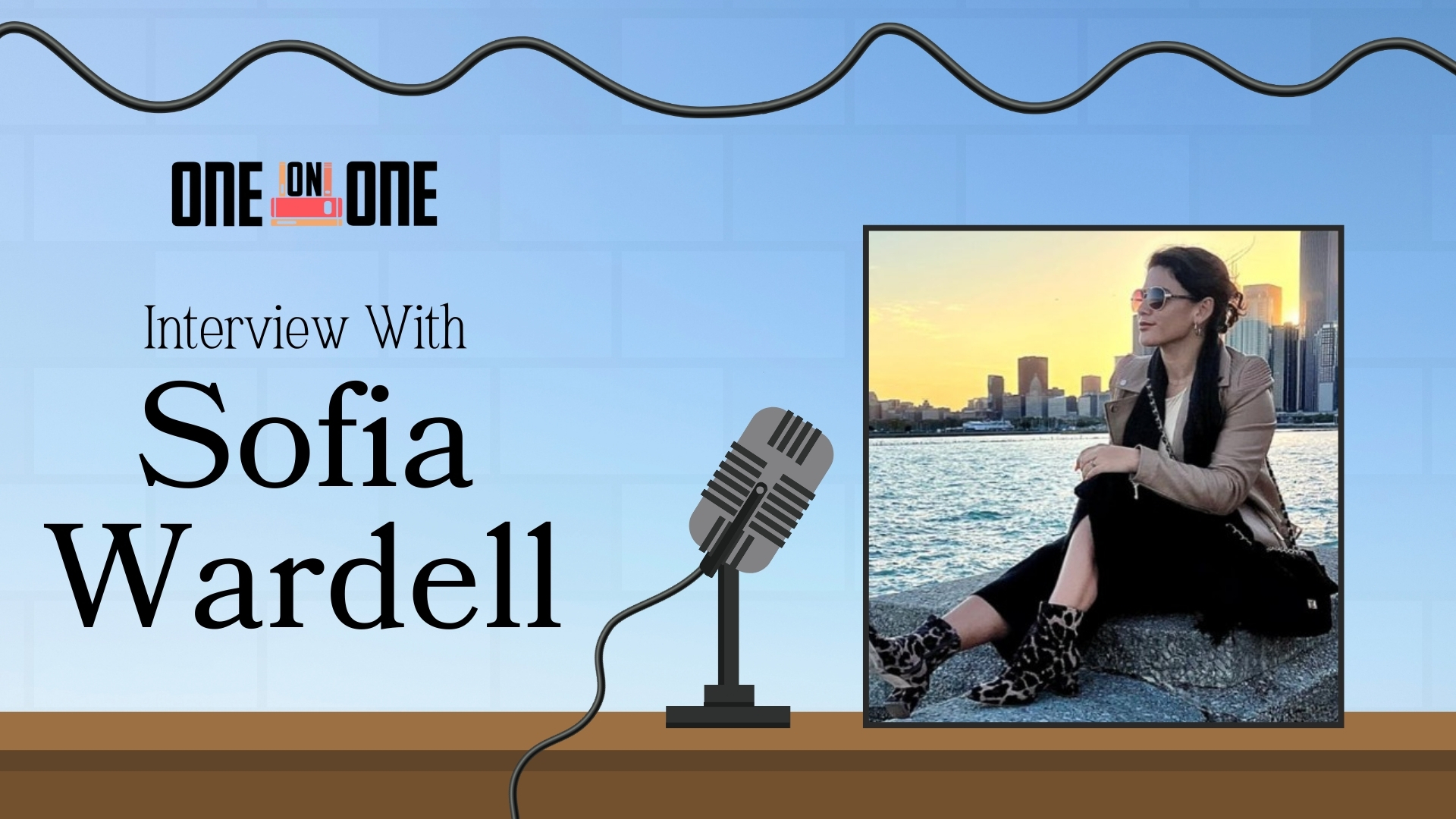
The audiobook world has exploded over the last decade. What used to be “books on tape” are instantly streamable from your favorite music apps and digital libraries. We’ve sat down with Podcaster, audiobook narrator, and travel enthusiast Sofia Wardell to discuss her literary journey in voice acting. She doesn’t let her busy life get in the way of the things she loves most; instead, she incorporates those passions into her thriving professional life. Let’s dive into Sofia’s imaginative world and discover how she does it all.
Sofia Wardell
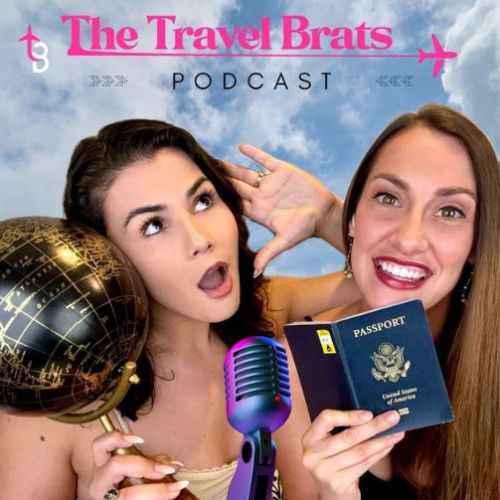
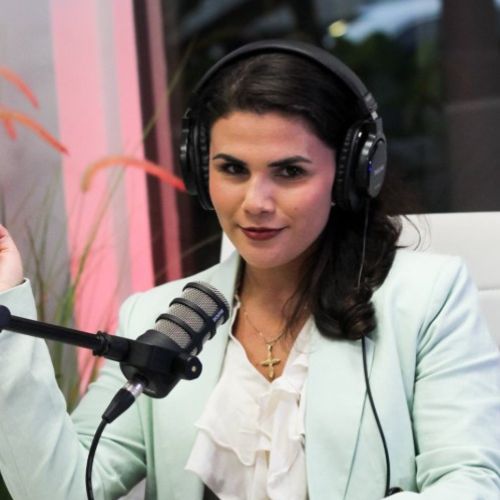
Sofia Wardell is the Co-Founder and Host of The Travel Brats, a podcast and social media platform dedicated to highlighting adventure destinations worldwide. She’s the founder of the successful fashion subscription turned online retail boutique Best Dressed. Wardell, an FGCU graduate with honors in entrepreneurship, has held leadership roles in various sectors, including angel investing, real estate technology, and product development. She is currently a prominent voice in the audiobook industry, where she brings the characters of your favorite authors to life. She has over 30 titles under her belt, from children’s literature to fantasy to nonfiction. Finally, she is the Head Host of the Inkwell Academy, a free educational website for authors.

Thanks for talking with us today, Sofia! Let’s get started!
How did you transition from your academic background in entrepreneurship and marketing to a career in voice acting?
Creativity has always been at the core of my endeavors. My journey began in the entrepreneurial space, where I managed Florida’s largest angel investment fund, the Tamiami Angel Fund, and launched several startups in industries spanning fashion apparel, travel, and, most recently, audiobook production and voice acting. Along the way, I gained invaluable experience in product management, business growth, development, and administration through roles in various startups. This blend of entrepreneurial ventures and hands-on involvement provided me with a wealth of knowledge and exposed me to groundbreaking ideas.
The launch of my podcast, The Travel Brats, further ignited my passion for storytelling, connecting with people, and conducting interviews. My long-standing love of reading, however, often took a backseat to my busy schedule. That changed when I discovered audiobook production—a medium that allowed me to immerse myself in authors’ narratives, voice their characters, and pursue a career where reading became central. With a sound studio already established for my podcast, I quickly fell in love with the art and craft of audiobooks.

Since then, I’ve produced over 30 audiobooks while continuing to podcast and interview fascinating individuals. My favorite aspects of audiobook production are bringing characters to life through distinct voices and collaborating closely with authors to authentically convey their stories. It’s a unique balance of honoring their vision while infusing my own creative interpretation into the narrative. This fusion of storytelling, performance, and collaboration fuels my passion for the work I do every day.
What specific techniques do you use to maintain vocal health and prevent strain, especially during long recording sessions?
To prepare, I incorporate a variety of warm-up exercises, including lip trills, humming, breath control exercises, pitch slides, and sirens. These gentle techniques effectively warm up the vocal cords without causing strain. For instance, lip trills and humming are particularly helpful in gradually engaging the vocal cords, while deep, controlled breathing supports sustained speech and minimizes shallow breaths, reducing vocal strain. This also allows me to read sentences fluidly without pausing or breathing at inappropriate points.
Pitch slides are another vital exercise, as they help extend my vocal range smoothly while relieving tension. Hydration is equally important; I drink water regularly, often with electrolytes, to enhance retention and flavor. I avoid dehydrating substances like alcohol, caffeine, and smoke, as these can dry out the vocal cords. While I prefer tea over coffee due to its less dehydrating properties and soothing warmth, I also take hot showers in the morning. This practice mimics the effects of a steam inhaler, soothing and hydrating my vocal cords before recording.
Good posture and alignment are essential to maintaining proper breath support. I sit with a relaxed but upright posture to allow my diaphragm the space needed for sustained sentences. Additionally, I perform gentle stretches for my jaw and tongue before and after recording to prevent tension in these areas.
During recording, I position myself close to the microphone to avoid straining my voice while maintaining consistent sound levels. Using Adobe Audition for editing ensures the volume remains uniform, even during dynamic vocal shifts like yelling or softer tones. I also space out my recording sessions to avoid vocal fatigue, ensuring I don’t exceed a healthy number of hours per day. Many days, I record no more than 8 hours; however, if my voice is feeling good, I may record 9-10 hours in a day. Breaks are essential; I take 10-15 minute breaks between every hour of recording or as needed to rest my voice.
Additional practices, such as gargling with salt water or using occasional cough drops, provide quick relief for vocal fatigue. Above all, I prioritize rest and hydration to keep my voice clear and strong throughout the recording process.
How do you approach the process of character development and voice acting for different genres and accents?
As an audiobook narrator, character development and voice acting are integral to bringing a story to life. My approach begins with analyzing all the characters’ personalities, backgrounds, and emotional arcs. I request the author provide a description of who each character is, including age, attitude, pitch, and accent (i.e., this character has a low, scratchy southern drawl”) and if they have any special voice requests for characters (i.e., “this character sounds like Bing Crosby.”), I also request the author review my character audio samples for all major characters before we begin production.
For different genres, I adjust my tone and pacing accordingly—lighter and more animated for comedy or children’s books and more measured and dramatic for thrillers or literary fiction. Each genre has its own rhythm, and capturing that is essential for immersing the listener.
When tackling accents, I conduct thorough research and practice extensively. I use resources like dialect coaching videos, and linguistic breakdowns, and sometimes even consult native speakers to ensure authenticity. It’s important to me that accents sound natural and respectful, not caricatured. For consistency, I create reference recordings to revisit throughout the project.
I save all my character voices in my notes on my phone and refer back to them as needed throughout a production.
Ultimately, my goal is to honor the author’s intent and craft distinct, believable voices that enhance the listener’s experience, no matter the genre or accent. It’s a collaborative and deeply rewarding process that allows me to step into countless worlds and perspectives.
What are your thoughts on the role of technology in the audiobook industry, such as AI and text-to-speech?
As an audiobook narrator, I see the role of technology, particularly AI and text-to-speech (TTS), in the industry as a double-edged sword. On one hand, these advancements have made audiobooks more accessible to a broader audience and opened doors for indie authors with smaller budgets. AI can produce audio quickly and affordably, helping stories reach listeners who might otherwise miss out.
That said, I believe there’s something irreplaceable about the human touch in narration. A skilled narrator brings a depth of understanding to the text, using tone, pacing, and emotion to immerse listeners fully in the story. AI voices, while improving, often lack the subtle nuances and authentic connections that make storytelling such a profound experience. In addition, once a book is produced using AI, it is nearly impossible to make proper edits, which is a critical step in the audiobook production process.
I’m also mindful of the ethical concerns, particularly around consent and compensation when AI replicates voices. Protecting the craft of narration and ensuring voice actors are valued is critical as the technology evolves.
Ultimately, I believe AI and TTS should enhance the audiobook industry, not replace the human artistry at its heart. Technology can coexist with traditional narration, but listeners will always recognize and appreciate the magic of a performance delivered by a real, passionate voice.
How has the audiobook industry evolved over the years, and what trends do you see for the future?
The audiobook industry has evolved tremendously over the years, and as a narrator, it’s been fascinating to witness these changes firsthand. Audiobooks were once a niche market, often limited to libraries or physical media like CDs and cassettes. Now, they’ve become a mainstream form of entertainment, thanks largely to digital distribution platforms like Audible, Spotify, and Libby, which make them instantly accessible worldwide.

One significant shift has been the sheer variety of content available. From bestselling novels to niche genres and even podcasts and serialized stories, audiobooks now cater to nearly every taste. Production values have also skyrocketed, with full-cast recordings, immersive soundscapes, and original music becoming more common. It’s no longer just a reading of a book—it’s a full-fledged performance.
Looking ahead, I see several key trends shaping the future of audiobooks. One is the increasing role of technology, like AI and text-to-speech, which may continue to grow, especially for shorter works or nonfiction. However, for fiction and character-driven stories, I believe human narrators will remain essential, as listeners crave authenticity and emotional depth.
Another trend is the rise of multilingual and global content. Audiobooks are breaking language barriers, offering more diverse voices and stories to a broader audience. Additionally, subscription models and streaming services are likely to continue expanding, making audiobooks even more accessible.
As a narrator, I’m excited about these advancements but also mindful of preserving the artistry of the craft. While technology and demand drive the industry forward, the connection between a narrator and a listener will always be at the heart of what makes audiobooks special.
Are there any specific books or authors that have influenced your work as a narrator?
Absolutely! As a narrator, certain books and authors have significantly influenced my approach to storytelling and performance. Classics like Harper Lee’s To Kill a Mockingbird or Jane Austen’s Pride and Prejudice have taught me the importance of embodying distinct voices and capturing the subtle nuances of emotion and dialogue. These works emphasize the power of pacing and tone in bringing characters to life.
Contemporary authors like Neil Gaiman and J.K. Rowling have also shaped my work. Gaiman’s rich, atmospheric writing invites narrators to immerse listeners in vivid worlds, while Rowling’s diverse cast of characters challenges me to create unique voices that feel authentic and engaging. Both highlight the need for a narrator to act as a bridge between the author’s imagination and the listener’s experience.

John Grisham’s gripping legal thrillers, like The Firm, A Time to Kill, and The Testament, have taught me the importance of pacing and suspense. His works often hinge on tension and revelation, requiring a narrator to carefully control tempo and tone to keep listeners on the edge of their seats.
C.S. Lewis, J.R.R. Tolkien, and George R. R. Martin have been monumental in shaping my approach to narration, especially when it comes to fantasy and allegorical storytelling. Lewis’s The Chronicles of Narnia taught me the importance of evoking a sense of wonder and moral depth, with each character’s voice reflecting their unique personality and growth. His ability to weave profound themes into accessible stories challenges narrators to balance simplicity with richness.
Tolkien’s The Lord of the Rings trilogy is a masterclass in epic narration. His elaborate descriptions, poetic language, and a vast array of characters demand precision and versatility. Narrating Tolkien requires careful attention to rhythm and pronunciation, especially when dealing with the intricate languages and lore he created.
George R. R. Martin’s A Song of Ice and Fire demands exceptional attention to character differentiation and world-building. His intricate, multi-layered storytelling challenges narrators to convey complex emotions and perspectives while maintaining consistency across a sprawling cast of characters and settings.
Additionally, I’ve learned a lot from narrating works by indie authors, where creativity often knows no bounds. These projects encourage me to explore new genres and experiment with styles, helping me grow as a performer.
Ultimately, every book I’ve encountered—whether as a reader or a narrator—has influenced my craft. Each story provides an opportunity to refine how I convey emotion, character, and meaning, ensuring I give the text the justice it deserves.
How do you balance your work as a narrator with your other roles as a podcast host, interviewer, and entrepreneur?
I thrive on organization and strategy when it comes to managing my time. My approach is to structure my workload around deadlines and prioritize tasks based on deadlines, ensuring that I stay on track. To maintain this level of organization, I use time-blocking to allocate specific hours for various activities, which helps me stay focused and productive.
For consistency and efficiency, I prefer to schedule all my interviews on the same day each week. This enables me to stay in a similar mindset and engage with my guests more effectively. Similarly, I avoid recording different books at disparate times to maintain the continuity and quality of my narration.
On days when my voice requires rest, I adjust by shifting my focus to administrative tasks, such as podcast and interview preparation and administration. This method not only allows me to preserve my energy for voice work but also keeps me on top of other aspects of my career.
To close out, can you touch on the importance of audiobook narration as a means of inclusivity and accessibility?
As an audiobook narrator, I believe that narration plays a crucial role in promoting inclusivity and accessibility. Audiobooks provide an invaluable service to individuals who are visually impaired or have reading difficulties, such as dyslexia, offering them the opportunity to experience literature in a way that might otherwise be unavailable. By making stories audible, we break down barriers to education, entertainment, and personal growth, ensuring that more people can engage with the written word, regardless of physical limitations.
Moreover, audiobook narration fosters inclusivity by offering diverse voices and perspectives. As narrators, we have the responsibility to authentically represent the characters and cultures we bring to life, ensuring that listeners from all backgrounds can see themselves reflected in the stories we tell. The power of a well-performed audiobook lies not just in its entertainment value, but in its ability to provide an equal opportunity for everyone to enjoy literature and connect with ideas, emotions, and experiences that they might otherwise miss.
In short, audiobook narration is more than just reading aloud—it is an essential tool for fostering greater accessibility and inclusivity in the literary world, opening doors for a more diverse and engaged audience.
Sofia Wardell’s journey exemplifies the power of pursuing passions and the rewards of embracing diverse paths. From the boardroom to the recording studio, she seamlessly blends her entrepreneurial spirit with her love for storytelling. Her dedication to vocal artistry, coupled with her commitment to accessibility and inclusivity, makes her a true ambassador for the evolving world of audiobooks. As technology continues to shape the landscape of literature, Sofia Wardell and other talented narrators will undoubtedly play a vital role in bringing stories to life for generations to come.
Be sure to follow Sofia on her socials, podcast, and websites.
Travel Brats
INSTAGRAM | FACEBOOK | TIKTOK | X | LINKEDIN | WEBSITE | YOUTUBE
Sofia Wardell
INSTAGRAM | FACEBOOK | TIKTOK | X | LINKEDIN | WEBSITE | YOUTUBE
Sofia Wardell Productions
Want more interviews with intriguing authors? Click here.
Looking for your next read? Browse our Bookshop shelves!