















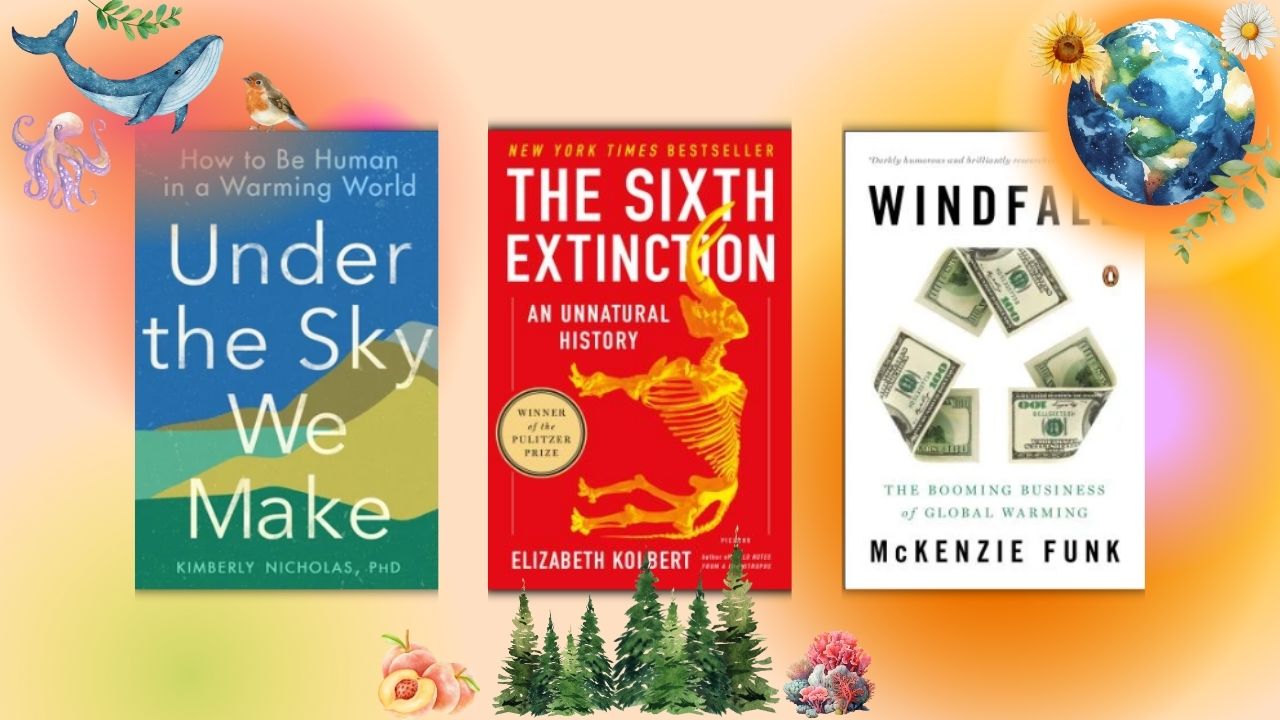
Global warming, a symptom of high greenhouse gas emissions, is the sustained warming of the Earth’s temperature. The emission of greenhouse gases creates what is known as the greenhouse gas effect, a phenomenon where the sun’s rays cannot reflect out into space and are instead trapped in the atmosphere, trapping heat and warming the planet. Global warming perpetuates climate change and the climate crisis, which has and will continue to damage the environment and negatively impact human life. However, all is not lost. Here are book recommendations to educate readers on global warming and the climate crisis so that we can become knowledgeable about solutions to save our planet!
Windfall by Mckenzie Funk
Author and journalist McKenzie Funk compiles an exquisite explanation of global warming and how it has become a market opportunity. As society seemingly leaves climate change unchecked, corporations, businesses, and governments are capitalizing on the chance to adapt to a warming planet and changing climate. For example, Greenland is extracting resources from the mineral-rich, arable land of the Arctic now that the snow is melting, and Israel is pioneering the business of artificial snow. Private firefighters in California working for insurance companies and South Sudanese warlords face unlimited benefits from drought effects. American scientists and Dutch architects fight to the finish line to create hurricane-immune cities.
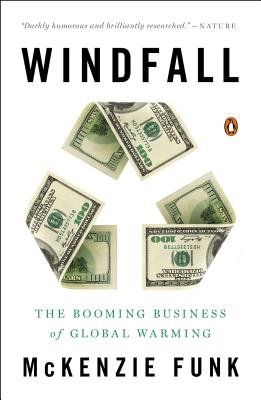
Yet, for some, the climate crisis is not a betting game. In Bangladesh, rising seas, rivers, and superstorms threaten human lives. Although businesses thrive in the unstable climate, the planet suffers severely. Are we preparing, or are we mindlessly following the money?
Regenesis: Feeding the World Without Devouring the Planet by George Monbiot

The concept of food is a nuanced, complex one. A tremendous amount of land is altered and destroyed to create agricultural lands to feed ourselves. Yet, millions face hunger, and food prices are rising drastically, exacerbating food insecurity. In this stunning novel, George Monbiot examines sustainable agriculture to reimagine the future of food on our planet. Soil and plant ecology and biology will teach us how to grow more food with less farming, restore natural systems, strengthen the relationship between people and the planet, and prevent human extinction.
Half-Earth: Our Planet’s Fight for Life by Edward O. Wilson
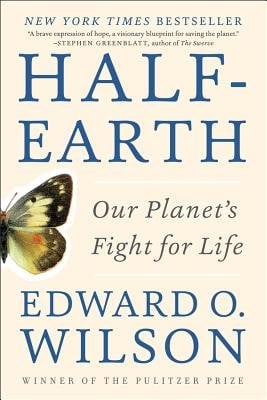
A championing biologist, Edward O. Wilson maps out biodiversity to solve the climate crisis in Half-Earth: Our Planet’s Fight for Life. Wilson declares that half of the Earth must be returned to nature to solve pressing environmental issues and preserve critical areas such as the Amazon River Basin, Serengeti grasslands, and California redwood forests. Wilson’s unique, poetic voice puts the dire science into a new, fresh, empowering perspective in this novel, inspiring readers to do their part in mitigating climate change.
As Long as Grass Grows by Dina Gilio-Whitaker
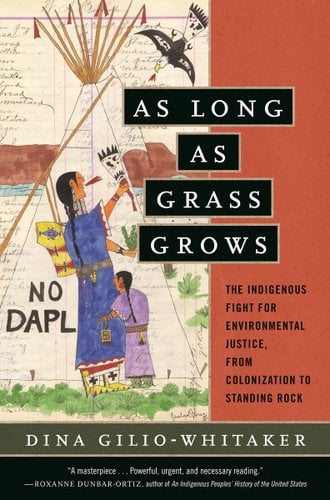
The Standing Rock protest in 2016 shed light on the importance of Indigenous activists in the environmental movement but did not hold Americans accountable for how ignorant they are of Native peoples’ unique ecological insight. In this eye-opening novel, activist and Indigenous researcher Dina Gilio-Whitaker examines Indigenous history of treaty violations, food and water insecurity, and land protections, emphasizing the impact on and of Indigenous women. As Long as Grass Grows calls on readers and members of the new environmental movement to learn from and base new sustainable practices on revered Indigenous knowledge to create a healthy, safe, and inclusive sustainable future.
The Sixth Extinction: An Unnatural History by Elizabeth Kolbert

If the climate crisis continues on its path, the human race will continue hurtling toward the sixth extinction in our planet’s history, one we will not survive. In The Sixth Extinction, Elizabeth Kolbert, a New Yorker writer, illustrates the history of human-environmental interactions and how remarkably humans have shaped the world we live in today. A comprehensive analysis of extinction, species loss, or removal, combined with interviews from researchers in various fields, reshapes society’s perspective on nature for the better.
Under the Sky We Make by Kimberly Nicholas, PhD
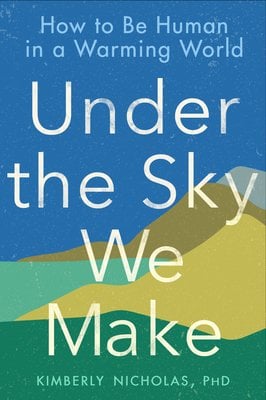
In Under the Sky We Make by Kimberly Nicholas, we are gifted an optimistic guide to radical but realistic sustainable changes that can be enacted today for a better future. Although companies and governments are responsible for a significant portion of the climate crisis, individual environmental impacts truly do make a difference. Charming anecdotes and Nicholas’s scientific expertise educate readers on topics ranging from sustainable overseas travel to carbon-free online dating and groceries. This book empowers readers, instilling a genuine belief that humans can reverse their mistakes.
Knowledge is power. Everyone can make a positive difference! Put these unparalleled books on your TBR today!
For more Bookstr recommendations, click here.
To browse these books and more, click here.