

















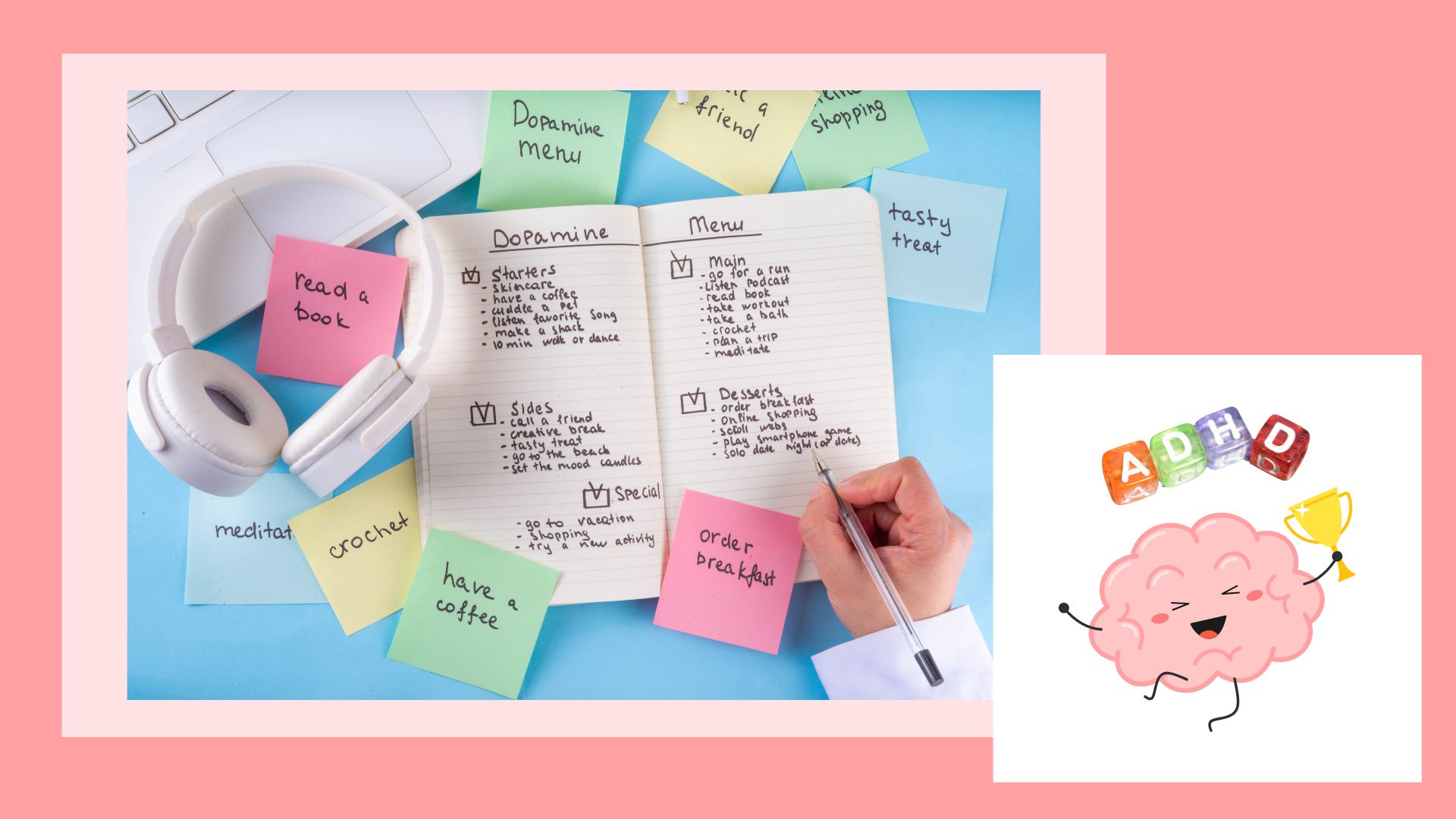
Being a book lover with ADHD is… complicated. One day you’re flying through 500 pages like it’s nothing, and the next you reread the same opening sentence 12 times before giving up and scrolling TikTok. Add in mood reading, reading slumps (thanks to DNF’ing a highly anticipated book or a five-star read that ruins everything else after), and throw in a little (okay, a lot) of executive dysfunction, and reading may not always be the cozy escape we want it to be.
Enter reading trackers and challenges — the ADHD reader’s secret weapon for bringing joy back into reading.
Why Reading Trackers Actually Work for ADHD Brains
Dopamine Hits, Unlocked
Let’s be honest — ADHD brains thrive on little hits of dopamine, and reading trackers deliver exactly that. Every time you check off a box, color in a square, or update your progress bar, your brain gets a burst of that “I did it!” feeling. It’s the same rush we get from leveling up in a game or hitting a streak on Duolingo, but with books. Instead of reading feeling like a slow, endless process, trackers give us a reason to celebrate tiny wins. Those small moments of accomplishment add up fast — and they’re often the difference between finishing a chapter and abandoning the book altogether.
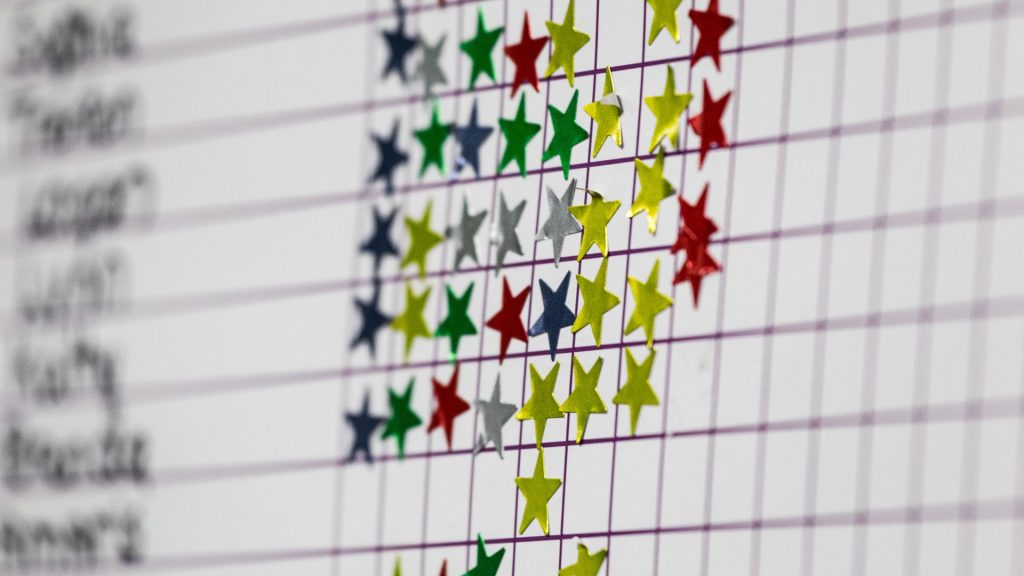
Visual Proof of Progress
When executive function convinces us we’ve done “nothing” all day, having visual evidence to the contrary is magic. A tracker lets you literally see your success — whether that’s pages colored in on a chart, a list of books you’ve finished, or digital stats showing your total reading time. It’s a tangible reminder that progress is happening, even when it feels like your attention span is working against you. Sometimes, flipping through your tracker can reignite motivation to pick up the next book simply because it looks so good filled in.
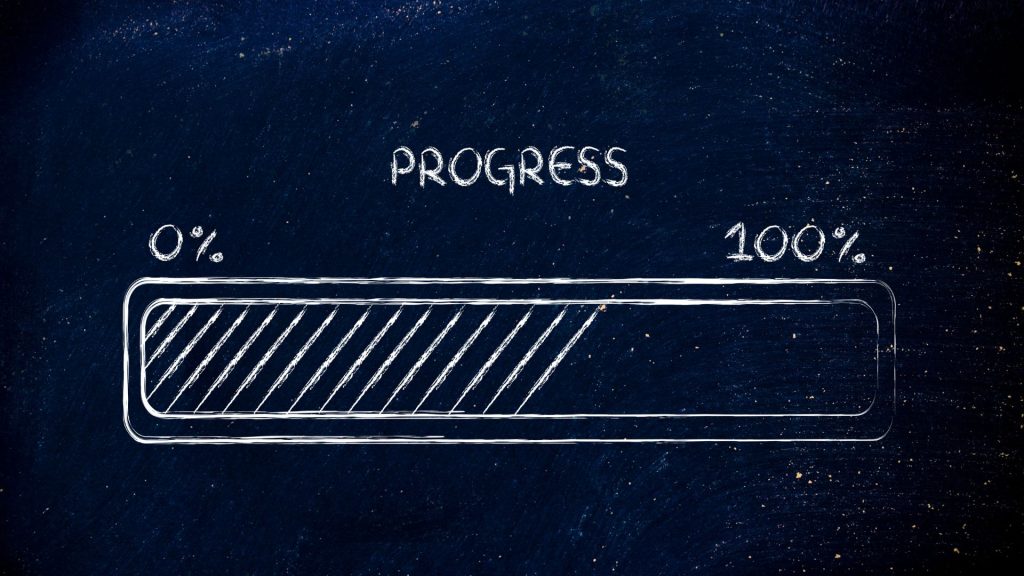
Built-in Memory Aid
Anyone with ADHD knows the frustration of forgetting what they’ve read (or where they even left off). Trackers act as an external memory — your own personalized reading log that keeps track of titles, characters, favorite quotes, and reading moods. When your brain doesn’t hold onto those details naturally, a tracker does the remembering for you. It also helps you reflect on patterns in your reading life — like realizing you gravitate toward cozy fantasy during stressful weeks or romance when you need comfort.
Ways to Make Reading Work for You
Apps That Keep You on Track
Digital tools can make tracking books surprisingly fun. Goodreads and StoryGraph allow you to set yearly reading challenges, whether that’s ten books or 100 — it’s flexible enough to match your mood-reading tendencies. Bookly goes a step further with timers, stats, and streaks, giving ADHD readers an extra dopamine boost as you watch your reading stats climb. Some people love seeing their daily reading minutes stack up, while others just enjoy the visual checklist — it’s all about what sparks that sense of accomplishment.
Physical Trackers and Journals
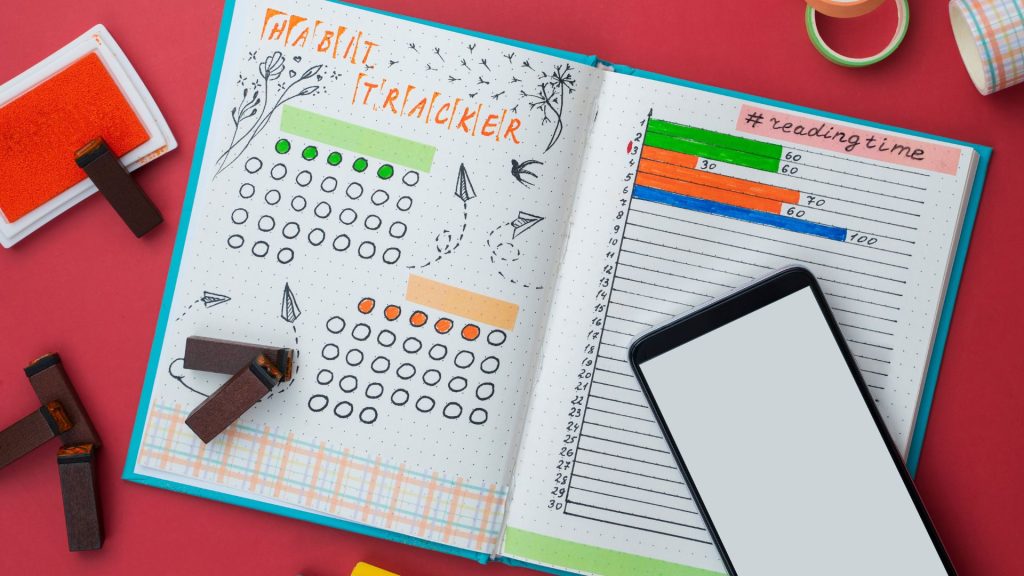
If you’re a hands-on, tactile reader, physical trackers can be a game-changer. Printable charts, bullet journal spreads, or even doodle-style bookshelf trackers let you color, decorate, and personalize your progress. There’s something inherently satisfying about marking a page complete or coloring a square — it transforms reading into an interactive experience. Instagram and Pinterest are full of creative layouts and inspiration boards, so even if you don’t want to design your own, it’s easy to find one that fits your style. One of my favorite boards of Pinterest reading trackers can be found here!

Buddy Reads (Minus the Pressure)
Full-fledged book clubs can feel like a commitment nightmare, especially if deadlines and discussions stress you out. That’s where buddy reads come in. Reading alongside one friend, or even syncing up with an influencer’s current pick, lets you enjoy the social aspect without turning it into an obligation. You can swap thoughts, obsess over favorite characters, or simply enjoy the comfort of knowing someone else is on the same page — literally — while still reading at your own pace.

Challenges That Keep Things Fun
Reading challenges are a playful way to rediscover your reading groove without any pressure. From seasonal bingo cards to “12 books in 12 months,” these prompts add a little excitement to your TBR and turn reading into a fun game for your ADHD brain. Pick what feels engaging, skip what doesn’t, and let your mood guide the adventure.
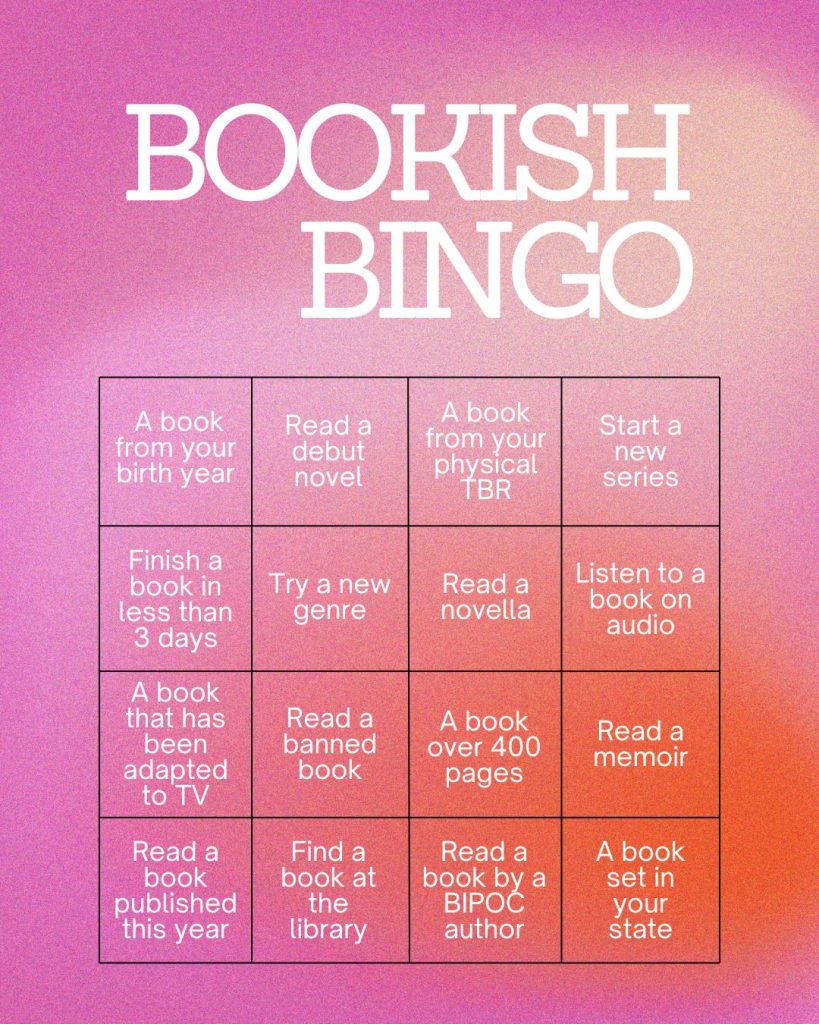
Some ideas to get you started include finding a book with a yellow cover, exploring a story by an author from a marginalized community, or indulging in a hilariously specific vampire prompt — you know, the kind with a hot, yearning vampire who sucks their love interest’s blood. A few example titles to spark inspiration are The Seven Year Slip by Ashley Poston, Love Is a War Song by Danica Nava, and Interview with the Vampire by Anne Rice.

Keep It Playful
At the end of the day, the last thing ADHDers need is to turn reading into homework. Trackers and cute challenges are about making your reading life more playful and rewarding, especially when our brains make it hard to keep momentum going. So whether it’s a trendy Instagram tracker, a Goodreads challenge, or just a notebook where you scribble down titles, give one a try this ADHD Awareness Month — and celebrate every page you conquer.
If you’re building your own ADHD-friendly reading toolkit, don’t miss this Bookstr article packed with more helpful resources.
Searching for stories that celebrate neurodiverse voices? Check out our Mindscapes shelf on Bookshop.org.
