

















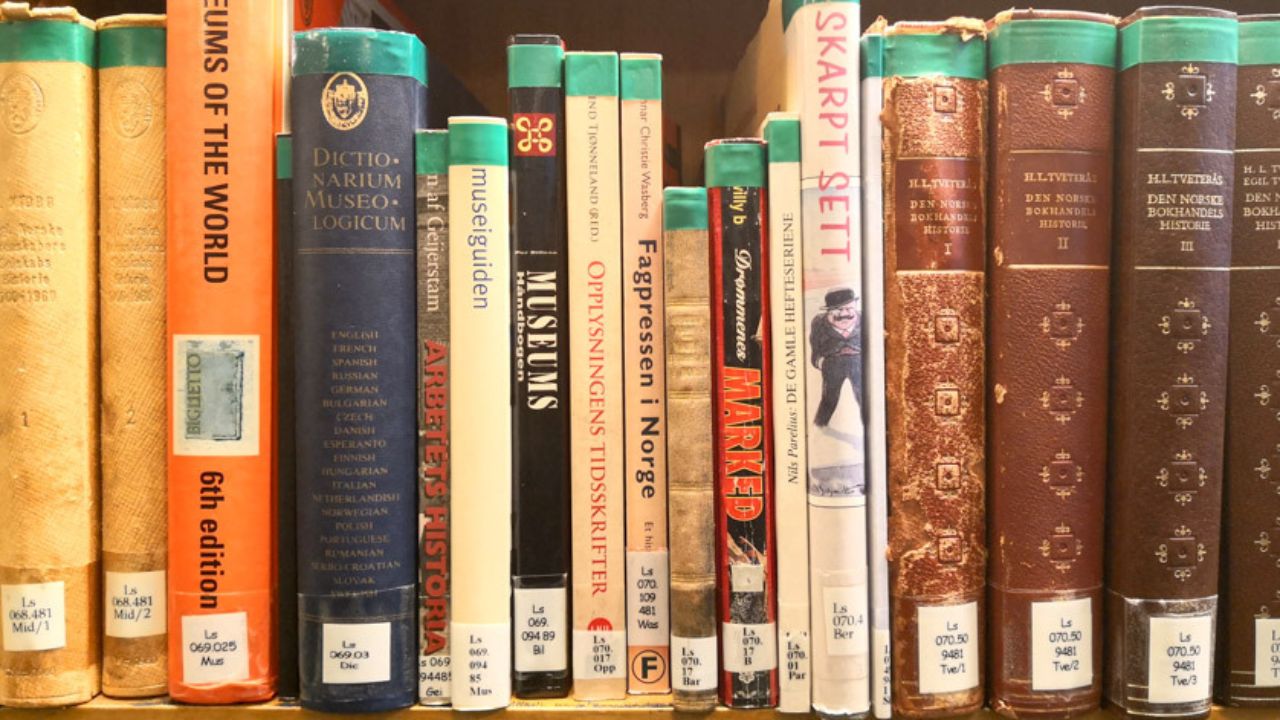
The Dewey Decimal System is an old method of organizing books in a library or bookstore. It classifies books using numbers 000 to 999 and uses numbers in decimal places to be more specific. This was a revolutionary organization system for libraries and later bookstores, but how did it come about? Read on to learn more.
A Brief History
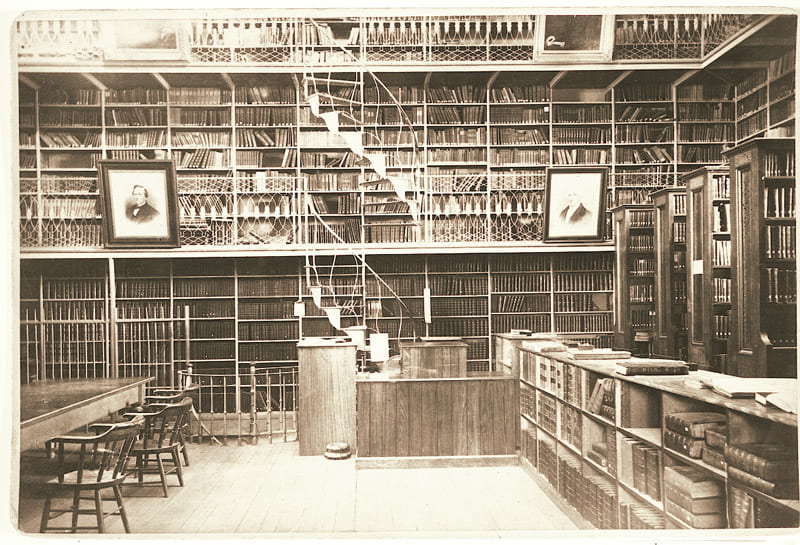
This system was created in 1873 by an American librarian named Melvil Dewey to be used in the Amherst College Library. The first version of this was later published in 1876 when he published a pamphlet called A Classification and Subject Index for Cataloguing and Arranging the Books and Pamphlets of a Library. The system has been modified and changed over the years, and currently, it’s on the 23rd edition. It’s now used in over 100 countries around the world.
How Does it Categorize Books?
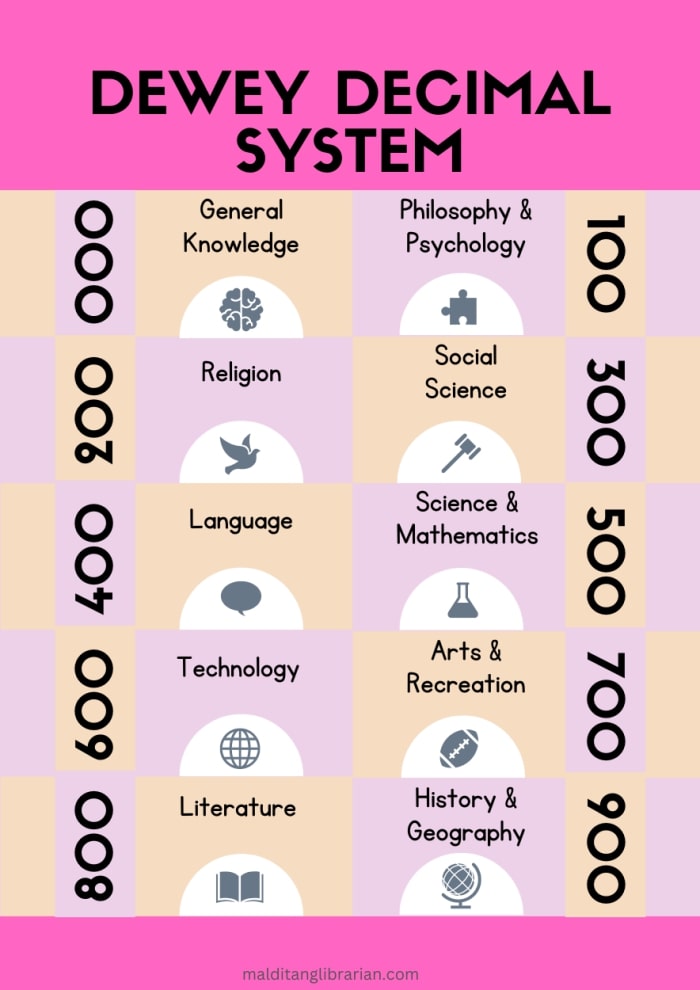
There are ten groups within this system, each with 100 numbers. The groups follow this order: general works; philosophy and psychology; religion; social sciences; language; natural sciences and mathematics; technology; the arts; literature and rhetoric; and history, biography, and geography. The groups are divided repeatedly within their respective 100 numbers to help organize specific groups. For example, in the languages section, German and similar languages are number 430, and French and related romance languages are number 440.
How Libraries Were Organized Before
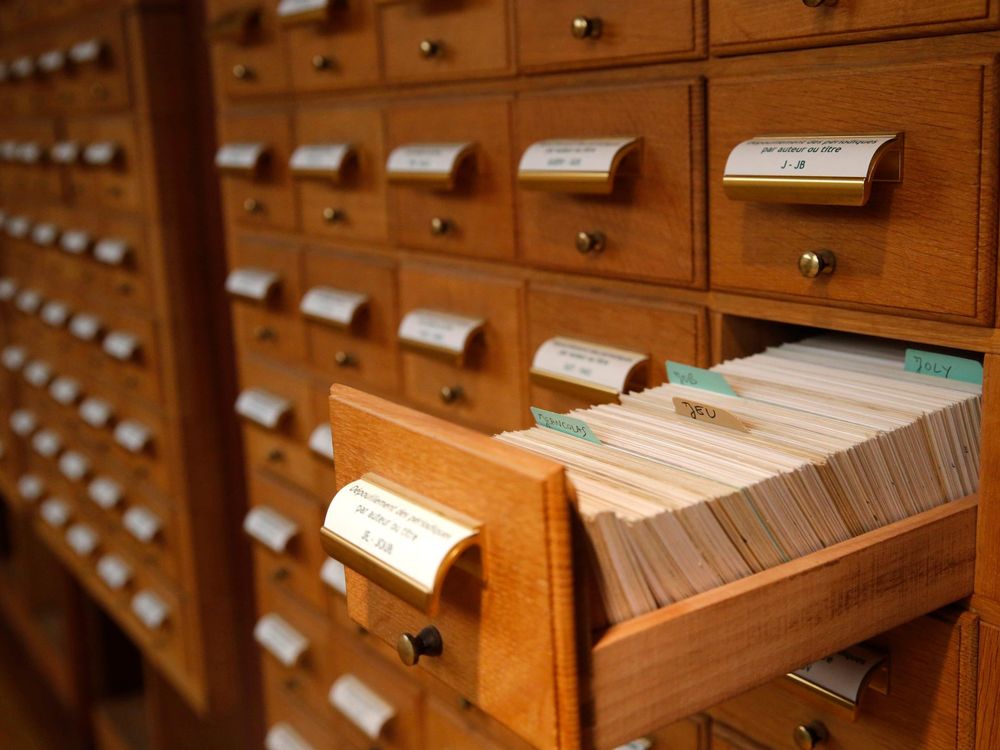
Before the Dewey Decimal System came along, there wasn’t a standard way to organize libraries. Each library had its way, but many used a fixed positioning system, where books were assigned certain shelves or bookcases. Librarians were the only ones who knew the system, usually having it written down somewhere so they could help others. It wasn’t the worst way to organize the library, but people still had to look through shelves and bookcases to find the specific book they wanted.
Why is it Outdated?

While it was certainly important and revolutionary in its time, this system is outdated. It’s also based on ideals of the time, meaning the system is teeming with misogyny, racism, homophobia, etc., much like Melvil Dewey himself. For example, when he first created the classification, he put LGBTQIA+ works under the section psychology and medical disorders. With the world changing and libraries getting more diverse books than in the late 19th century, we need more numbers. Minorities who weren’t included in the original system still struggle to find a place, often being shoved in different sections depending on the library or bookstore.
Will it Change?

It’s unlikely that the Dewey System will be changed. It’s woven into libraries and bookstores around the world, and students are still taught how to use it, making it even more resistant to change. Unless a new system, one that is undeniably better and easier to use, is brought forward and heavily pushed to be used, we will have to keep using this system. However, there is always hope, and people are fighting against this prejudiced system. Maybe we will be pleasantly surprised.
Who knows what the future will bring? Maybe one day the Dewey Decimal System will be no more, or maybe it’ll be edited for the millionth time. Only time will tell!
Click here for an article on why we should overhaul the Dewey Decimal System.
Check out our Bookstr Team Recs shelf on Bookstr’s Bookshop page.
