


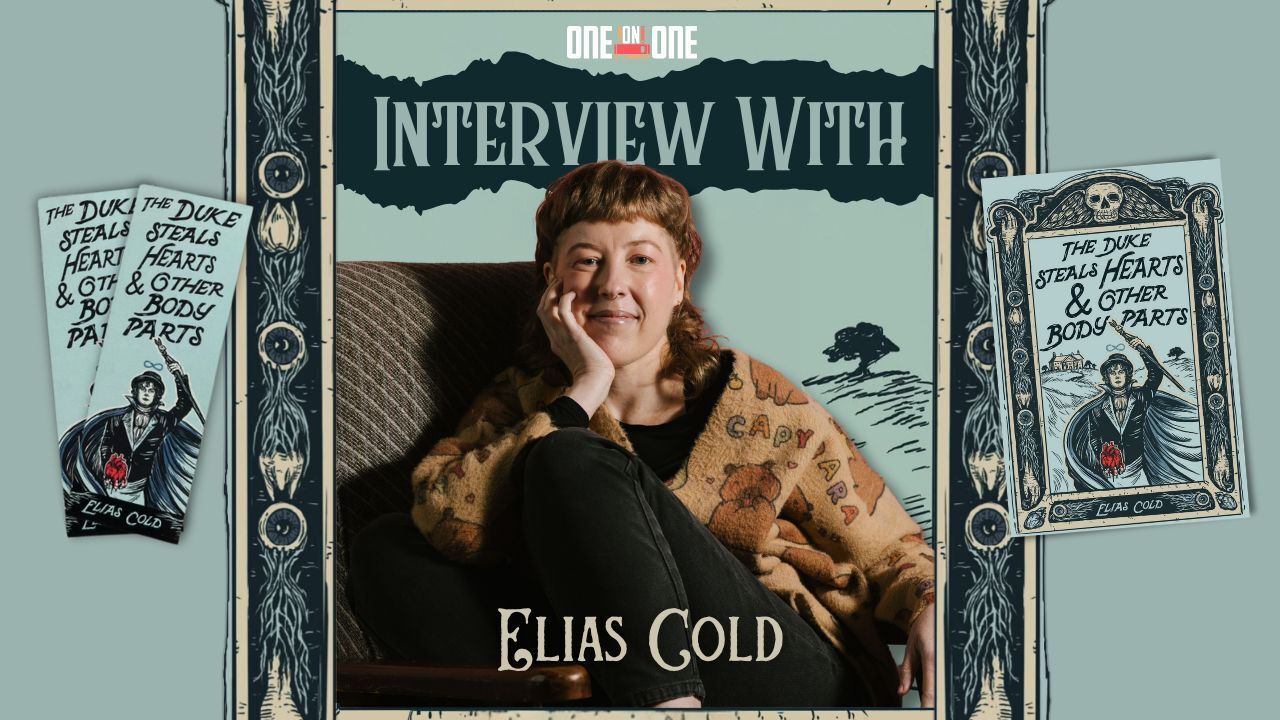
Have you ever wondered what makes a story truly unforgettable? What if the author has a background as fascinating as their characters? Today, we’re taking a deep dive into the mind of Elias Cold, a speculative fiction writer whose work is as compelling as their professional and personal journey. Read on to learn more about this intriguing new author, their debut work, The Duke Steals Hearts and Other Body Parts, and their perspectives on neurodivergency and trans life.
About Elias Cold
Elias Cold (they/them) is a speculative fiction writer, editor, and former medical geneticist. Their work tends to center queer and neurodivergent characters and has appeared in Rabbit Journal and Andromeda Spaceways Magazine. They live in rural Australia with their two cats. You can keep up to date with Elias’ latest content on their Instagram and website.
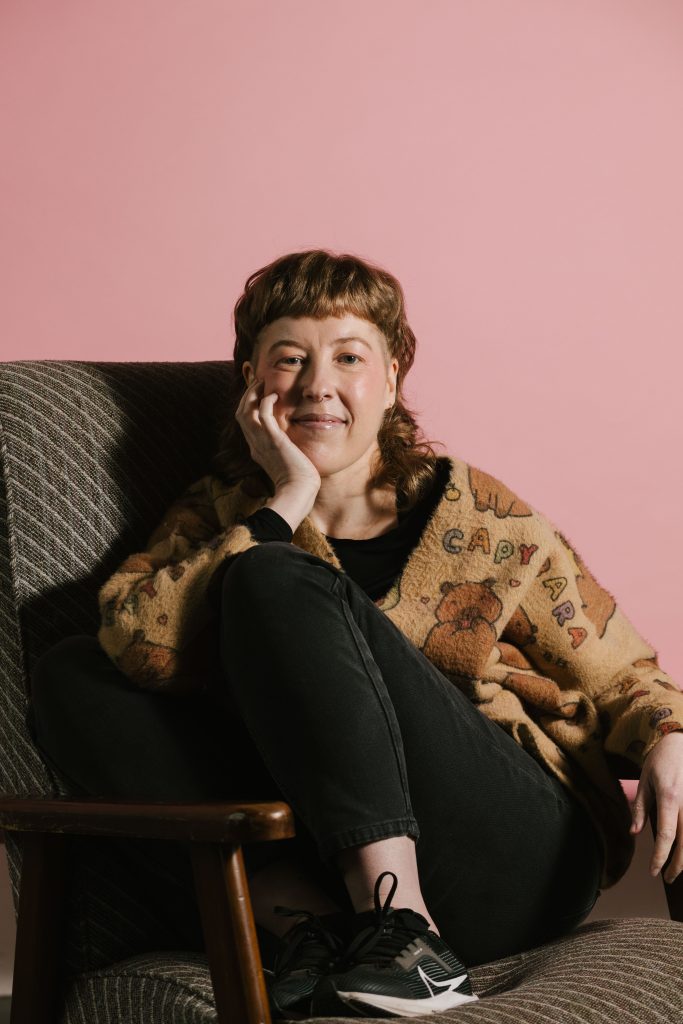
Thank you for joining us, Elias. Let’s get started.
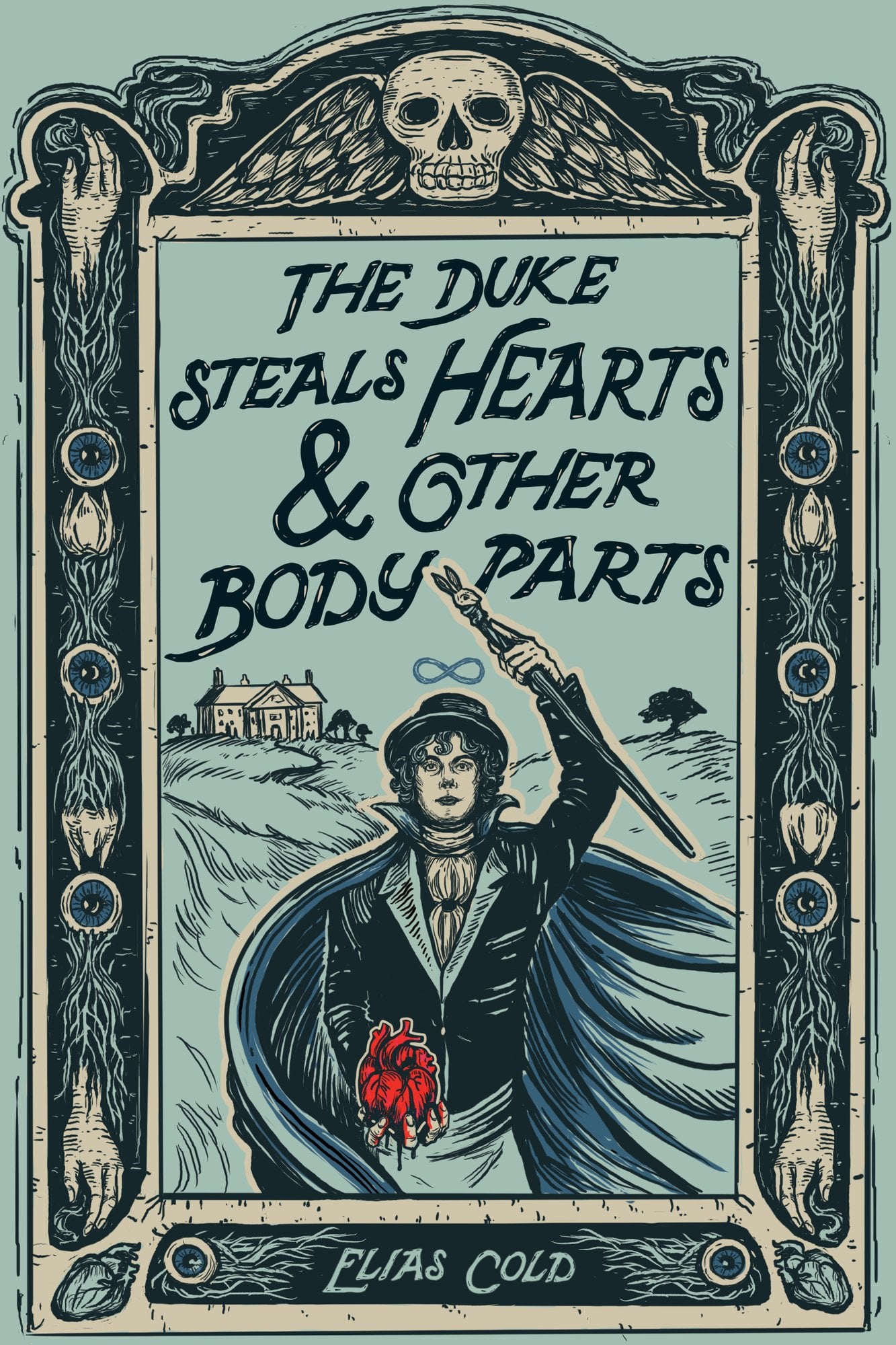
For any readers unfamiliar with it, can you give us an elevator pitch for The Duke Steals Hearts and Other Body Parts?
A magical neurodivergent, trans teen investigates a string of missing girls — and falls for one — in this dark and comedic coming-of-age fantasy.
You previously worked as a medical geneticist. How has that career influenced your writing? In what ways did it shape your book’s focus on bodily anatomy?
I have a fondness for old anatomical sketches and wanted to catch something of that vibe in The Duke, as well as shades of Mary Shelley’s Frankenstein, and the weird and gross (and often ethically repugnant) medical experiments that were being done in the 1800s.
To answer this question in a different way, medical genetics has helped me a lot with editing, because I’m well-versed in how the mind plays tricks when repetitively checking something (like patient labels, or words in a manuscript), how useful it is to have checklists and routines, and to have second and third and fourth readers with fresh eyes.
The Duke Steals Hearts and Other Body Parts is described as a Regency-inspired fantasy, a popular setting for queer stories. What interested you in setting this story in a Regency-inspired world? Why is the Regency era so prime for setting queer narratives?
Regency England was a time of strict social rules revolving around manners and gender and class. For me, this makes regency-inspired fantasy a fun sandbox, with clear (and often clearly nonsensical) social rules for my characters to defy. I hope this invites readers to question current social norms as well.
Making space for queer, trans, and neurodivergent characters in Regency-inspired worlds also feels like a way of saying we’ve always been there, and these spaces belong to us, too.
The Duke Steals Hearts and Other Body Parts is told from multiple perspectives: Phillip, Adeline, Lucent, and Wycliff. Whose POV did you enjoy writing the most? Did any of them surprise you?
I think it will surprise no one that Phillip was my favourite POV to write. Though Lucent was a close second!
Who and what are some of your literary influences? Were there any major sources of inspiration for this book?
Core lifelong influences include Tolkien’s Lord of the Rings — there’s something about the earnestness of Tolkien’s work that I adore. And Terry Pratchett’s Discworld books, for the way he’s able to wring powerful emotions from familiar archetypes.
For The Duke, I was inspired by the stylised gothic vibes in Tim Burton’s Sleepy Hollow as well as classic Victorian gothic literature (in particular, Mary Shelley’s Frankenstein and Emily Brontë’s Wuthering Heights).
Magic in The Duke Steals Hearts and Other Body Parts is closely tied to near-death experiences, and in Phillip’s case, to his gender dysphoria. What inspired this magic system?
I wrote The Duke at a time when I was navigating social transitioning. I had frustrations around explaining how I was feeling to people, and I think this subconsciously translated to, “Wouldn’t it be easier if I could just make someone feel this?” Which then led to Phillip’s magic being able to convince people’s body parts that they don’t belong.
This story strongly evokes death, rebirth, and finding ways to break the cycles we’ve been trapped in. What drew you to these themes?
I often get trapped in habits and routines. Letting go of things can be difficult due to attachment, even if we are attached simply because something feels familiar, not because we enjoy it. We might wish to let go of a toxic relationship, ways of presenting ourselves to the world that don’t match who we are, or even a bedtime routine that keeps us up too late. In my experience, consciously removing myself from such cycles always involves a sense of grief for the old and hope for the new — or death and rebirth.
A lot of trans and neurodivergent people gravitate toward horror. How has horror helped you explore your experiences as a trans neurodivergent author?
Throughout the history of horror, you can find ostracised beings (often queer-coded or given disabilities) who are trying to navigate a hostile society. Horror championed me and gave me something to relate to, even when that was not its intended purpose.
Now that I’m writing books, I’m able to deliver my own experiences through horror elements, rather than having to read between the lines to find something I can resonate with. That feels like reclaiming a piece of the genre that first gave me a home, and I love to see other queer and neurodivergent authors working with horror elements too.
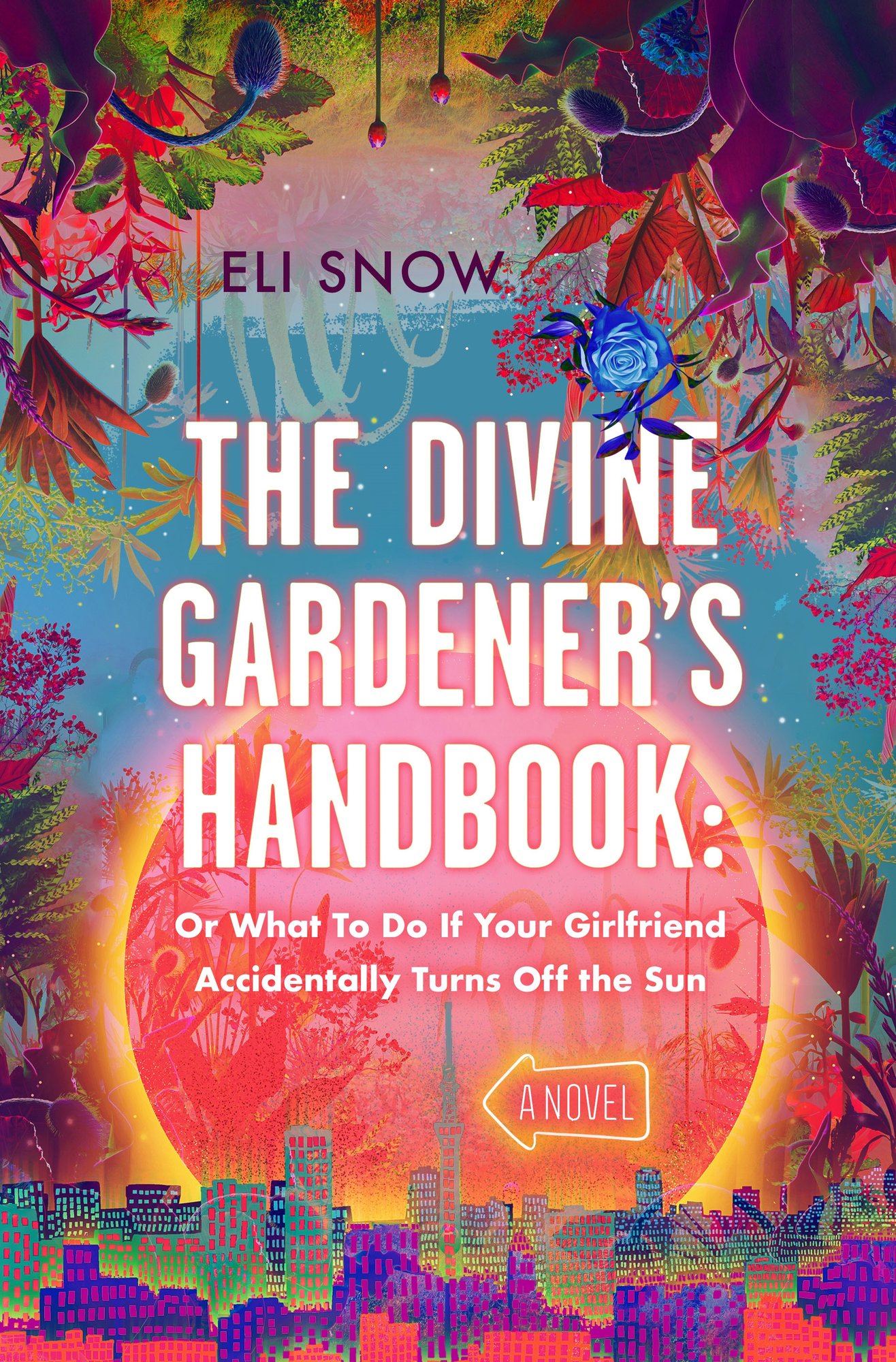
You’ve also begun working on your sophomore novel, The Divine Gardener’s Handbook: Or What to Do If Your Girlfriend Accidentally Turns Off the Sun, an adult fantasy with an intriguing title. What can readers expect from this new endeavor?
DGH is a genre blend of sci-fi, fantasy, and romance, in a cyberpunk setting — very different from The Duke! Think Bladerunner vibes, with plants and a sapphic love story at its heart. Two rival gardeners cause a lot of trouble trying to one-up each other, when kissing might be a better way to resolve that tension.
To close out, in honor of The Duke Steals Hearts and Other Body Parts, what are some of your favorite trans-centric stories besides your own?
In the YA space, anything by A.J. White is always amazing. I particularly love The Spirit Bares Its Teeth. Also, Cemetery Boys by Aiden Thomas (can you tell I like gothic-leaning YA?).
For adult books, I love Becky Chambers’ Monk and Robot duology, and another duology, Shelley Parker-Chan’s The Radiant Emperor.
Thank you, Elias, for such a wonderful interview! We’ve seen how Elias Cold’s unique journey — from medical genetics to speculative fiction—has forged a narrative that is as deeply personal as it is imaginative. Their work weaves together gothic fantasy, queer and neurodivergent representation, and a profound understanding of death and rebirth. Cold’s passion for storytelling, their love of literary greats, and their commitment to creating a space for marginalized voices shine through every aspect of their writing. It’s clear that The Duke Steals Hearts and Other Body Parts is more than just a book; it’s a testament to the power of reclaiming stories and spaces, making it an unforgettable debut. Be sure to pick up your copy today from any of the links above or from your favorite local indie bookstore.
Want more Author Interviews? Check out our Author’s Corner to see who we’ve been talking to!
Find Elias’s debut, The Duke, on our Bookshop shelves!