

















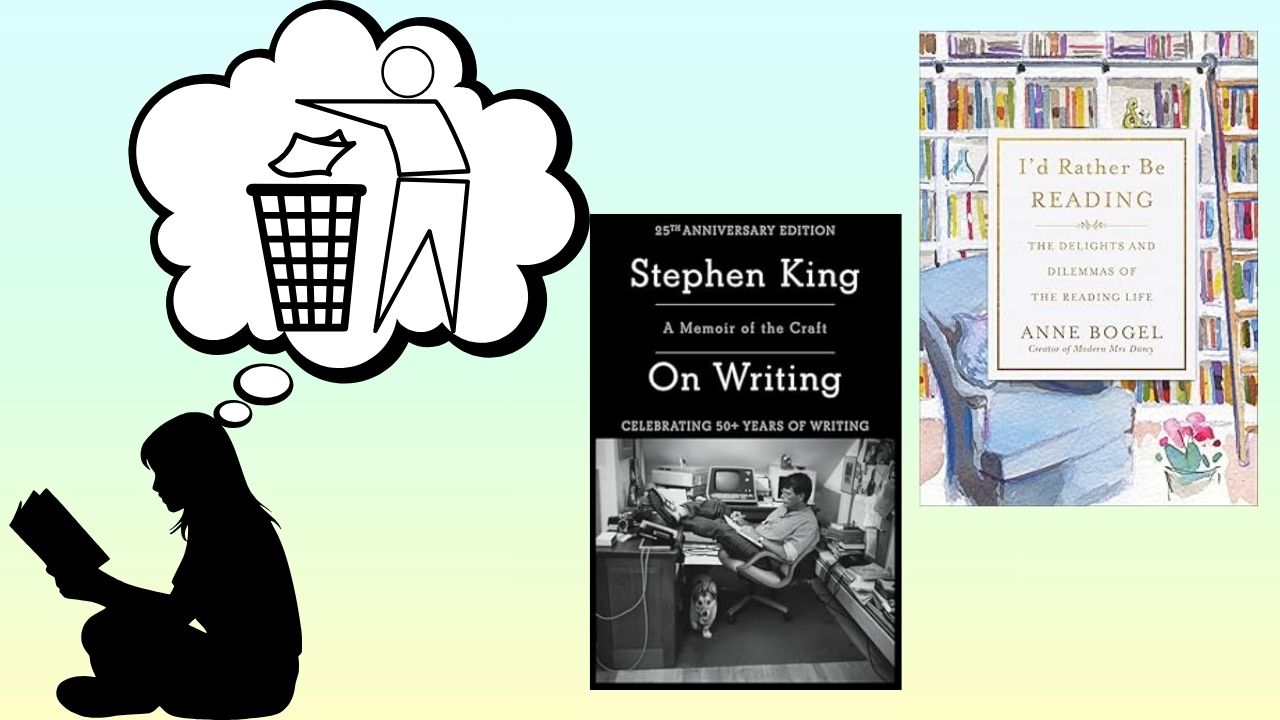
You know that feeling — the slow dread of realizing a book you wanted to love is, well… not giving you any feels at all. Maybe you’ve had to reread the same paragraph three times. But still, you keep turning pages out of guilt, as if you’ll hurt its feelings if you don’t finish it.
Here’s a secret many readers won’t say out loud: you DON’T have to finish it. Not every chapter deserves you. Reading isn’t a punishment, and quitting isn’t a failure. Sometimes, tossing that book into the DNF pile is an act of love — for yourself, for your time, and for the stories that do deserve you. Cue the collective gasp of every completionist clutching their pearls and bookmarks, because today we’re talking about the power of DNF’ing for self-care.
Did Not Finish, Definitely Not Sorry

When you DNF— short for “Did Not Finish”— a story, you aren’t committing a literary crime. The moment you primly close an unfinished book and whisper, “It’s not you, it’s me,” you are performing a polite breakup. Maybe the pacing dragged, the prose put you to sleep, or the characters hailed from a singularly flat dimension. Whatever the reason, you realize your time (and TBR pile) is too precious to spend slogging through chapters that haven’t caused a mild obsession — let alone spark your interest.
Stop thinking of DNF’ing as defeat. It’s discernment, knowing that not every book deserves your dog-ears, your late nights, or your emotional bandwidth. By saying no to a story that isn’t working, you’re saying yes to the ones that will set your reading heart on fire. Consider it shelf-self-care, not completionist-sabotage — a literary act of self-love that even the most devoted bibliophile should practice without guilt, apology, or dramatic violin music.
Don’t just take my word for it — here are a few famous writers and readers who have something to say about it.
The King of Horror… and Deacon of DNF

There are few authorities on good books greater than Stephen King. He needs no introduction, but did you know he is also one of the loudest, proudest champions of DNFers? Publicly and in his memoir of the craft, King explains that life is simply too short — your time too precious — to spend it trudging through a book that isn’t holding your attention, admitting he constantly abandons the stories he’s reading. He doesn’t consider it rude, lazy, or a failure. Why? Because it’s practical
King also connects his DNF habit directly to his craft. He says a writer can learn as much from a bad book as from a good one — seeing what not to do is helpful too — but that doesn’t mean you have to finish the bad one to extract the lesson. If you hate it, then take the hint and bow out.
“If a writer knows what he or she is doing, I’ll go along for the ride. If he or she doesn’t … well, I’m in my fifties now, and there are a lot of books out there. I don’t have time to waste with the poorly written ones.”
Stephen King, On Writing: A Memoir Of The Craft
For King, who is now seventy-eight years old (and still writing strong), the DNF pile is not about quitting. It’s about curating a reading life full of books that sharpen your taste and your writer’s toolbox and remind you why stories matter. In other words, you’re not betraying literature by walking away; you’re honoring the books that deserve your time, not wasting it on the ones that don’t.
Eternal Sunshine of the Spotless… DNF Pile
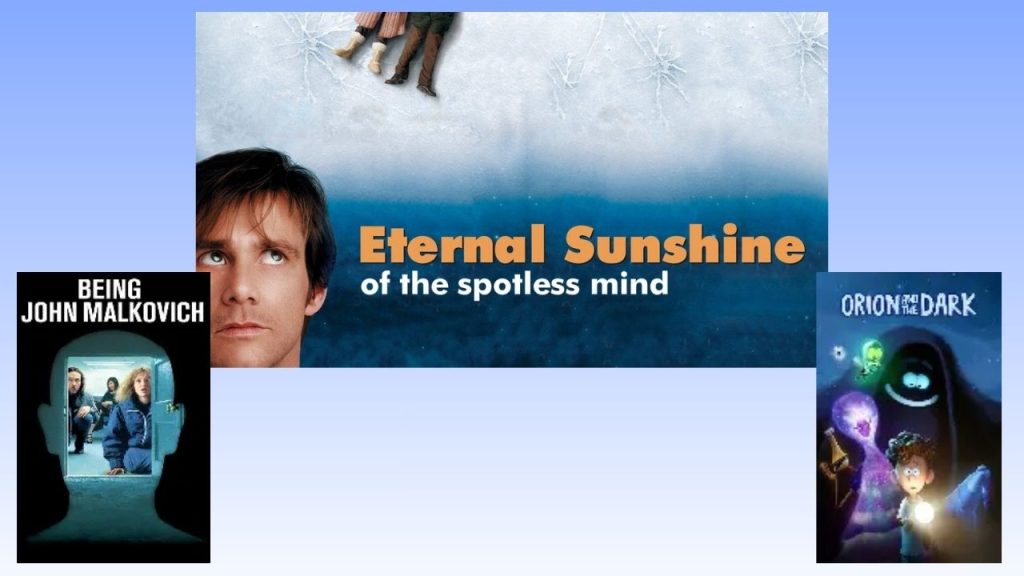
Charlie Kaufman — Oscar-winning screenwriter, director, and the beautifully strange mind behind Eternal Sunshine of the Spotless Mind and Being John Malkovich — is famous for bending cinematic reality. He’s also pretty bendy about finishing every book he starts. In a strikingly candid Vanity Fair interview, he admits his DNF pile is just as big as his TBR one.
“The more common experience for me now is I don’t finish books. I get disappointed or distracted, and it’s not what I wanted it to be, and so I have a pile of books that I’ve bought but I haven’t really read.”
Charlie Kaufman, Vanity Fair
It’s a refreshingly human confession from a celebrated creator. Instead of treating unfinished books as failures, he frames DNF’ing as a natural part of a creative life — an honest response to stories that don’t connect. Kaufman’s perspective is a calm form of liberation: if a book doesn’t hold you, simply don’t force it. Reading should excite, surprise, or challenge you — not drain your energy out of sheer obligation. And if one of Hollywood’s most inventive storytellers can walk away from a story without guilt, the rest of us can take that as permission to do the same.
DNF: The Optimal Reading Strategy According to Tyler Cowen

Tyler Cowen is a world-famous economist, co-founder of the blog Marginal Revolution, and author of numerous books on economics, culture, and decision-making. An Economist Gets Lunch: New Rules for Everyday Foodies, for example, connects economics to food and everyday decisions. He is also legendary for his voracious appetite for reading. In one interview with Inc., he claimed that he can get through “five whole books” on a good night. But more relevant to our DNF theme: he’s not just a super reader; he’s a ruthless one.
“The important thing is to be ruthless with the books that are not good. Just stop reading, put them down, usually throw them away, don’t give them away – if you give them away, you could be doing harm to people.”
Tyler Cowen, Inc.com
For Cowen, DNF’ing is strategic. He only finishes what matters to him. In his world, reading is a tool of discovery as much as a badge of endurance. The more efficient you are at abandoning what doesn’t serve you, the more time you free up for what does.
Stoic Thoughts on the DNF Culture

Known for revitalizing ancient philosophy for the modern reader, Ryan Holiday made his name with bestselling books like Trust Me, I’m Lying: Confessions of a Media Manipulator (2012) and The Obstacle Is the Way (2014). He likes to pull back the curtain on marketing, media manipulation, and the dark art of viral storytelling — establishing himself as a provocateur, strategist, and thinker who merges Stoicism with the machinations of modern culture.
But Holiday’s philosophy goes beyond clever marketing and self-improvement; he offers a bold endorsement of the act of quitting books with zero shame. In his blog post These 38 Reading Rules Changed My Life, he writes explicitly: “If a book sucks, stop reading it.” He also delivered an hour-long speech titled Life Is Too Short To Read Bad Books, where he advocated for growing your DNF pile.
“What matters is what WE think of the books, not what other people think. What’s impressive is what we get out of them, not how they look on our shelves or that they might impress certain types of company. Read widely. Read aggressively. But don’t be a glutton for punishment.”
Ryan Holiday, Life Is Too Short To Read Bad Books
Holiday ties this idea back to his broader Stoic framework. If Stoicism is about calibrating your attention, preserving your energy, and focusing on what matters, then it follows that you don’t have to soldier through books that no longer serve you. With millions of words read and dozens of books written, Holiday argues that high-volume reading is about discernment, not endurance. The act of quitting becomes an act of respect — for your time, your taste, and the books that actually deserve you.
The Modern Mrs. Darcy’s #1 Piece of Advice

Anne Bogel is the founder of the influential blog Modern Mrs. Darcy, host of the podcast What Should I Read Next?, and the author of popular books such as I’d Rather Be Reading: The Delights and Dilemmas of the Reading Life. Through her writing and podcasting, Bogel has earned a reputation as a reader’s advocate — a tastemaker who talks plainly about reading habits, book lovers’ joys and frustrations, and how to make reading more meaningful.
“I’ve been talking to readers for a long time now about their reading lives, and how they get more meaning and enjoyment out of the books they choose to read. Would you like to know the #1 piece of advice I can offer on how you can improve your own reading life, based on those thousands of conversations?
Anne Bogel, Modern Mrs. Darcy
It’s this: You don’t have to finish every book you start.”
For Bogel, DNF’ing a book is a matter of clarity. It’s a way of respecting your time, your tastes, and your future reading life by refusing to stay with a book that doesn’t spark joy or demand your attention. She refuses to frame it like a guilty confession. Her message: Reading should serve you, not the other way around.
Break up with that book — your TBR will thank you!
The opposite of a betrayal to literature, DNF’ing is a love letter to the books that do thrill you. Close the cover on what doesn’t spark joy so you can fling yourself heart-first into the stories that deserve your attention. After all, your TBR is long, your time is short, and life’s too precious for lackluster chapters. Happy reading!
Wanna know what I love reading? Check out my article Love From One Elder Editor: A Few of My Favorite Reads to find out.
Browse our bookshelf on bookshop.org for more fascinating nonfiction reads.
