

















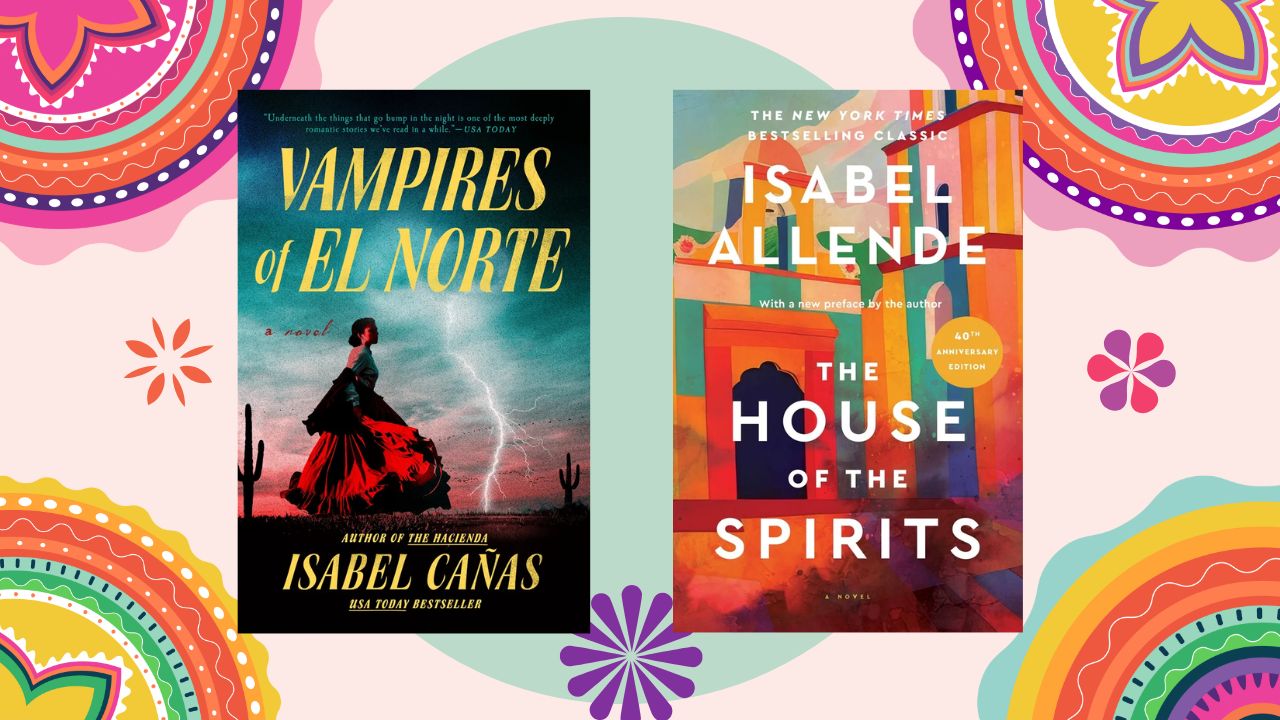
The curandera has been part of Latin communities for centuries. Often referred to as a healer, a guide, and sometimes a protector who works where medicine, magic, and faith meet. She’s more than someone with herbs and remedies; she’s the one who restores balance, nurtures the spirit, and keeps traditions alive. Rooted in Indigenous knowledge and cultural memory, the curandera is as much about community as they are about healing.
In literature, the curandera emerges as a powerful symbol of feminine strength, wisdom, and resilience. From Ana Castillo’s Chicana feminist classic, So Far from God, to Isabel Cañas’ Gothic novel, Vampires of El Norte, these stories remind us that the curandera is more than a character — she is tradition and history woven into the fabric of storytelling.
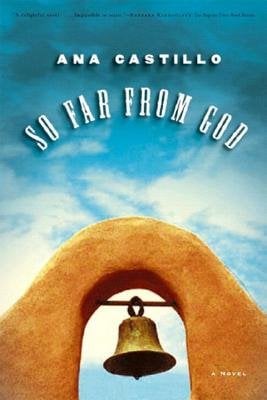
So Far from God by Ana Castillo
So Far from God by Ana Castillo is often hailed as the cornerstone of Chicana feminist literature, and it’s easy to see why. The novel tells the story of Sofía, also known as Sofi, a Mexican-American woman navigating the hardships of motherhood, poverty, and the weight of raising four daughters on her own in New Mexico. Sofi’s youngest child, La Loca (“the crazy one”), dies tragically at age three, only to return to life moments later with the astonishing claim that she’s been to hell and back, literally. Upon her return, La Loca possesses spiritual gifts and healing powers that transform her into a curandera-like figure.
Through La Loca and Sofi, Castillo gives voice to generations of Latina women whose stories often go untold. The curandera figure here is more than a healer; she’s an allegory for resilience, tradition, and survival in a society that frequently silences or dismisses Latina women as “crazy” or “too much.” Just as La Loca’s powers are rejected because of her nickname, Latina women have historically been underestimated or undervalued. Castillo turns that dismissal on its head, showing the strength in what other people would call “madness.”
By seamlessly weaving curanderismo and folklore into the everyday struggles of Sofi’s family, Castillo crafts a narrative that’s both deeply personal and resonant within Latin communities. Healing, in this story, is not only physical; it’s about preserving identity, empowering women, and pushing back against systems that attempt to erase culture and silence voices.
At its core, So Far from God is more than a novel; it’s a celebration of Latina heritage, a critique of the societal expectations placed on women, and a reminder of the extraordinary strength found in the “ordinary” lives of mothers, daughters, and healers. It stands as both an homage to cultural tradition and a rallying cry for recognition, proving that Latina women are not just survivors of their stories but the authors of them.
The Hummingbird’s Daughter by Luis Alberto Urrea
Luis Alberto Urrea’s The Hummingbird’s Daughter is a fictionalized account of his great-aunt, Teresa, who was a healer in the late 19th century and revered as the “Saint of Cabora”. It follows our protagonist, Teresita Urrera, who is the illegitimate daughter of a wealthy landowner and a poor indigenous servant in Mexico.
What makes Teresita so unforgettable is that she’s more than a healer; she’s a spark of hope. Her gifts bring Indigenous and mestizo (people of both European and Indigenous ancestry) communities together during a time when oppression and violence threatened to silence them during the oppressive rule of President Porfirio Diaz, whose mistreatment of Indigenous people is the main conflict in the book. Instead of being crushed, they find strength in her presence.

Teresita becomes a living symbol of resilience and resistance, showing that healing isn’t just about what she can do with the touch of her hands; it’s about restoring faith, culture, and a sense of belonging. Urrea’s novel also beautifully highlights how Catholic and Indigenous spirituality can coexist in Mexico, blending traditions in a way that feels both timeless and revolutionary. The Hummingbird’s Daughter is a celebration of tradition, faith, and defiance, capturing how storytelling and cultural memory can heal entire communities.
Vampires of El Norte by Isabel Cañas
In Vampires of El Norte, Isabel Cañas brilliantly blends Gothic horror with Mexican folklore, giving the curandera tradition a thrilling supernatural twist. The story follows Nena, a young woman training to become a curandera in the mid-19th century, whose life is altered when a vampire bite years earlier caused her friend Néstor to believe she was dead and flee.
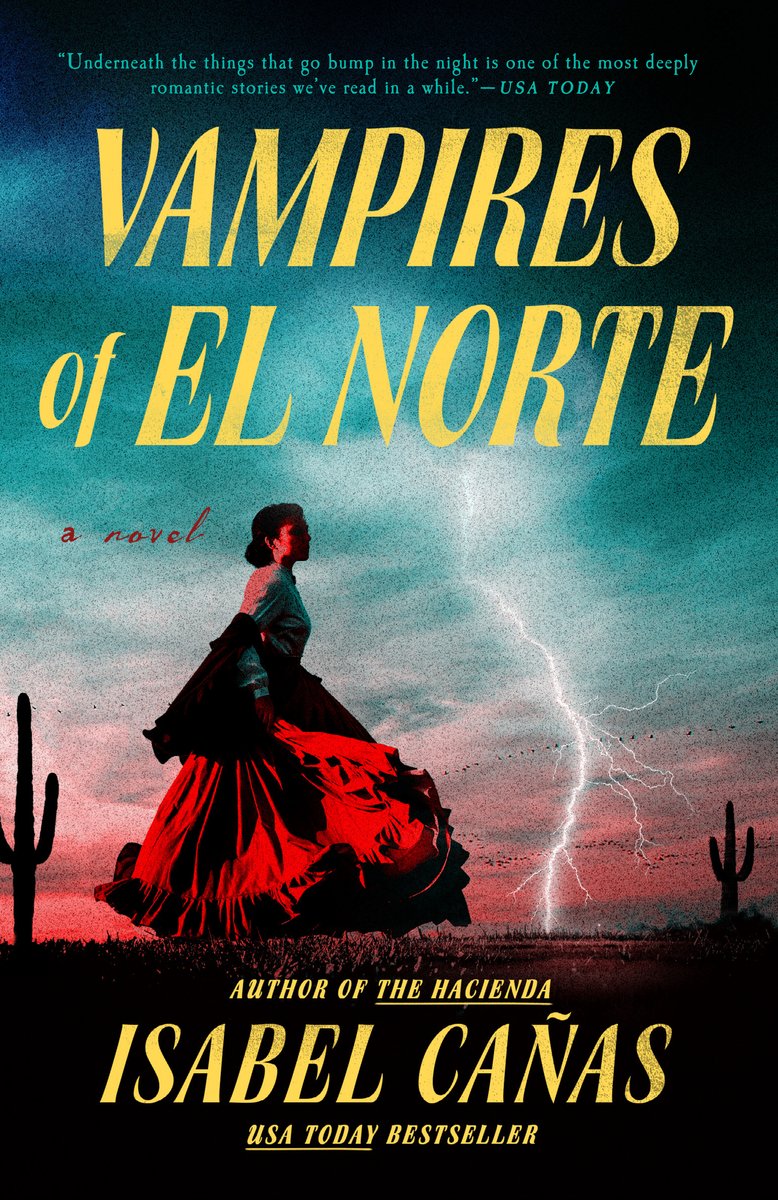
As the Mexican-American War begins, Nena and Néstor reunite and narrowly escape the Battle of Palo Alto, dodging vampires feeding on fallen soldiers. Throughout the novel, Cañas transforms the curandera into both healer and warrior, someone who fights not only literal monsters but also the figurative ones: colonial violence, cultural erasure, and fear itself. Nena’s journey shows that strength and spirituality can coexist. With its mix of romance, folklore, and spine-tingling horror, Vampires of El Norte isn’t just a Gothic page-turner; it’s a celebration of heritage, resilience, and the power of reclaiming one’s story in the face of darkness.
Woman Who Glows in the Dark by Elena Avila
Unlike the other books in this list, Elena Avila’s Woman Who Glows in the Dark isn’t a novel, but rather an autobiographical account and spiritual guide that brings the curandera to life through Avila’s lived experience. Drawing from her own decades of work as a curandera, Avila takes readers inside the rituals, practices, and philosophy of curanderismo, offering a vivid look into her own life and how she is a certified psychiatric nurse and a specialist in folk medicine healing.
Through personal stories and reflections, Avila explores how curanderas help people navigate trauma, restore balance to their spiritual energy, and reconnect with Indigenous traditions that have often been overshadowed by Western medicine. Her writing is both intimate and empowering, offering readers a front-row seat to the intersection of spiritual healing, ancestral knowledge, and cultural identity.
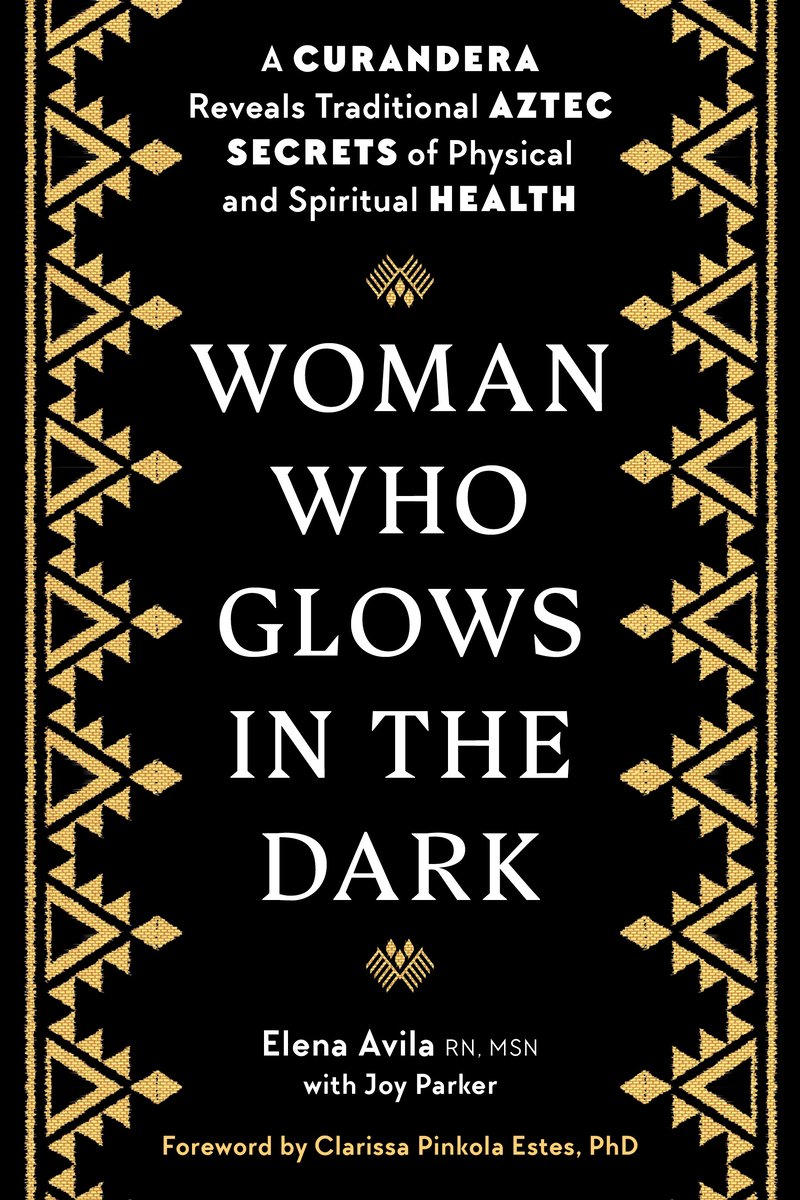
Woman Who Glows in the Dark is part memoir, part guide, and entirely inspiring, a celebration of heritage, resilience, and the enduring power of women who heal, teach, and protect their communities.
The House of the Spirits by Isabel Allende
In Isabel Allende’s The House of the Spirits, curandera traditions are seamlessly woven into the lives of the Trueba family in post-colonial Chile, particularly through characters like Clara, who possesses clairvoyant abilities and a profound connection to the spiritual world. Clara’s intuition, visions, and gentle healing touch guide her family through decades of political turmoil, personal tragedy, and societal change. Allende demonstrates that her mystical gifts are not merely supernatural quirks; they are tools for emotional and spiritual healing, for preserving family memories, and for navigating the complexities of love and loss.
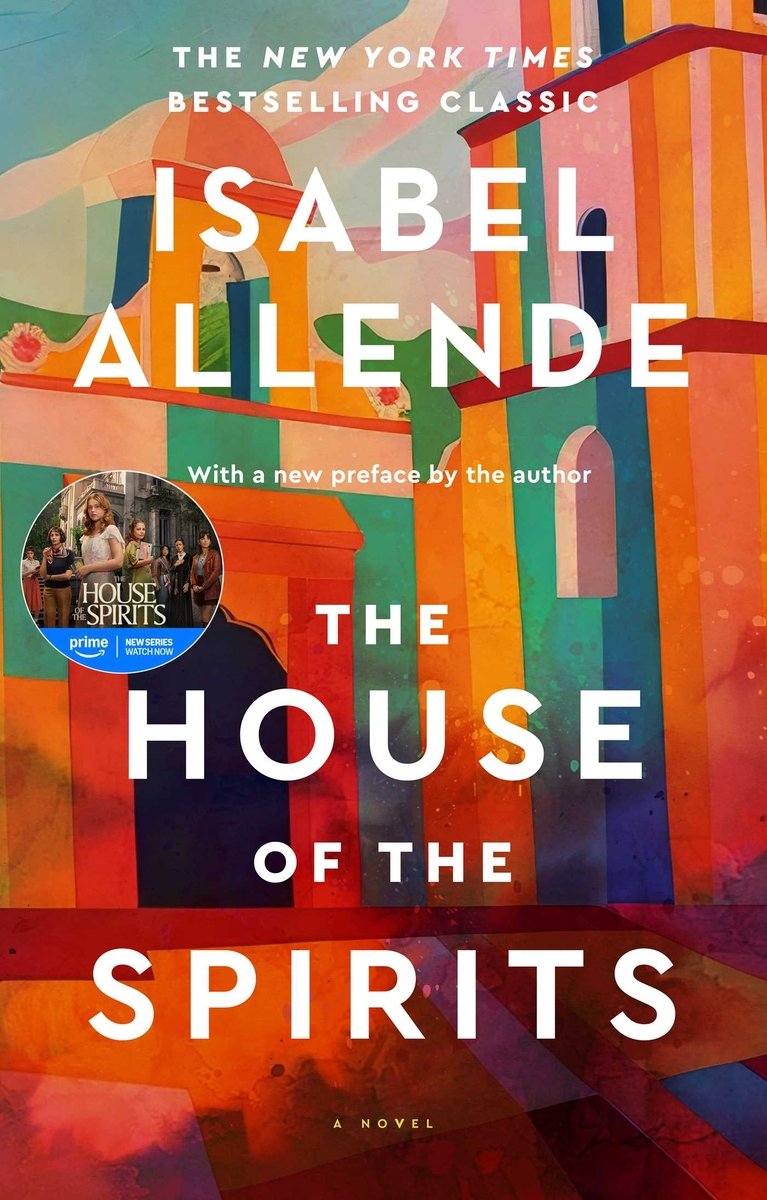
By blending magical realism with real-world struggles, The House of the Spirits celebrates women as keepers of wisdom and resilience, echoing the enduring role of curanderas in Latin American culture.
Cuanderas aren’t just characters in books; they’re powerful, magical, and totally unforgettable guides who remind us that strength, heritage, and a little bit of faith can go a long way. Whether they’re healing bodies, hearts, or entire communities, these stories show that the wisdom of Latina women is timeless, fierce, and full of life.
So, grab one of these books, cozy up with a cup of cafecito, and let a curandera, or two, lead you through a world of magic, history, and noteworthy storytelling. Trust us: once you meet them, you’ll never look at healing (or reading) the same way again!
Check out some more Hispanic Heritage Month articles here!
Find these books and more on our Hispanic/ Latinx recommendations bookshelf on Bookshop.org!
