
















“A well regulated Militia, being necessary to the security of a free State, the right of the people to keep and bear Arms, shall not be infringed.” The Second Amendment, a single sentence, has become a battleground, fueling a debate that costs countless lives each year. While the intent of this amendment is clear, its interpretation has left a nation in the throes of grappling with a gun violence epidemic.
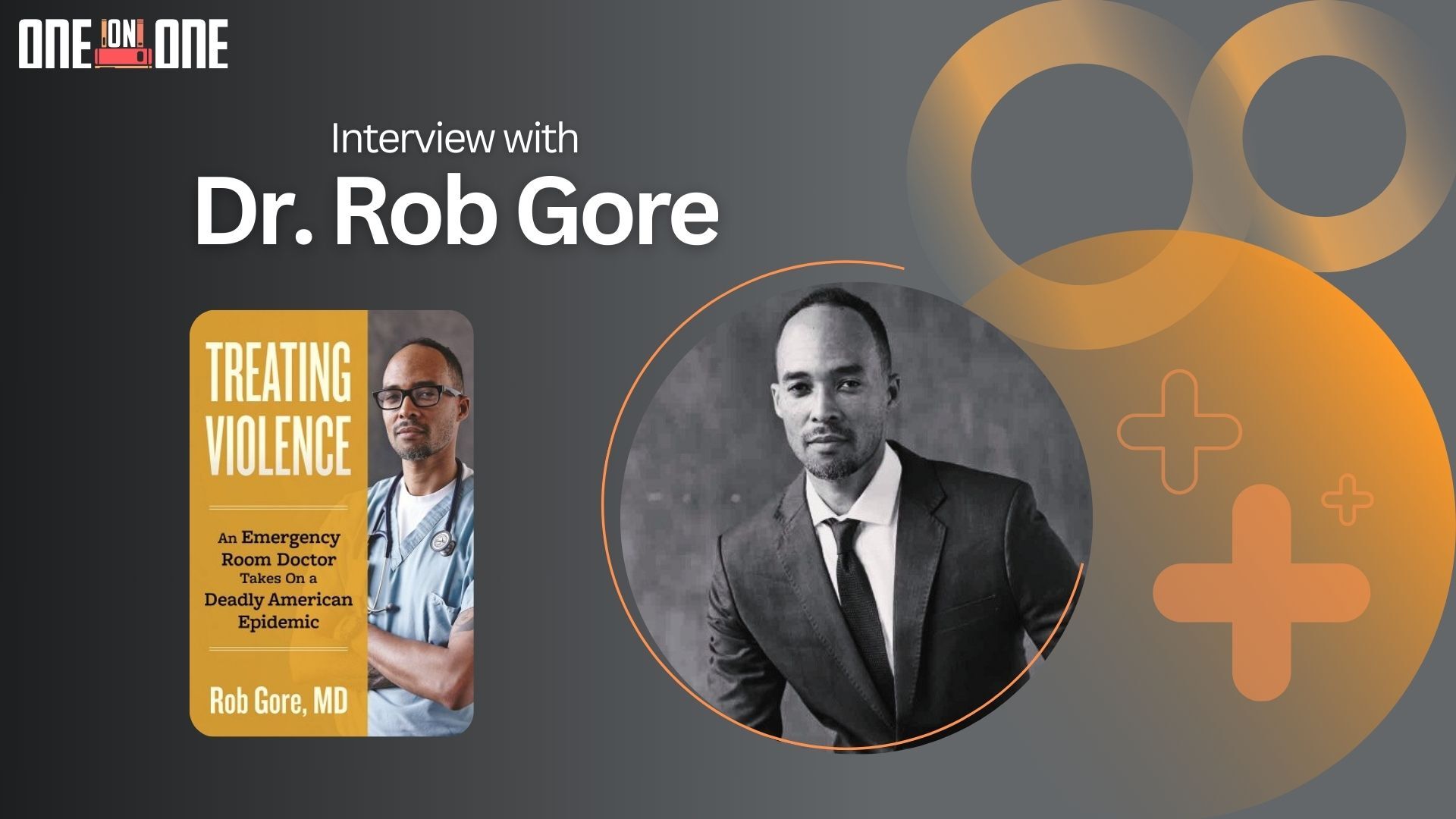
Emergency room physicians on the front lines of this crisis witness firsthand the devastating consequences of lax gun regulations. Dr. Rob Gore, a leading ER physician from Brooklyn and founder of the Kings Against Violence Initiative (KAVI), offers a unique perspective on this urgent issue. In this exclusive interview, Dr. Gore discusses the root causes of gun violence, the importance of evidence-based solutions, and the urgent need for stricter regulations to protect our communities.
TRIGGER WARNING: This article discusses experiences of GUN VIOLENCE, which may be triggering for some readers. Please exercise personal care when reading.
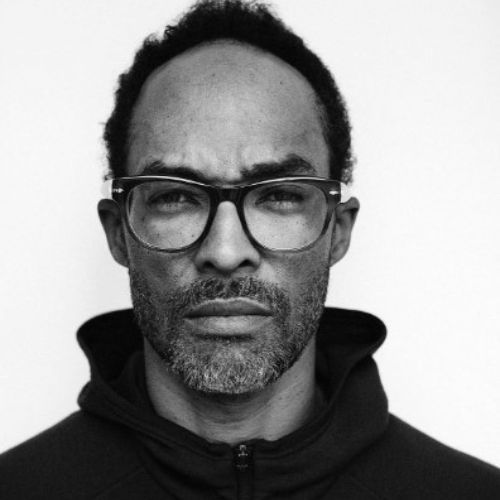
Dr. Rob Gore: Physician, Father, Community Leader
Dr. Rob Gore is a dynamic lecturer, speaker, activist, and emergency medicine physician based in Brooklyn, NY. For nearly 20 years, in both his personal life and professional career, Dr. Gore has explored and continues to develop programming and solutions focusing on community violence and other disparities affecting urban and global health.
Dr. Gore is a member of the 2016 inaugural class of TED Residents. In 2020, he was one of The Root’s 100 most influential African Americans. He is one of the top ten 2018 CNN Heroes, alongside other humanitarians from around the world. He is also a 2018 Presidential Leadership Scholar (a leadership program for people doing social impact work coordinated by the presidential libraries of past U.S. presidents Bill Clinton, George W. Bush, George H.W. Bush, and Lyndon B. Johnson).

Growing up in Brooklyn and returning to the neighborhood he grew up in to practice emergency medicine has given Dr. Gore a unique perspective on health and wellness. His story embodies the true definition of coming “full circle.” His engaging speaking style and comprehensive insight have made him a highly sought-after speaker and educator who has trained countless physicians, health professionals, activists, and students from around the world.
Dr. Gore is an attending physician and clinical assistant professor at Kings County Hospital—SUNY Downstate Department of Emergency Medicine in Brooklyn, NY. After finishing his undergraduate studies at Morehouse College in Atlanta, GA, he attended the State University of New York at Buffalo for medical school. He then completed his emergency medicine residency training at Cook County Hospital in Chicago, where he was chief resident.
For four years, Dr. Gore was the assistant program director for the Kings County-SUNY Downstate Emergency Medicine Residency Program (the largest Emergency Medicine training program in the U.S.). He is the founder of the KAVI (Kings Against Violence Initiative), a hospital, school, and community-based youth violence intervention, prevention, and empowerment program, which targets teens affected by violence. Dr. Gore is also the founder and director of the Minority Medical Student Emergency Medicine (MMSEM) Summer Fellowship, a mentoring and enrichment program for under-represented minorities interested in Emergency Medicine, focusing on project development.
Dr. Gore has lectured around the U.S., the Caribbean, Canada, Australia, South America, and Asia and has worked in East Africa, Haiti, and South America. Since 2008, he has been a consultant for Clinique Espérance et Vie in Terrier Rouge (Northern Haiti). He has been involved in efforts to establish a regional healthcare system in Northern Haiti. He is on the advisory board for EMEDEX International, a non-profit organization dedicated to promoting and advancing emergency medicine, disaster management, and public health globally.
When he’s not working, he spends time with his wife Hibist and son Araya. He is an avid snowboarder and holds purple belts in Brazilian Jiu-Jitsu and yellow belts in Judo.
Thank you, Dr. Gore, for taking the time from your busy schedule to discuss this most important topic. Let’s get started.
What drew you to the field of emergency medicine, and how did you see the connection between your personal experiences and this specialty?
Emergency medicine was where the misfits went when I was in medical school. It was for the people who didn’t fit into the other specialties. For myself, I liked all of the specialties, but I couldn’t decide on one. EM was a way of linking everything in medicine. I have a short attention span and am okay with getting interrupted.
You’re an incredibly busy person, balancing the demands of being a doctor, father, community leader, and now author. How do you manage to juggle all these roles while staying focused on your goals of addressing violence and creating a safer community?
Daily meditation, healthy eating, and—the one area I struggle with—getting enough sleep, but two out of three aren’t bad for now. I work on things I’m passionate about and have a connection to. Writing was a way to process feelings and emotions and to gain some kind of understanding of what I saw in the community and in medicine.
How do social factors like poverty, inequality, and discrimination contribute to violence? What are some effective strategies for addressing these underlying issues?
People have an inherent will to survive. When they lack the things essential for them to thrive, it becomes easy to become dysregulated. How you engage and treat yourself becomes less optimal the less present you can be because of outside stressors. Violence is a manifestation of being overwhelmed by stressors—personally and environmentally.
Augment support systems. Understand emotions. Have respite. Process your emotions and trauma with credible messengers and trained professionals.
Earlier this year, the US Surgeon General declared gun violence as a public health crisis. Given the propensity of our governing body to shy away from heavier restrictions in legislation regarding firearms, do you think Dr. Vivek Murthy’s announcement will affect Congress to move forward with progressive bills? What do you believe is the best course of action to address the issue of gun violence in a way that is both effective and respectful of Second Amendment rights?
Dr. Vivek Murthy’s declaration of gun violence as a public health crisis is a significant step because it elevates the issue [in]to a national spotlight. If it’s a declared public health issue, that means the government will allot funds to address this issue. It’s also important that he declared it a public health crisis because it can be looked at through the lens of health and well-being rather than solely through the lens of criminal justice or constitutional rights. This framing can help depoliticize the issue to some extent and focus on the collective impact of gun violence on communities.
Unfortunately, the passing of any bill has a lot to do with how powerful the related lobbying groups that are tied to the issue are. The NRA is probably the most powerful lobbying group on Capitol Hill. Regardless of their power, one cannot argue against ensuring that our citizens are kept safe. For starters, it would be a great step if Congress could pass legislation focusing on enhanced and universal background checks for all firearms, mandatory training for firearm users and purchasers, and requiring universal safe storage for all firearms.
As someone who personally believes and understands that enhancing support systems for our community members is protective and lifesaving, passing federal legislation would hopefully enhance community-based violence intervention groups and mental health resources as additional effective tools to support and diminish the impact of violence within vulnerable groups.
What role can healthcare providers play in preventing and intervening in cases of violence? How can they be better equipped to address the needs of patients affected by violence?
Healthcare providers need to be astute at recognizing the patterns of injuries and the patterns of behavior that our patients present with. We can play a very critical role in preventing and intervening in cases of violence with this recognition. Our position allows us to interact with individuals of variable backgrounds. How people communicate what’s wrong with them is also variable. Due to the complexity of trauma, there are signs that may not be immediately apparent. Healthcare providers should receive training to recognize both physical and psychosocial signs of trauma. While physical wounds are often visible, psychosocial trauma may manifest as sleep disturbances, anxiety, depression, or strange or abnormal behavior.
Training should also include strategies to approach patients sensitively and effectively to discuss their experiences without causing further distress. Also, screening for violence during routine health checks can help identify survivors of violence early, which can help prompt the mobilization of resources that can be lifesaving. Healthcare providers and facilities should also have an established referral pathway to get these resources to patients in a timely manner. Last but not least, healthcare institutions that sometimes do incredible work will have an even greater impact by helping our patients have access to community resources outside of the facility to provide an even greater level of support closer to home.
How can communities play a more active role in preventing and addressing violence? What are some effective strategies for fostering community engagement?
For a long time, we have sought to find “safe spaces” in our communities to keep people free from harm. It would be much more effective if we could transform “safe spaces” into “brave spaces.” This shifts the focus from solely providing a protective environment to creating a space where individuals are encouraged to engage in open, honest, and sometimes challenging conversations. The aim is to foster growth, resilience, and a deeper understanding among participants. In a “brave space,” the emphasis is on fostering an atmosphere where individuals feel supported enough to express their vulnerabilities, share their experiences, and confront complex issues without fear of judgment.
What are your hopes for the future of violence prevention and intervention? Are there any emerging trends or innovations that you believe hold promise?
Ideally, I hope that violence intervention programs can become obsolete, which would be a sure indicator that we have solved our problem of eradicating community and interpersonal violence. I hope that the work becomes so effective that groups tasked with programming will transition from intervention to facilitating mediation between parties that need it. Conflict is inevitable, but violent conflict doesn’t have to exist.
A lot of conflict arises from our inability to engage with one another because of dysregulated nervous systems and partially because we have not processed a lot of our pre-existing trauma. Without periods of time allowing for processing our trauma and adequate respite, trauma can proliferate; hence, interpersonal conflict can also proliferate. Some conflict arises because people seek to gain access to dominance to ensure control.
Other conflicts arise because people are fighting to be seen and to ensure their survival is maintained. Our climate justice colleagues understand the importance of creating sustainable communities around the world and ensuring that our most vulnerable members and environments are cared for and can continue to exist equitably. If the overconsumption of natural resources is exploited by the hands of a few in power, without regard to how it impacts our environment, resource shortages and environmental degradation will continue, leaving those most vulnerable members with limited ways of thriving and caring for themselves.
Groups dedicated to eradicating violent conflict must consider how it’s crucial to address systemic inequalities that exacerbate conflicts and deplete resources. Environmental and social injustices are deeply interconnected, and a comprehensive approach is necessary to foster peace and sustainability. By focusing on empowerment and resilience, these groups can help communities develop the tools to manage conflicts effectively, ensuring that everyone has the opportunity to contribute to and benefit from a balanced ecosystem. This holistic perspective is essential in cultivating environments where both people and nature can thrive, underscoring the need for inclusive strategies that address the root causes of violence and environmental abuse.
What motivated you to establish the Kings Against Violence Initiative (KAVI)? How did you envision the program would address the root causes of violence?
I created KAVI as a way to provide support for people who had been affected by violence. There was this unfortunate motif of people who were injured violently returning back to the hospital with repeated violent injuries. I got tired of some of my fellow emergency medicine and trauma surgery colleagues being excited that they were getting new trauma patients, which gave them an opportunity to practice lifesaving procedures on. Most of the people who were patients were young Black or Latinx men who looked like me, my family members, or my neighbors. I wanted to do something that would prevent the patients from coming in with repeat injuries and also do something to prevent people from even having to become patients to begin with, hence the birth of what eventually morphed into our KAVI violence intervention and prevention program.
Can you share some specific success stories or outcomes from KAVI’s work? How has the program evolved since its establishment?
There are quite a few success stories of patients who had experienced trauma finally developing a support system and community with our KAVI team. I’m even more proud of the young people we have worked with who found fellowship with the team from early on, have matriculated through our school programs, and are now working with KAVI, providing support to other young people. The success lies in giving support where it didn’t exist before. The success is that there are now hundreds of clients who have been developing the vocabulary to express their emotions, getting plugged into and having safe havens, healing from their trauma, and learning new ways of engaging with their communities.
One of my favorite stories is the story of Zane, a young high schooler who happened to be in a gang and found support within our community. By the time he was 15 years old, Zane grew through the ranks of his gang and became capable of ordering “hits” on others. He did order a hit on someone we knew. Because of the growing bond he had with our KAVI team, he found a supportive community ready to help him tackle his unresolved trauma. Embracing the opportunity, Zane demonstrated remarkable bravery by choosing to be vulnerable and open [up] about his struggles. The support continued. His role as a peer leader grew, and he eventually moved away from gang activities. Zane’s journey is a testament to how targeted intervention, the courage to be vulnerable, and regular support can transform even the most challenging life circumstances.
Over the years, the Kings Against Violence Initiative (KAVI) has evolved significantly, expanding its scope and deepening its impact in addressing community and youth violence. Initially starting as a volunteer-driven, school-based initiative, KAVI has grown into a comprehensive violence intervention and prevention program operating across hospitals, schools, and community settings. This expansion is supported by a team of paid staff who are dedicated to the cause and can earn a living while doing this vital work.
KAVI has notably enhanced its community support, especially for vulnerable groups, including members of the LGBTQIA+ community, ensuring that all individuals feel safe and supported. The program has also broadened its educational initiatives, establishing partnerships with local and national colleges and universities to create pipeline programs that foster educational and career opportunities for youths. Additionally, KAVI has augmented its counseling services to offer more robust mental health support.
A key development in the program is the strengthening of its peer-led components. KAVI has enhanced the training for peer educators, equipping them with the skills needed to effectively facilitate workshops and lead community outreach efforts. This peer program not only empowers participants but also strengthens the overall workforce development, creating a sustainable model for community transformation. Through these efforts, KAVI continues to make a profound difference, demonstrating a scalable and replicable model for violence prevention and intervention.
As Dr. Gore’s inspiring journey demonstrates, the fight against gun violence is a complex issue that requires a multifaceted approach. By addressing the underlying social and economic factors that contribute to violence, investing in community-based interventions, and advocating for stricter gun control measures, we can work towards a future where every life is valued and protected.
Dr. Gore’s commitment to healing individuals and transforming communities is a beacon of hope in our nation’s ongoing struggle with gun violence. His work serves as a reminder that, by working together, we can create a safer and more equitable society for all.
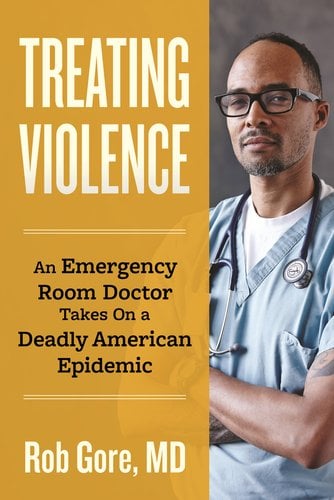
Read about Dr. Gore’s experiences further in his book Treating Violence: An Emergency Room Doctor Takes on a Deadly American Epidemic. To learn more about the Kings Against Violence Initiative, visit their website.
Want to read more? Try Healing From Gun Violence: Taking Back The Power With Poetry from Bookstr writer Kennedi Cutliff.
Find more literature on Gun Violence and how to prevent it on our Bookshop.org shelves.