

















These banned books have sparked heated discussions in classrooms, libraries, and communities across the country. From picture books to young adults novels that explore grief, love, and identity, these stories are often silenced for tackling themes deemed “inappropriate.” However, these themes are the ones that help readers, especially our young ones, connect and understand the world around them. By removing these books, we’re at risk of denying generations of students the chance to see themselves reflected accurately in literature, to build empathy, and to navigate the complex realities in our society.
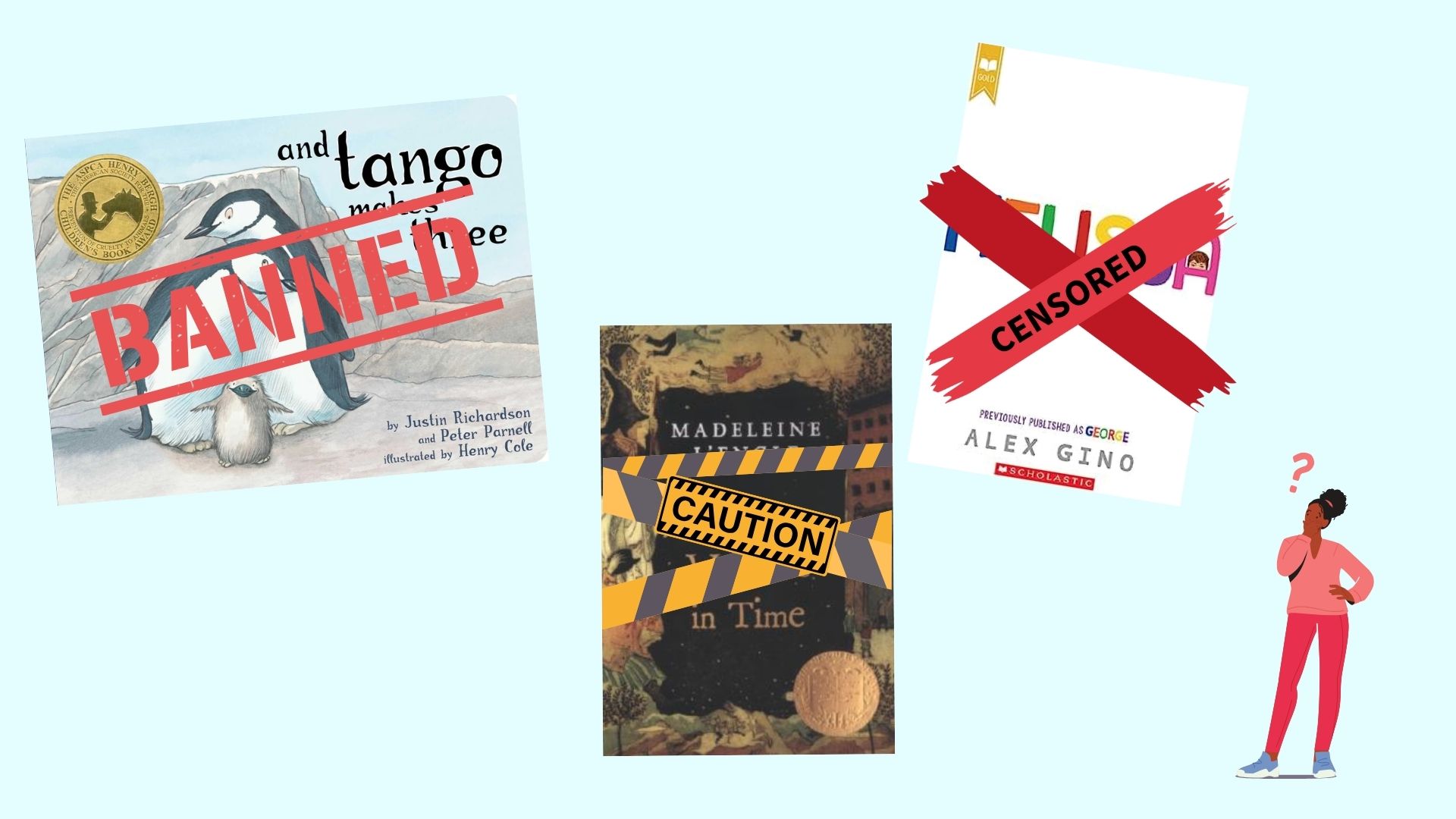
And Tango Makes Three by Justin Richardson and Peter Parnell
Based on a true story of Roy and Silo, two male penguins at the Central Park Zoo, create a family by raising a baby penguin named Tango. The book illustrates the importance of nontraditional family love, exploring themes of diversity, acceptance, and the nature of families. And Tango Makes Three has been banned eight times over the last few years for claims of it being “anti-family” and “unsuited for the age group.” Despite being accused of being “anti-family,” it’s still based on a true story of two real male penguins that created a family by nurturing an egg. Far from undermining family values, it offers a gentle, age-appropriate way to introduce to children that love and care are what truly make a family.
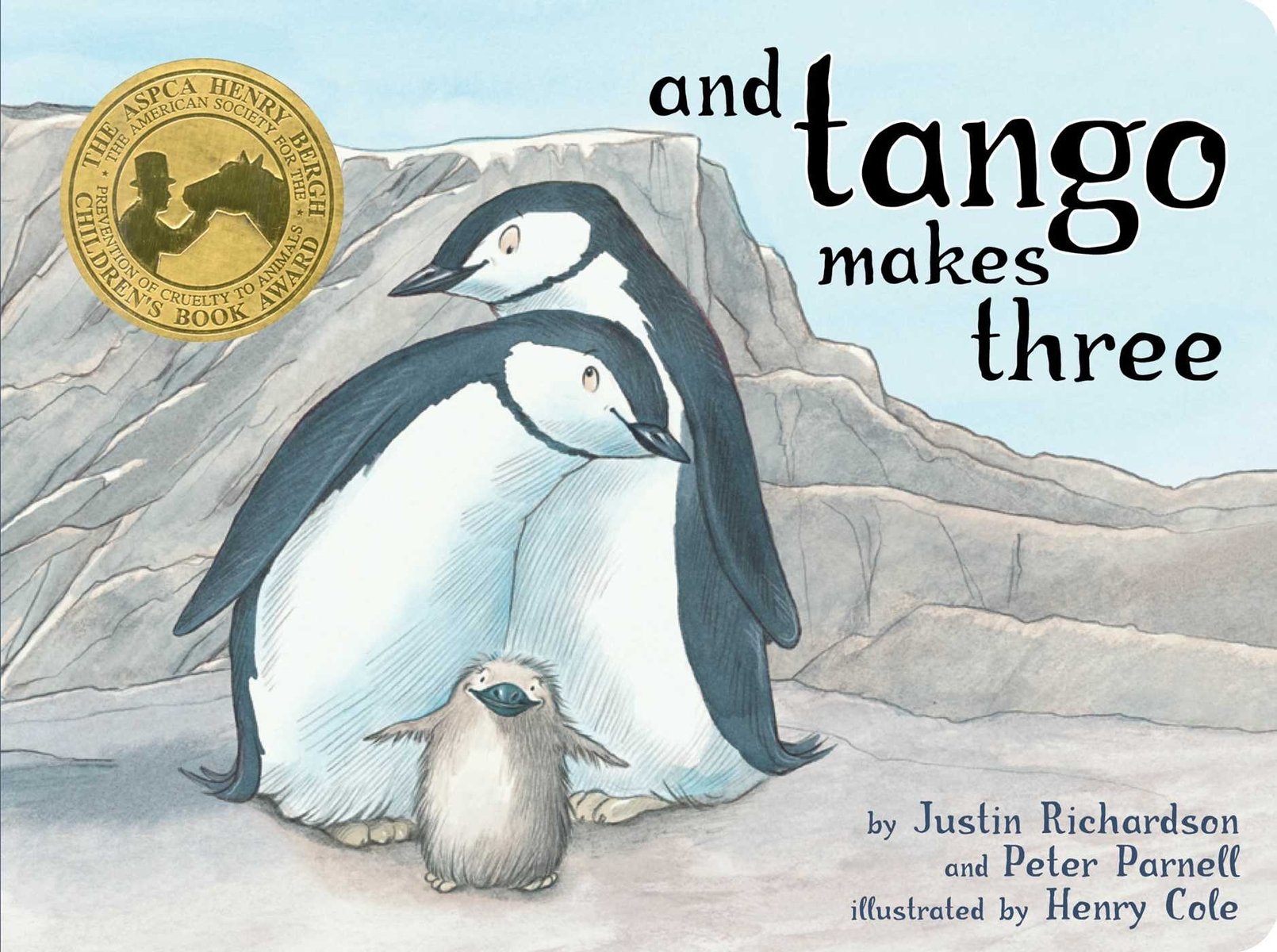
We Are the Ants by Shaun David Hutchinson
This young adult novel has been banned and challenged in school districts due to its inclusion of LGBTQIA+ characters and themes. Beyond that, the book also handles themes such as grief and identity as Henry Denton receives an ultimatum from aliens: push a button in 144 days to save Earth, or let it be annihilated. Despite his own battle with grief, trauma, and a complicated family, he has to see past his own pain to the potential worth of humanity. He must do this all while navigating abusive relationships, new love interests, and his own struggle for identity. It provides an honest portrayal of these experiences, offering young readers a chance to see themselves accurately reflected on the page and to gain a deeper understanding of the complexities of growing up.
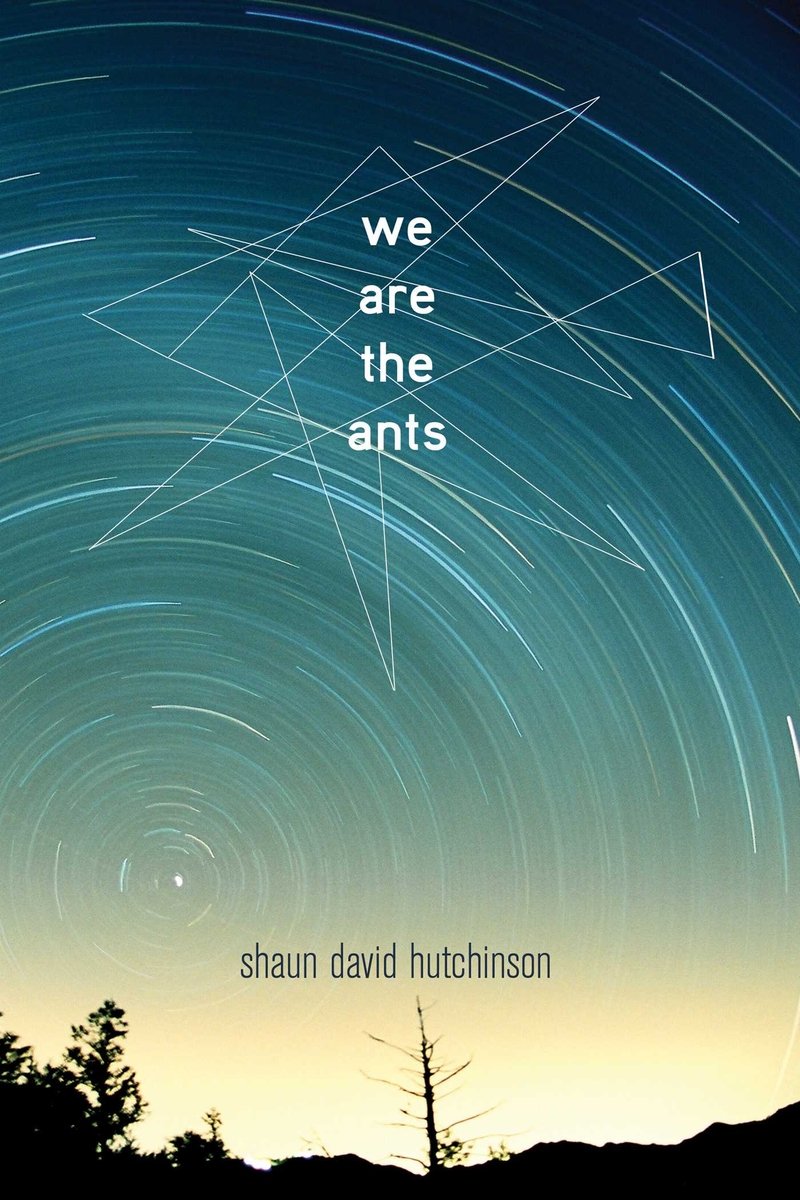
Extremely Loud & Incredibly Close by Jonathan Safran Foer
Nine-year-old Oskar Schell is searching for the lock that a mysterious key belongs to, which he found in his father’s belongings after his death in the tragic 9/11 attacks. The search leads him to learn how to process and experience the traumatic loss of his father and highlights the struggle to communicate after trauma and how to express it. Oskar and his story have frequently been challenged and banned for their depictions of violence and profanity. His journey is rooted in the aftermath of 9/11, an event that continues to affect younger generations who are still grappling with its legacy. Yet banning books strips both children and adults of the chance to connect with meaningful stories, reflect on the difficult realities that surround us, and relate to experiences that have shaped us and those around us.
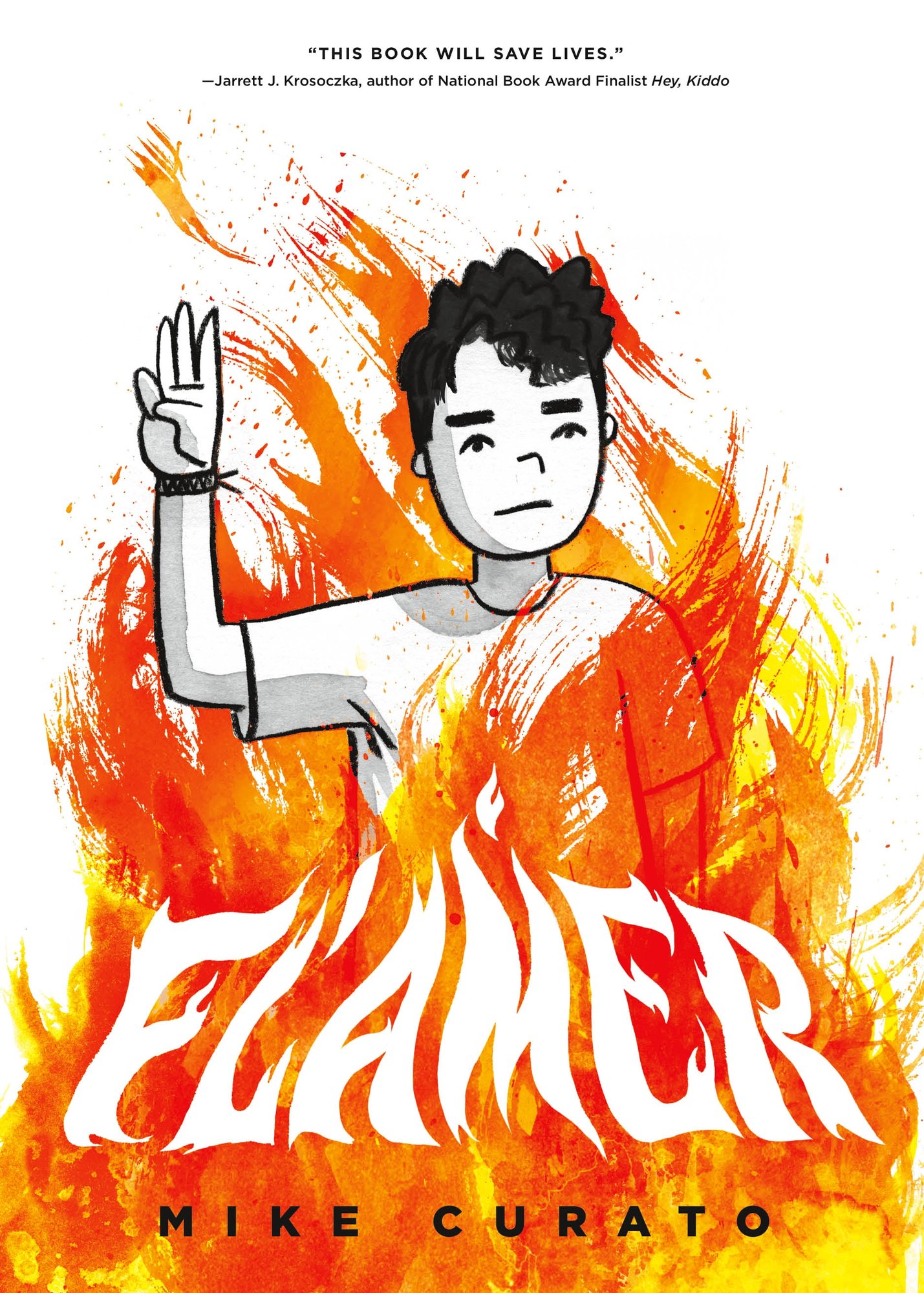
Flamer by Mike Curato
This graphic novel follows Aiden, a teenage boy at his last summer camp before starting high school. The story is semi-autobiographical as many elements were pulled from the author’s own true story. It explores the challenges of being a closeted gay person in 1995, self-acceptance, and bullying from peers and religious teachings. Flamer has been banned for a few reasons, including LGBTQIA+ content with the main character. Banning books that give relatable experiences and perspectives only hinders those who could benefit from them. By providing access to these relatable perspectives, the reader’s literacy is enhanced as they are able to categorize their reading into something they’re experiencing in real life.
The Handmaid’s Tale by Margaret Atwood
Set in the Republic of Gilead, a totalitarian theocracy, replaces the United States after environmental disasters led to falling birth rates. Fertile woman, Offred, is forced to become a “Handmaid” — a state-sanctioned surrogate — for an elite couple. The story details her daily oppressive life, memories of her husband and daughter, and her struggle for self-expression and survival within this brutal regime. The Handmaid’s Tale has been banned and challenged due to concerns of “anti-Christian” or morally corrupt themes. The novel portrays a theocratic society that uses religion as a means of controlling people, which leads to concerns from those who see it as “anti-Christian.” It also explores women’s rights and rebellion, and those themes are seen by some as too politically charged or as a negative perspective on religion and today’s current events.

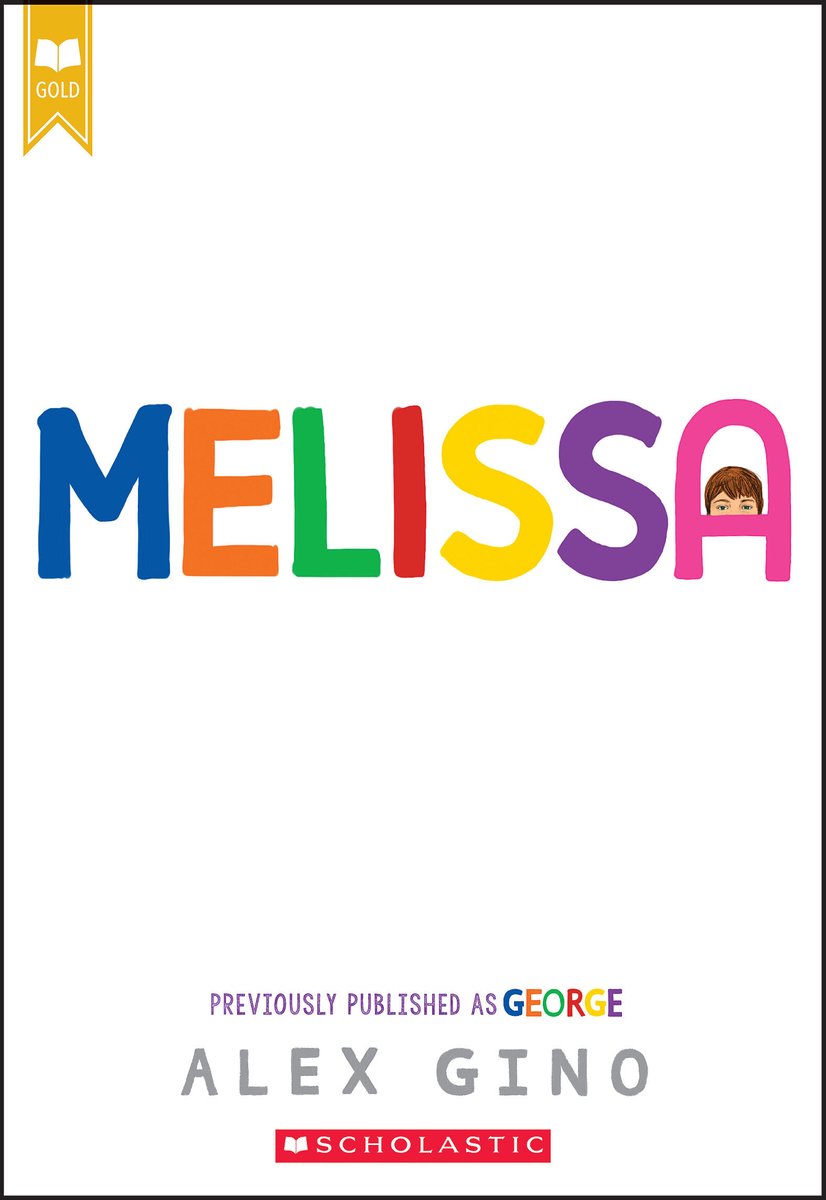
Melissa (previously titled George) by Alex Gino
The book was number five on ALA’s top ten challenged books for 2017, due to the book’s young protagonist, who is transgender. Fourth grader George knows that she’s a girl and that her actual name is Melissa, but decides to keep it a secret. When her school puts on a production of Charlotte’s Web, she takes the opportunity to show who she really is. Melissa’s story has been labeled as “inappropriate for children,” however, its gentle and age-appropriate storytelling gives young readers the message about acceptance, authenticity, and empathy. Melissa’s journey helps children understand that everyone deserves to be seen for who they are.
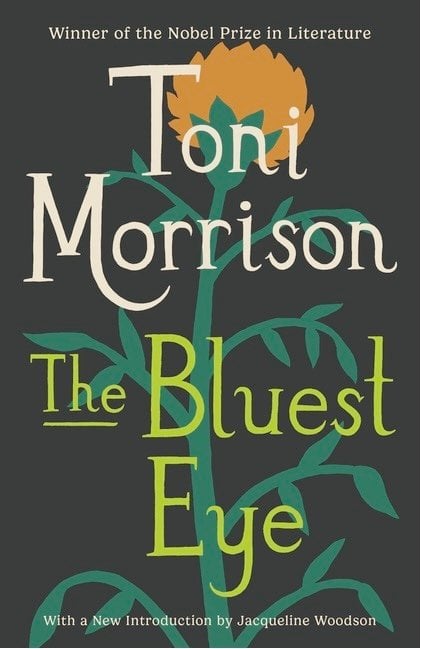
The Bluest Eye by Toni Morrison
A frequent flyer on the list of banned books for its depictions of racism, trauma, and sexual violence, this story follows Pecola, a young Black girl growing up in Ohio during the 1940s. Pecola thinks that having blue eyes makes her beautiful and loved in the world shaped by racism, poverty, and high standards of beauty. The novel explores the cycles of abuse, generational trauma, and internalized racism that devastate Pecola’s life and the community. Far from being “harmful,” the book shows readers how to confront uncomfortable truths while being empathetic and having a critical reflection on issues that still shape society today.
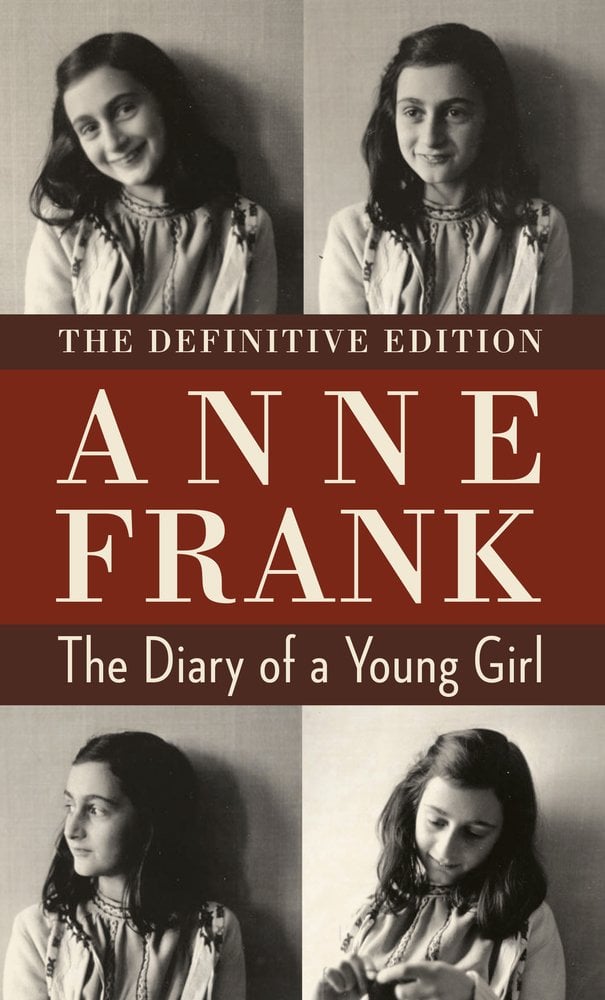
The Diary of a Young Girl by Anne Frank
The chronicle telling of Anne Frank, a Jewish teenage girl living in hiding during the Nazi regime in World War II, has faced bans due to its inclusion of sexual themes and discussions of puberty. Passages have been cited calling for bans due to the descriptions of Anne’s changing body and emerging sexuality. The book has also been the topic of discussion surrounding the controversy of graphic novel adaptations and has been politically motivated and removed in some school districts.
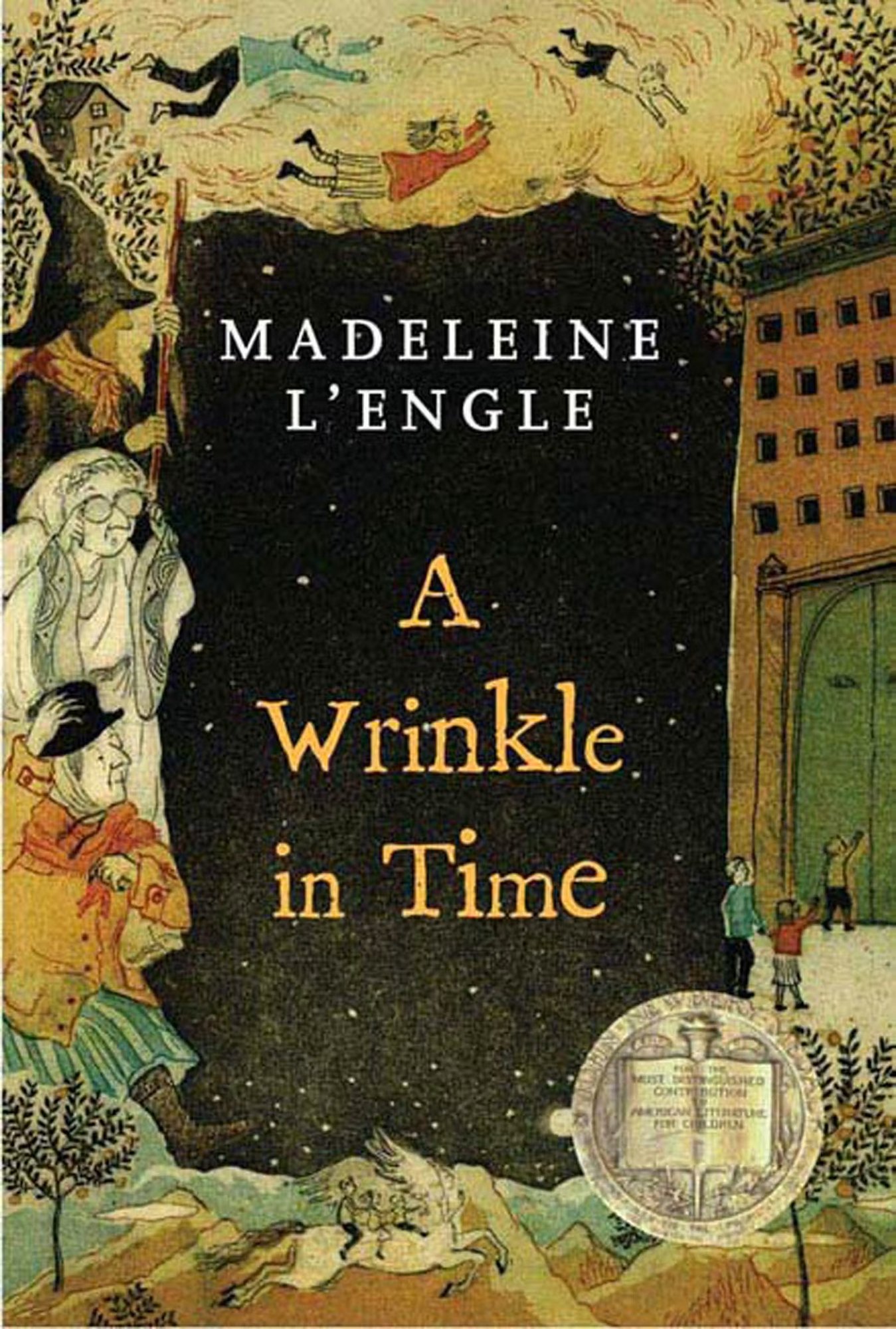
A Wrinkle in Time by Madeleine L’engle
Thirteen-year-old Meg is on a journey to save her father with her brother and friend as they travel through space and time. Though it’s a popular favorite and has won many awards, it faces bans due to the book’s blend of religion, the supernatural, and science. It’s been criticized for being both too religious and not religious enough. It expresses that religion, magic, and science are often the same thing from the point of view of different expressions. It also makes Bilibal references, and is claimed to promote a general perspective of unity within Christian churches. Either way, in order for Meg to save her father she ultimately uses the power of her love to defeat the evil force holding him captive.
Banned books challenge us to think, question, and, most importantly, grow. They’re meant to be uncomfortable for some, but act as a mirror to others. These stories remind us that literature’s power lies in its ability to create meaningful conversations and inspire change. Protecting access to these works means protecting the freedom to learn, to imagine, and to understand. These are rights that no generation should be denied.
Interested in learning more about banned books? Check out these five beautiful and powerful LGBTQIA+ banned books.
Check out our Banned Books bookshelf on Bookshop for more recommendations on banned books.
