












From the tragic Romeo and Juliet to the epic Henry IV, William Shakespeare’s plays are studied time and again. No matter which of his genres you prefer reading, there’s one archetype that pops up in almost every script: the clown. The clown, or the fool, is more than just a wild comic relief character. A closer study of these humorous icons can actually reveal hidden messages related to each play’s central theme.
Join us as we review six of Shakespeare’s famous clown characters and explore the underlying symbolism in their respective scenes.
Trigger Warning: This article contains brief references to suicide and murder. Please exercise personal care while reading.
Dogberry From Much Ado About Nothing
“Adieu, be vigitant, I beseech you.”
— William Shakespeare, Much Ado About Nothing, Act III Scene iii
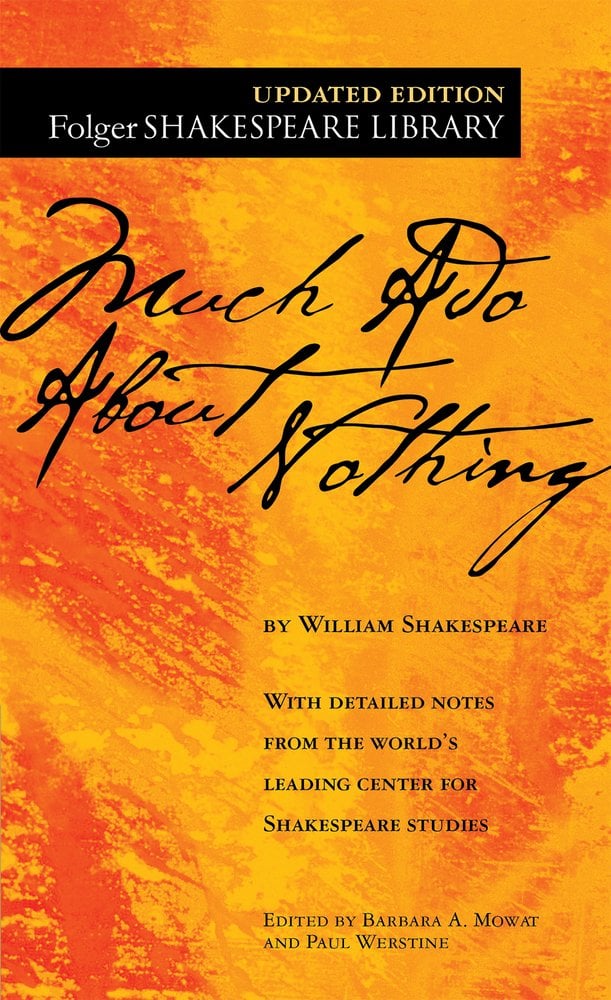
Dogberry from Much Ado About Nothing is, according to the Prince, “too cunning to be understood.” This humorous constable is unfortunately prone to malapropism, or accidentally using a wrong, similar-sounding word in place of the correct one. For example, in the line quoted above, Dogberry says “be vigitant” instead of “be vigilant.”
This idiosyncrasy is more than just a comic device; it also hints at the overall message of the play, miscommunication. Hero is slandered at her wedding due to a manufactured misunderstanding that leaves her betrothed, Claudio, believing her unfaithful. Meanwhile, Beatrice and Benedick begin to fall in love with each other, thanks to a hilarious setup that leaves them misinterpreting every loathsome action the other takes as a sign of unwavering affection. Dogberry’s humorous and confusing interjections illuminate all of this chaos, helping us to laugh at the madness.
The Gravediggers From Hamlet
“It must be se offendendo; it cannot be
else. For here lies the point: if I drown myself
wittingly, it argues an act, and an act hath three
branches — it is to act, to do, to perform. Argal, she
drowned herself wittingly.”
— William Shakespeare, Hamlet, Act V Scene i
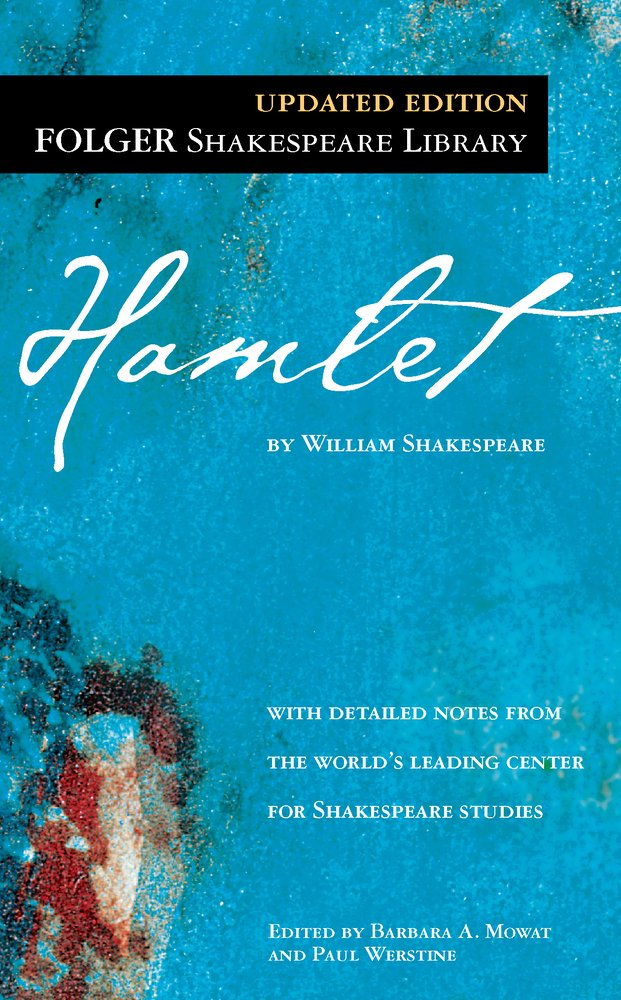
Not your typical fools, the gravediggers in Hamlet nevertheless provide some unexpected comedy and poignant commentary towards the tail end of this tragic play. When preparing a grave for Ophelia, the gravediggers debate whether or not she should be given a Christian burial, considering that she died by suicide. Through humorous jabs, the two eventually posit that her wealth has saved her from facing the harsher consequences that most Christians would have.
When Hamlet later appears, the First Gravedigger continues this wily debate with him. The two joke about death, calling back to Hamlet’s most famous “to be or not to be” speech. Death is an overarching theme of this play, especially the culpability surrounding it. This makes the gravedigger scene an intriguing addition to this otherwise dismal play.
Feste From Twelfth Night
“Wit, an ’t be thy will, put me into good
fooling! Those wits that think they have thee do very
oft prove fools, and I that am sure I lack thee may
pass for a wise man. For what says Quinapalus?
‘Better a witty Fool than a foolish wit.’”
— William Shakespeare, Twelfth Night, Act I Scene v
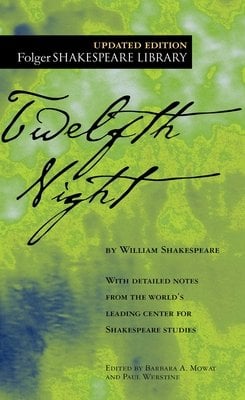
Duality is a recurring theme in Twelfth Night. From the twin characters to Viola’s male alter-ego, opposition appears again and again. As Feste points out in his first aside to the audience, wisdom and foolishness are the yin and yang of consciousness. And as the hairbrained plot unfolds, we see every character eventually cross from one end of the spectrum to the other. The drunken Sir Toby masterminds a devious plot to punish Malvolio, and the severe, uncompromising Olivia melts into romantic idiocy as she falls in love with Cesario.
This line of Feste’s also sets up some foreshadowing. As the witty fool, Feste proves to be smarter and more capable than Malvolio, who may masquerade as intellectually superior, but ultimately possesses a foolish wit. This ineptitude is what leads Malvolio to succumb to the trickery concocted by Feste and the other rogues of the play, Sir Toby and Sir Andrew.
The Murderers From Richard III
“I’ll not meddle with it. It makes a
man a coward: a man cannot steal but it accuseth
him; a man cannot swear but it checks him; a man
cannot lie with his neighbor’s wife but it detects
him. ’Tis a blushing, shamefaced spirit that mutinies
in a man’s bosom. It fills a man full of obstacles.”
— William Shakespeare, Richard III, Act I Scene iv
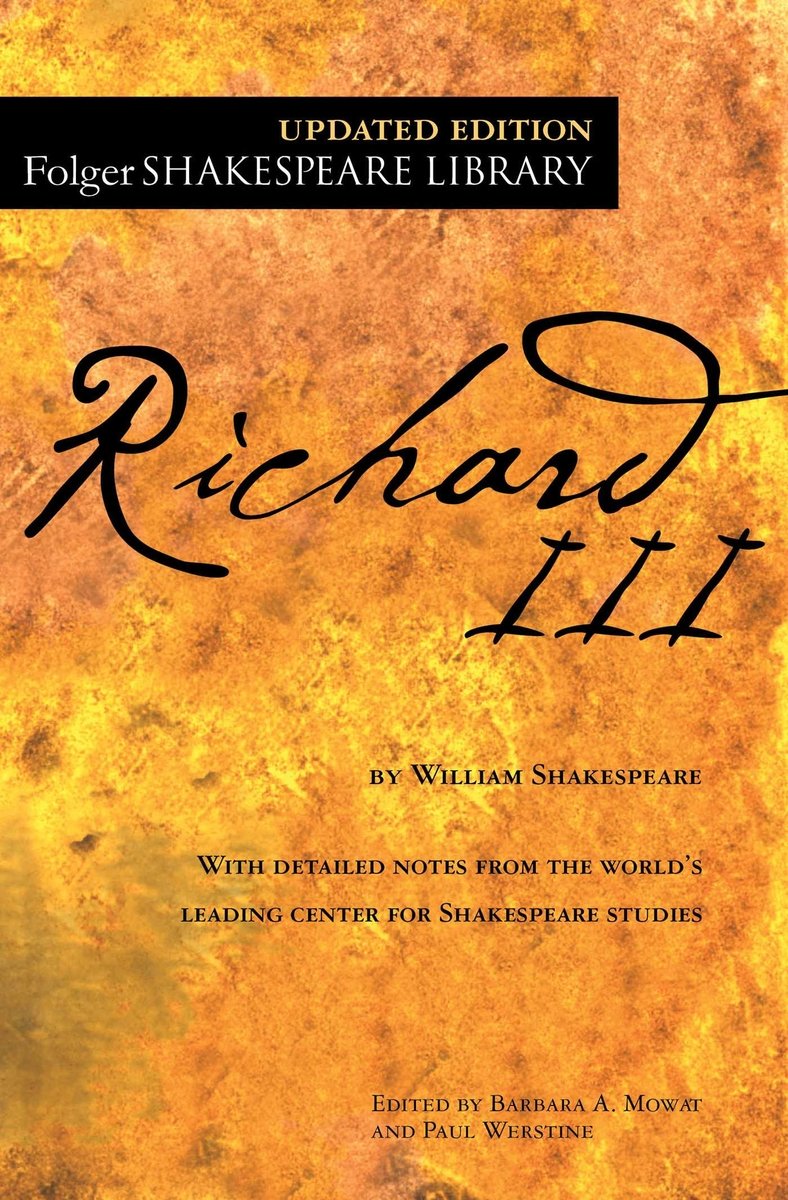
Similar to Hamlet, the clowns in Richard III are not what you’d expect. The murderers who dispatch Clarence in the first act have a humorous discussion about cowardice and conscience before they do the deed. In the lines quoted above, the Second Murderer remarks how inconvenient a conscience is, coyly lamenting about the “obstacle” of morality.
This idea of morality and the consequence of sin is explored multiple times throughout Richard III, namely through its titular villain. As Richard’s schemes to take the crown lead him further and further away from humanity, his conscience torments him more severely. In the final act, Richard is haunted by the ghosts of all the people he killed in his quest for power. When he wakes in agony, he cries out, “O coward conscience, how dost thou afflict me!” Thus, paying off the theme of a cowardly conscience carefully planted by the murderers at the start of the play.
Bottom From A Midsummer Night’s Dream
“And yet, to say the truth, reason
and love keep little company together nowadays.”
— William Shakespeare, A Midsummer Night’s Dream, Act III Scene i
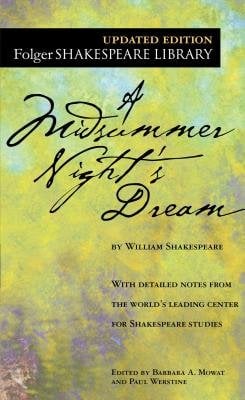
A Midsummer Night’s Dream is bursting with fools, from the impish Puck all the way to the tactless tradesmen. A part of the latter, Bottom spends a good deal of the story in cahoots with his fellow men, working tirelessly to produce a tragical play for the Duke’s wedding. In rehearsals (and later, their performance), they hilariously insist upon constantly breaking the fourth wall to inform the audience that nothing happening onstage is real. This, along with Bottom’s famous transformation into a donkey — er, ass — plays into the underlying theme of appearance and reality.
As Bottom so artfully points out in the above line, love and reason are far from one another. And, thanks to the magical influence of the fairies, none of the lovers in the play acts like their true selves. Over the course of one night, reality is thrown clear out the window, and the maddening power of love (drug-induced or no) sends every character spiraling into utter chaos.
The Porter From Macbeth
“But this place is too cold for hell. I’ll devil-porter it no further.
I had thought to have let in some of all professions that go
the primrose way to th’ everlasting bonfire.”
— William Shakespeare, Macbeth, Act II Scene iii
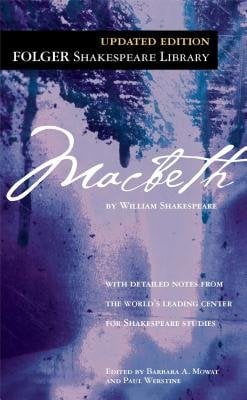
Though his appearance is brief, the Porter from Macbeth still manages to capture the encompassing theme of guilt and damnation. His only scene comes immediately after Macbeth murders Duncan to usurp his place. The drunken Porter, bothered by the incessant knocking outside, speculates on the ceaseless demands of the gatekeeper to hell. Playacting as this gatekeeper, the Porter comes up with various scenarios of sinners who justified their cruelty and selfishness in life, only to be punished later by the devil.
This foreshadows the fates of Lord and Lady Macbeth, who, after killing Duncan, are immediately wracked with guilt that eventually drives them mad. Lady Macbeth, in particular, is haunted by the blood on her hands to the point that she soon believes that Duncan’s blood is literally there and will not go away, no matter how hard she washes or claws at her skin. In his one scene, the Porter reminds the audience that no sin goes unpunished, regardless of whether it may have helped you in the beginning.
With such delicate nuance, it’s no wonder that Shakespeare’s plays are still studied to this day. Next time you pick up one of his scripts, keep an eye out for the clowns. You never know what lessons are hiding between their jokes.
For another deep dive into Shakespeare’s characters, click here.
Find Shakespeare’s plays and more on our Classics bookshelf on Bookshop.