




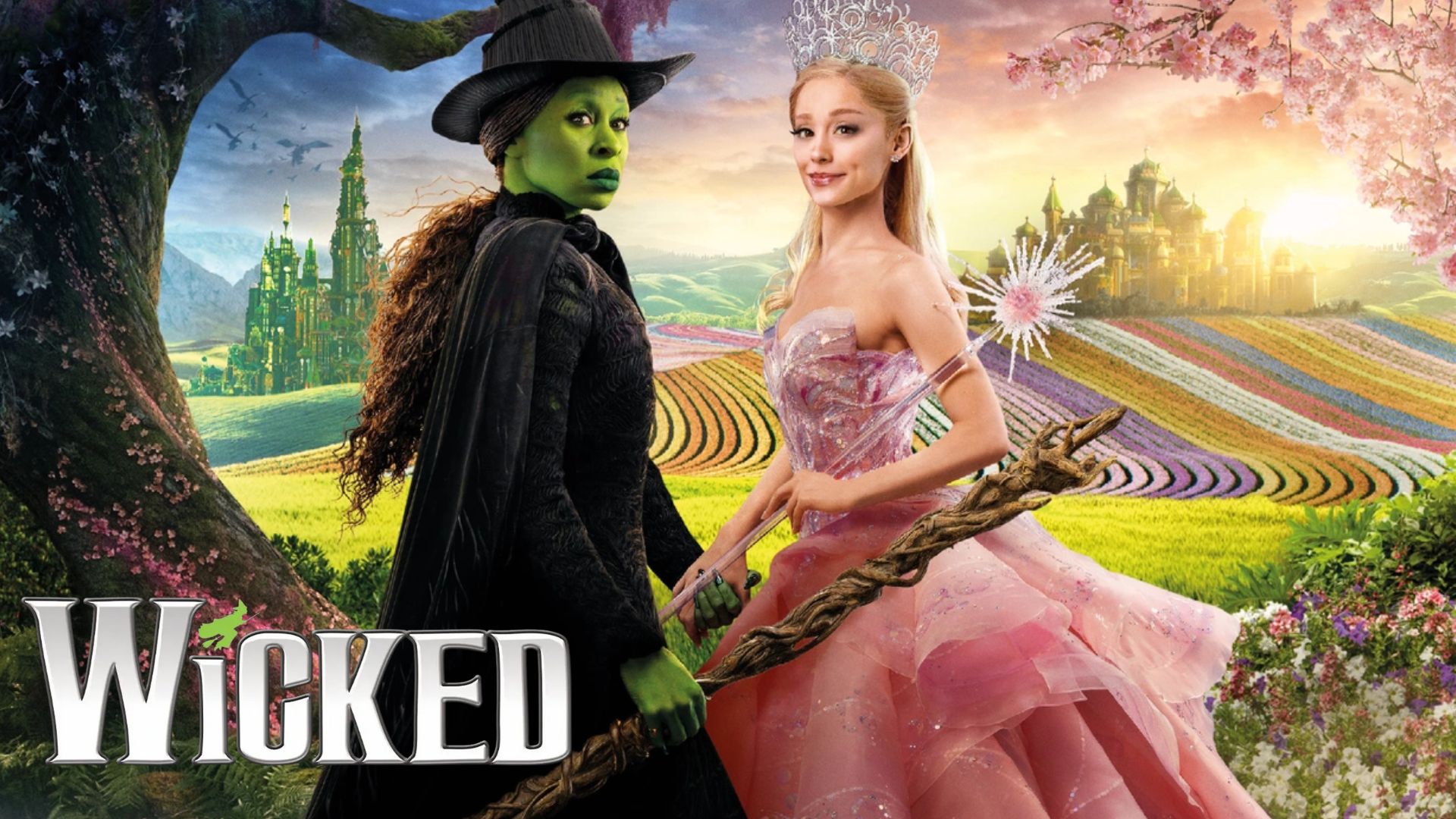
The Wizard of Oz has long been a classic for both kids and adults — a magical, coming-of-age tale that generations have grown up with. But not everything about this story is as it seems. From the dark scandals behind the 1939 film to the controversies surrounding Gregory Maguire’s novel Wicked: The Life and Times of the Wicked Witch of the West, there’s a whole other side to this beloved adventure and its colorful cast of characters.
The Wonderful Wizard of Oz?
“We’re off to see the Wizard, the wonderful Wizard of Oz!” — or so the story goes. Since its release, the original 1939 film has been considered a monumental classic, praised for its groundbreaking use of Technicolor, its iconic original score, and its deep thematic storytelling. It shaped cinematic history and offered audiences a new perspective on life and fantasy. But behind the scenes, this magical adventure left scars — some of them tragic — for the cast who brought it to life.
Judy Garland, only 16 at the time, endured severe harassment and ridicule from executives, who pressured her about her appearance and physique. She was forced into a regimen of drugs and strict diets, leaving her battling insecurities and expectations that would haunt her for the rest of her life. Tragically, this mistreatment contributed to her untimely death at just 47 years old.
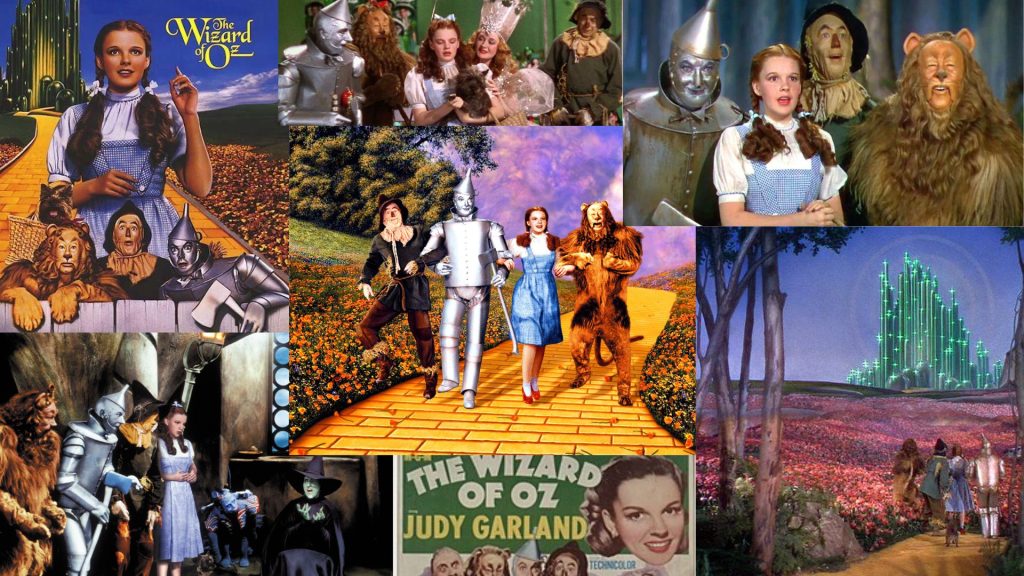
Other cast members also suffered on set. Toxic fumes and asbestos-laden props led to severe health issues for the actors portraying the Tin Man, Scarecrow, and Cowardly Lion. Margaret Hamilton, who portrayed the Wicked Witch, endured third-degree burns from a mismanaged pyrotechnic stunt, while her stunt double suffered an even graver injury, undergoing a life-altering hysterectomy after a separate incident.
While The Wizard of Oz dazzled audiences with its portrayal of adventure and excitement, for the actors, the journey was anything but wonderful. Behind the curtain, it was a tale of suffering and tragedy — far from the fantasy seen on screen.
Wicked’s Journey From Page to Stage
Do the misfortunes of The Wizard of Oz extend into its modern retellings, such as Gregory Maguire’s 1995 novel or the globally successful Wicked musical? While there is much to celebrate about these adaptations, they, too, face their share of challenges and controversies.
Since its debut in 2003, the Wicked musical has become a worldwide phenomenon, revolutionizing theatrical storytelling. Acclaimed for its artistry and emotional depth, it has earned numerous awards, critical praise, and billions of dollars in revenue — surpassing even iconic productions like The Lion King and The Phantom of the Opera. Its reimagining of the classic story has solidified its place as a monumental recreation of a beloved world.
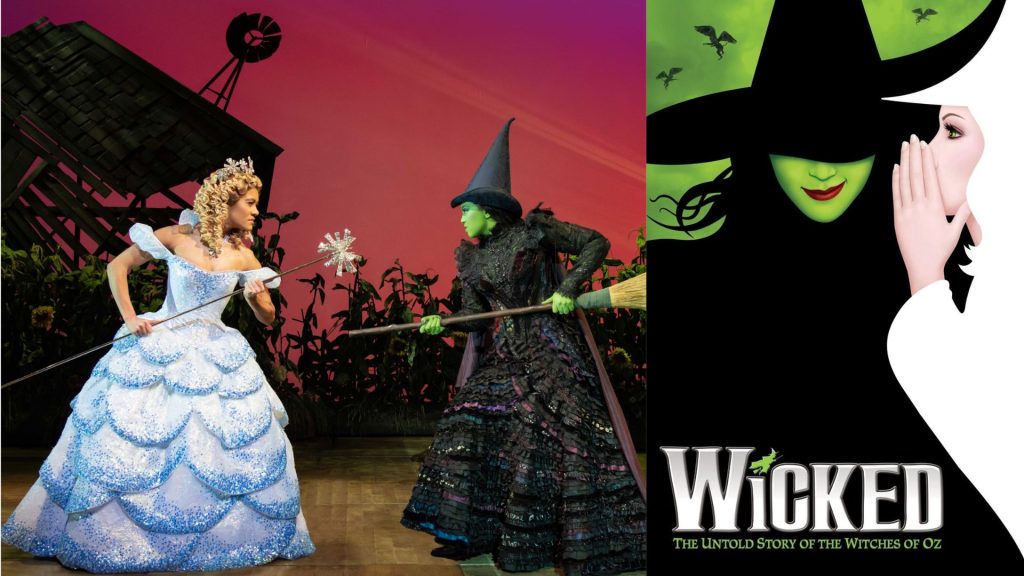
However, while the musical thrives, its inspiration — Gregory Maguire’s novel Wicked: The Life and Times of the Wicked Witch of the West — paints a different picture. Loosely adapted into the stage production, the novel has faced vastly differing reviews. Despite its rich exploration of morality, politics, and power in the land of Oz, it lacks the universal acclaim that the musical has achieved. The differences between the two highlight how audiences’ tastes and expectations can dramatically shift across mediums.
Dark Themes in Gregory Maguire’s Wicked
The Wizard of Oz franchise has not been without its controversies, and Gregory Maguire’s novel Wicked: The Life and Times of the Wicked Witch of the West is no exception. While the book offers a richly detailed and morally complex reimagining of Oz, it also delves into deeply disturbing territory. Themes of rape, murder, and bestiality, alongside heavy references to drugs, alcohol, racism, and promiscuity, make this far removed from the family-friendly tone of the original story.
In Maguire’s world, these “adult” themes — ranging from unsettling depictions of sexual assault to bizarre moments like puppet sex — serve as part of the book’s exploration of power, corruption, and societal decay. However, the graphic nature of these elements has sparked significant criticism, particularly regarding their appropriateness for modern audiences.
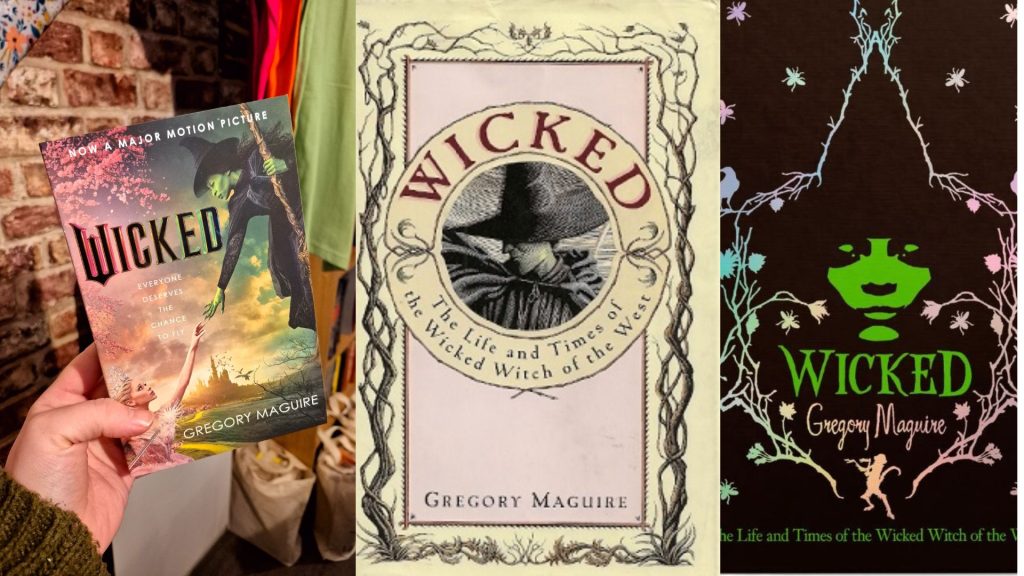
The concern becomes even more pronounced when considering Wicked’s tie-ins with the recent film adaptation. While the novel’s mature content is not explicitly carried over to the stage or screen, its association with the broader Wizard of Oz universe creates a disconnect for those expecting a more whimsical or child-friendly take on the story. For some, Maguire’s approach adds depth and realism, but for others, it tarnishes the magic of Oz by introducing themes that feel unnecessarily controversial.
Recapturing the Magic
The 2020s have seen dramatic cultural shifts, with rising awareness around sensitive topics and inclusivity shaping how stories are told. The Wizard of Oz and its modern retellings, including Wicked, are no strangers to this scrutiny. With the upcoming 2024 Wicked film adaptation, a new generation is being introduced to the land of Oz — but not without controversy.
The tie-in between Gregory Maguire’s novel and the Wicked musical has raised concerns for parents and fans alike. Some have discovered the darker, more graphic themes of the novel, expecting it to reflect the innocence of the stage production or the upcoming film. Hoping to recapture the magic of the story for their children, many have been shocked by the novel’s unsettling depictions of violence, explicit content, and morally complex themes.
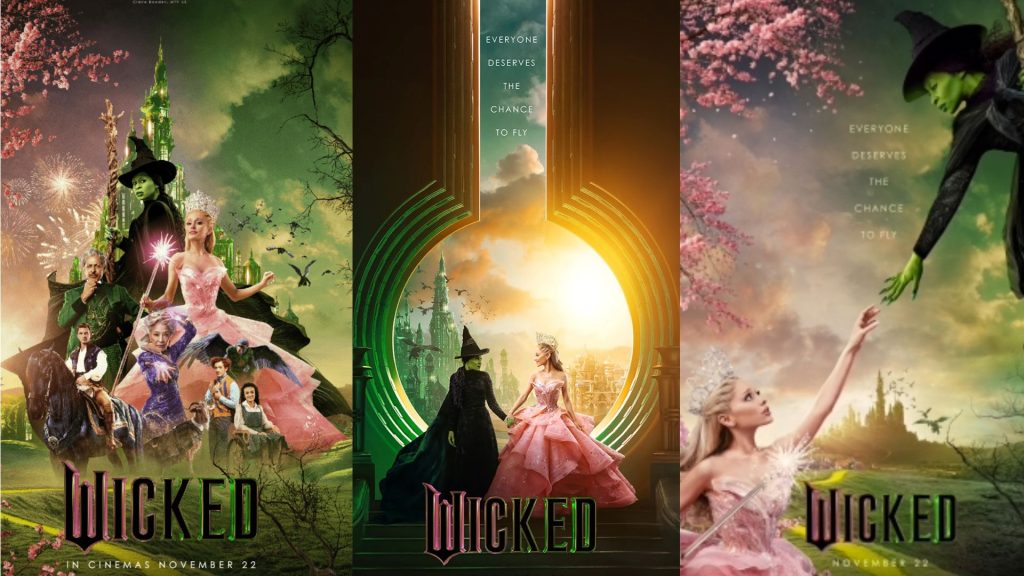
This disconnect between the novel and its adaptations creates confusion for audiences. While Maguire’s work offers a unique and mature perspective on the world of Oz, it is far removed from the whimsical tone of the musical or the family-friendly vibe expected from the film. To avoid misleading audiences, there is a need for clearer distinctions between the adaptations, ensuring that new viewers — particularly younger ones — are not exposed to content they may find inappropriate or distressing.
Ultimately, the challenge for the 2024 film lies in capturing the magic of the Wicked musical while maintaining sensitivity to the expectations of today’s audiences. As society evolves, so too must the stories we tell and how they are presented, ensuring they resonate across generations without losing their original charm.
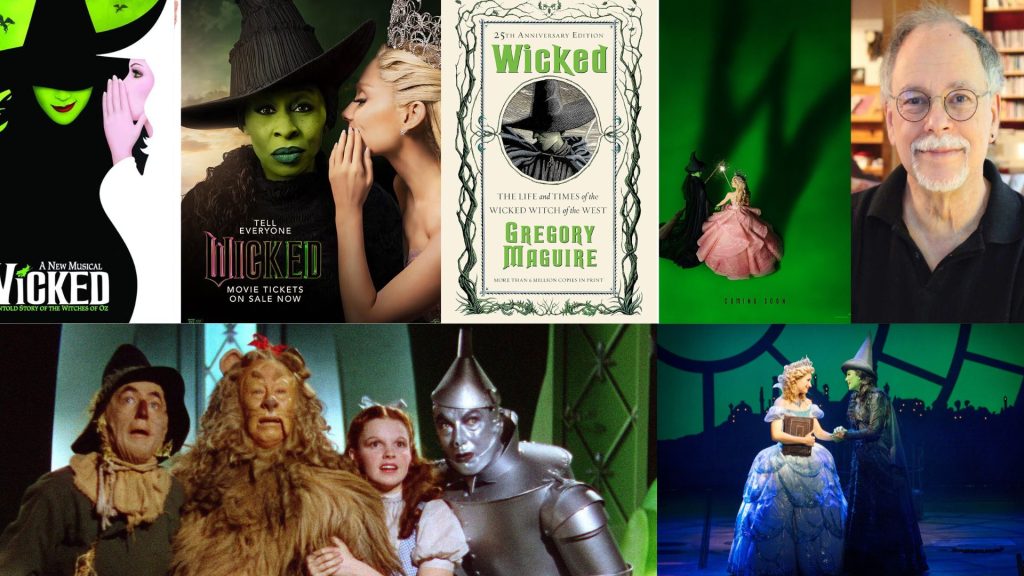
The Wizard of Oz has enchanted audiences for generations, offering a timeless tale of adventure, friendship, and self-discovery. However, beneath the surface lies a more complex and often darker history. While some retellings — like the Wicked musical — have brought new life and inspiration to this beloved story, others, such as Gregory Maguire’s novel, have revealed unsettling themes that challenge the innocence we associate with Oz.
This duality—the magical and the macabre — reminds us that every story carries layers, shaped by the times and the perspectives of its creators. As the 2024 Wicked film seeks to reimagine the world of Oz with positivity and charm, it also stands as a testament to the evolving ways we engage with classic tales. Yet, the darker threads woven through Oz’s history remind us that even the brightest adventures often have shadows.
Perhaps, like Dorothy, we have been following a yellow brick road — but not the only one. The path behind the curtain is one of complexities, contradictions, and the realities of storytelling that reflect the world around us.
Interested in discovering more from the world of Wicked? Click here to discover even more!
Explore other book-to-film adaptations at Bookshop.org!