


“Woke” is a word we often hear in modern media critiques. Whether it’s Disney or Dreamworks, none are safe from the backlash often triggered by that one comment in the YouTube trailer. Nevertheless, these criticisms stem from the common perception that today’s media seems less focused on telling a good story and more interested in filling a checklist for inclusivity and diversity. However, some films and shows manage to incorporate diversity in a meaningful way without falling into the trap of tokenism or empty activism.
Diversity in the Regency Era
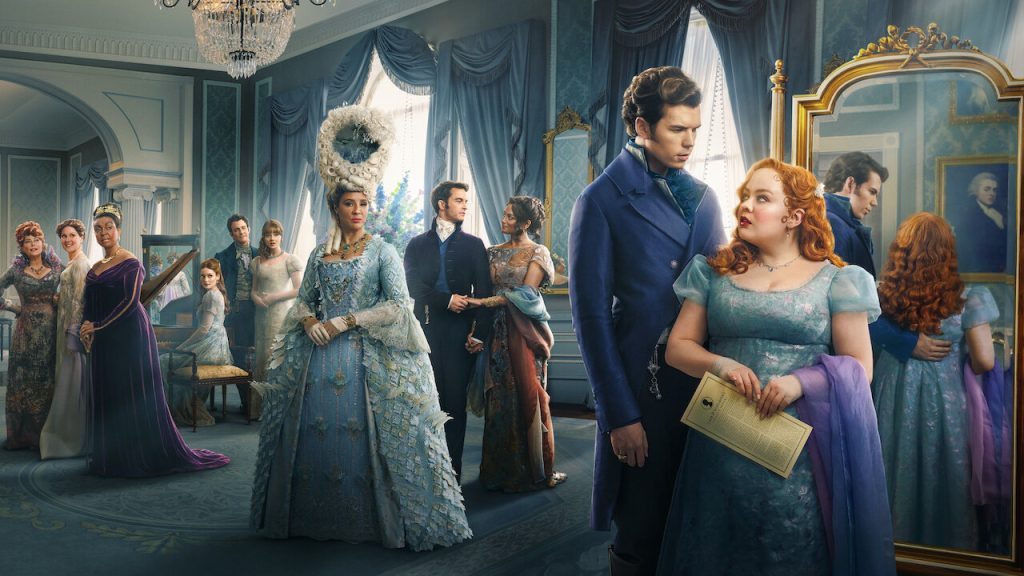
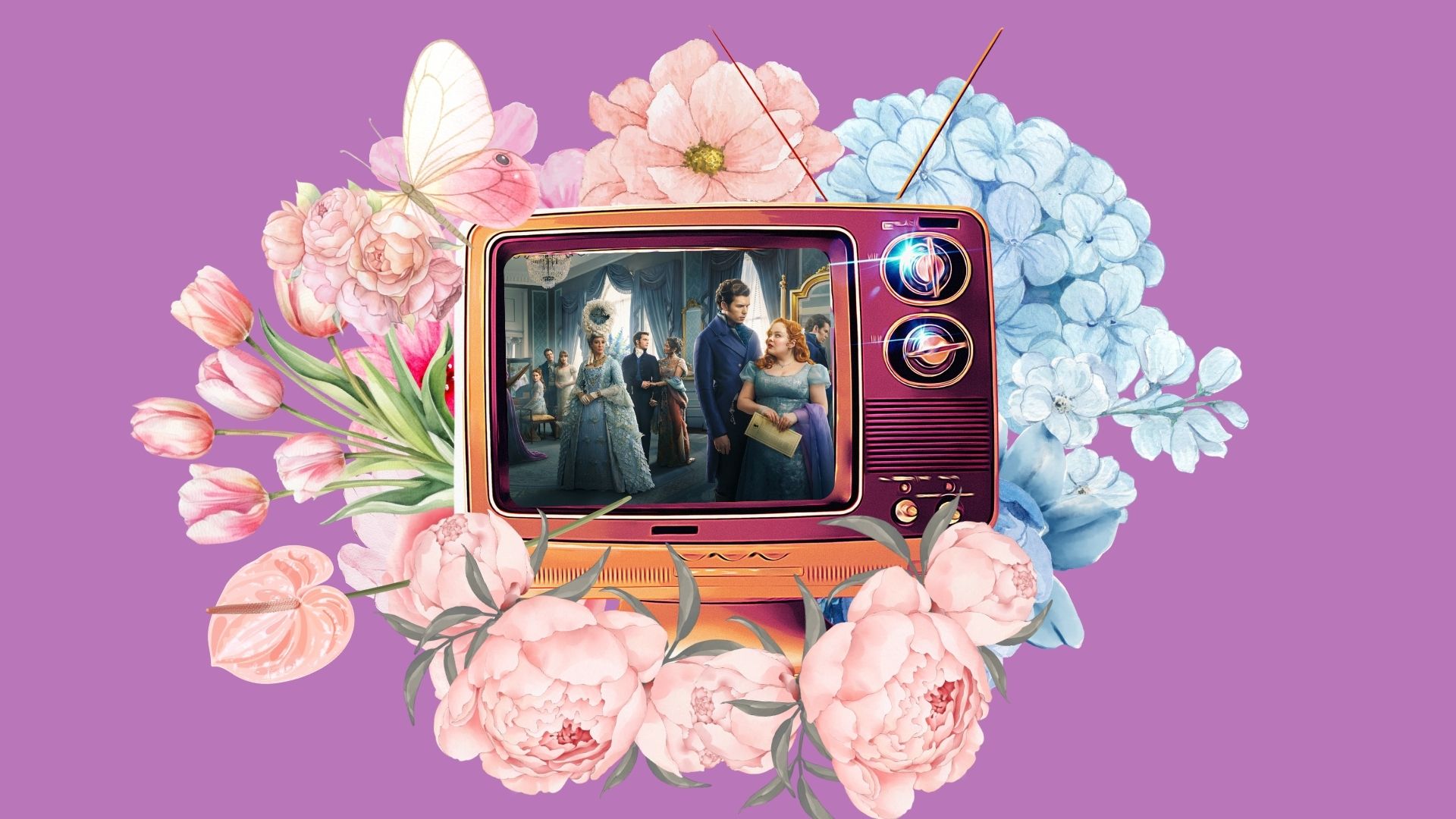
In Bridgerton, the inclusion of Black characters as members of the nobility is an example of the creative license the show takes, diverging from the historical accuracy of the Regency period. The series creates an alternate history where Black characters, like the Duke of Hastings, are integrated into high society and given aristocratic titles, as well as positions of power, just like their white counterparts.
From the outset, the show establishes this world, where the presence of Black nobility is accepted as a given. As an audience, we don’t question why there are Black nobles in a period marked by social and racial segregation because the characters themselves don’t question it either. The show subtly hints at a reason for this integration, particularly through the interactions between Lady Danbury and Queen Charlotte.
This explanation is further expanded in the prequel series, which delves into Queen Charlotte’s life and explores how her marriage to King George helped reshape social structures, creating more space for racial integration among the aristocracy.
The Black Spiderman
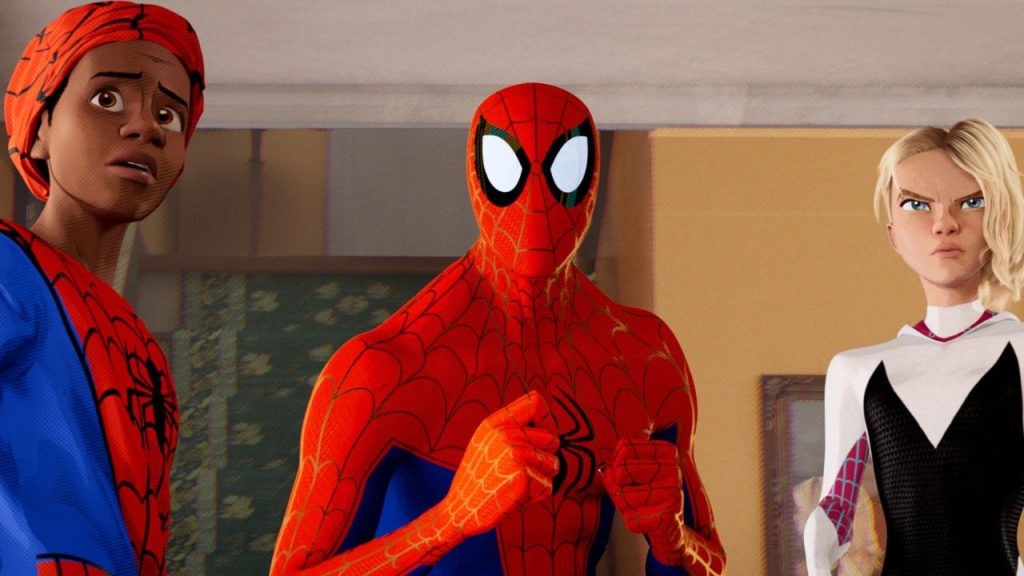
Spider-Man: Into the Spider-Verse and Spider-Man: Across the Spider-Verse are widely regarded as beloved and well-executed pieces of media by Sony. However, when the Afro-Latino superhero Miles Morales, from Earth-1610, was introduced, he faced backlash from some Spider-Man fans who accused the film of pandering and ticking off two diversity quotas. Despite the criticism, the movie successfully won over audiences by giving us a unique character with his own compelling story.
Rather than positioning Miles as a replacement for Peter Parker’s Spider-Man, the film focuses on him carrying on Parker’s legacy in his own way. Additionally, the movie introduces several Spider-Man variants from different worlds, ranging from futuristic to 2D, demonstrating that there are countless versions of Spider-Man. These variants are never intended to replace the original Spider-Man, but rather to explore the “what ifs” of his story and show how the mantle can be worn by many.
Will They Ever Find The One Piece?
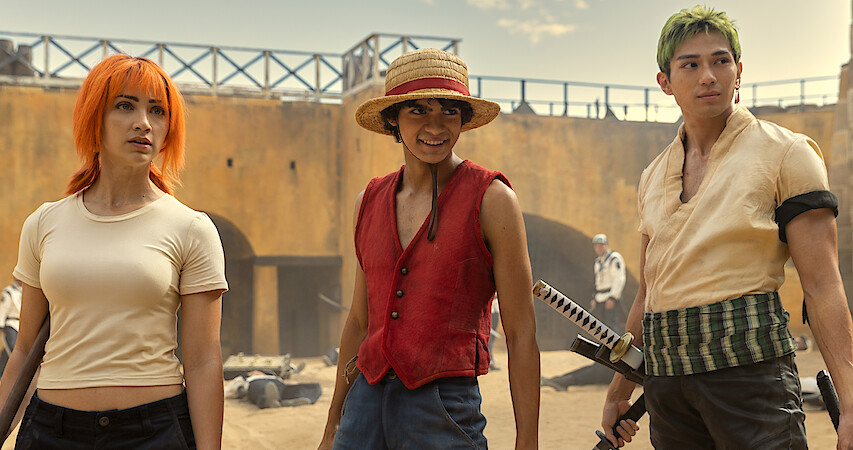
A fan favorite brought to life, One Piece stands out as one of the few anime that gained wide acceptance for its live-action Netflix adaptation. The story closely mirrors the original, and the casting choices feel spot-on. Given that the original series already features a diverse cast, the adaptation stays true to the essence of the characters and their backgrounds, making their actions feel natural rather than like a studio mandate.
The world of One Piece is vast and multicultural, so an international cast portraying characters who were never tied to one single ethnicity adds an authentic layer to the show. By choosing actors who embody their characters with depth, the series celebrates the diversity of the One Piece universe while avoiding tokenism and superficial representation.
You Are Hot Cup Cake
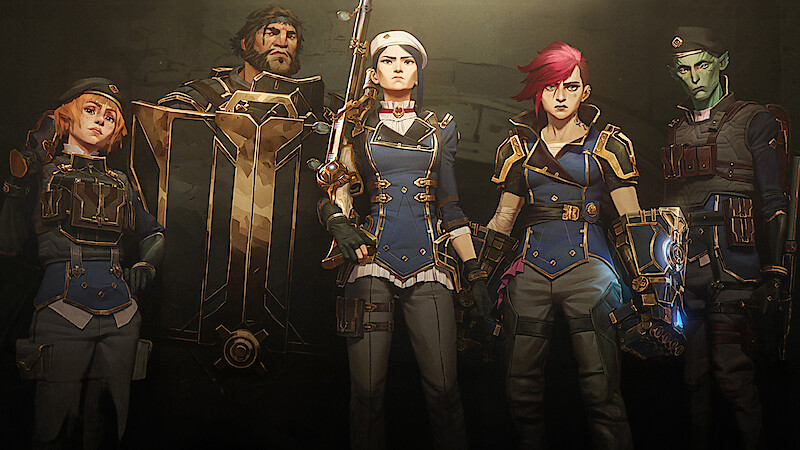
When it comes to diversity, Arcane excels at seamlessly integrating different cultures and ethnicities without making them the defining trait of a character. Praised for its world-building and complex character arcs, the show portrays how different cultures interact, clash, and coexist in a way that feels organic to its setting.
Characters like Ekko, Mel Medarda, Ambessa, and Caitlyn are integral to the story, yet their roles are never reduced to their ethnicity or heritage. Instead, their struggles, ambitions, and relationships shape their narratives, making their presence feel natural within the world. The show doesn’t pause to deliver heavy exposition about its characters; instead, it allows us to understand them by experiencing the world through their perspectives.
While Arcane explores themes of inequality, social injustice, and hierarchy, it does so through immersive storytelling rather than forced exposition. There are no heavy-handed monologues or overt calls to “do better;” instead, the audience experiences these struggles firsthand through the characters’ actions, dialogues, and lived realities. This approach allows the show to depict deep societal issues in a way that feels natural, engaging, and emotionally resonant.
I Am Bi Actually
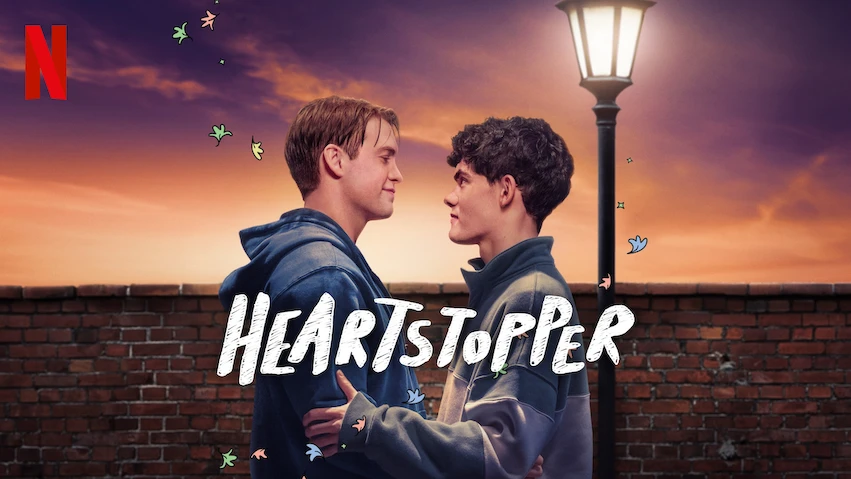
Heartstopper, praised for its honest portrayal of the LGBTQ+ experience, quickly won our hearts when it debuted on Netflix. The show not only features diverse characters but also boasts a cast that truly embodies their roles. Staying true to its original source material, Heartstopper depicts teenagers navigating the challenges of acceptance and identity without relying on epiphany monologues or over-the-top declarations.
It also features a diverse cast that reflects the multifaceted nature of identity. The characters come from various backgrounds, and their stories are not confined to one singular narrative, making the series feel inclusive not only in its LGBTQ+ representation but also in terms of race, culture, and personal journey
Inclusion Or Diversity Hire?
Diversity is essential in movies, as it enriches narratives and creates worlds that feel real and lived in. While representation of strong women and social injustices is important, the way these depictions are handled matters just as much. When characters are reduced to tokenism or diversity checklists, audiences can see right through it. Instead of the obligatory Latino character with Spanglish catchphrases, give us fully realized individuals — characters with struggles, flaws, and depth. Give us someone to truly root for.
Are you looking for your next diversity hire? Click here.
Diversify your TBR with our Diversifying Your TBR: Beautiful Black Voices in Literature bookshelf on Bookshop.