

















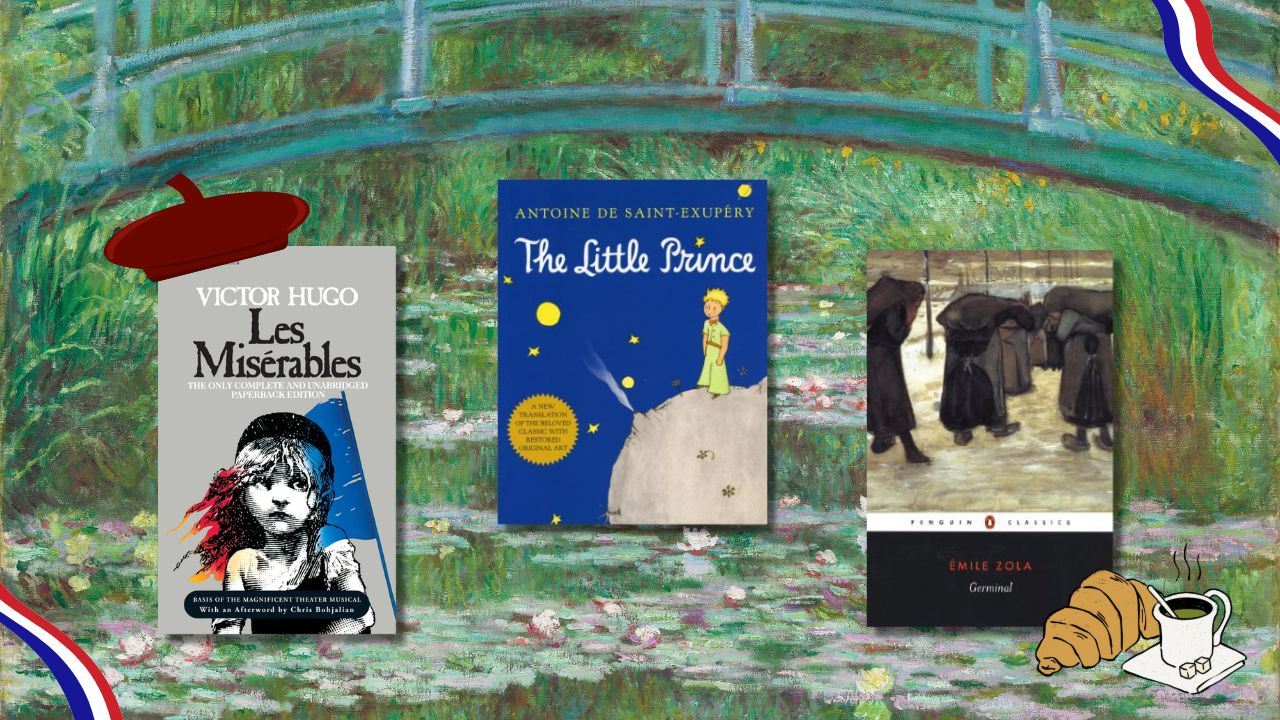
Have you ever wondered what truly makes a book considered to be a classic? These books earned their legacy because they have stood against time and remained an impactful piece for years — some even for generations. French classics, in particular, became a staple in their country for their influential effect and lasting impact on readers, and soon had the opportunity to be translated into English, among many more languages worldwide. Growing up with a French mother, I’ve been exposed to remarkably written French novels, and have provided five that I hope you will enjoy long after you finish the final page, just as I did.
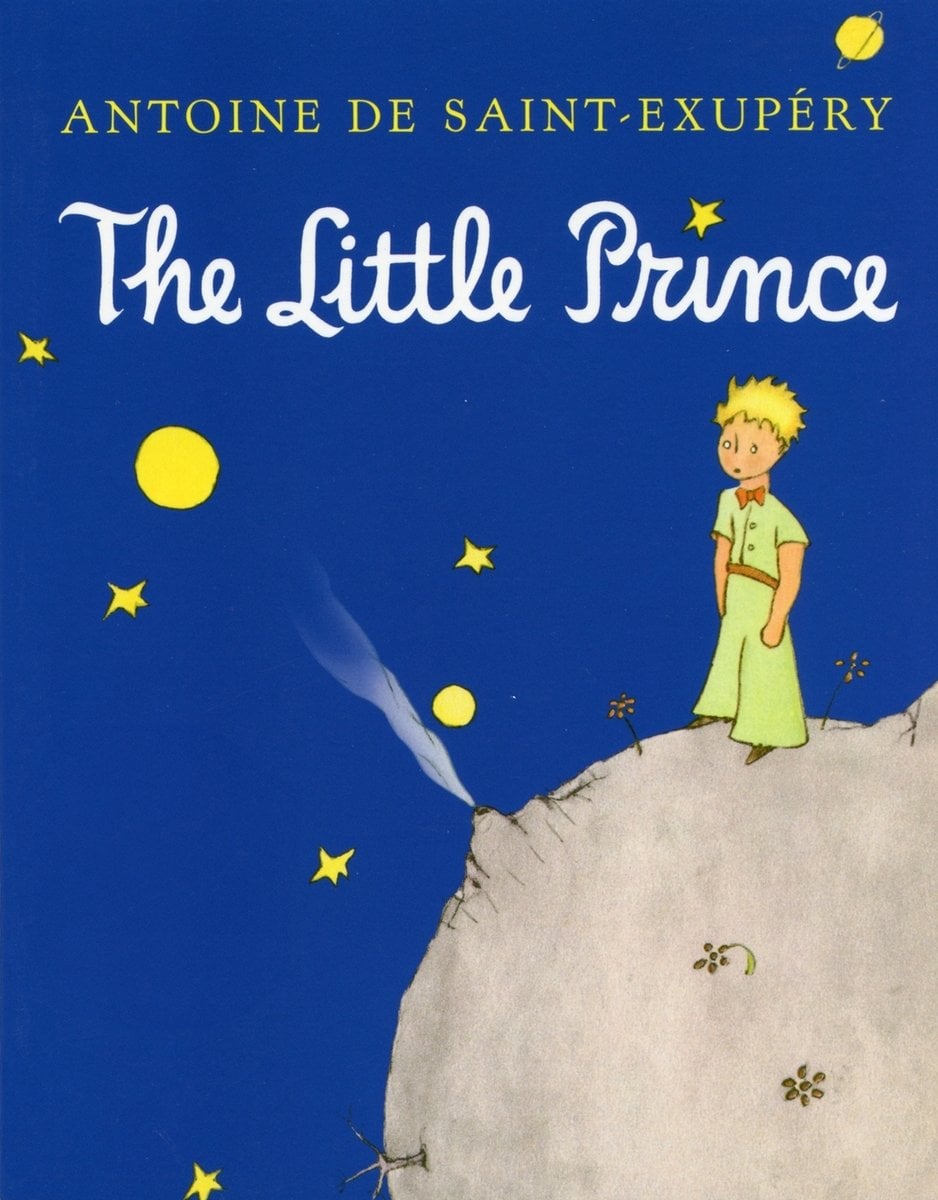
The Little Prince by Antoine de Saint-Exupéry
Although this is a children’s book, I truly encourage adults to experience this impactful narrative, as well. The Little Prince teaches the reader about the abundance of growing up, and how important it is to never lose our child-like curiosity, no matter our age. As a pilot crashes onto a tiny, strange planet, he encounters a little boy, who calls himself the Little Prince. During their time together, the young boy shares his unexpectedly intelligent advice to the older man, including valuable life lessons, as they travel across the planet and visit others.
Find the French translation, Le Petit Prince, here.
Grown-ups love figures…When you tell them you’ve made a new friend they never ask you any questions about essential matters. They never say to you, ‘What does his voice sound like? What games does he love best? Does he collect butterflies?’ Instead they demand ‘How old is he? How much does he weigh? How much money does his father make?’ Only from these figures do they think they have learned anything about him.
— Antoine de Saint-Exupéry, The Little Prince
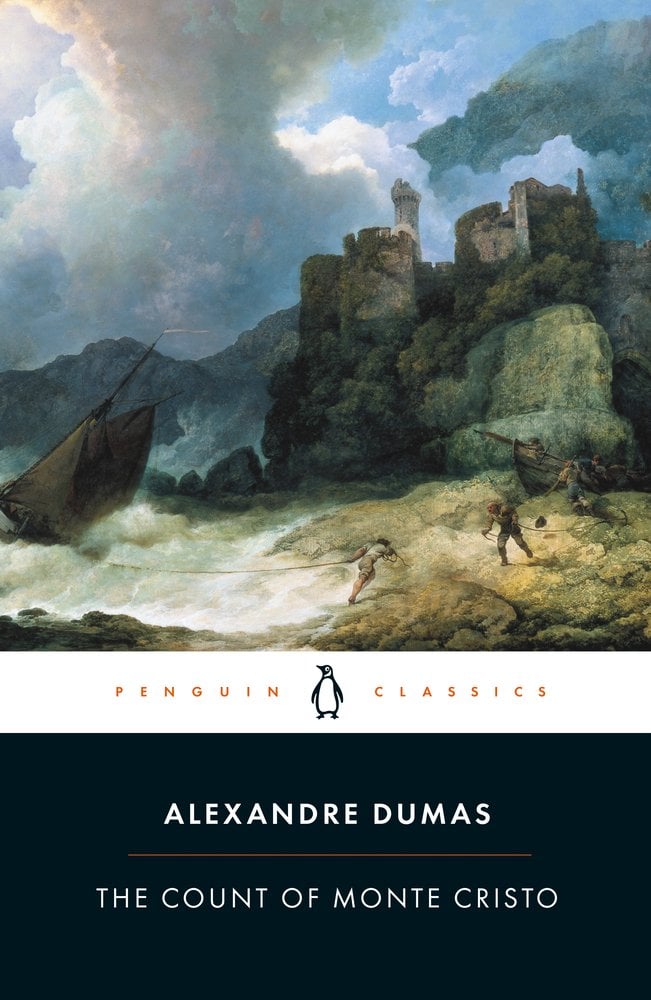
The Count of Monte Cristo by Alexandre Dumas
Beware the sheer mass of this novel; withstanding almost 1000 pages, I understand if this may not be your cup of tea, but bear with me! You may know Dumas from his well-known tale, The Three Musketeers! In The Count of Monte Cristo, he brings that same adventurous thrill. This exciting, suspenseful story follows Edmond Dantes as he is wrongfully thrown in prison for a crime he did not commit. Not only is he determined to escape, but he also vows to find the hidden treasure on the Isle of Monte Cristo that will destroy the three men who unjustly accused him and caused his confinement. This high-stakes adventure includes betrayal, revenge, and love as Edmond must decide what is at stake for this dangerous mission.
Find the French translation, Le Comte De Monte-Cristo, here.
There are two ways of seeing: with the body and with the soul. The body’s sight can sometimes forget, but the soul remembers forever.
— Alexandre Dumas, The Count of Monte Cristo
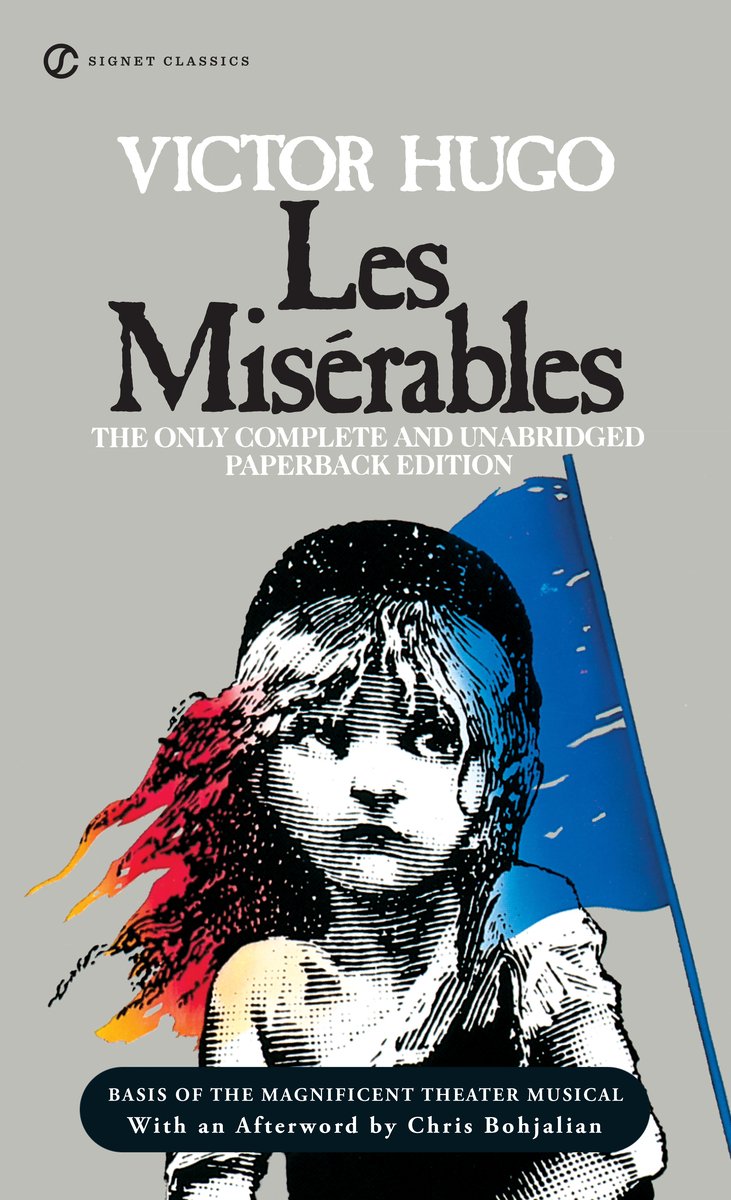
Les Misérables by Victor Hugo
One of France’s most prominent writers — and the author of the notable Hunchback of Notre-Dame, if that rings a bell (pun intended) — Victor Hugo released this massive novel in 1862. Following Jean Valjean, an escaped convict who is determined to leave his criminal life behind, Hugo’s story brings an epic tale of love, heroism, and injustice as Jean desperately tries to become a respected member of society. Dealing with his own battles, Valjean doesn’t only have to worry about remaining free, but also has sworn to protect the baby daughter of Fantine, who was driven to prostitution due to poverty. Les Misérables highlights the resilience of the enduring human spirit, as well as the importance of compassion in the face of misfortune.
Find the French translation here.
To love or have loved, that is enough. Ask nothing further. There is no other pearl to be found in the dark folds of life.
— Victor Hugo, Les Misérables
The Necklace by Guy de Maupassant
To give you a breather, Maupassant’s story is only around 20-40 pages, depending on your version. Guy de Maupassant is known for his remarkable short tales that delve into intricate narratives in only a few words. The Necklace shares a powerful story of greed, social class, and the crushing weight of pride as Madame Mathilde Loisel dreams of living a life of luxury; however, she and her husband cannot afford the fine garments and jewelry that the higher classes typically can. Therefore, when she is invited to an extravagant ball, she borrows a beautiful necklace from her friend to fit in, promising to return it once the night is over. Only things go incredibly wrong when she loses it. Maupassant’s brilliant short story has an ironic ending you won’t want to miss, as it holds an impactful lesson to us all about enjoying our life as it is, and how we should not condemn people strictly based on outward appearances.
Find the French translation, La Parure, here.

How strange and changeful is life! How small a thing is needed to make or ruin us!
— Guy de Maupassant, The Necklace
Germinal by Émile Zola
Émile Zola is a French author worth delving into; known for his impeccable stories of the human condition, he was also the founder of the literary movement called Naturalism. Germinal perfectly executes this as we follow Etienne Lantier, an unemployed railway worker. As a clever but uneducated young man with a bad temper, Etienne is forced to take a grueling job at Le Voreux mine. When he discovers that his fellow miners are all incredibly ill, starving, and unable to clothe their families, Etienne finds himself leading a strike that could result in starvation or salvation for all. Zola truly shares how the greed of a few can cause the oppression of many, along with how the collective of society can challenge vast power.
Find the French translation here.
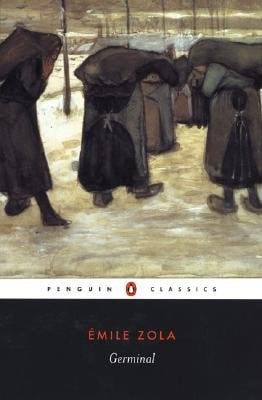
They, poor devils, were just machine-fodder, they were penned like cattle in housing estates, the big Companies were gradually dominating their whole lives, regulating slavery, threatening to enlist all the nation’s workers, millions of hands to increase the wealth of a thousand idlers.
— Émile Zola, Germinal
That’s all for my list of recommendations to delve into French literature! I hope you were interested in one of these novels, or perhaps interested in taking a look at the authors’ other works. French literature is known for its themes of revolution, love, and the human condition, and these stories would be the perfect start!
Read our 10 Modern Influential French Writers You Should Know About article to learn more about French authors.
For more classic literature recommendations, check out our bookshop list here!
