

















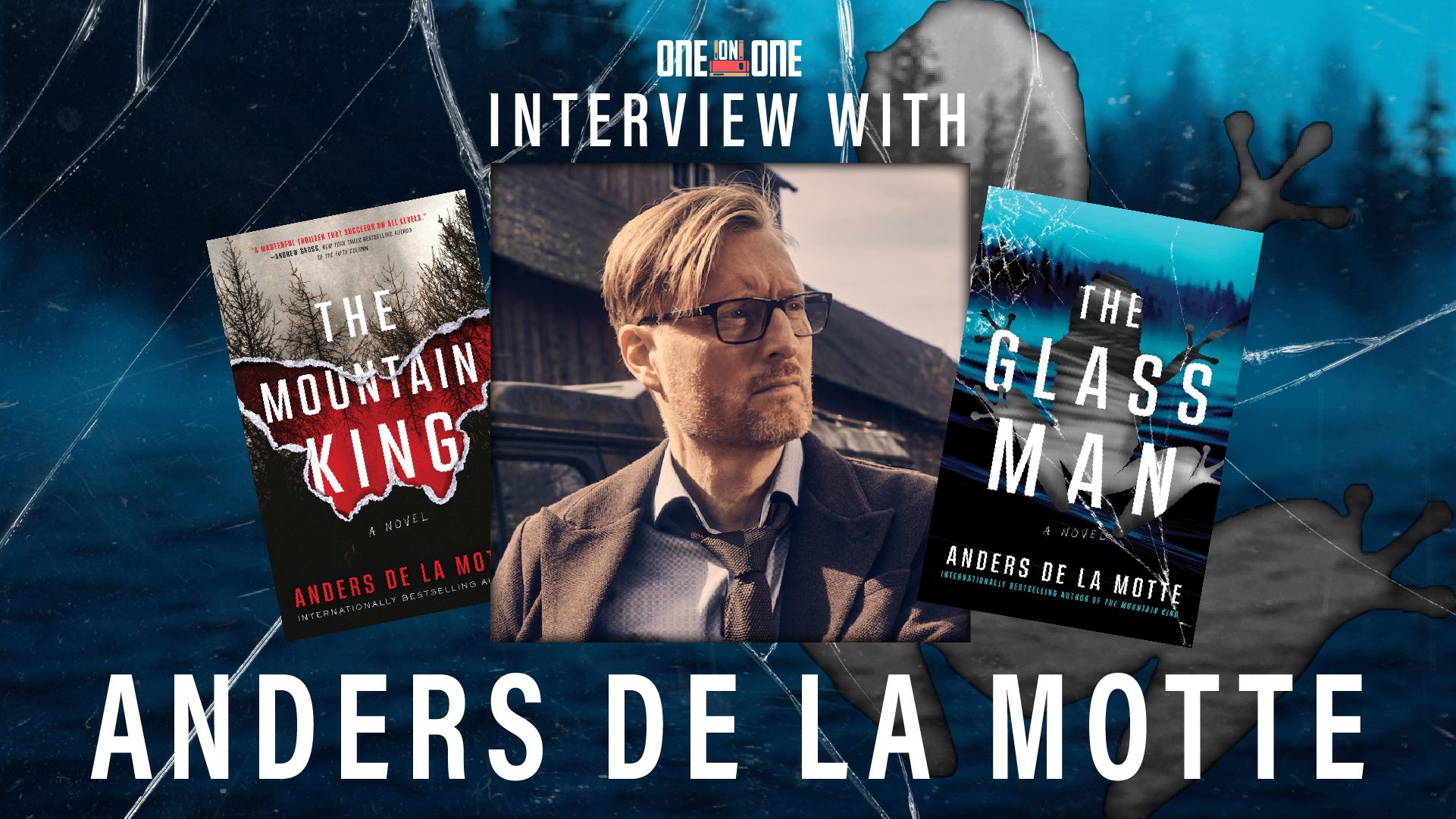
With the highly anticipated second installment of the Asker series in August, we’re excited to sit down with Anders de la Motte to discuss all things crime fiction. From in-depth decisions on his latest book to his co-written work and what to anticipate next, we’re exploring the world of writing with de la Motte.
About Anders de la Motte
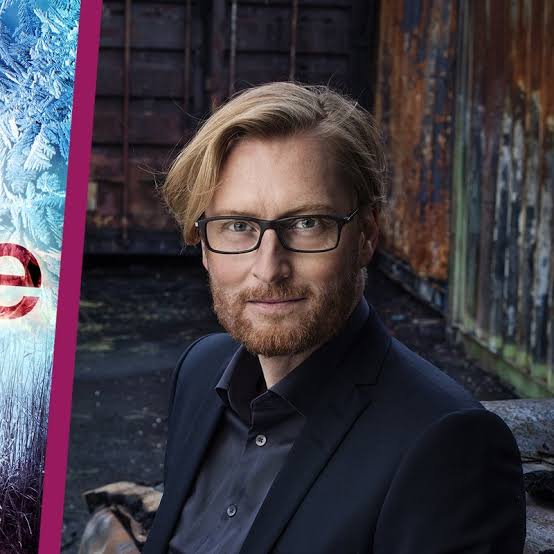
A police officer in Stockholm, Anders de la Motte, is an adored Swedish crime writer whose experience and qualifications make him undoubtedly talented in his genre. The writer made a career switch under the encouragement of his wife, who wanted him to pursue what he’d been meaning to do for a while after taking up reading in his downtime. His debut novel, entitled Game (released in 2010), propelled him into fame and won de la Motte the Swedish Academy of Crime Writers’ Award for Best Debut. De la Motte has since released two additions to The Game Trilogy, and the enthralling Skäne Quartet was published after this initial trifecta; both series gained popularity for the author. To learn more about de la Motte, find him on Instagram @andersdelamotte.
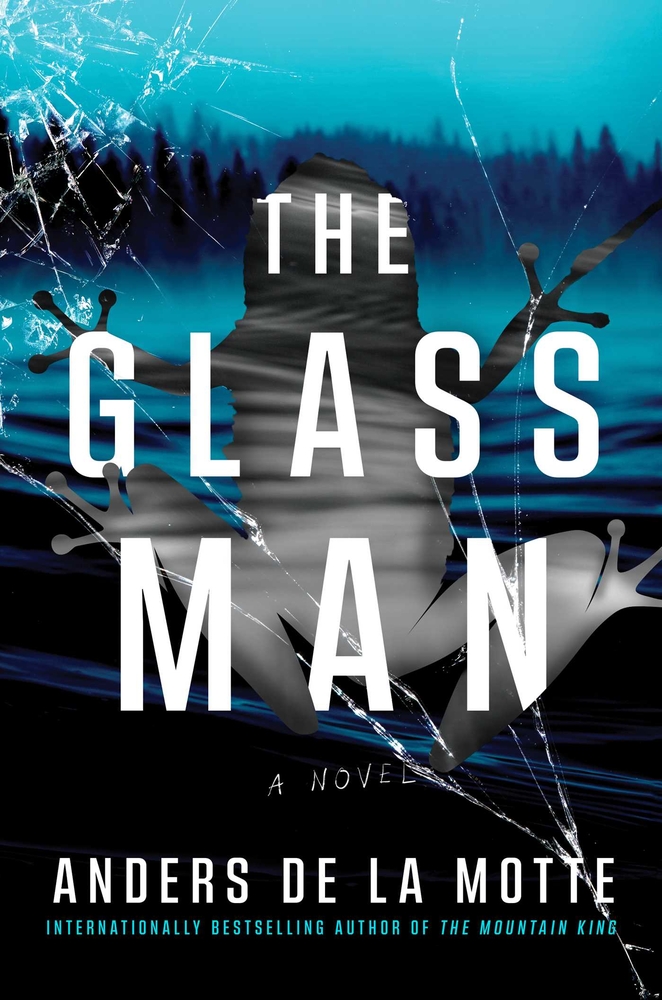
The Glass Man, the second book in the Leo Asker series, is due out August 26th. What new challenges does Detective Leo Asker face in this installment, particularly given her strained relationship with her father and his involvement in a new case?
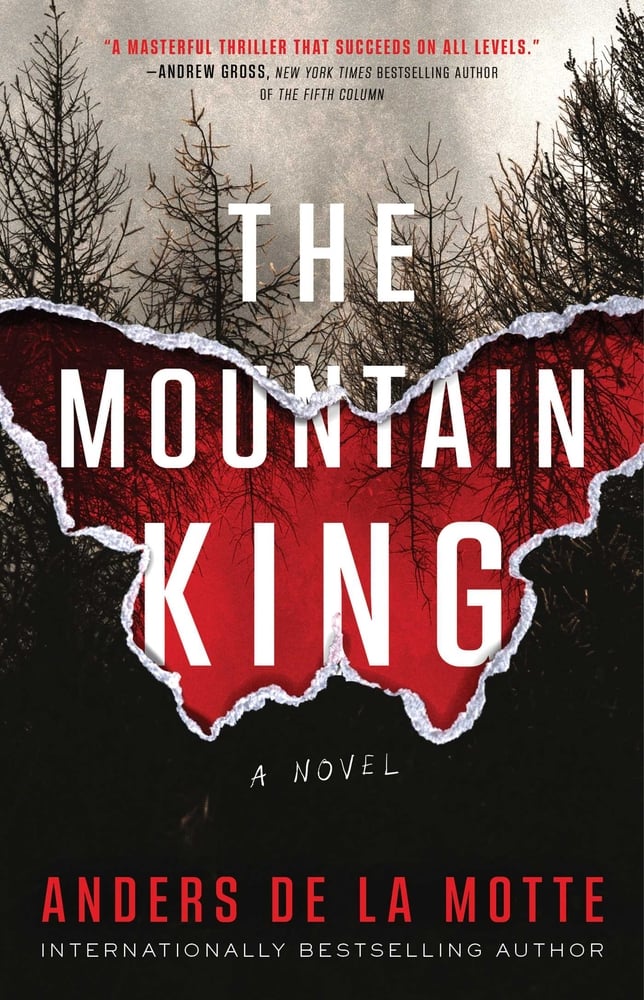
The Mountain King ended with Leo’s father calling her after 15 years of silence. In the opening chapter, it turns out he needs her assistance – he claims he will be wrongly accused of murder and, unless Leo helps him prove his innocence, he will kill every police officer that comes close to his survivalist compound. Quite a big challenge for her, given that the last time she saw her father, he tried to kill her.
The synopsis for The Glass Man mentions “mysterious lights and mutilated bodies” and “sci-fi vibes.” How do you balance these more speculative elements with the traditional crime fiction framework of the series?
I loved The X-Files, and The Glass Man is my tribute to that series. However, it is still very much a police thriller and focuses on people who believe in aliens and perhaps why, rather than if, aliens exist or not. The Gunnar Irving character is actually based on a real-life Swedish entrepreneur who, until his dying day, claimed he got all his ideas from a meeting with aliens. He even erected a small monument to mark the spot. Imagine working for him and having, to some extent, buy into that idea. The science part of the story is 100% based on existing things. Like the resurrecting frog, or the research around cryogenics.
“The Department of Lost Souls” is a fascinating concept. What inspired this unique unit, and how does it allow you to explore different types of cases and police dynamics within the series?
The DoLS are based on my own experiences as a young policeman in the 1990s, where I encountered three older gentlemen being exiled to a dark basement like the one in the book. Nobody could really explain what they were doing; they just needed to be kept away from both colleagues and the public, and there were a lot of stories on how they ended up there. Later, I was manning a police switchboard and was fascinated by the number of people calling to report the most absurd things: the king of Sweden spying on them through their TV and stuff like that. The operator had to write all this down and send it into the system, and I always wondered what poor soul had to deal with it. With the DoLS, I could combine these ideas, and it also gives me a lot of freedom as a writer. I can write about very different cases, and I don’t have to follow all the police routines and procedures if I don’t want to. Nor do I have to follow the format of a traditional police-detective story for every book.
You’ve mentioned that 90% of police work is routine, and you focus on the unpredictable 10% in your novels. Can you give an example of how you transform a real-life (or inspired) “10%” into a fictional plot point?
The 10% moments often occur when you are thinking that you know what is going on and have everything under control, only to very quickly realize you do not and have to rethink the situation in a second. In the police (and the military), this is where your training and experience come into play. Keeping a clear head even when the adrenaline is flowing, which is something Leo Asker does very well, a lot thanks to her upbringing and her father. This creates the duality in her that I find very interesting. On one hand, she hates her father and her difficult childhood; on the other, it is because of all this that she is very good at her job. I throw a lot of 10% moments in her (and the reader’s) direction and very much enjoy watching her solve them.
You’ve achieved significant success as a crime writer. How has your approach to writing and storytelling evolved since your debut with Game in 2010?
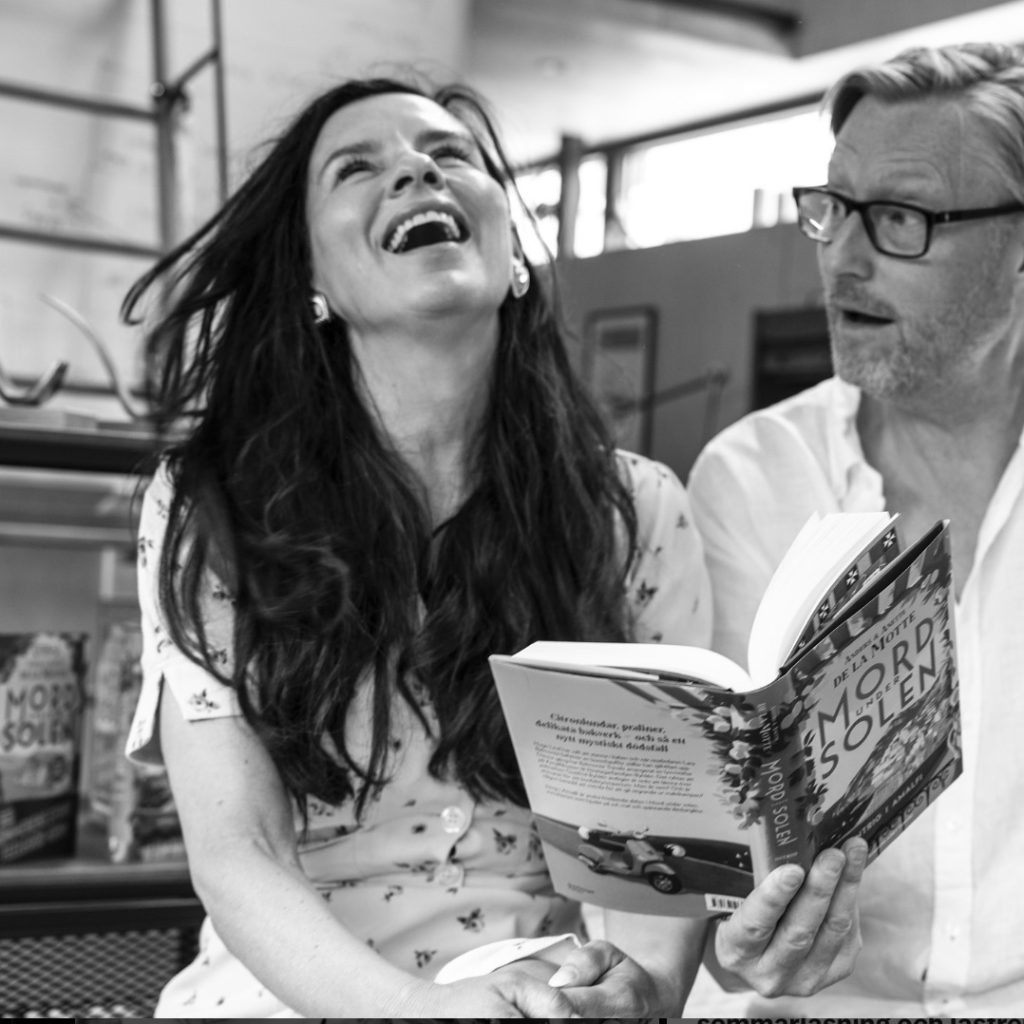
Back in 2010, I was an amateur who loved reading and wanted to give writing a try. I used a lot of narrating tools mainly by instinct. Now I have written 15 books, and been a full-time writer since 2012, meaning I have had a chance to learn more about the techniques and skills, and how to use and improve my tools. I’ve been fortunate to work with some really good publishers and editors who have taught me a lot, combined with being a very curious person, and I really love exploring the suspense genre as much as possible. Besides the Asker series, which offers a lot of room for different stories and narratives, I also wrote an Agatha Christie-style murder-mystery series (Mord Under Solen/Murder Under the Sun) with my wife. The plot, technique, and language are all very different from those of the police thrillers.
Beyond entertainment, are there specific themes or societal issues you aim to explore or highlight in your crime fiction?
A lot of Scandi crime books have societal issues and themes built into their DNA. But, to be honest, I mainly write to entertain. Having said that, the books explore themes like abuse of power, corruption, and misogyny. These are always interesting to write about.
End of Summer was adapted into a six-part psychological thriller. How did you feel about this particular adaptation, and what were your impressions of Julia Ragnarsson and Erik Enge’s portrayals of the characters?
I really loved the adaptation for many reasons – one being that it was filmed in the area where I grew up, at almost all the locations I had in mind when I wrote the book. The farm where we lived is just a mile away from the main set location, and a lot of old friends and neighbors helped out. I think Julia and Erik did a fantastic job of bringing the characters to life. Being on set for the first time was a surreal experience. All these people I made up now walking around, talking to each other on a set that very much reminded me of my childhood, was striking.
You co-wrote Mord Under Solen, a murder mystery reminiscent of Agatha Christie, with your wife, Anette. When can English-speaking readers, particularly in the US, expect to see an English translation of this co-written work?
Good question! Soon, we hope. The books have done very well in Europe, and we are waiting for word on the English translations. I’m very happy that readers still enjoy a classic murder mystery, although with a slightly modern touch. A perfect read for the hammock or the beach during summer.
Lastly, with The Glass Man being the second book in the Asker series, how many books do you plan to write for it, and what are your long-term visions for Leo Asker and her journey?
I initially promised and planned four books in the series, with the caveat that if I still liked writing them and the readers enjoyed them, I might be persuaded to write more. Luckily, the conditions of the caveat were fulfilled, and I’ve just recently signed up for six more, meaning the series will be ten books in total. Leo has a long journey ahead with plenty of room for interesting growth, and I do have some surprises planned both for her and the readers (and for Martin Hill, of course).
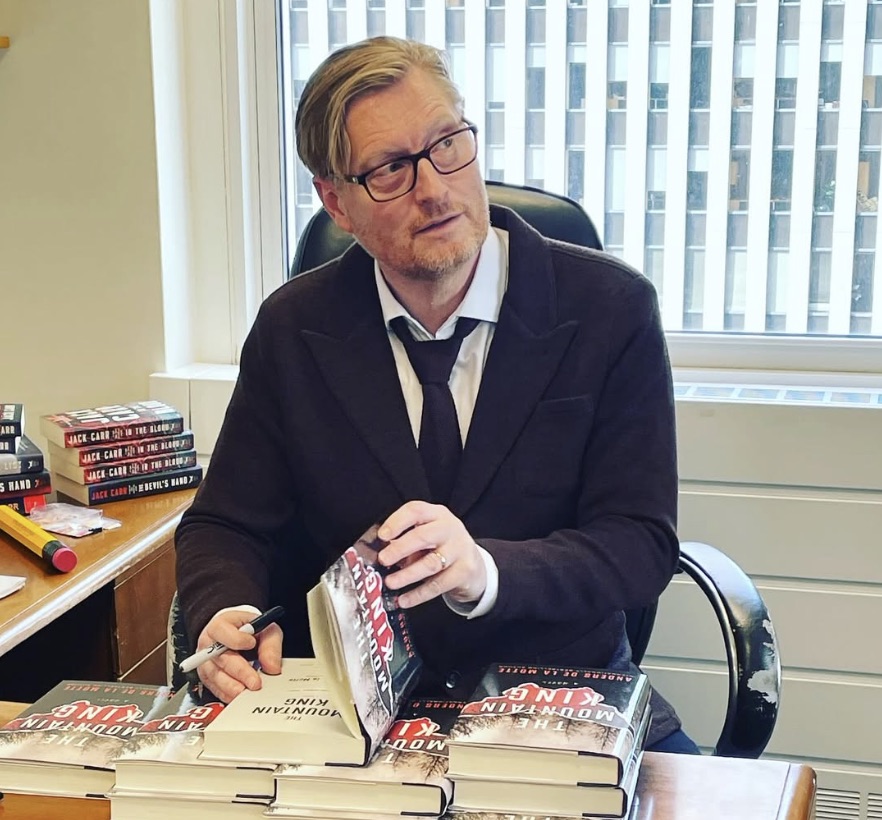
We’re so grateful to Anders de la Motte for joining us and sharing about his writing process and upcoming novel. His passion, talent, and experience shine through his work, and it’s extremely worth checking out his bone-chilling catalog. We encourage you to add the Asker Series to your TBR and keep an eye out for The Glass Man coming out on August 26th!
Want another author interview? Click here.
Check out de la Motte’s collection of books and more here.
