














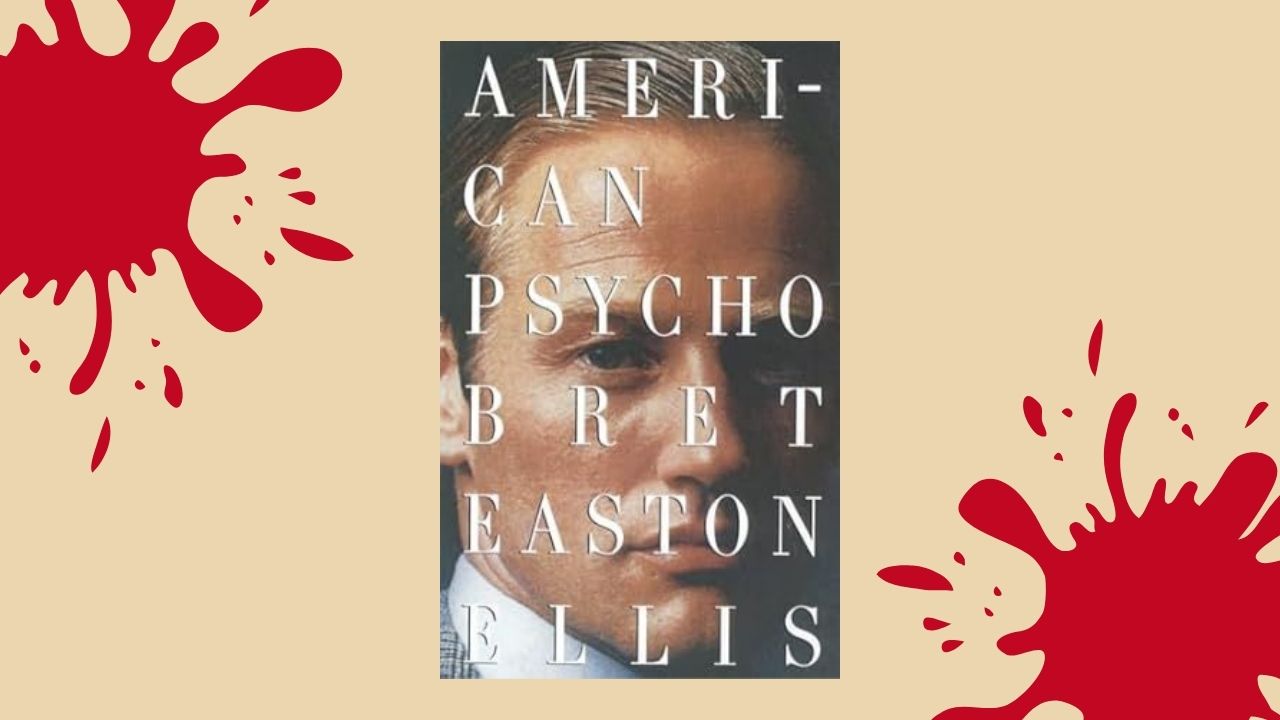
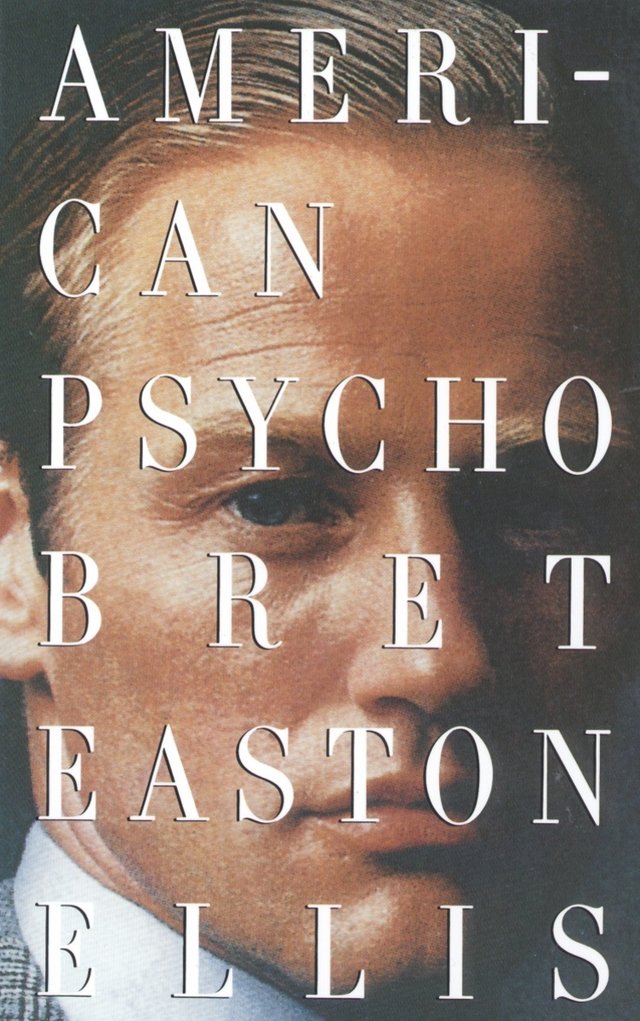
Released in 1991, American Psycho shocked readers with its graphic depictions of violence and its chilling portrayal of Patrick Bateman, a Wall Street investment banker with a dark, murderous side. The novel’s legacy is multifaceted. On one hand, it serves as a scathing critique of 1980’s yuppie culture and consumerism as Bateman’s obsession with materialism, status, and surface appearances reflects the era’s excesses and moral vacuity.
On the other hand, the book’s graphic content sparked significant controversy and debate about the limits of artistic expression. Some critics called for its censorship, while others defended it as a powerful and disturbing work of satire.
Critique of Consumer Culture
American Psycho is filled with detailed descriptions of designer clothes, high-end restaurants, and luxury products, highlighting the character’s obsession with status and wealth. This relentless focus on consumption emphasizes the emptiness and superficiality of their lives.
Patrick Bateman, the protagonist, embodies this critique as he navigates a world where personal worth is measured by possessions and appearances. His violent tendencies are juxtaposed with his meticulous attention to consumer details, suggesting a deep connection between the dehumanizing effects of consumerism and his own moral decay.
Controversy over Graphic Nature
Upon its release, the novel faced significant backlash for its explicit depictions of violence and sexual content. Many critics and readers were shocked by the detailed and disturbing scenes, leading to debates about censorship and the limits of artistic expression.

Despite the controversy, American Psycho has remained a topic of intense discussion, with some viewing it as a powerful social commentary and others as gratuitously violent. The graphic nature of the book serves to showcase the themes of desensitization, making it an enduring piece of literature
Unique Use of Dialogue
One of the novel’s most distinctive features is its use of dialogue. Ellis employs a harsh, almost clinical style of conversation that mirrors the superficiality and detachment of his characters. The dialogue often blurs the line between mundane chatter and chilling revelations, contributing to the unsettling atmosphere of the novel.

This unique dialogue style in American Psycho plays a significant role in character development. By using detached and superficial conversations, Ellis highlights the emptiness and moral ambiguity of the characters, especially Patrick Bateman. The dialogue not only enhances the dark atmosphere of the novel but also deepens our understanding of the characters’ inner voids and the hollow nature of their lives.
A Bonafide Classic
American Psycho remains a powerful novel that continues to spark debate and analysis due to its critique of consumer culture, graphic content, and unique use of dialogue. Ellis’s exploration of superficiality not only paints a vivid picture of that era, but joggers timeless insights into the darker aspects of human nature.
American Psycho will continue to be a significant work that challenges readers to confront uncomfortable truths about society and themselves.
To check out other classic novels that we have revisited, click here
To find your next favorite classic novel, visit Bookshop.org