

















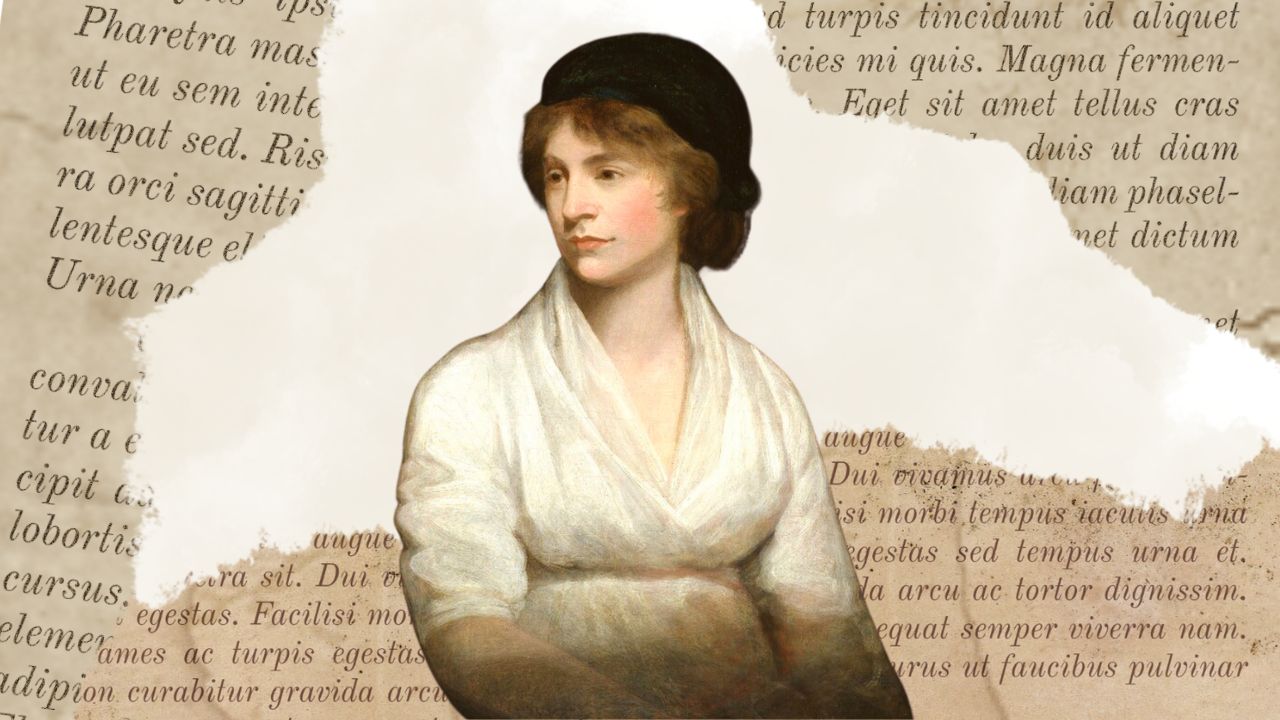
Thought of as one of the first feminist activists, Mary Wollstonecraft was not only an author but a revolutionary philosopher. Focusing on humanist styles of thought, she centered her arguments around the pursuit of equality, reason, and the moral development of both women and men. Read on to learn more about Mary and her ideals that challenged societal norms!
A Short but Impactful Life
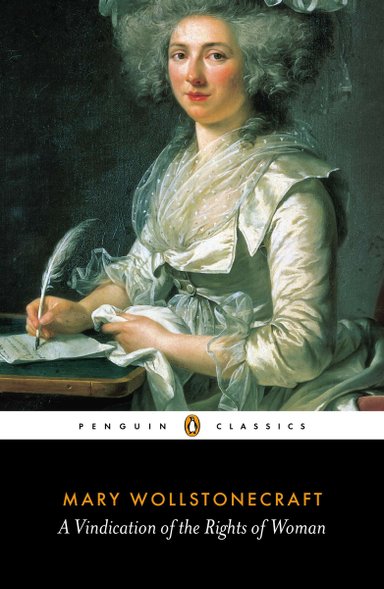
Born on the 27th of April in 1759, Mary Wollstonecraft lived a life that was both brief and impactful, passing away at the age of thirty-eight. Throughout her short life, she embraced various roles — author, essayist, advocate, traveler, mother, and philosopher. Today, she is most recognized for her work as a staunch advocate for equality and women’s rights, particularly her feminist philosophical essay, A Vindication of the Rights of Woman.
Though her family was relatively well off, Mary Wollstonecraft could not gain a higher education. She was only taught to read and write as a young girl. Despite this limitation, she became a self-taught intellectual, learning several languages. Uninterested in traditional female pursuits, she used her literacy as a tool to earn an income. With her newfound language skills, she translated French and German texts, wrote reviews, and composed essays. Though incomplete by societal standards, her education became the weapon she wielded against the restrictive norms of her time, providing her with a sense of independence and a public voice she otherwise might not have had.
Her Thoughts on Morals, Reason, and Self-Control
Despite her outspoken political beliefs, Wollstonecraft was also known for her literary reviews, where she developed and expressed her unique philosophy. Her views were liberal and egalitarian, focusing on reason, education, self-actualization, and, importantly, the equality of the sexes. She argued that the rights won by middle-class men during the revolutionary period should also be extended to middle-class women. Wollstonecraft believed that the inclusion of women in the economy would benefit all of society. Furthermore, she insisted that women, though remaining within socially acceptable roles, should be educated to the same degree as men, which would allow them to become well-rounded individuals capable of raising similarly well-rounded children.
Wollstonecraft wrote A Vindication of the Rights of Woman in response to the French Revolution, addressing her fellow philosophers — many of whom had failed to include women in their visions for the new bourgeois society. If there was to be a revolution in morals and an advancement of the middle and lower classes, she argued, shouldn’t women be included in those groups as well? She believed that increasing rights for women would not only elevate women but also benefit the men they supported and the children they raised.
Extremely well-read, Wollstonecraft wrote extensively on history, political matters, and philosophy across a variety of genres. She believed that only when men and women could approach each other as equals in society would humanity reach moral perfection. As she famously stated, “Virtue can only flourish amongst equals, and among unequals, there can be no society.” Her ideas were heavily inspired by philosophers like Jean-Jacques Rousseau and John Locke, whose thoughts on liberty and reason shaped her views on equality.
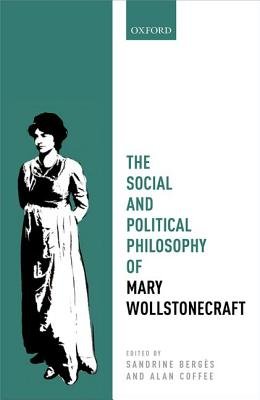
Wollstonecraft was a vocal critic of the unnecessary division between the sexes, believing that such distinctions directly harmed both society and human progress. She insisted that combining feminine and masculine virtues and referring to them solely as “human” virtues would benefit all of humankind. There should be no double standard for moral behavior — women should be allowed to be both chaste and modest but also intelligent and independent. Similarly, men should exhibit self-control and empathy. Wollstonecraft argued that rigidly shoehorning virtues into gendered categories would only lead to an unbalanced and immoral society. Moral behavior, in her view, was not dependent on gender, and reason and virtue should apply to all of humanity. She believed that a new moral order was necessary to move society toward a brighter future.
Wollstonecraft, unlike other philosophers in her time, was not interested in debating the nature of free will. Instead, she focused on the idea that one’s actions were not governed by some sovereign power but were shaped by education and repeated habits throughout life. She believed that one’s decisions and ability to exercise self-control were far more significant.
Like many of her contemporaries, Wollstonecraft grappled with the tension between passion and reason. However, unlike many philosophers of her time, she believed that passions were not inherently negative but could be forces for good. The problem arose when individuals lost control of their passions. While love is a natural passion, lust is an appetite that can and should be controlled. Wollstonecraft argued that, with proper education, anyone could reach their full potential: independent, reasonable, moral, and in control of their actions. When passions remain unchecked, she warned, individuals and societies spiral into chaos.
Death and Legacy
Mary Wollstonecraft passed away shortly after giving birth to her second daughter, from a postpartum infection. This daughter, also named Mary, would grow up to become the famous author of Frankenstein, a cornerstone of English Gothic literature.
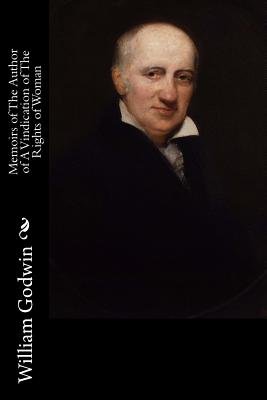
Following Wollstonecraft’s death, her husband, William Godwin, published her memoir posthumously, titled Memoirs of the Author of A Vindication of the Rights of Woman. This memoir revealed many personal details about Wollstonecraft’s life, including the scandalous revelation that her eldest daughter was illegitimate, as well as her struggles with mental health and doubts about her religion. These revelations scandalized the public and much of the literary community. However, her ideas began to regain recognition in the 1880s during the United Kingdom’s women’s suffrage movement. It wasn’t until the early twentieth century, with the rise of the modern feminist movement, that Wollstonecraft’s work was truly lauded and celebrated. Today, modern readers have come to recognize her as a pioneering figure in feminist philosophy and academia. Despite facing criticism and controversy during her life and beyond, Wollstonecraft’s legacy as a trailblazer for women’s rights remains secure.
Mary Wollstonecraft’s life and work laid the foundation for much of modern feminist thought. Her radical ideas on gender equality, the importance of education, and the integration of reason and virtue into daily life continue to resonate today. While her personal life faced criticism and scandal during her time, her intellectual contributions have solidified her place as a leading figure in the history of feminist philosophy. Through her writings and ideas, Wollstonecraft challenged the status quo and continues to inspire feminists and thinkers around the world.
Interested in more of Mary’s Life? Check out our previous article, Mary Wollstonecraft: The First Advocate for Women’s Rights!
Keeping it classic? Try our Classics Bookshelf here!
