
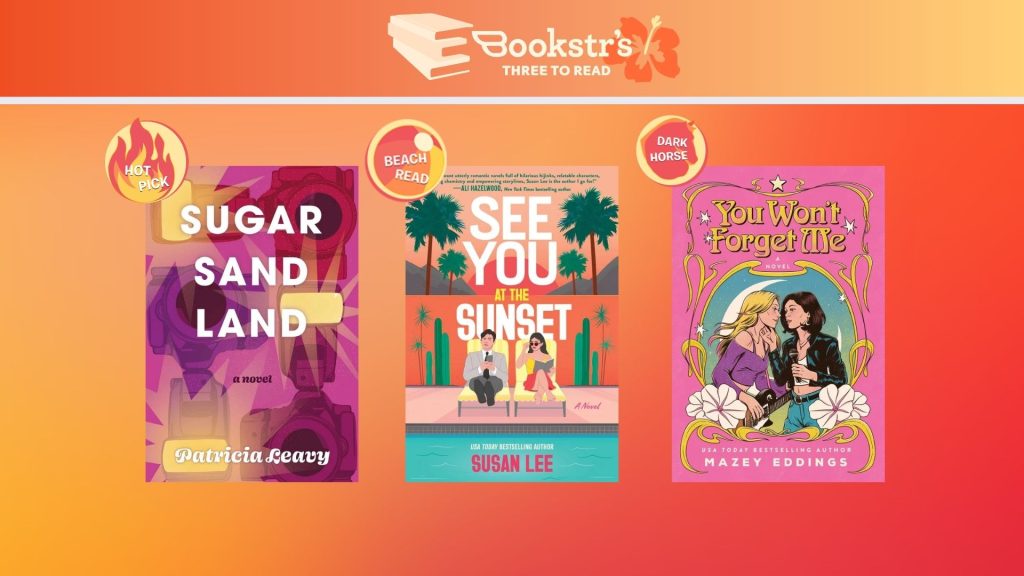

Book banning is an unfortunate craze in the U.S., and children’s books aren’t spared. Many have been banned for reasons like having LGBTQ+ content, being “inappropriate,” conflicting with religious views, and so on. But so many of these books are wonderful reads that will help expand children’s mindsets and understanding of the world. It’s impossible to list all of them, but here are seven to start.
Something Happened in Our Town by Marianne Celano, Marietta Collins, and Ann Hazzard, and Illustrated by Jennifer Zivoin
Two families, a white and a Black family, discuss a police officer shooting a Black man in their town. The children have questions like “Why did the police shoot that man?” and “Can police go to jail?” The book aims to answer questions children may have regarding traumatic situations like this one, as well as to identify and confront racial injustice.
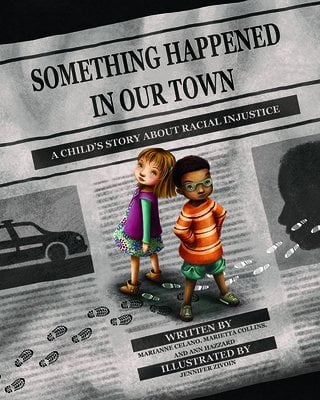
The book was banned for spreading an anti-police message. Talking about racial injustice in the police force and wondering if there will be repercussions for the officer is evidently enough for the book to get banned.
I am Jazz by Jessica Herthel and Jazz Jennings, Illustrated by Shelagh McNicholas
From the age of two, Jazz knew she had a girl’s brain inside of a boy’s body. She loves dressing up like a mermaid and the color pink, and she doesn’t like wearing boy’s clothes. Her family doesn’t understand until Jazz goes to a doctor who says that she is transgender and that she was born this way. This picture book is based on the experiences of Jazz Jennings, a trans woman and spokesperson for trans kids.
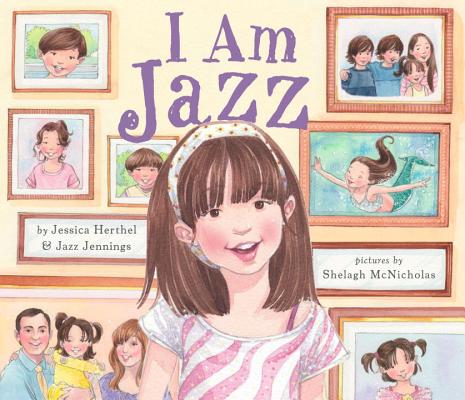
This book has been banned, restricted, or challenged across the country because the main character is transgender. Conservative states and school districts consider it inappropriate for children due to diverse content and fear it may “brainwash” children.
A Wrinkle in Time by Madeleine L’Engle
One night, three otherworldly creatures kidnap Meg Murry, her brother Charles Wallace, and their friend Calvin O’Keefe to save Mr. Murray, who disappeared while doing top-secret government work. They travel using a wrinkle that transports them across space and time to a planet called Camazotz, where Mr. Murray is being held. They find an evil force that is a danger to Mr. Murray and the entire universe.
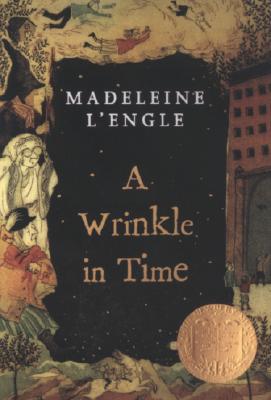
This book, published in the early ’60s, was banned because it mixed science and religion. Many Christians felt that her book was trying to undermine their religious beliefs by adding science.
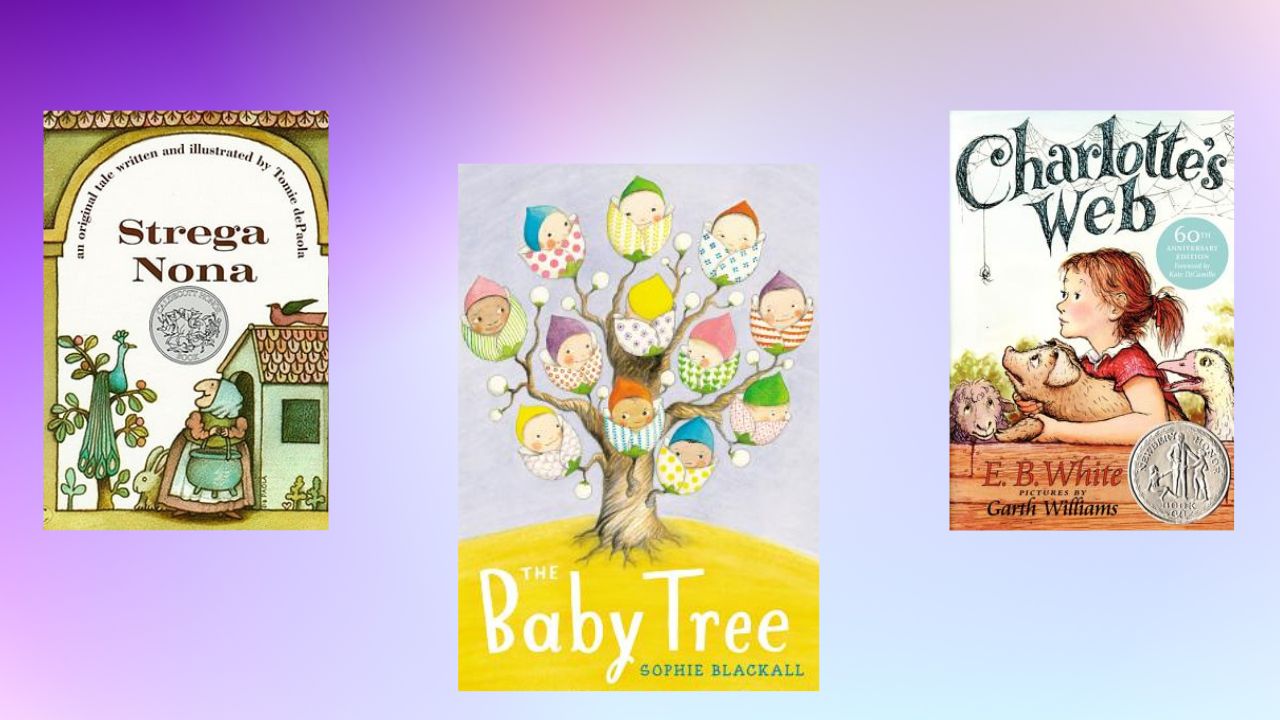
The Baby Tree by Sophie Blackall
Every child eventually asks the question parents dread: “Where do babies come from?” Thanks to this book, however, this question can have a simple but entertaining answer! Join a little boy who asks everyone, from his babysitter to the mailman, and gets hilarious responses before his parents sit him down and tell him the truth.
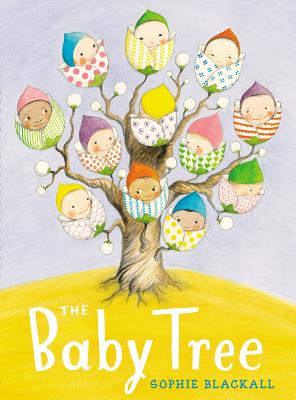
This was banned in a few school districts because the book discusses content deemed “inappropriate” for children. It gives an honest — but age-appropriate — explanation of where babies come from, but it seems many don’t think children should learn about that.
Where the Wild Things Are by Maurice Sendak
When Max puts on his wolf costume and causes chaos in the house, his mother makes him go to bed. There, Max starts imagining that he set sail to an island home to the Wild Things. They name him King and engage in a loud, fun commotion. But during this, he starts smelling something good at home, slowly pulling him back.
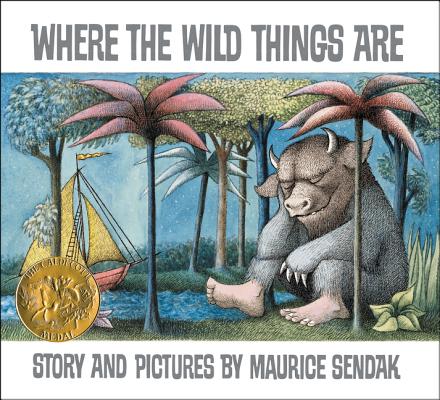
Upon the book’s publication in 1963, many adults opposed it because Max was sent to bed without dinner, and it included supernatural themes. And because of these reasons, it was banned.
Strega Nona by Tomie dePaola
Strega Nona, or Grandma Witch, supplies potions, magic, cures, and comfort in a Calabrian town. But it’s her magical pot, always full of pasta, that catches Big Anthony’s attention — and stomach. He’s supposed to look after her home and garden, but when she one-day visits Strega Amelia, Anthony recites a magical verse over the pot. And disaster ensues.
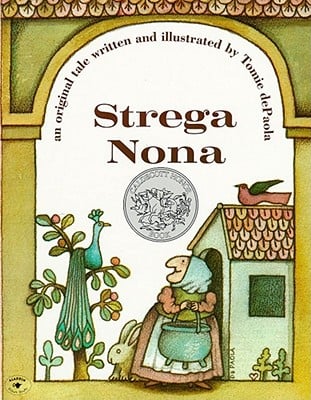
This book was banned in many children’s libraries because it painted magic and witchcraft in a positive light. That’s it.
Charlotte’s Web by E. B. White and Illustrated by Garth Williams
Some Pig. Humble. Radiant. These are all words strung in the spider Charlotte’s web as she attempts to save her pig friend, Wilbur, from being eaten. Her words reflect her feelings toward the young pig, who just wants a friend. They also express the feelings of a young girl named Fen, who saved Wilbur’s life when he was born the runt of the litter.
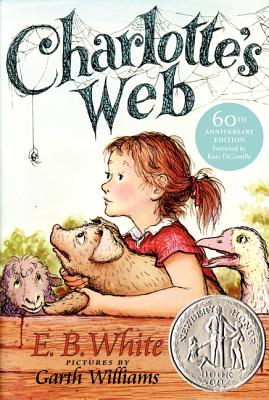
This enduring children’s book has been banned and challenged for decades, though it’s currently only banned in a few school districts. Some Christians take offense at talking animals since they think only humans should be shown using speech as they are God’s highest-level creations. Oh, and because Charlotte dies, and they don’t think children should learn about death.
Banned books are so important to read, especially now that schools and states are ramping up the bans. This list is just a start.
Click here for an article on a children’s book that was banned for being inclusive.
Check out our Banned Books shelf on Bookstr’s Bookshop page.