








Certain subjects can be difficult to explain to children, such as war, bigotry, and genocide. However, this does not mean that children should be completely shielded from the unpleasant truths of humanity’s history, especially when there are ample age-appropriate means to approach and explain these issues. By making children aware of the wrongs of the past, they can develop empathy and a sense of justice that can prevent similar events from occurring in their lifetime. In that spirit, and for International Holocaust Remembrance Day, here are seven children’s books that can open discussions about the Holocaust; stories of its victims, its survivors, and how the next generation can help prevent another tragedy like it.
Trigger Warning: This article discusses books that address antisemitism, bigotry, child death, and genocide, the mention of which may be triggering for some readers. Please engage in self-care as you read.
I Am Anne Frank by Brad Meltzer, Illustrated by Christopher Eliopoulos
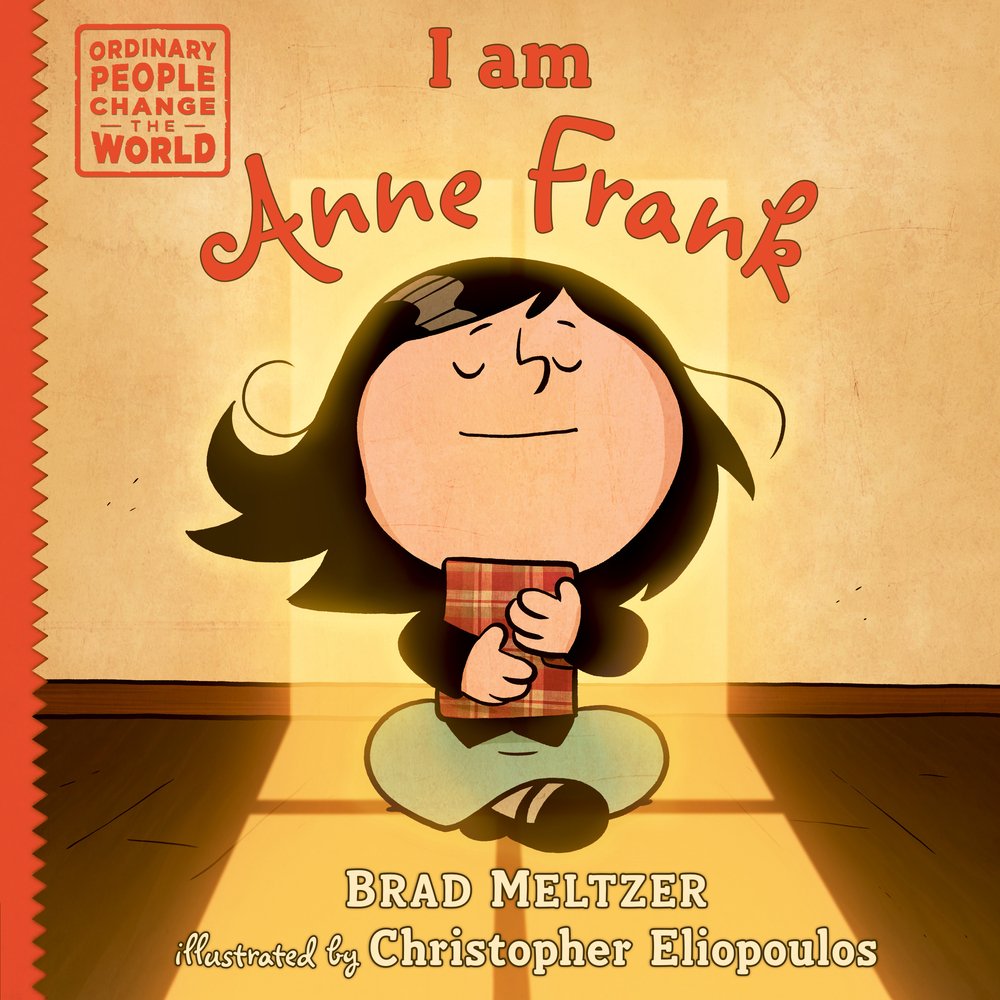
There are many excellent picture books about the story of Anne Frank and her family, but this one gets a nod for its compelling yet sensitive first-person account of the young girl’s too-brief history. Part of the popular Ordinary People Change the World series by Meltzer and Eliopoulos, Anne recounts her happy early years and how the rise of antisemitism and Hitler’s regime brought them to a swift and harrowing end. Her years in the Annex are also covered, and young readers are left with an image of Anne clinging to hope before the narrative is taken from her, which tactfully and honestly concludes the devastating story of the Annex, the diary, and Anne’s criminally short life.
The Whispering Town by Jennifer Elvgren, Illustrated by Fabio Santomauro
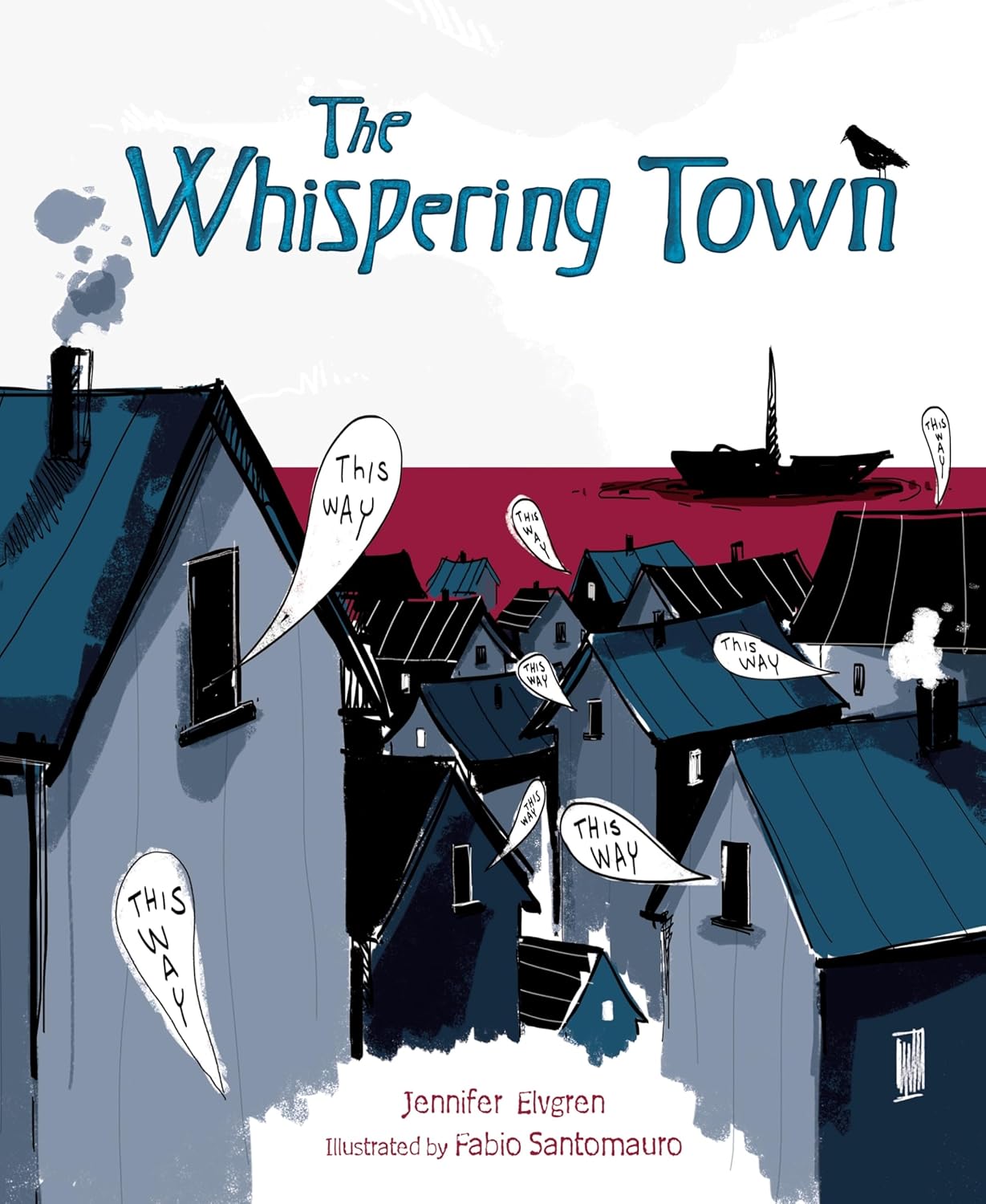
In Nazi-occupied Denmark, young Anett’s family is keeping “new friends” in their basement: a Jewish mother and her son, whom Anett’s father is hoping to smuggle by boat to the nearby shores of Sweden in two days. If caught, Anett’s entire family faces devastating repercussions, but silent moments during the day show that their neighbors support the dangerous act of humanity and resistance. When the Nazis begin to search house to house, Anett’s father decides that the mother and son must make a break for the harbor, guided by the whispers of friends and allies in the dark. Based on a true story, Elvgren and Santomauro paint a stirring tale showing young readers that when people work together to stand against injustice, the effects can be life-changing.
The Magician of Auschwitz by Kathy Kacer, Illustrated by Gillian Newland
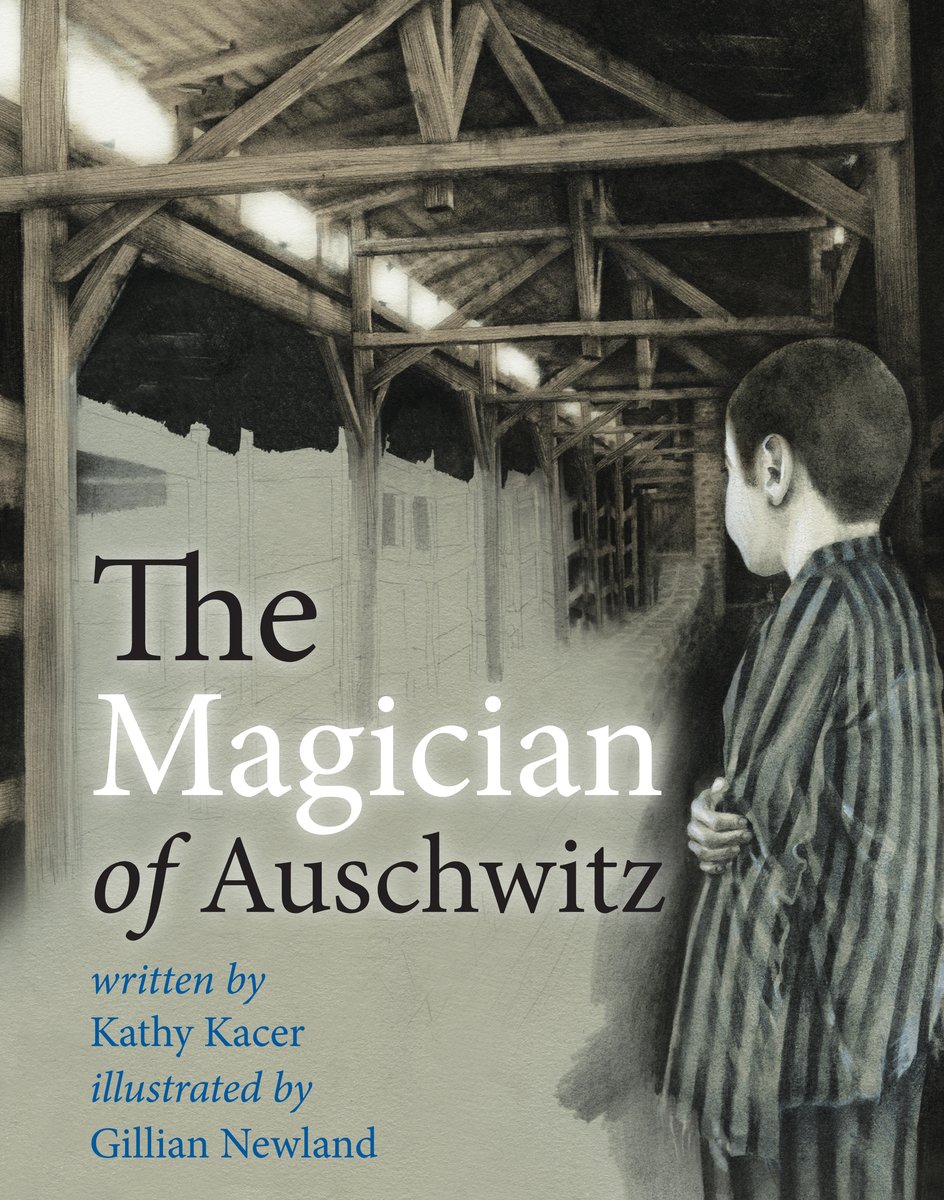
Separated from his mother and sister and imprisoned in the infamous Nazi concentration camp Auschwitz, young Jewish boy Werner is terrified of what the future holds. He is befriended by his bunkmate, the quiet and gentle Herr Levin, who takes Werner under his wing. One night, Werner is awoken by the sounds of the camp guards storming the barracks and commanding Levin to perform magic tricks, and he watches in awe as the man practices sleight of hand with cards and string. Levin later explains to Werner that the magic tricks are a means of survival, and insists the boy learn them as well. Another true story, Kacer’s bleak yet hopeful narrative captures the constant fear that was part of life in a concentration camp, and Newland’s black and white illustrations hauntingly bring to reality these conditions and the human beings who endured them.
Jars of Hope: How One Woman Helped Save 2,500 Children During the Holocaust by Jennifer Roy, Illustrated by Megan Owenson
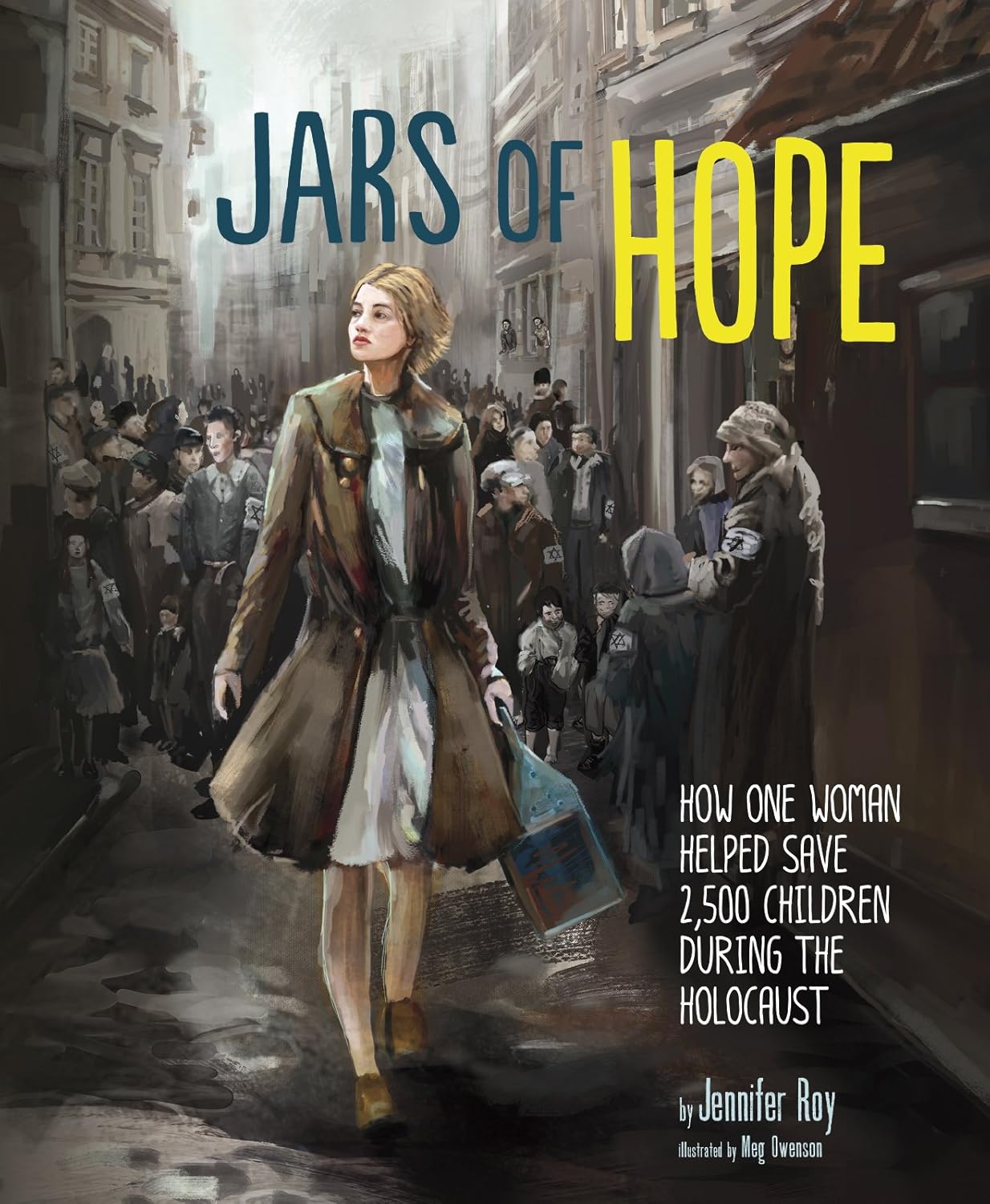
For decades, Irena Sendler was not a name that history remembered well; the humble nurse and social worker conducted the majority of her work through a network of smugglers, shelters, and undercover allies in Nazi-occupied Poland. Using her access, knowledge, and courage, Sendler worked to secretly transport over 2,500 Jewish children and babies out of Nazi territory, keeping meticulous records buried in glass jars in the hope of someday reuniting the children with surviving family members. Roy’s story is a gripping retelling of Sendler’s campaign, as well as her Nazi imprisonment and clandestine release, and Owenson’s artwork beautifully captures both the darkness of oppression and the light of hope that surrounded Sendler’s work.
Hidden: A Child’s Story of the Holocaust by Loïc Dauvillier, Illustrated by Marc Lizano
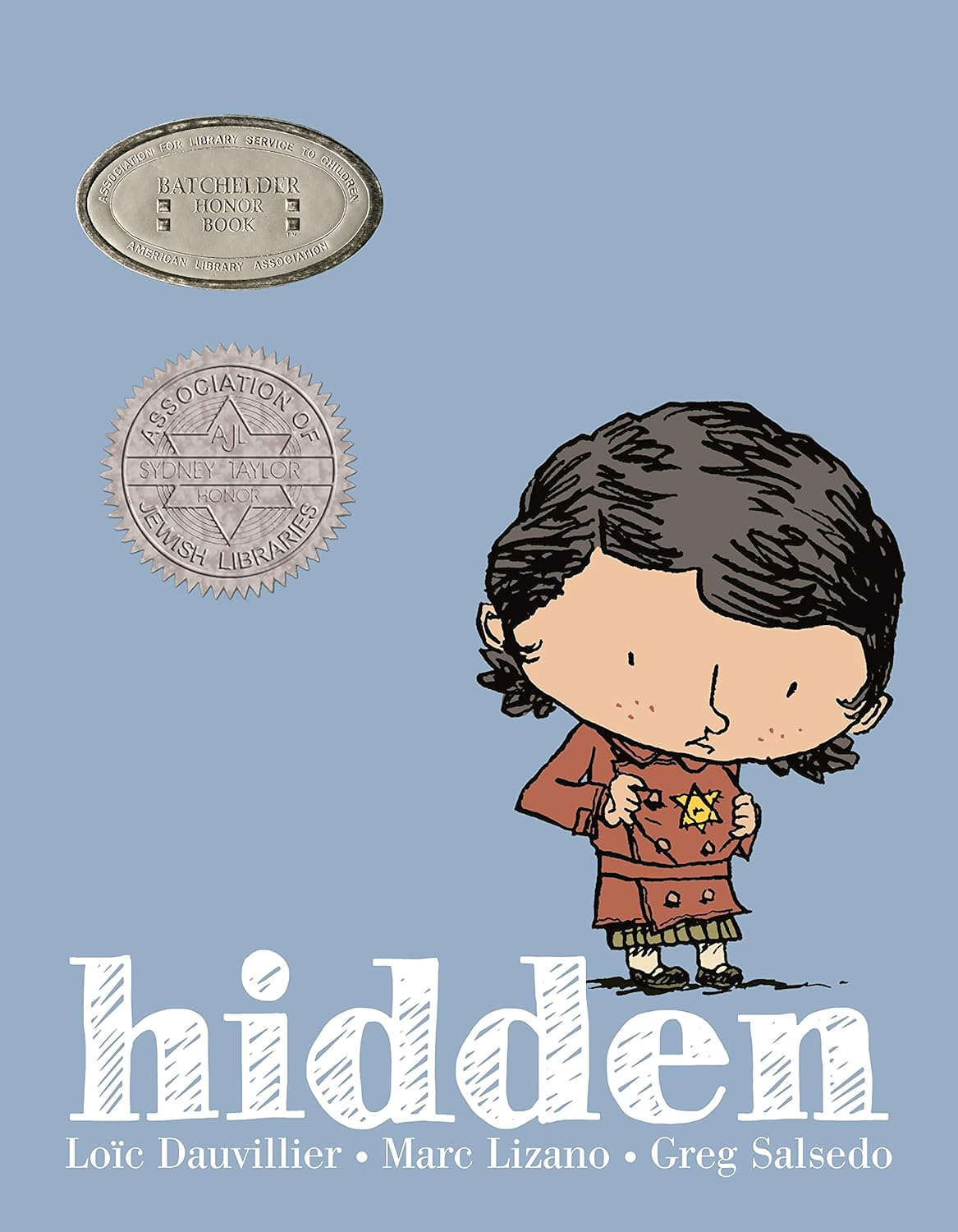
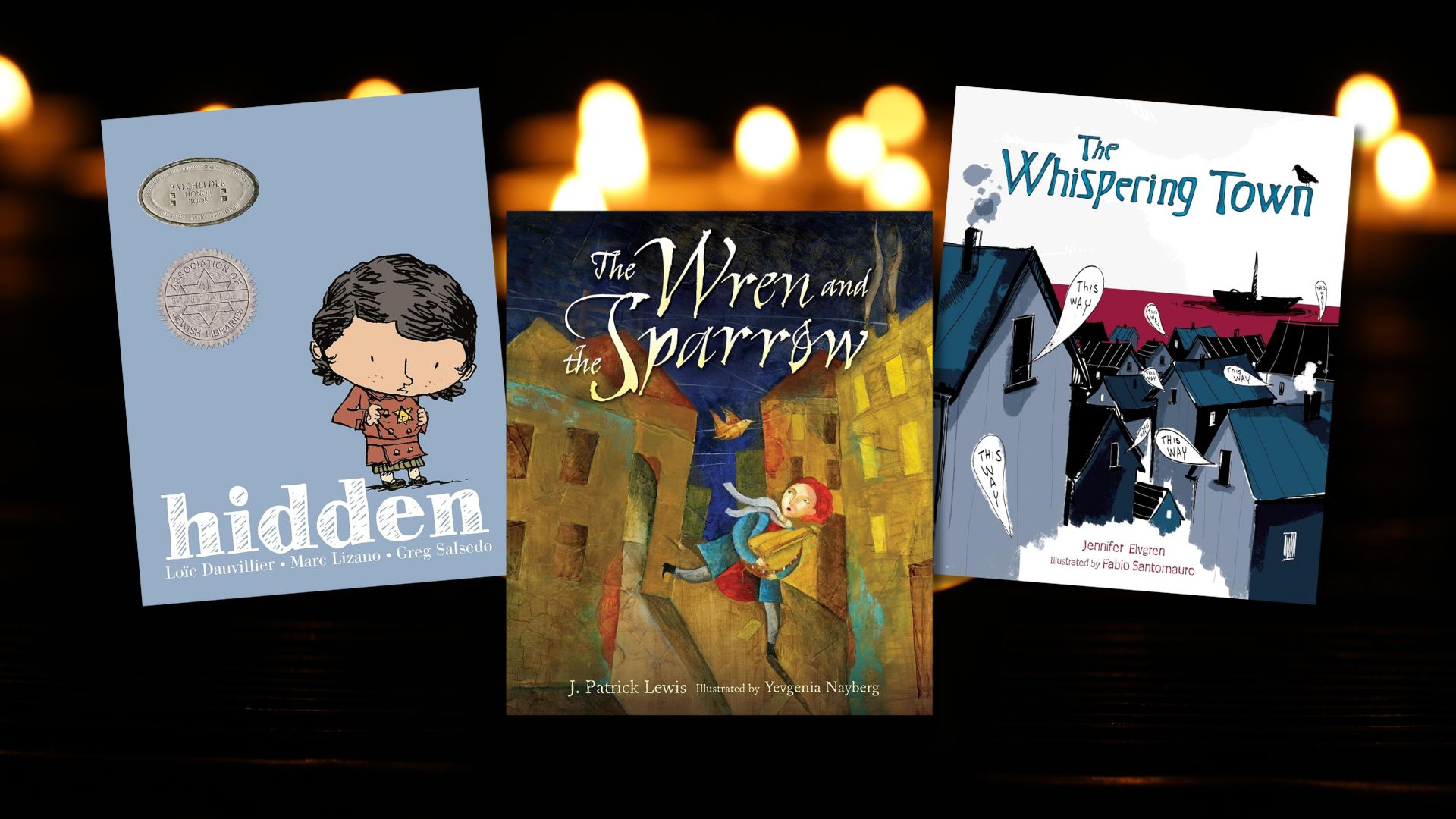
Don’t let the endearing, childlike art of Lizano fool you: this is one of the more difficult reads on this list. After elderly Dounia wakes from a nightmare, her young granddaughter suggests talking about the bad dream to feel better. This leads to Dounia telling a story that she has long hidden about her childhood in Nazi-occupied Paris, one that chronicles her family’s experience of being forced to wear the Star of David and being separated when her parents are imprisoned in concentration camps. Dounia survives via the charity of friends and neighbors who hide her from the Nazis, yet lives in perpetual fear and worry for her family. Dauvillier commits to telling the story from a child’s point of view, with all the heartbreaking optimism and crushing blows from reality that entails. It’s not an easy read, but it is an important one for readers of every age.
The Tree of Life: How a Holocaust Sapling Inspired the World by Elisa Boxer, Illustrated by Alianna Rozentsveig
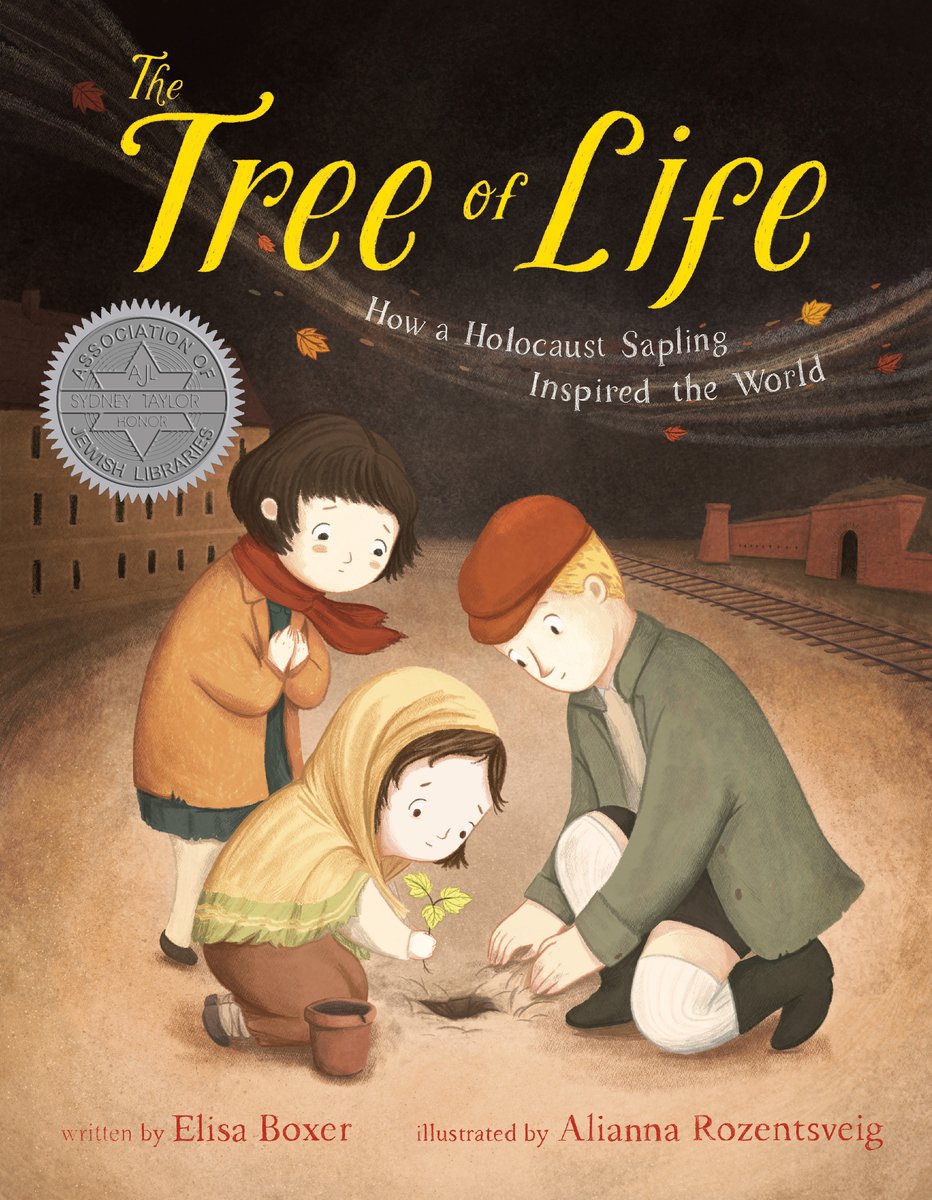
In Czechoslovakia, the Jewish children imprisoned in the concentration camp Terezin were allowed to attend a Nazi propaganda school. One sympathetic teacher, Irma Lauscher, even smuggled in a small maple sapling for her students to plant and care for to keep their spirits up, a task that the students embraced with utter devotion. Yet as the tree grew and thrived, the children caring for it became weaker and sicker, many of them disappearing as they died from exposure, illness, and lack of food. Still, the children endeavored to keep their sapling alive until the last of them boarded trains for Treblinka and Auschwitz, where most were ultimately murdered — less than 150 children of the original 15,000 survived. A devastating story that is told with sensitivity and dignity, Boxer and Rozentsveig encourage readers to not only remember the tragic loss of the children of Terezin but also what their hope and perseverance wrought: a tree of life that now has 600 descendants planted throughout the world.
The Wren and the Sparrow by J. Patrick Lewis, Illustrated by Yevgenia Nayberg
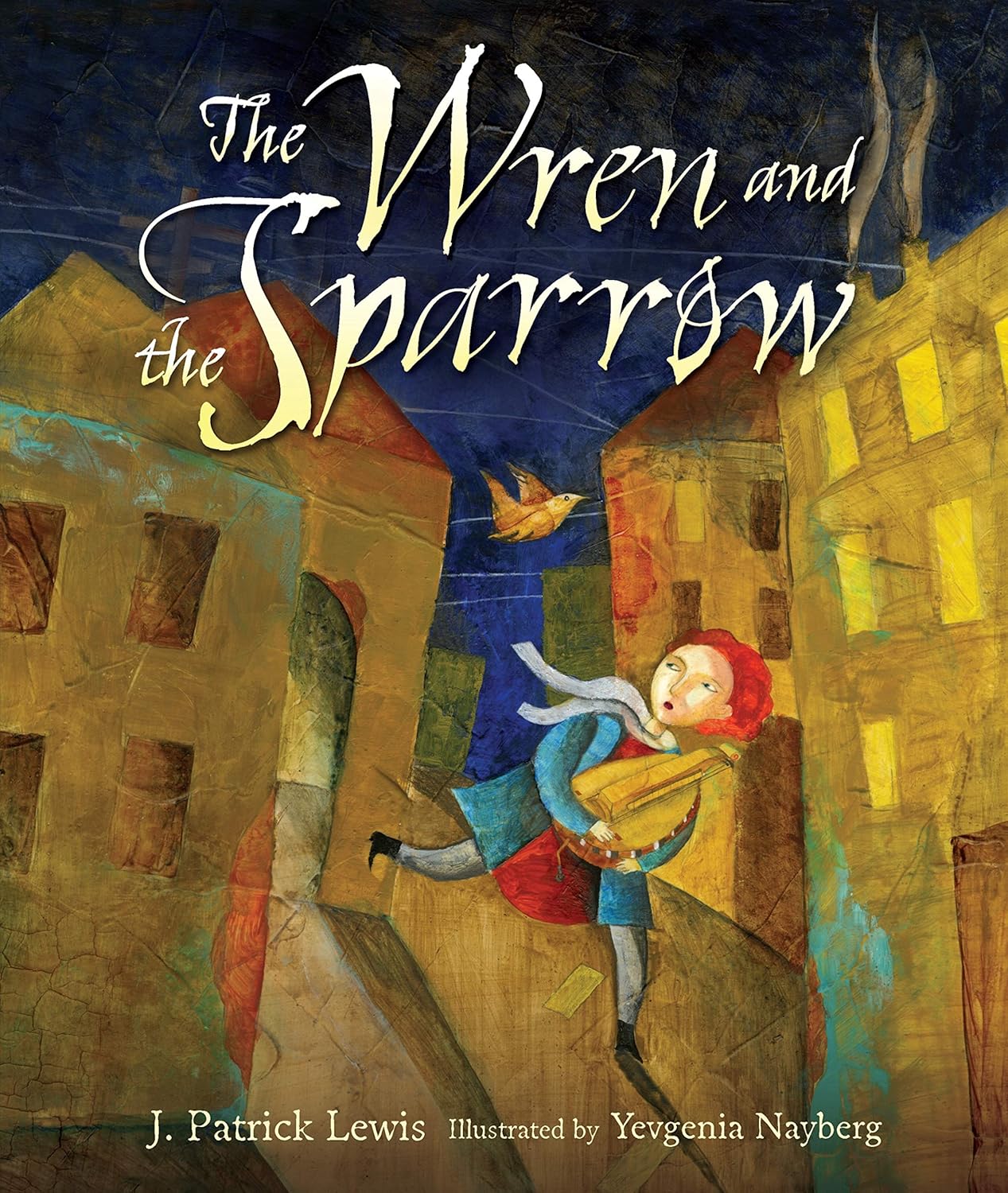
This fable opens in a Polish town that is home to an elderly musician, the Wren, and his child protege, the Sparrow. Under Nazi occupation and the grip of “the Tyrant,” the town has been left with few hints of its former state. One day, the Nazis announce that the townspeople must surrender their musical instruments, but the old man begs to play one more tune. When the gathered crowd rises up to join him in song, the Nazis are unsettled and drag the Wren away; he is never seen again. Young Sparrow manages to save his instrument, however, and pass it down to future generations with the plea that their town’s plight never be forgotten. Lewis’s lyrical text and Nayberg’s beautiful illustrations weave a powerful tale of remembrance that endures long after the final page.
Talking about the Holocaust with children is not an inviting task, but it is one that we should all endeavor to do: it pays respect to the victims of this senseless tragedy and allows children to understand that sometimes people are cruel to one another in ways that seem unimaginable but are sad realities of the past and present. Yet it can also teach them the importance of kindness and generosity, courage and resilience, and standing up to injustice and bigotry. We hope that you and your young readers will find that the lessons from these books touch your heart just as they did ours.
For more children’s books that encourage inclusivity and acceptance, check out this list of 10 Children’s Books That Teach About Diversity.
To see all of our recommendations for mini bookworms, check out our Bookshop bookshelf.