








Trigger Warning: The mention of antisemitism, Nazism, and the Holocaust may be triggering for some readers. Please exercise personal care when reading.
The Jewish population has, unfortunately, been a common target throughout history. This pattern of marginalization has found its way into literature many times over through the use of archetypal characters and story tropes. All genre styles, from ancient fairytales to modern novels, contain subtle and blatant streaks of antisemitism. Even the theatrical world isn’t free from stereotypes. The 16th-century Italian theatrical style, commedia dell’arte, was responsible for creating many of the character tropes we recognize today, including Pantalone, a miser with a large, hooked nose.
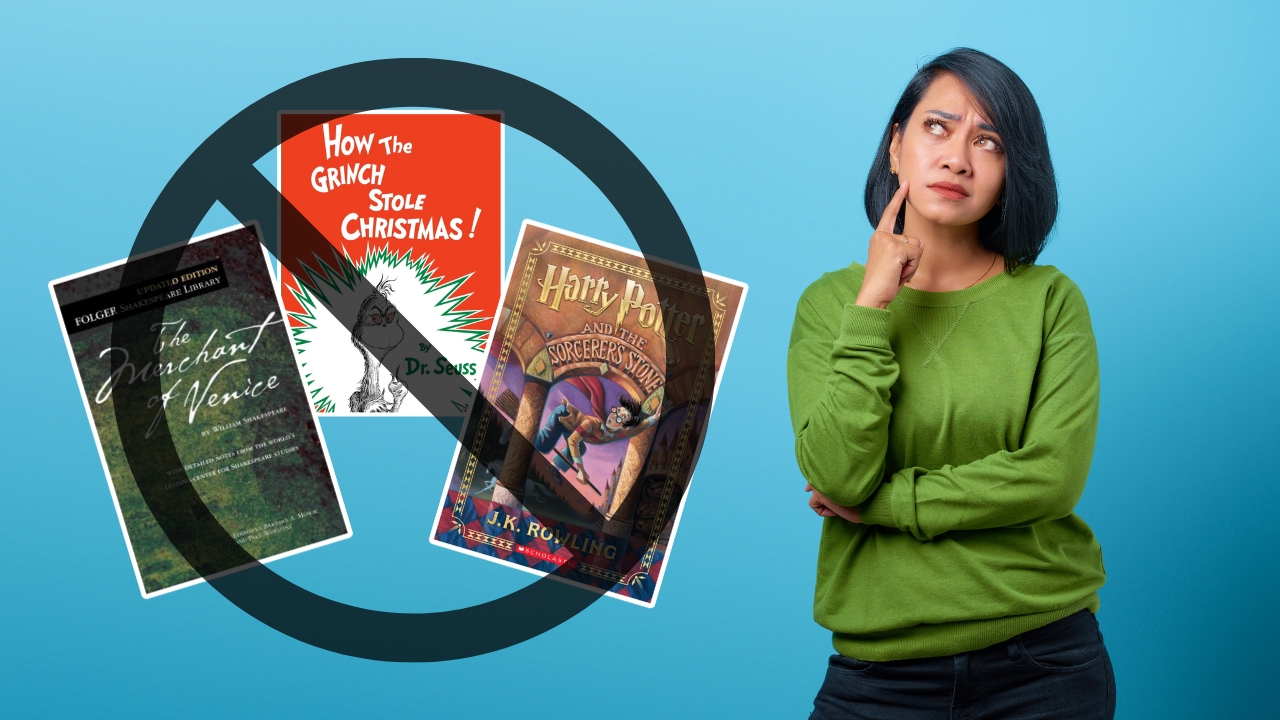
Join us as we take a closer look into seven books with antisemitic tropes and discuss the harm perpetuated by these stereotypes.
Rumpelstiltskin, featured in Grimm’s Complete Fairy Tales by Jacob and Wilhelm Grimm
Rumpelstiltskin falls into the antisemitic trope of the Jewish moneylender. In this ancient fairytale, the imp Rumpelstiltskin strikes a deal with a young girl: he will spin her straw into gold in exchange for her firstborn child. When he comes to collect, the girl begs him to reconsider, and Rumpelstiltskin says he will assent if she can guess his name in three tries. The girl is eventually able to discover his name and save her baby.
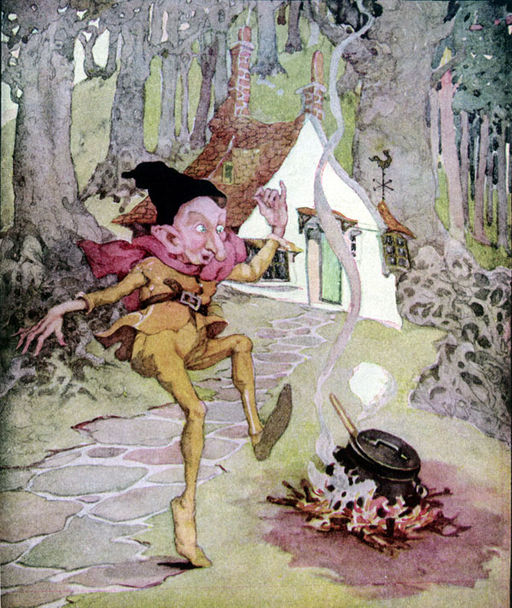
The character of Rumpelstiltskin is portrayed as greedy and often depicted with a hooked nose. His obsession with babies comes from an ancient conspiracy theory that European Jews kidnapped and murdered Christian children for blood rituals. Many Jews were unfairly accused and executed for such crimes in medieval Europe. Some versions of Rumpelstiltskin even insinuate that he plans to eat the baby.
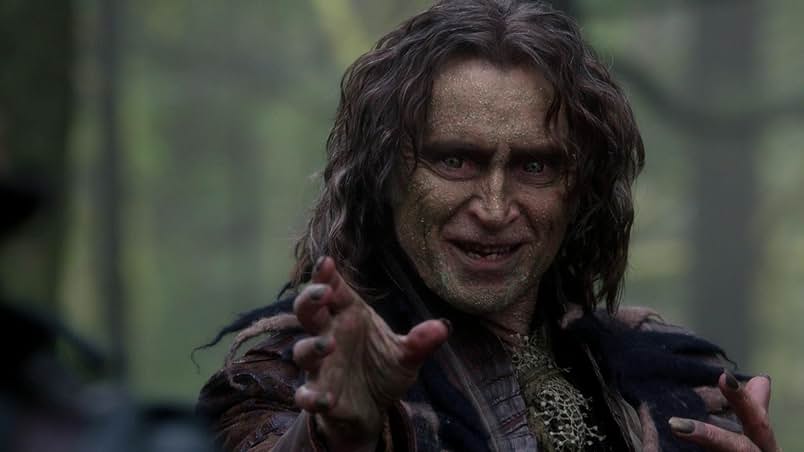
The Brothers Grimm first immortalized Rumpelstiltskin in their compendium of fairytales and folktales in 1812. Since then, the character has continued to show up in pop culture, most notably in Once Upon a Time and Shrek Forever After. Though contemporary portrayals tend to veer away from more obvious caricatures of the large, hooked nose and peaked hat, Rumpelstiltskin is still depicted as money-obsessed and untrustworthy. In Once Upon a Time, his character is even named Mr. Gold.
The Merchant of Venice by William Shakespeare
Another iteration of the Jewish moneylender trope can be found in Shakespeare’s play The Merchant of Venice. Unlike in Rumpelstiltskin, the character Shylock is explicitly said to be Jewish in the text. In the play, Shylock loans money to the Christian character Antonio, warning him that he will take a pound of flesh if he defaults. When Antonio fails to pay back the loan, another character named Portia disguises herself as a lawyer to argue on his behalf. Her wit and logic find a loophole in Shylock’s deal to get Antonio free. As punishment, Shylock is forced to convert to Christianity.
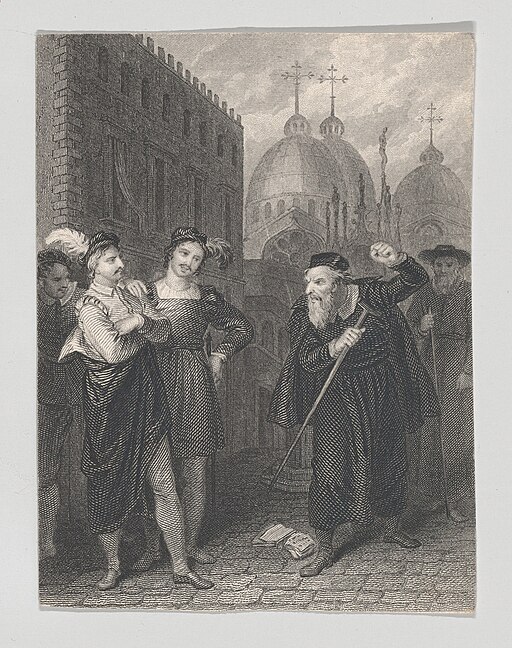
William Shakespeare did not know any Jews, so his characterization of Shylock was based entirely in archetypal lore. Though the play is a comedy, Shylock is cast in a villainous light, and the Christians are portrayed as the good heroes. Historically, performances of the play also dip into caricature, with many actors donning a large false nose to play Shylock. During WWII, the Nazis famously lauded this play, with over 50 productions being performed between 1933 and 1939. Some Nazi directors would even plant audience members to hiss and boo every time Shylock entered onstage.
It is important to note that scholars are divided over the supposed malicious intent behind Shakespeare’s characterization of Shylock. An early version of the script leaned farther into comedy, so many experts believe that The Merchant of Venice could actually be an exploration of antisemitism rather than intentionally hateful.
Harry Potter Series by J.K. Rowling
J.K. Rowling’s Harry Potter Series features many common fantasy characters, including goblins. Traditionally, goblins have always been an antisemitic part of folklore, depicted with hooked noses and an obsession with gold. They are also characterized as ugly creatures; the sentiment that Jewish features are inherently ugly is based on antisemitic hate. Rowling’s goblin characters are indeed greedy, and in the novels, they operate Gringotts Wizarding Bank. In the final book, Harry Potter and the Deathly Hallows, the trio even strike a deal with the goblin Griphook for information. They agree to trade the Sword of Gryffindor, which Griphook covets due to its value and glittering appearance.
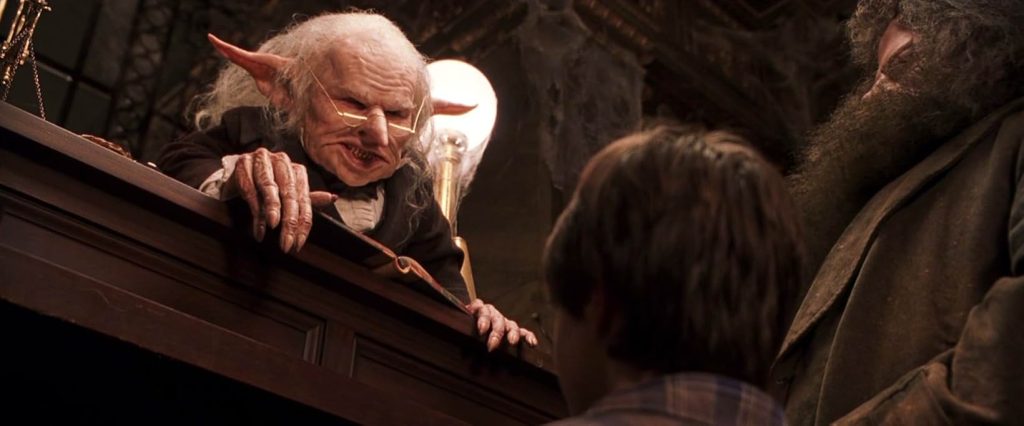
Since goblins have been a part of cultural lore for centuries, J.K. Rowling is by no means the first author to use this antisemitic character in her books. Other fantasy writers, such as J.R.R. Tolkien, have also used goblins in their novels. Now, the inclusion of an iconic fantasy creature that happens to have an antisemitic history is not a bad thing in and of itself. But when engaging with these texts, it is important to consider the impact that these caricatures have on Jewish communities.
A Christmas Carol by Charles Dickens
The character Ebenezer Scrooge in Charles Dickens’s classic tale, A Christmas Carol, is the antisemitic archetype of the miser. Scrooge works in a counting-house and hoards his money; he won’t allow his employee, Mr. Cratchit, to use coal to heat his workstation because Scrooge does not want to pay the expense. The antisemitic theming is also compounded by the fact that Scrooge refuses to celebrate Christmas.
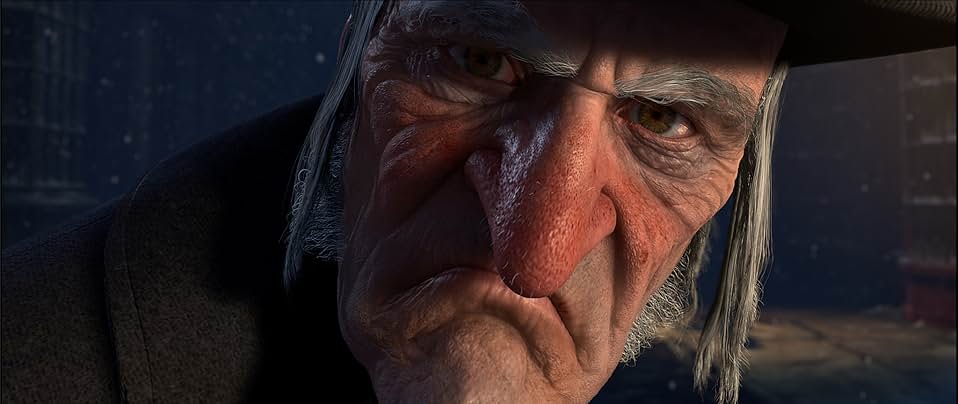
The miser character trope is based in antisemitic beliefs that Jews are greedy and conniving with their money. While Scrooge does need to learn a lesson about humanity, Dickens’s choice to frame the entire story around his rejection of the Christmas season feels intentional. Most depictions of Scrooge — both in illustrations and films — show him with a hooked nose.
How the Grinch Stole Christmas by Dr. Seuss
Similar to Scrooge, the Grinch has a deep-seated hatred for Christmas. However, the Grinch does not entirely fit into the miser archetype, since he is not a rich character. Instead, the Grinch falls into a subtler antisemitic trope: the shifty outsider. The Grinch lives an isolated existence in the mountains above Whoville, and he noticeably looks different from the Who population. This, coupled with his anti-Christmas sentiments and lack of a true character name, other him from the goodhearted Whos.
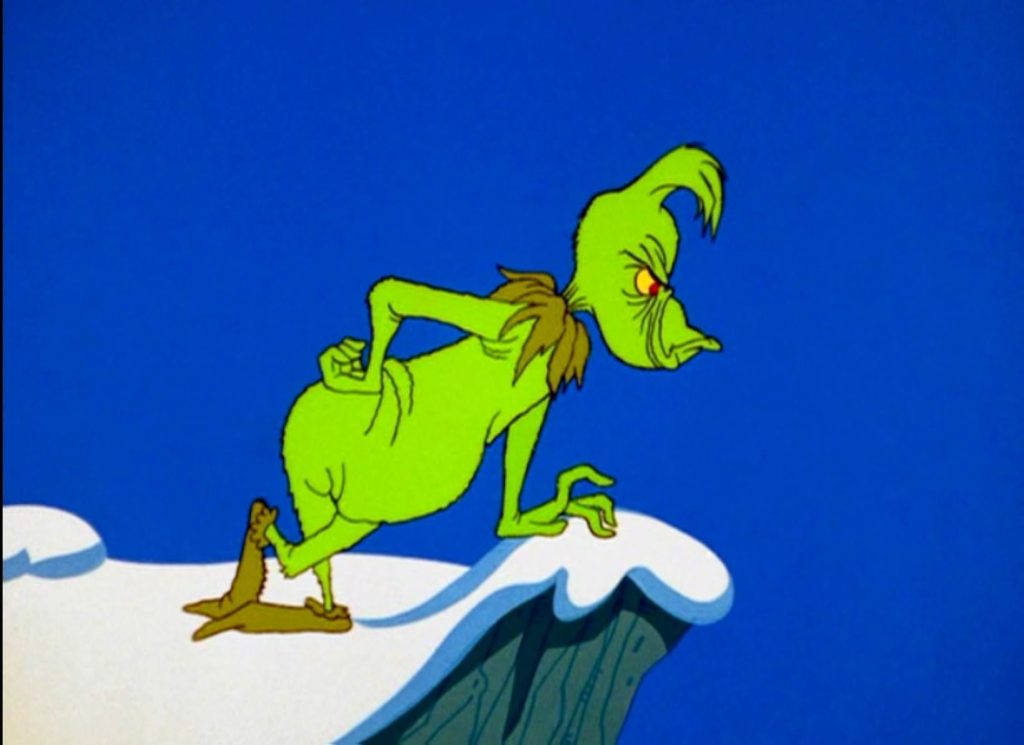
Because Jews have historically been a marginalized community, they have often been seen as untrustworthy outsiders. This isolation made them a frequent target for scapegoating and persecution, most notably during the Spanish Inquisition and the Holocaust. In Dr. Seuss’s story, the Grinch is only accepted when he assimilates into Who culture. As with Scrooge, the Grinch’s lesson on compassion is necessary, but it doesn’t negate the antisemitic themes hiding within the story.
The Prioress’s Tale, featured in The Canterbury Tales by Geoffrey Chaucer
The Prioress’s Tale draws on the Jewish blood libel conspiracy, where Jews in medieval Europe were falsely charged with murdering Christian children for blood rituals. In the story, a young, devout boy walks through the Jewish ghetto on his way to school every morning, singing a Christian hymn. Spurned by hate and the wrath of Satan, the Jews eventually kill the boy and dispose of his body. When his grief-stricken mother discovers her dead son, the chief magistrate, goaded by the Christians, orders all the Jews in the town to be killed in retaliation.
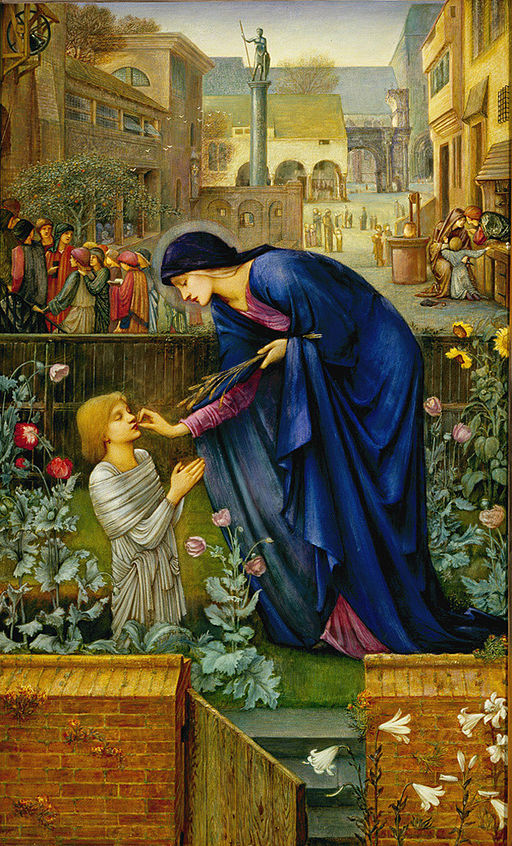
This violent tale references the real tragedy of Little Saint Hugh of Lincoln, an English boy who was murdered in the 13th century. Over 90 Jews were arrested and falsely accused in connection to his death, and 18 of them were executed for the crime. Though there was no evidence for their involvement, Geoffrey Chaucer’s story clearly insinuates that the Jews are murderous and irredeemable.
The Witches by Roald Dahl
During his lifetime, Roald Dahl openly expressed antisemitic views, and his book The Witches is riddled with harmful stereotypes. The Grand High Witch is said to control a widespread hidden network of other witches and prints money, providing them with endless funds. This motif draws from the antisemitic conspiracy that Jews secretly control the world and mainstream media. The titular witches also wear wigs to hide their true hideous appearance, a mocking allusion to Orthodox Jewish women, who cover their hair with various head coverings — including wigs, or sheitels — in observance of modesty practices.
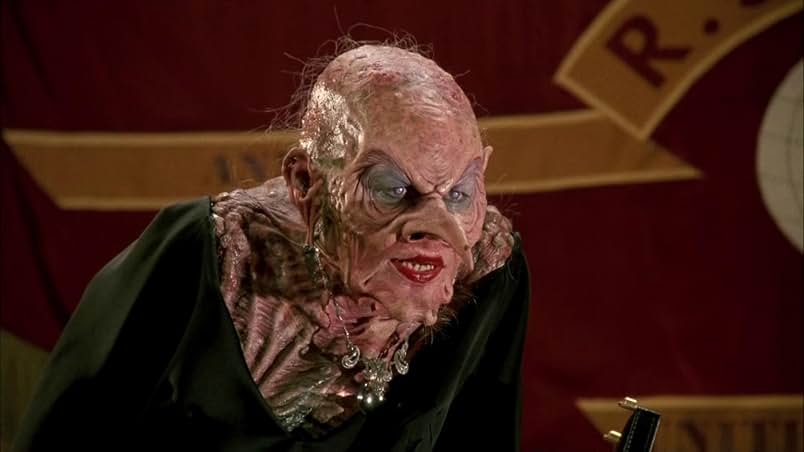
Like goblins, witches are archetypal fantasy characters with a deeply rooted antisemitic history. Across pop culture, witches are depicted as wicked, ugly women with large, hooked noses. It is also common for witches to scheme to eat children, as seen in stories like Hansel and Gretel. In Dahl’s book, the witches instead plan to turn all the world’s children into mice, but like Hansel and Gretel, they plan to use candy to lure the children into their trap.
Now that we’ve discovered antisemitism hiding in popular stories, does this mean that we should never enjoy these books again? Not necessarily. Instead, we should always strive to evaluate the content we engage with and work to unlearn the unconscious biases we have accumulated from harmful stereotypes. A good reader is a critical reader.
For a list of books that combat antisemitism, click here.
Visit our Diverse Jewish Voices bookshelf on Bookshop.org for recs by great Jewish writers.