







Classic novels have gone through many adaptations over the years. Recently, manga adaptations have been added to the list as well. While certainly unconventional, this fresh idea may help introduce classics to people who have never read them before. (Let’s face it — classics are notoriously challenging to read.) There are also many differences between the individual adaptations, some of which will be discussed below as well.
Note: It’s also important to note that manga books are bound backward and intended to be read from back to front, from right to left.
Pride and Prejudice by Stacy King and Po Tse
Mr. Bennet, a country squire, and his wife, Mrs. Bennet, live in a small English village with their five lively daughters: Jane, Elizabeth, Mary, Kitty, and Lydia. Mrs. Bennet does her best to marry her daughters off to rich, high-status men so they can be cared for and not have to worry about money, as the Bennets are not wealthy. In the middle of this exciting work are the headstrong Elizabeth and Mr. Darcy, her suitor, who must overcome their pride and prejudice before their love can truly blossom.
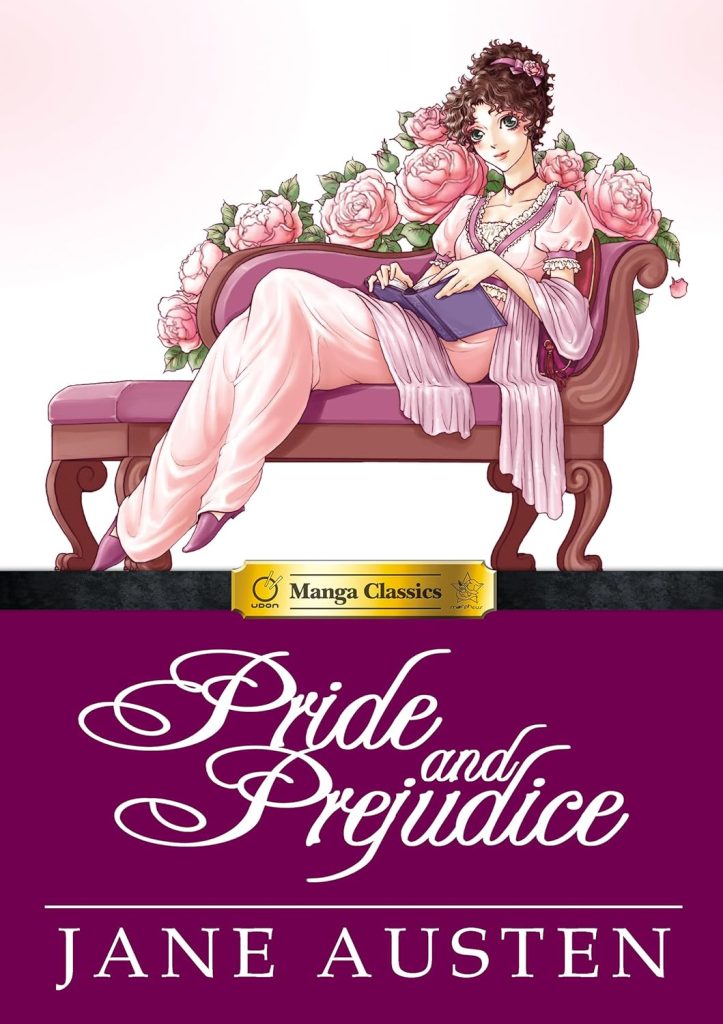
This isn’t an exact word-for-word adaptation, since that would be impossible in a manga, but it follows the plot closely with only minor details changed. The adapter, Stacy King, and the artist, Po Tse, also put their own touches on this adaptation, such as adding mini-comics that add their own interpretations and thoughts on the original novel.
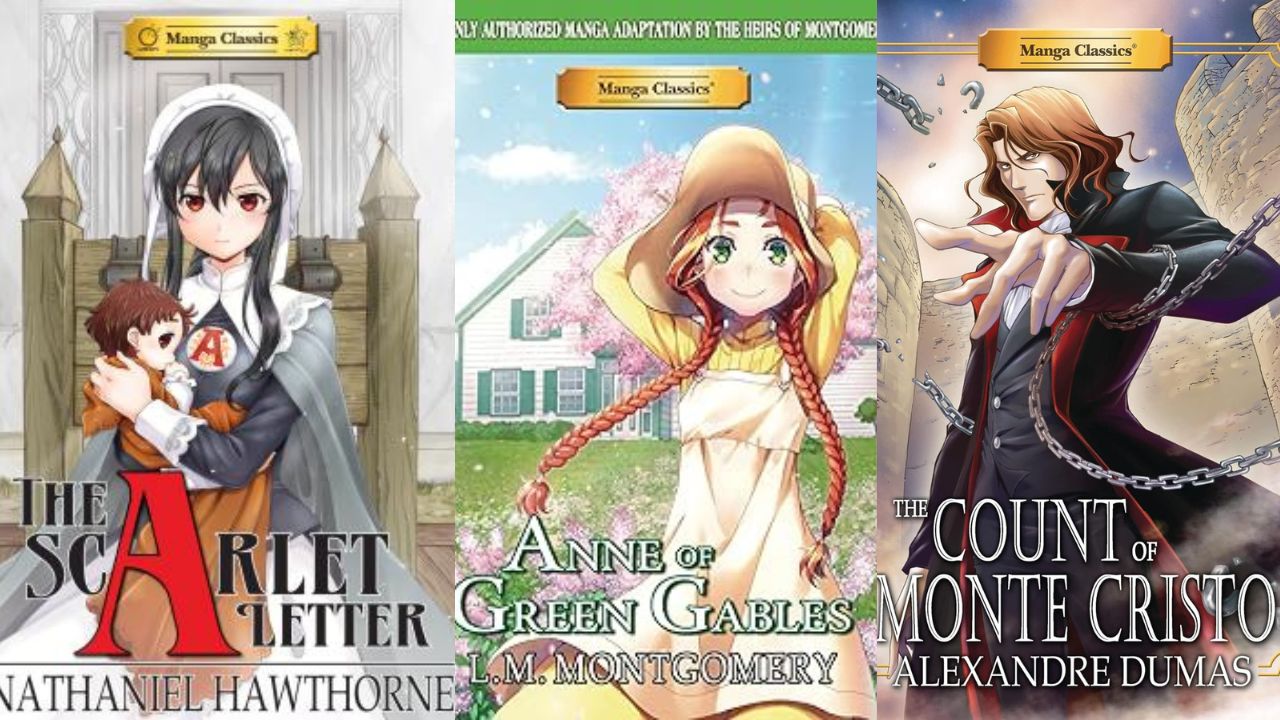
The Count of Monte Cristo by Crystal S. Chan and Nokman Poon
Edmond Dantès is a merchant sailor who was falsely imprisoned on the day of his wedding to Mercedes. He was sentenced to life and managed to escape after many years in prison and emerged as the Count of Monte Cristo. With his new identity, fortune, and education, he plots his revenge against those who had him falsely imprisoned, and who no longer recognize him.
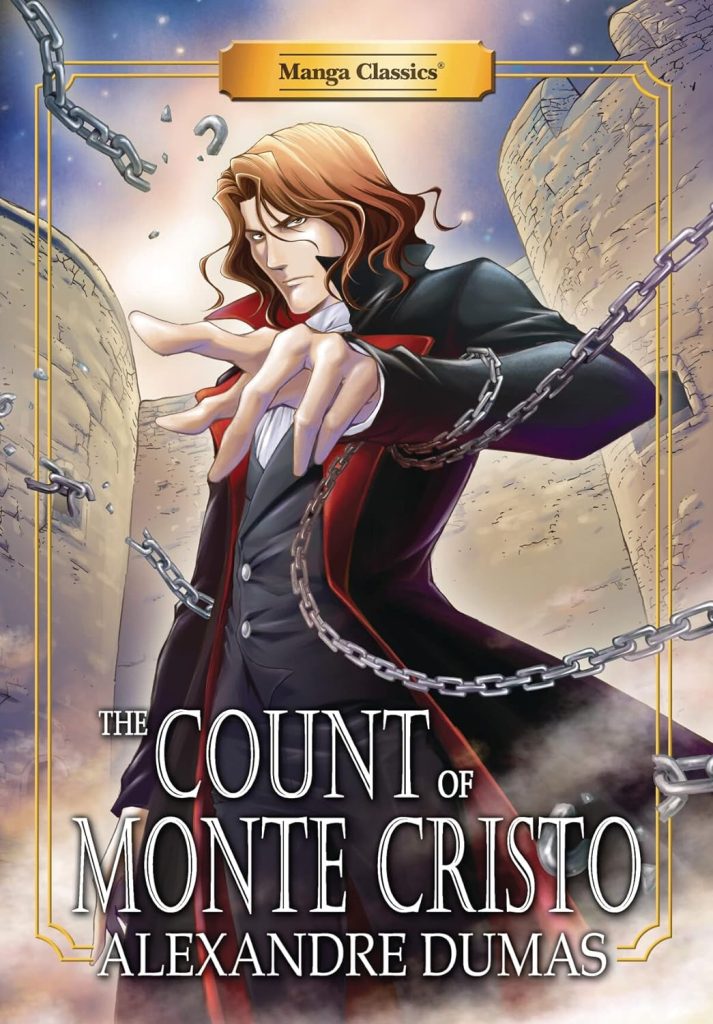
Since the original Count of Monte Cristo is so long — some versions have over 1,000 pages — and the manga are standalone, some details and minor plot points had to be either cut or told through exposition. One example is that the focus is mostly on Dantès rather than having multiple POVs. There is also a character relationships chart on the back of the physical copy of the manga since there are so many characters.
Les Misérables by Crystal S. Chan and SunNeko Lee
In 19th-century France, during the French Revolution, Jean Valjean, a former convict who has been hunted by police for a long time after breaking parole, agrees to take in a former factory worker’s daughter after her death. This changes their lives forever, and a breathtaking and tragic story full of death, greed, and love unfolds.
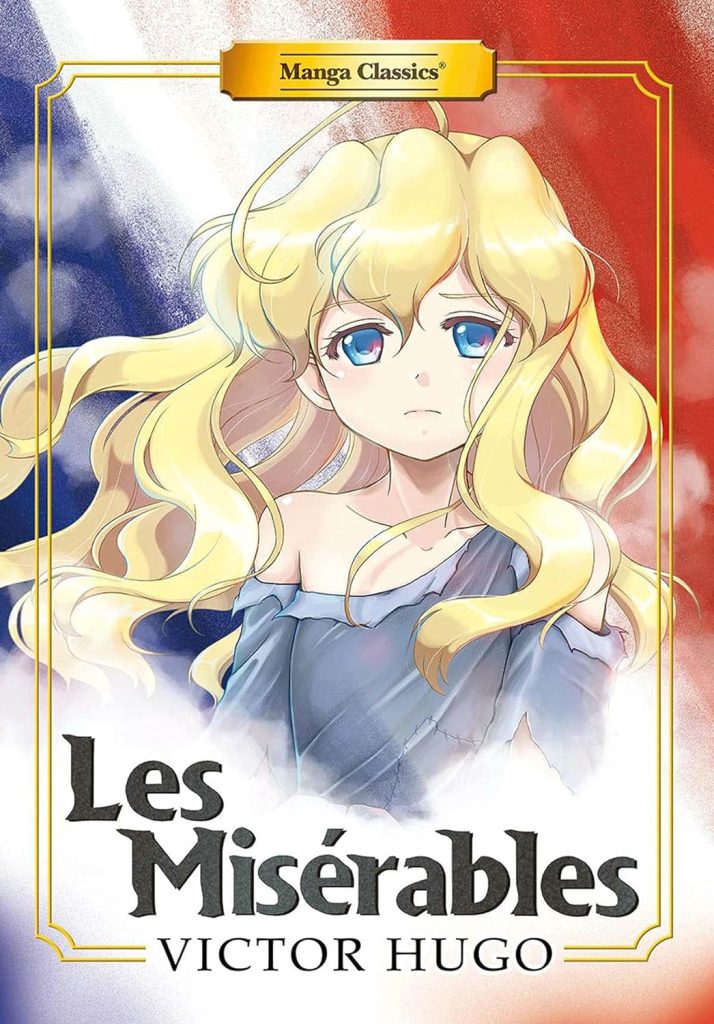
Many details had to be cut to condense this story into one book, so some plot lines were reduced. Fantine isn’t given much page time, and the history of the uprisings is only glossed over. This means that some plot points are simplified, and it makes the book a little less dark than the original.
The Scarlet Letter by Crystal S. Chan and SunNeko Lee
Hester Prynne has an illegitimate child but refuses to say who the father is. She is ostracized and horribly treated by the townspeople where she learns about the complexities, as well as the good and the bad, of the human spirit. This tale of love, revenge, shame, guilt, and anger, while set during the Colonial American period in a Puritan town, is timeless.
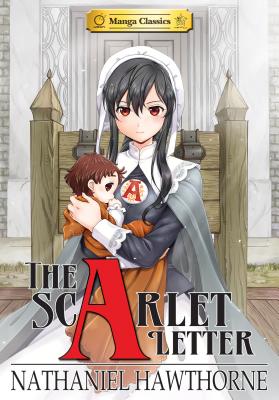
The Adapter, Crystal S. Chan, and the artist, SunNeko Lee, added small touches throughout the manga to help communicate details that had to be cut to fit the story. For example, the manga is drawn in black and white except for Hester’s bright red “A” pinned to her clothes to show the weight of her “sin.”
Jane Eyre by Crystal S. Chan and SunNeko Lee
This story is a social and moral criticism of Victorian society, told through a poor orphan named Jane Eyre. She is abused by her aunt and then sent off to charity school. She faces further abuse at school but graduates and lands a job as a governess for Edward Rochester’s niece. Jane and Rochester start to bond, but she eventually discovers his terrible dark secret and has a decision to make.
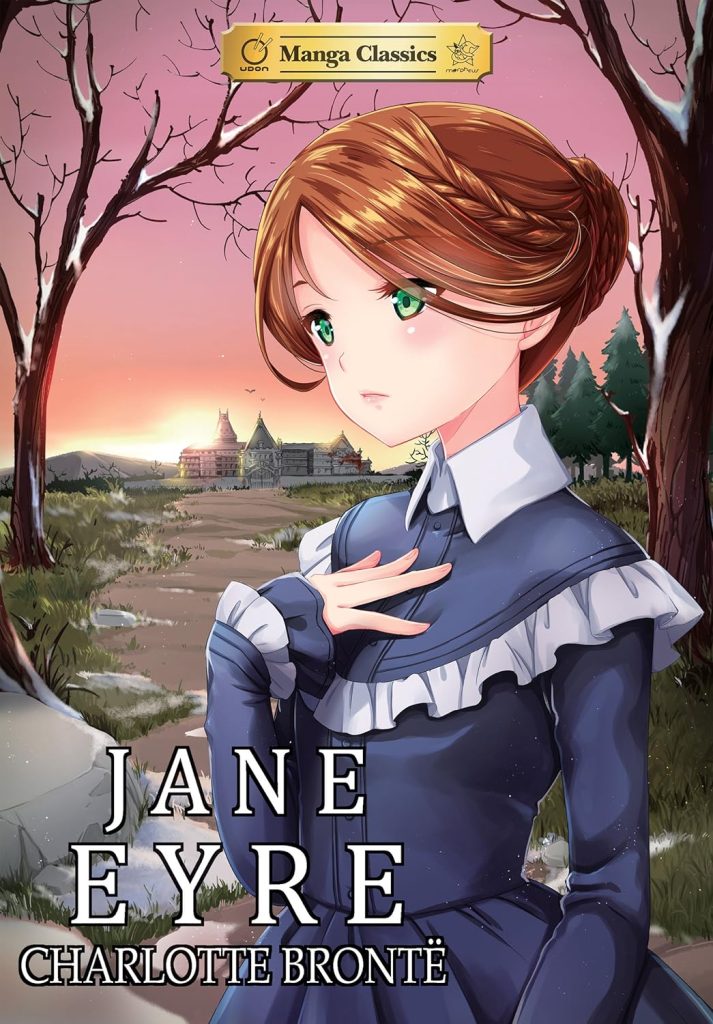
The manga sticks close to the story but does soften some of the darker points of the story. It doesn’t shy away from how dark the original was, but the changes make it a little easier to read, such as not showing the entirety of Jane’s abuse and suffering.
Great Expectations by Crystal S. Chan and Nokman Poon
This tale follows the poor orphan Pip who was a teenager when he received a fortune from a mysterious benefactor. He entered high society and abandoned those who had been there for him before he got money, and got humbled by his arrogance by the end.
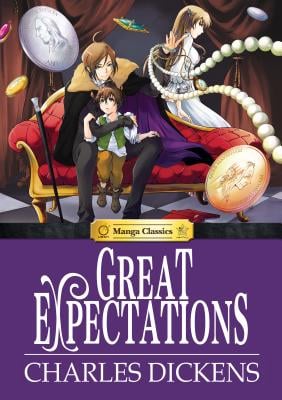
The manga has been updated to make it more modern and easier to read. It isn’t an exact portrayal, and it strays further than other manga on this list, but the main plot remains. The ending is also different than both of the endings Dickens wrote for his novel. I won’t spoil it, but I will say that the manga sort of combined both endings.
Anne of Green Gables by Crystal S. Chan and Kuma Chan
Siblings Marilla and Matthew Cuthbert planned on a dopting a young boy to help them on their farm on Prince Edward Island. Instead, they somehow ended up adopting Anne Shirley, an energetic and curious young redheaded girl with a vivid imagination. Her arrival changes both the Cuthbert siblings and the rest of the community.
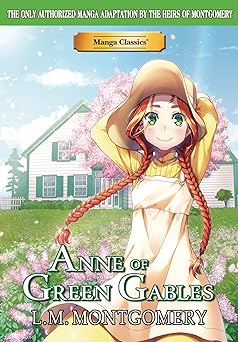
Some scenes are missing in order to fit the whole story, and the plot jumps around a bit in some places rather than flowing smoothly as in the original. This also means that the manga focused more on a single, linear storyline rather than the small moments that filled the original.
There are so many other amazing manga adaptations of classic novels. This list is only a starting point.
For more on manga, click here.
Browse the Manga Shelf on Bookstr’s Bookshop page!