









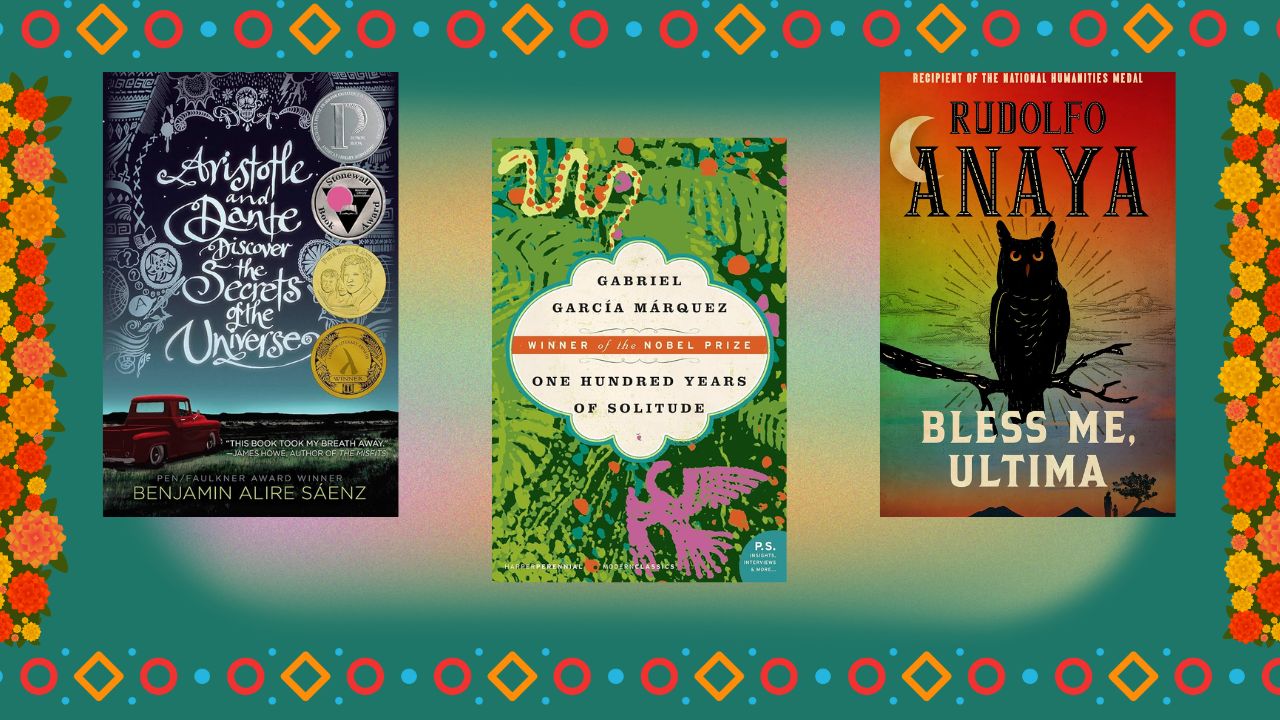
So many book bans target the most marginalized groups, erasing their stories and making people, especially youth, feel invisible. When books like this are singled out and removed from schools or libraries, it makes it more difficult for people to see themselves, and for others to learn about and empathize with experiences different than their own. Reading helps us better understand ourselves and those around us, and book bans simply hurt that process. Instead of letting these books be forgotten, let’s take a look at five banned books that feature fascinating Latino characters and depict the fullness of their lives.
One Hundred Years of Solitude by Gabriel García Márquez
Considered a defining entry into the magical realism genre, One Hundred Years of Solitude spans seven generations of the Buendía family in the fictional town of Macondo. It not only tells their story but also covers the sociopolitical situation of Latin America over a hundred years. The novel was originally written and published in Spanish.
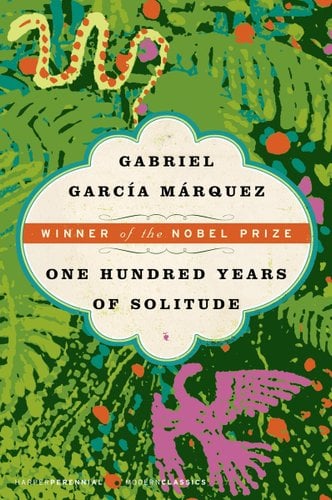
This book has been banned in the past due to its sexually explicit content and use of profanity. Additionally, it has been targeted for its portrayal of religion.
The House on Mango Street by Sandra Cisneros
This well-known coming-of-age novel tells the story of 12-year-old Esperanza Cordero, a Latina girl growing up in Chicago. It describes a year of Esperanza’s life through small, specific moments as she grapples with who she is and who she will become, influenced by her ethnicity and gender.
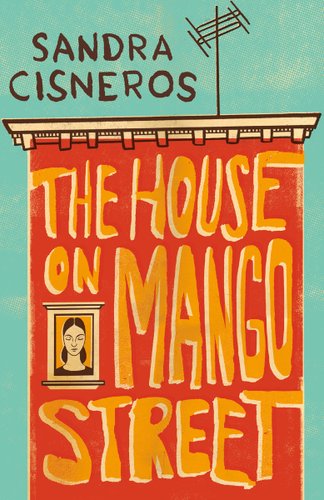
Though The House on Mango Street is often required reading in many schools, it still is the victim of book bans because of its coverage of serious topics, like sexual assault, racism, and domestic violence. Some proponents of these bans argue these subjects are too mature for students.
Bless Me, Ultima by Rudolfo Anaya
Set in New Mexico in the 1940s, this coming-of-age novel follows Antonio Márez y Luna and his relationship with Ultima, a curandera (or an indigenous Latin American healer), who moves to his community. With Ultima’s guidance, Antonio navigates Catholicism, native beliefs, and the sudden modernization of the world around him. The book provides a fascinating look at Chicano culture and indigeneity.
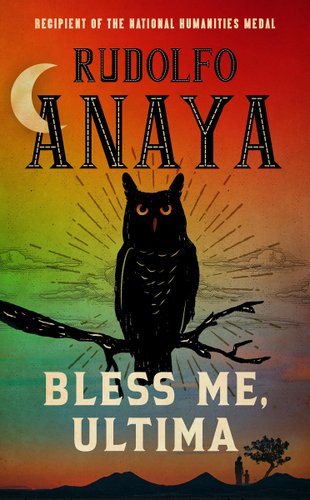
Bless Me, Ultima is often targeted by book bans because of its inclusion of violence, profanity, and sexual themes, as well as its overall portrayal of Latino experiences. It’s also been criticized for its portrayal of religion and supposed “occult beliefs.”
Aristotle and Dante Discover the Secrets of the Universe by Benjamin Alire Sáenz
This is yet another coming-of-age novel that takes place in El Paso, Texas in 1987, and it follows two Mexican-American teens, Aristotle “Ari” Mendoza and Dante Quintana, as their new friendship blossoms into love. The two must navigate their feelings, their identities as gay men, and how these things fit within their culture.
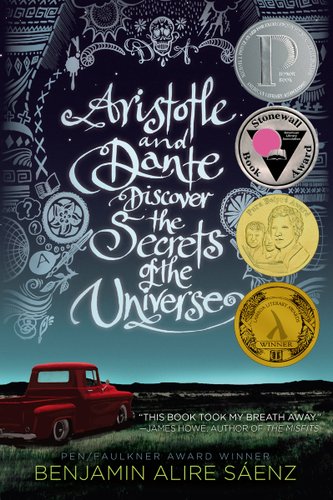
The main reason Aristotle and Dante Discover the Secrets of the Universe is banned is because of its queer romance and depictions of homophobia. The novel’s discussions of sex and drugs are also noted as reasons it has been banned.
Out of Darkness by Ashley Hope Pérez
This historical fiction novel takes place in the 1930s in New London, Texas. It tells the story of Naomi Vargas, a Mexican-American teen, and Wash Fuller, an African-American teen, who fall in love. Together, they have to face the judgements and violent racism of those around them who don’t understand their love.
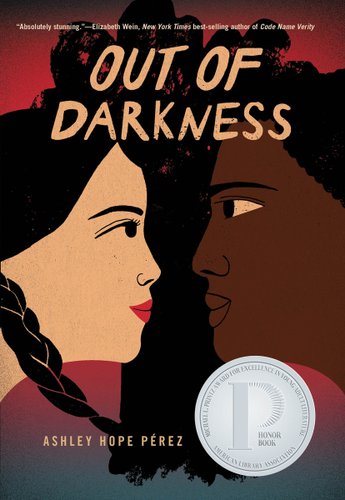
Because Out of Darkness contains frank depictions of systemic racism, violence, sexual abuse, and domestic violence, it is often banned. It also contains profanity and other sexually explicit content, which are other reasons it has been targeted.
Banned books are worthy of our time and attention. Whether you’re Latino or not, each of these books has something important and impactful to teach about culture, identity, and storytelling. Hopefully this list will help you discover a new favorite book you can share with those that need it the most.
Want to find even more Latino representation in novels? Click here.
Find these books and more on our Hispanic/Latinx Recommendations bookshelf on Bookshop.org.