















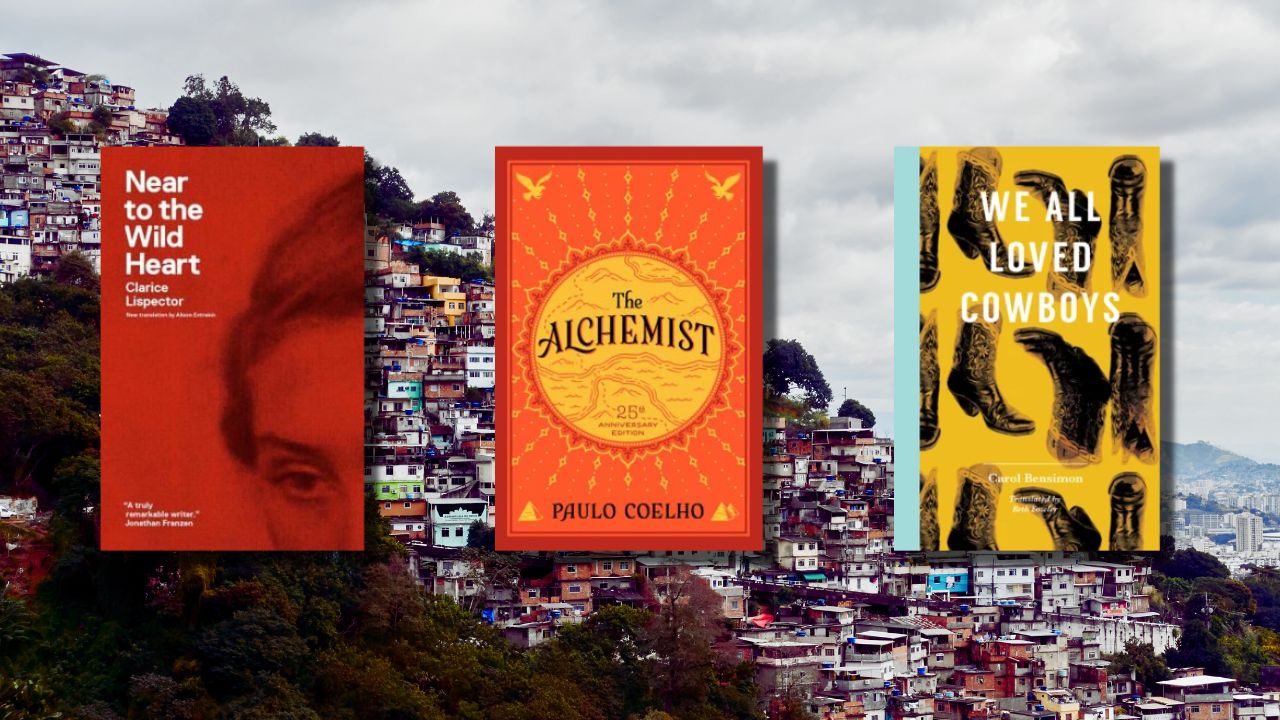
This week at Bookstr we’re taking a deeper look into the lives, perspectives, and bodies of work of five fantastic Brazilian authors. From the streets of Rio de Janeiro to the coasts of Recife, these authors capture Brazil’s complexity in unique and powerful ways.
Clarice Lispector
Clarice Lispector (1920-1977) was a renowned Brazilian writer and journalist with a vast global education. She was born to Jewish immigrants in Ukraine and moved to the coastal town of Recife when she was just two months old. After moving around northeast Brazil, she relocated to Rio de Janeiro to study penal law. At the same time, she was working as a journalist and editor for multiple Carioca newspapers in addition to the student newspaper. Additionally, she spent time in Switzerland, Italy, and England, and her sense of global cultures was apparent in her writing.
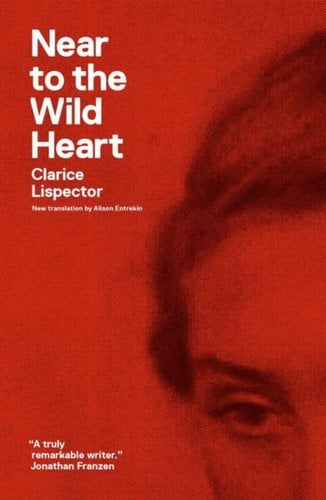
Her prose is introspective and innovative, exploring themes of personal identity, existentialism, and is consistent with its emotional intensity. Her first novel, Perto do Coração Selvagem (Near to the Wild Heart), was awarded the Graça Aranha national prize. She remains a major figure in world literature and is celebrated for her exploration of the philosophical and poignant stream-of-consciousness writing style.
Paulo Coelho
Paulo Coelho was born in Rio de Janeiro in August 1947. He had a burning desire to write from a young age, but unapproving parents and their overwhelming — yet misguided — desires for his life caused him to temporarily abandon his writing dreams. He attempted to follow their wishes and pursue a law degree, making it one year before he dropped out to travel around South America, North Africa, and Europe, living as a hippie. After his travels and upon his return to Brazil, Coelho found massive success as a songwriter before realizing that, although he had achieved much renown, fallen in love, and made plenty of money, he was not living his dream.
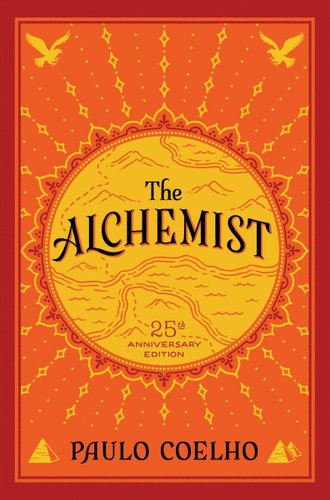
During a 500-mile trek along the Road of Santiago de Compostela in Spain, Coelho had a spiritual awakening. He lamented that he had pushed off his writing career for so long and decided to look for an omen. A white feather. He told himself if he saw one that day, that it was a sign from God that he should continue on his path. He did, and O Alquemista (The Alchemist), his most widely known book followed a year later. His themes of personal spiritual journeys, omens, adventure, and following one’s heart are prevalent and powerful in the lessons he gives in all his stories.
Joaquin Maria Machado de Assis
Machado de Assis (1839–1908) was a prolific Brazilian poet and novelist and a classic icon of Brazilian literature. He began writing at the age of 17 in his spare time as he balanced the life of a printer’s apprentice and the demands of his chronic poor health. His 1881 novel, Memórias póstumas de Brás Cubas (The Posthumous Memoirs of Brás Cubas), achieved a great deal of mainstream success and was praised for its originality and deviation from the literary conventions of his time.
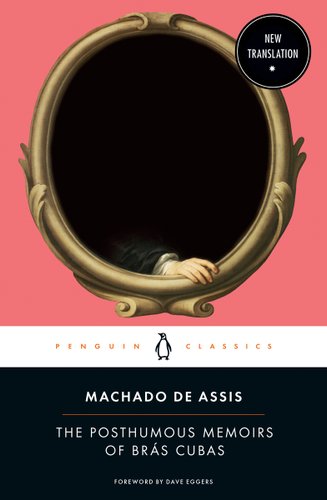
Machado’s works are balanced between cynical, pessimistic sentiments, and his writing style is full of levity and wit. Analysts of his work are often torn when trying to discern his levels of social consciousness due to his indirect writing style, but there is no doubt that he had a keen eye for observing and relaying the realities of the world around him. This is particularly clear in his representations of Rio, with all of its cultural and social contradictions.
Luisa Geisler
Luisa Geisler, born in Canoas, Brazil, in 1991 is an award-winning author and translator whose works are wonderfully experimental and shine with a deep curiosity about the human condition. She is currently pursuing her PhD at Princeton University, investigating “Narratives of bodies under metamorphosis in literature written by Latin American authors.” She is exploring corporeality and abstraction from the body as expressed by female authors.

Geisler’s most experimental novel so far, De Espaços Abandonados (Abandoned Places) is written in non-linear prose as if it were a manual. It follows Maria Alice as she journeys through Dublin in search of her mother, who suffers from bipolar disorder and has disappeared without a trace. Geisler creates vivid and deeply interesting characters, many of whom are Brazilians who find that they’ve lost themselves after moving to Ireland in search of better lives.
Carol Bensimon
Carol Bensimon, born in 1982 in Porto Alegre, Southern Brazil, is a contemporary novelist and short story writer. She studied social communication at the Pontifical Catholic University of Rio Grande do Sul and later pursued her master’s in literary theory. She has studied in France as well as Brazil, which brings a European influence to her writing style and perspective. Her work delves into themes of memory, human relationships, identity, and the effect of the past on the present. Setting is crucial to her work, and she portrays each with a keen eye for social landscapes and cultural nuance. She writes with minimalistic, evocative language that lends itself to her introspective style. Her works are emotionally profound, insightful, and raw, which has garnered her much international attention.

One of her most popular books in the US, Todos Nós Adorávamos Caubóis (We All Loved Cowboys), explores the relationship between two friends as they reunite after a falling out for a road trip through Brazil. This queer, coming-of-age novel takes a deep look at the intimacy of friendship, and the line between platonic and romantic love as the two friends’ journey — physically and emotionally — through the resurfacing of their old quarrels.
Whether you’re looking for some classical insights into Brazilian culture and society, a spiritual journey you’ll never forget, or a touching coming-of-age tale, any and all of these Brazilian authors will make a wonderful addition to your bookshelf.
Looking for more global recs? Click here!
Click here to check out the Bookstr team’s favorite recommendations!