



Trigger Warning: This article discusses gun violence, racism, and police brutality. Please exercise care while reading.
Gun violence has been an ongoing epidemic in the United States. In 2022, 48,204 people in the US died in firearm-related incidents — the second-highest number on record. Firearms were the leading cause of death that year for children ages 1 to 17, accounting for nearly a third of all deaths among 15- to 17-year-olds. That number increased dramatically for Black teens, more than half of whom succumbed to gun violence.
Black people and communities, particularly young adults, are disproportionately impacted by gun violence. Brady United reports that despite making up 14% of the population, Black Americans make up 60% of firearm homicide victims each year, the largest demographic. They’re nearly 12 times more likely to die at gunpoint than their White counterparts, with Black men in particular nearly 23 times more likely to die than White men. And these numbers hardly capture the full impact of gun violence, namely the lingering trauma inflicted on survivors.
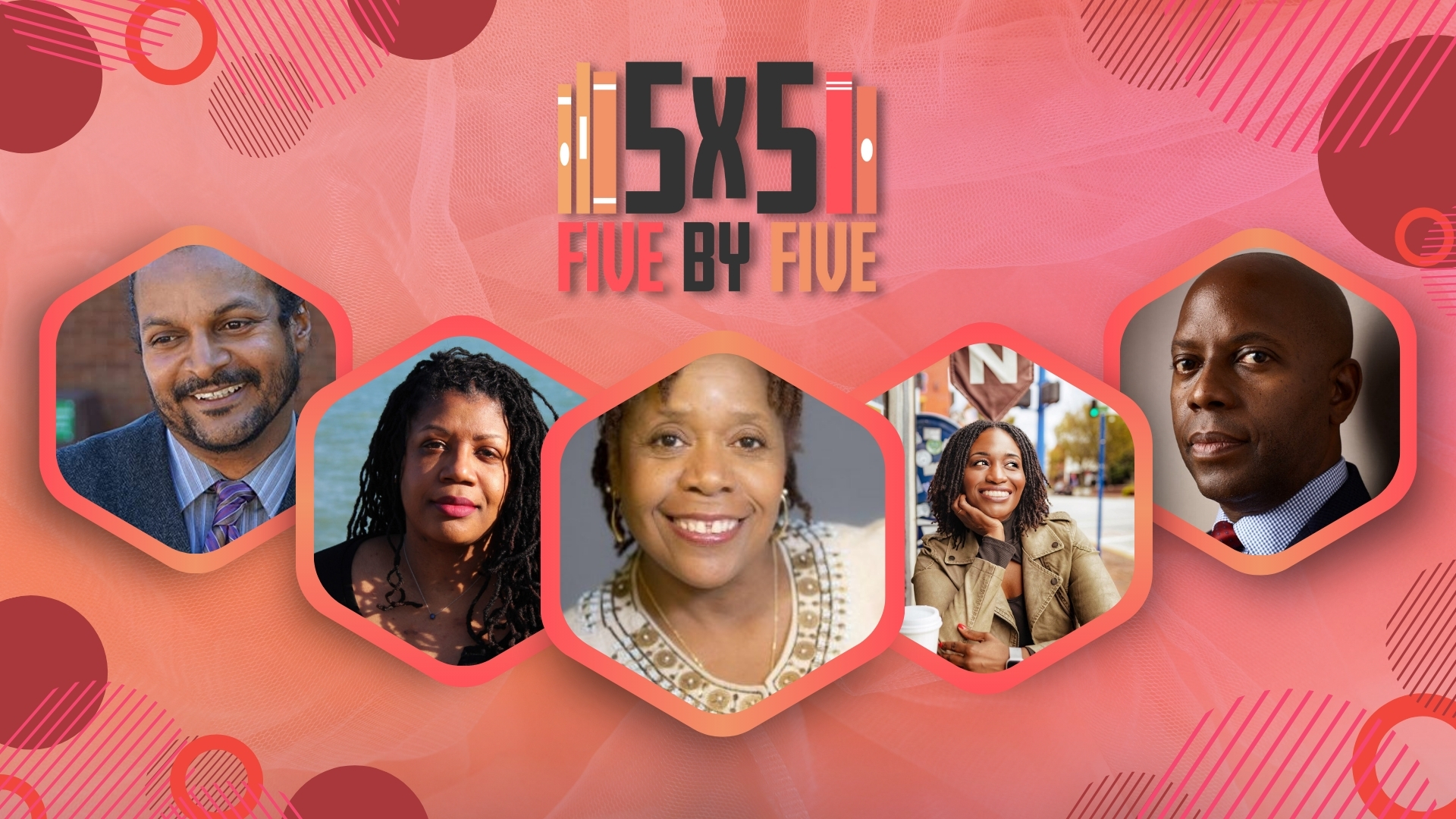
The five authors we’re speaking with today have responded to this crisis with clarity, urgency, and resolve. Whether they’re writing from personal experience, amplifying the voices of those who have, or helping communities move forward, they not only illuminate this issue but light the way for a better future.
The Authors
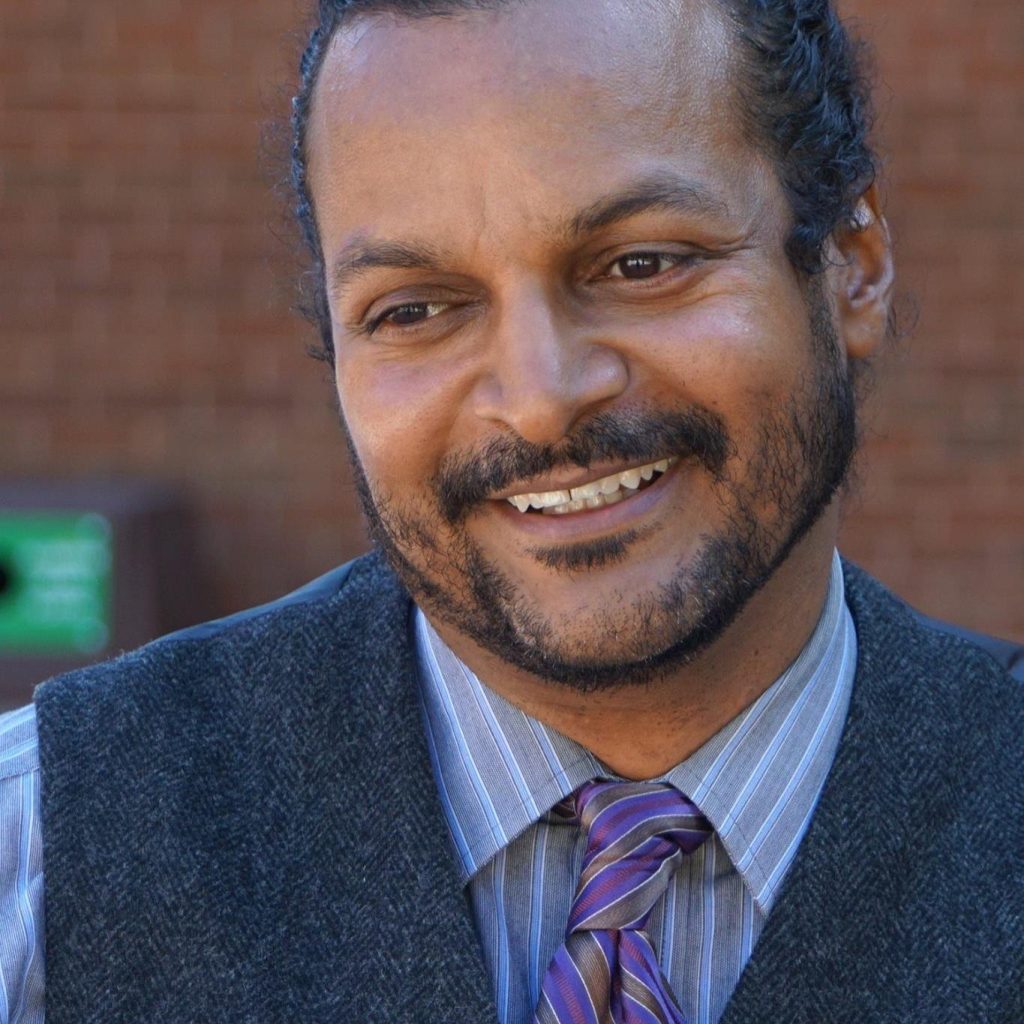
Tony Medina
Tony Medina, Associate Chair and Director of Creative Writing in the Department of Literature & Writing at Howard University, is a multi-genre author and editor of 24 books for adults and young people, the most recent of which are Resisting Arrest: Poems to Stretch the Sky (anthology); I Am Alfonso Jones (graphic novel); Thirteen Ways of Looking at a Black Boy (children’s); Death, With Occasional Smiling (poetry); Ché Ché Cole (fiction); and Because the Sky (Sable Books, 2024), a suite of poems in response to the genocide in Gaza and an homage to the Palestinian people. Medina’s poetry, fiction, and essays appear in over 160 anthologies and journals.
Among his honors, he is the recipient of the first African Voices Literary Award; the Langston Hughes Society Award; winner of the 2022 Audie Award in the Young Listeners category for the audiobook to I and I, Bob Marley, narrated by actor Jamime Lincoln Smith; and recipient of the 2025 National Black Writers Nikki Giovanni Award for Middle Grade and Young Adult Literature and a proclamation from the New York State Assembly for his achievements in literature.
Mikki Kendall
Mikki Kendall is a writer, diversity consultant, and occasional feminist. She is the author of the New York Times-bestselling Hood Feminism and of Amazons, Abolitionists, and Activists, a graphic novel illustrated by A. D’Amico. She has appeared on the BBC, NPR, The Daily Show, PBS, Good Morning America, MSNBC, Al Jazeera, WBEZ, and Showtime; her essays can be found at TIME, The New York Times, The Guardian, The Washington Post, Essence, Vogue, The Boston Globe, and NBC.
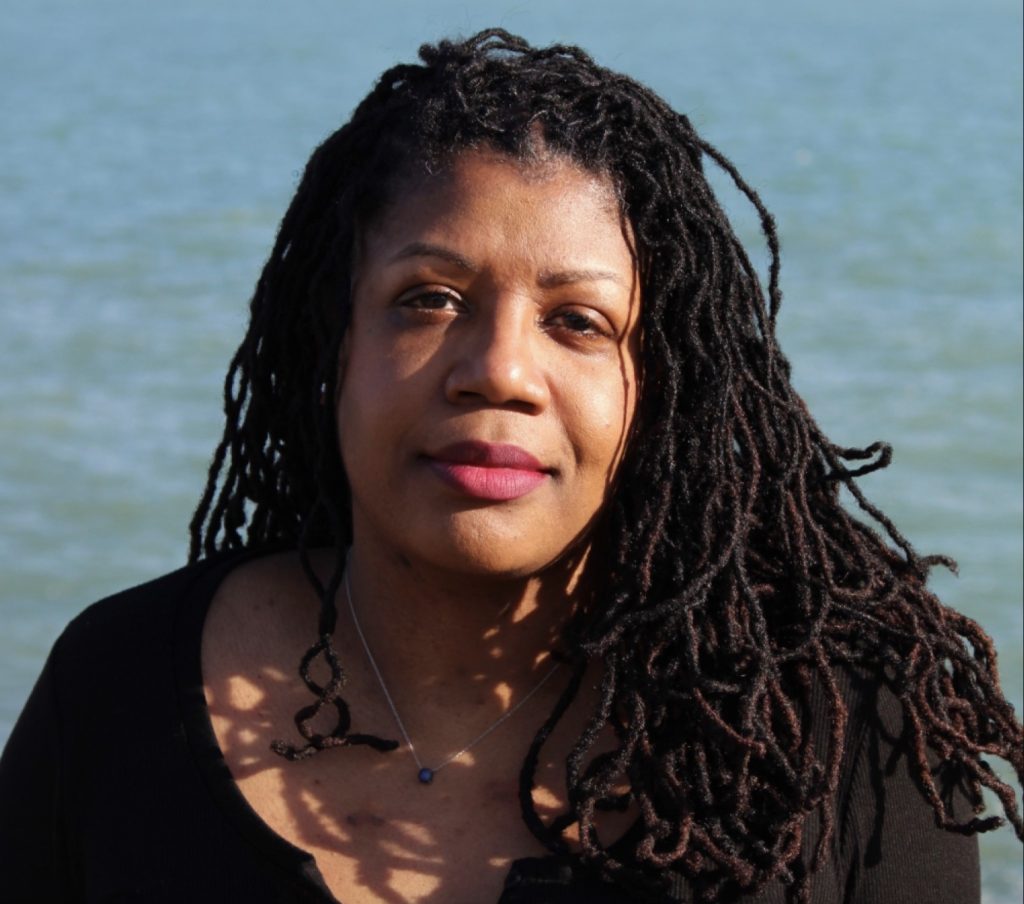
Khristi Lauren Adams
Khristi Lauren Adams is a speaker, author, youth advocate, and ordained Baptist minister. Khristi is the author of Womanish Theology: Discovering God Through the Lens of Black Girlhood, Parable of the Brown Girl, Unbossed: How Black Girls Are Leading the Way, and its middle grade version, Black Girls Unbossed: Young World Changers Leading the Way. The books are published by Broadleaf and Beaming Books. Parable of the Brown Girl has received awards for Best Young Adult Book from The African American Literary Awards and the New York Black Librarians Caucus. Unbossed was a 2023 runner-up for the Los Angeles Book Festival, and Black Girls Unbossed is a 2023 finalist for a Foreword INDIES Book of the Year award in the Juvenile Nonfiction category.
Khristi is the Executive Director of Community and Belonging for the St. Paul’s Schools, a family of independent schools in Baltimore County, MD. She previously worked as Dean of Spiritual Life & Equity and instructor of Religious Studies at the Hill School. Khristi is a graduate of Temple University with a degree in Advertising and a graduate of Princeton Theological Seminary, where she obtained a Master of Divinity degree. Khristi is also a 2024 Alumni Service Awardee for Princeton Seminary, which highlights the outstanding efforts of alumni who have demonstrated exceptional commitment to advancing the seminary’s mission and values.
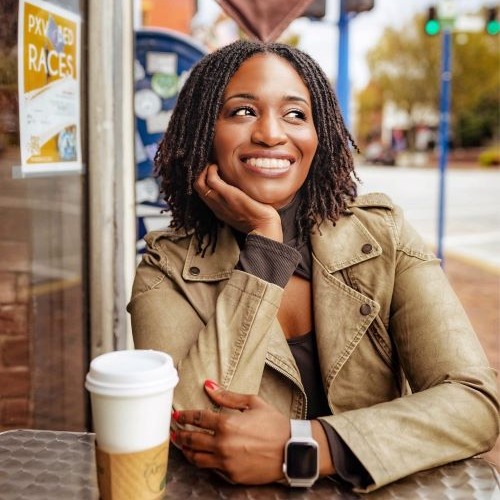
Dr. Marietta Collins
Marietta Collins, PhD, is a clinical psychologist who worked with high-risk children, adolescents, and families as a faculty member at Emory University School of Medicine for over two decades. Since 2016, she has been an Associate Professor and the Director of Behavioral Medicine in the Department of Family Medicine at Morehouse School of Medicine. In this role, she trains medical and behavioral health providers while providing clinical services to underserved adults, youth, and families. She is actively involved in the faith community and enjoys mentoring African-American children, adolescents, and early career professionals.
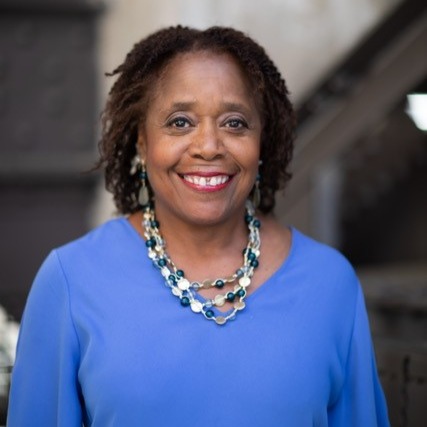
Dr. Brian H. Williams
Dr. Brian Williams is an Air Force veteran, a former aeronautical engineer turned trauma surgeon, and a nationally renowned expert in gun violence prevention and healthcare disparities. A graduate of the United States Air Force Academy (‘91), he earned his medical degree from the University of South Florida and completed his surgical training at Harvard Medical School and Emory University. Dr. Brian Williams is a former professor of surgery who has served on the faculty at UT Southwestern and the University of Chicago.
On July 7, 2016, Dr. Brian Williams led the Parkland Hospital team that treated seven Dallas police officers ambushed by a sniper. His impassioned response to the tragedy thrust him into the national spotlight, sparking his political advocacy. He was subsequently appointed Chair of the Dallas Citizens Police Review Board and served as Special Advisor for Health Equity for Dallas County during the COVID-19 pandemic.
Dr. Brian Williams served as a Robert Wood Johnson Foundation Health Policy Fellow at the National Academy of Medicine, where he worked with congressional leaders to help craft the Bipartisan Safer Communities Act of 2022—the most significant gun safety legislation in a generation. One year later, he launched his campaign to become the first trauma surgeon elected to Congress. Leading gun safety organizations Brady PAC and Giffords endorsed Dr. Brian Williams, and he received the inaugural Giffords Champion Award in recognition of his career working to end the epidemic of gun violence. His first campaign ad, Relentless, was featured on MSNBC’s Morning Joe, Deadline White House, and The Last Word with Lawrence O’Donnell.
Dr. Brian Williams lives in East Dallas with his wife and daughter, where he advocates for safe and healthy communities free of gun violence and health inequity. When not caring for patients, he maintains an active schedule as an author, speaker, lecturer, opinion writer, and commentator for national news outlets such as CNN and MSNBC.
His bestselling and award-nominated memoir, The Bodies Keep Coming: Dispatches from a Black Trauma Surgeon on Racism, Violence, and How We Heal (© Broadleaf Books 2023) is available anywhere books are sold.
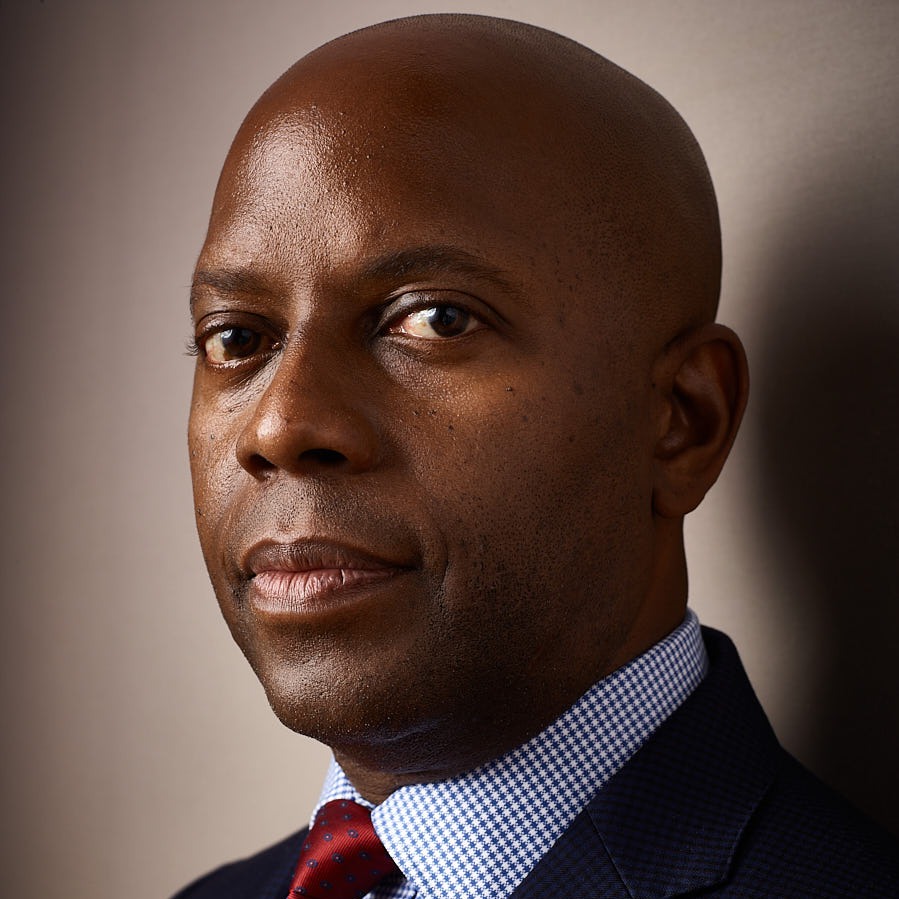
The Questions
1. What inspired you to write about gun violence? Was there a specific moment or incident that drove you to share your perspective?
Tony: Unfortunately, gun violence is such a prevalent social malignancy in our country — culturally, socially, politically, and economically — it is hard to ignore its menace. From the 2nd Amendment shield to the mass shootings in schools and shopping centers, it is too depressing and frightening to ignore as a citizen and an artist. I tackle it regarding another prevalent societal malady (police brutality) in my graphic novel, I Am Alfonso Jones, where my protagonist, 16-year-old Alfonso Jones of the Bronx and Harlem, is shot to death in a mid-Manhattan department store by a police officer moonlighting as a security guard mistaking Alfonso for toting a gun while holding up a clothes hanger. In the novel, I also show a scene with a school shooter, who is a young White male, handled carefully by police after a mass shooting, exploring how race even plays a role in how gun violence is further politicized. Most recently, I have written a suite of poems (still working on it) about a school shooting much like the one that took place in Uvalde a few years ago. It is a work mainly from the perspective of the elementary school children who survived the massacre and who lost their innocence along with their classmates and teachers.

Mikki: As a child, I was exposed to gun violence several times. And one of the things that I found frustrating in discussions of gun violence is that we tend to treat it as isolated incidents instead of a growing public health crisis.
Khristi: My second book, Unbossed, is about the leadership and activism of eight young Black women who are making significant impacts in their communities and beyond. I wanted to cover a variety of different areas of advocacy, and gun violence was one that was important to me. It wasn’t my perspective that I wanted to share as much as hearing and learning from a young activist who was deeply entrenched in combating gun violence. I was excited to be connected to Tyah-Amoy Roberts, a school shooting survivor who advocated for gun safety through the organization March for Our Lives.
Dr. Marietta Collins: My coauthors and I are child psychologists who decided to write books to help parents, caregivers, and educators have conversations about difficult and challenging subjects with their children. The prevalence of gun violence and the traumatic effect it can have on children’s mental health is what prompted us to write our book, Something Happened in Our Park: Standing Together Against Gun Violence. When making book presentations in school settings, especially, we were often asked to consider writing a book that would be helpful to educators and parents to help children cope with the anxieties and trauma they may experience when they are exposed to or affected by gun violence.
Gun violence prevalence rates:
15,000 children/teens are killed or injured by shootings annually
3 million children witness a shooting annually
Although neither of us has experienced any incidents of gun violence personally, we were disturbed by the numerous accounts (i.e., mass shootings in schools, etc, and individual shootings) of gun violence portrayed in the media.
Many children are aware of community gun violence. They may hear about nearby shootings on the news or from adults. They may know a friend or relative who lives in a community where this occurred. They may hear about shootings in schools and be concerned that this may happen in their school. They may live in neighborhoods where hearing gunshots occurs frequently. Children may become fearful and have concerns that they or someone close to them may be hurt. Parents want help in talking to their children so they can decrease their anxieties or their trauma if someone they know has been a victim of gun violence.
Dr. Brian Williams: The mass shooting of Dallas police officers on July 7, 2016, was a defining moment in my life and ultimately led to writing my memoir. With over 20 years of treating gunshot victims, I felt I possessed a unique perspective on the intersectionality of gun violence, racial justice, and health equity. The overwhelming majority of my patients were young Black men; I believed their stories and those of their families were overlooked in the national discussion about gun violence prevention. I wrote the book to elevate their stories and reframe the narrative about who suffers from gun violence and who can be part of the solution.
2. What do you think the role of literature is in addressing or combating gun violence in America?
Tony: Essentially, I write about gun violence to bear witness to the brutality and instruments of war unleashed in our communities, on our streets, in the hopes that we as a citizenry can do something about it. Literature can tell the stories and illustrate the horror, as it is our most portable of empathy machines, which stems from the human imagination.
Mikki: Literature is one of the ways we make the truth palatable, even when no one wants to hear it. As long as literature is telling the truth about the impact of gun violence on children, on communities, on our future, it is a bulwark against the denialism that led us to daily shootings in America.

Khristi: I believe it’s important to read people’s stories because they provide real-life examples of individuals who have survived gun violence, and whose lives, families, and communities have been deeply affected. When we humanize these issues, it helps readers empathize with the experiences shared, often sparking a call to action within them.
Dr. Marietta Collins: Stories within literature create a sense of distance that helps events seem less overwhelming for children. Stories also engage children’s hearts and imaginations, which are where true transformation takes place. Stories can help children gain a sense of mastery over their feelings and over their lives.
Dr. Brian Williams: Literature is vital in addressing gun violence, offering a powerful platform for anyone affected to share their story. Empowering those impacted, particularly concerning racial disparities in gun violence within specific communities, to control their narratives is crucial. Ensuring that every voice is heard, sometimes by writing and sharing their experiences, is a key step toward transforming the national conversation and cultivating sustainable solutions.
3. Did you rely on any specific research, interviews, or community experiences to ground your storytelling in reality?
Tony: My writing stems from my absorbing everything like a sponge, from news items to true crime shows and podcasts to films and literature to experiences and knowledge that I’ve acquired. Of course, when necessary, research plays a central role in a deeper understanding and analysis surrounding the myriad issues and complex human dimensions of gun violence. But when I wrote my poem, One Guy Shot Another Guy, in my poetry collection, Death, With Occasional Smiling (Indolent Books, 2021), it was sheer inspiration satirizing the absurdity of gun violence, war, and vengeance. Yet, quiet as it’s kept, inspiration is informed.
Mikki: In writing Hood Feminism, I looked at the data gathered by the Pew Research Center, Everytown Research and Policy, the Centers for Disease Control, and the lived experiences of people in my communities to write about gun violence.
Khristi: My book is entirely nonfiction, which made the storytelling process feel very natural. I spent hours interviewing each girl, recording our conversations, and taking notes. They shared their personal journeys—how they grew up, what ignited their passions, and ultimately, what led them to activism. Each chapter delves into the unique leadership styles and contributions of these young women, offering lessons in empathy, tenacity, and transformative action.

Dr. Marietta Collins: Yes, as psychologists, my coauthors and I do preliminary and ongoing research about the topics in our books. Our publishing company, Magination Press, maintains a website for each of our books that we update annually with pertinent research and other resources related to the topic of each book. Magination Press is the children’s imprint of the American Psychological Association.
Dr. Brian Williams: In writing my book, I incorporated several aspects of my personal and professional background: I am a veteran with firearm training, a trauma surgeon who has treated thousands of victims of gun violence, a policy advisor who’s helped craft and pass monumental gun safety legislation, and a survivor who has had family members taken due to gun violence. However, it was important that I drew you into the story with a narrative that held your attention, centered racial justice, and taught you things along the way that you may not have known. Having spent my entire career in academic medicine, I’ve published extensively on gun prevention and also know the research very well. My goal was to incorporate that into the narrative in a way that a layperson could understand, but would not detract from the humanistic goals of the book. In the end, I really wanted the reader to be in touch with our shared humanity and recognize that any death due to preventable firearm-related injury is one too many.
4. What challenges did you face—emotionally, politically, or socially—while writing your book?
Tony: The only challenge I faced when writing I Am Alfonso Jones was getting all of my ideas down on paper and telling a true-to-life, believable, passionate story about a great kid caught up in the fear and paranoia racism and police and gun violence bring in a country whose economic foundation was created from free and forced labor of enslaved humans kidnapped from the African continent.
Mikki: Anytime you write about race and violence, there is pushback from people who would rather look away from reality. Also, personal experiences with violence are unpleasant reminders of traumatic moments, and it is always hard to hear the ways that someone has suffered.
Khristi: The biggest challenges I faced in writing this book were emotional. Some of the girls’ stories were difficult to hear, and I deeply empathized with their struggles. In particular, I remember the Marjory Stoneman Douglas High School shooting in Parkland, Florida, when it was all over the news. Hearing a firsthand account from Tyah-Amoy, who was a student there at the time, was incredibly moving. Equally powerful was learning how she navigated the emotional aftermath of that experience.
Dr. Marietta Collins: Of course, we were disheartened and continue to feel distressed related to the numerous incidents of gun violence that occur globally, with sometimes seemingly minimal legal consequences. Limited social and political action regarding acts of gun violence can be frustrating.
It has been challenging at times to find audiences receptive to allowing us to read our story to children and/or do workshops related to gun violence. Some organizations have refused, suggesting that discussing the occurrence of a shooting might create fear within children. It has also been hard to determine a balance between offering our book and supportive mental health services to families, schools, or communities where gun violence has occurred, while not appearing exploitative of the situation.

Dr. Brian Williams: Writing the book, the biggest challenge was emotional, as it is a memoir requiring much reflection and the sharing of parts of myself I kept private for most of my life. Being a very private person, exposing myself in this way was challenging at first, but ultimately liberating.
5. Have you received any responses from readers who have been directly impacted by gun violence? If so, how have those reactions shaped your view of your work?
Tony: I have yet to experience direct responses from those who have witnessed firsthand gun violence regarding my novel, but I have received an overwhelming response from readers of all ages and backgrounds who have been moved and even entertained (in the sensory sense) by I Am Alfonso Jones. To me, those are the responses that have truly moved me; however, I suspect I would be quite overwhelmed emotionally if a person who has experienced police brutality and/or gun violence directly or through a loved one reached out to me. Sadly, this would not be too hard to actualize, as a writer. I am unsure if those who have championed my book experienced such misfortune that could easily be avoided, for the most part, if the people and politicians took serious measures to realize it.
Mikki: Yes, I have had several survivors reach out and thank me for being honest about how it impacts women, especially women of color, because too often the conversations focus on men with no mention of the risks faced by those most likely to be ignored by authorities.
Khristi: I’ve received positive feedback from students who have been inspired by Tyah-Amoy’s work, particularly her advocacy for bringing attention to gun violence in Black and Brown communities, areas that often lack the national focus given to more affluent neighborhoods.
Dr. Marietta Collins: In making presentations, some children’s depictions of numbness and a general acceptance of frequently hearing gunshots in their neighborhoods were really saddening. In the back of each of our books, we include a Readers’ Note section that provides guidance for parents and caregivers on how to talk with their children when they experience or are exposed to gun violence. It is comprehensive in scope and includes sample dialogues, coping strategies for parents to use with their children, and strategies for individuals and families to increase gun safety and reduce anxiety.
My coauthors and I advocate for strategies that could be part of a comprehensive approach to reduce gun violence. For example: a) reduced access to guns for high-risk individuals, b) strategies to increase safe gun storage, and c) broader access to behavioral healthcare for people with suicidal or homicidal thoughts.
Dr. Brian Williams: Since my book’s release in September 2023, not a month has passed without outreach from individuals directly impacted by gun violence. This happens through my website, social media DMs, and random “in real life” encounters. This ranges from colleagues working on the front lines of gun violence in emergency departments nationwide, to those who have survived being shot, and to family members sharing stories of loved ones lost to gun violence. It is truly a broad demographic of people who reach out, yet a unifying sentiment is their gratitude for my writing the book.

Bonus Questions
6. What advice would you give to young writers who want to tackle social issues in their own communities?
Tony: As an artist, it is difficult to assume the mantle of telling another artist what he or she or they should focus on. Writers, essentially, are compelled to write. What one chooses to focus on is based on so many different factors. Some things are just too hard to ignore, but the advice I would give is one that is usually spoken in basketball: Let the game come to you, which is to say, don’t press the issue (no pun intended); when you are moved to write about a social issue, you will know. It will come furiously knocking! You just have to be prepared to receive the message and heed the call.
Just know that we live in a big, complex, multilayered, interconnected world, and you are bound to tackle a social issue. The key is to recognize it, and in doing so, do not allow it to overwhelm the artistic aspects of your work. Because in all actuality, you are engaged in the act of making art, and that may be both beautiful and ugly, if you are being true to your heart and soul, and conscience.
Mikki: Do your research, and by that I mean use real sources, not an AI summary. Talk to people who have experienced the issue as well as people working to correct the problems in the community.
Khristi: The advice I have for young writers is that there is no age limit on using your voice to advocate for change. Do not let your “youth” stop you from speaking up for what you’re passionate about. Do not let adults or anyone else tell you that you have to wait your turn or that you are too young. We need to hear from you now.
Dr. Marietta Collins: I would encourage young readers to start writing and to “go for it!” The importance of sharing their viewpoints will be helpful to many people. They can begin by looking at books that might address similar topics and determine how their voice will be different. Youth involvement and advocacy are crucial in determining a future with improved societal issues.
Dr. Brian Williams: Don’t overthink it; just do it. Storytelling fosters connections, and through these connections, we can promote societal change on a grand scale. While it won’t be quick or easy, achieving such change will be nearly impossible without writers courageous enough to share their stories with the world.
7. Are there other authors, activists, or artists whose work in this space you find especially inspiring?
Tony: I have been fortunate enough to gain inspiration from so many writers and artists from so many places. From Langston Hughes to Amiri Baraka to Pedro Pietri to Jayne Cortez to Ernesto Cardenal to Roque Dalton to Nicolas Guillen to Nancy Morejon to Sonia Sanchez, Lucille Clifton and Nikki Giovanni and Ntozake Shange, Victor Hernandez Cruz, Ishamel Reed, Quincy Troupe, Haki Madhubuti to my first professor at Baruch College, City University of New York, Dr. Addison Gayle, Jr., father of the Black Aesthetic Movement. I can throw in Pablo Neruda, Kurt Vonnegut, Jr., The Last Poets, Bob Marley, Nina Simone, Ray Barretto, but then I would be showing off, and the list would just get longer and longer. I am inspired by everything, everywhere, all at once!
Mikki: I find everyone who works to make the world a safer place inspiring. So whether you run a major organization, lead protests, or write letters to your elected officials to get them to do something about gun laws, you’re inspiring to me.
Khristi: My pastor, DeForest B. Soaries, Jr., a Baptist minister, author, and public advocate known for his work in faith-based community development and civic leadership. Dr. Monique W. Morris, an award-winning author, social justice scholar. Her work has been instrumental in highlighting the systemic issues affecting Black girls in educational and justice systems. James H. Cone, a scholar and theologian who was widely recognized as the founder of Black Liberation Theology. Dr. Katie Geneva Cannon who was one of the founders of womanist theology. Her work focused on the intersection of race, gender, and Christian faith.
Dr. Marietta Collins: I would recommend examining the book offerings of our publisher, Magination Press. Magination Press is committed to providing high-quality and well-researched children’s books aimed at contributing psychological knowledge and mental health expertise, beginning with preschool-aged children. The topics included in their catalogue include divorce, anxiety, depression, and many more.
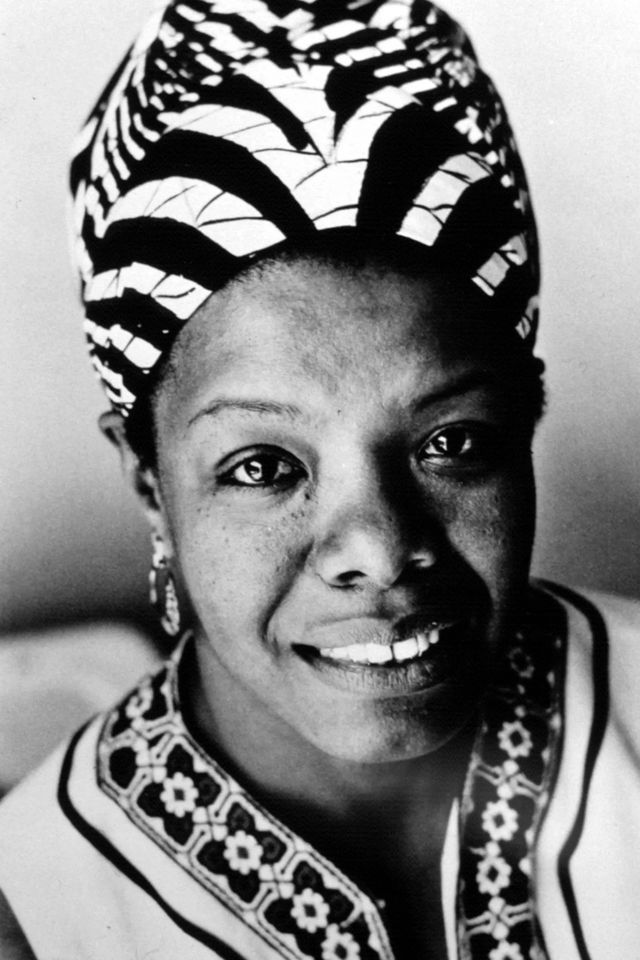
Dr. Brian Williams: I admire authors like Maya Angelou and James Baldwin, both of whom created a large body of work that helped shift the narrative on racial justice. Their writings have had a multigenerational impact, and I hope to achieve even a fraction of what they did with my own writing.
Thanks again to these authors for speaking with us and for drawing attention to an important issue in the United States. To get involved in the fight against gun violence, visit Everytown.org for a list of ways you can take action.
Find Tony Medina here.
Find Mikki Kendall here.
Find Khristi Lauren Adams here.
Find Dr. Marietta Collins here.
Find Dr. Brian H. Williams here.
Click here to read our roundtable discussion with five authors on the importance of cultural representation.
Find great reads from Black authors at our Bookshop.